


Georgian Kitchenalia
Georgian kitchenalia brings daily domestic life into focus through honest turned wood, heavy copper, and sturdy iron shaped by centuries of hearth use.
Georgian Kitchenalia
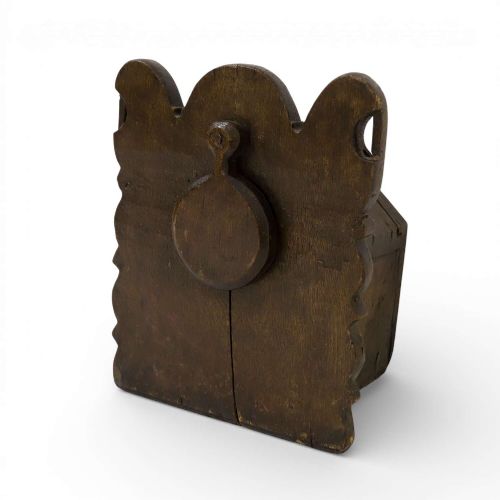
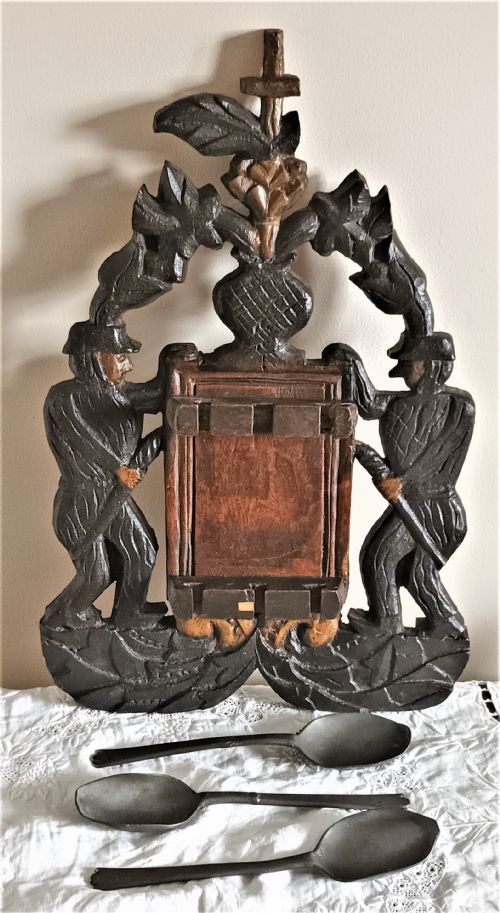
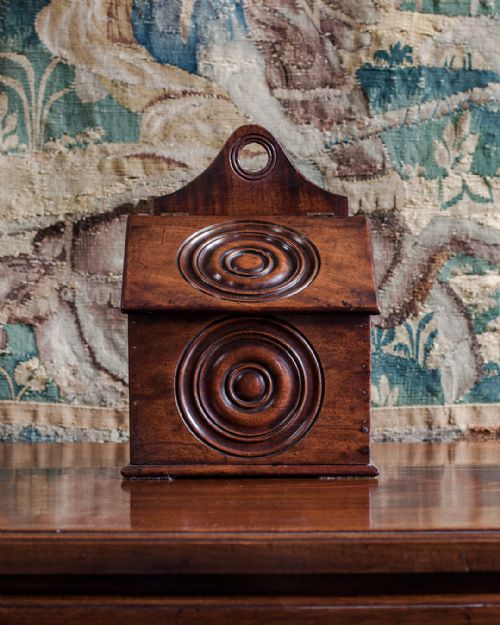
When someone searches for georgian kitchenalia, they encounter the working utensils and containers that shaped domestic preparation before the age of mass manufacturing. These pieces range from oak salt boxes and spoon racks to turned boxwood spice towers and horn spoons, each designed for rigorous daily service in period kitchens.
The objects on this page bridge rural vernacular craft and polite domestic routine, featuring items like turned lemon squeezers, nutmeg graters, and brass pot hangers. Oak, pine, copper, and pewter dominate the forms, reflecting materials chosen for utility and durability over mere display.
Materials and construction
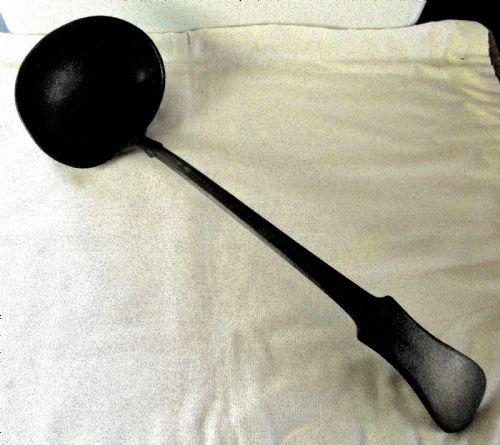
Makers shaped these utensils from dense hardwoods like oak, boxwood, and mahogany, often employing the lathe to turn complex condiment containers, spice towers, and lemon squeezers. Hand-wrought iron and brass provided the necessary hardware for adjustable pot hangers, ladles, and roasting pans.
Metals such as copper and pewter were hammered, cast, and soldered to withstand direct hearth heat and constant scouring. Painted pine and oak surfaces frequently bear traces of original pigment or natural wear that mark their long service.
Listings feature turned wood, oak, copper, iron, pewter, brass, and boxwood across various domestic forms.
Judging quality in domestic utensils
Quality rests upon the integrity of the original material and the sharpness of the tool marks left by the maker. Turned treen pieces succeed when proportions remain balanced and thin wooden walls survive centuries of handling without distortion.
Surface patination separates routine utilitarian survivals from exceptional examples. Items retaining original hardware, untouched painted finishes, or maker marks carry greater historical coherence.
Dixon And Son
The Georgian Kitchenalia Glossary
- Treen
- Small handmade wooden household objects. This category includes everything from spice towers to lemon squeezers shaped on a lathe.
- Trammel
- An adjustable iron hook used in hearth cooking. It allowed cooks to raise and lower pots over the fire.
- Trefid
- An early form of spoon with a notched, three-lobed flat handle. These typically date from the late seventeenth through the early eighteenth century.
- Negus
- A heated beverage made from port, water, sugar, lemon, and spice. Strainers specifically made for this drink appear among treen utensils.
Georgian Kitchenalia: Frequently Asked Questions
What is Georgian kitchenalia?
It encompasses the functional cookware, spice containers, salt boxes, and hearth tools used in British homes during the eighteenth and early nineteenth centuries.
These surviving objects show the everyday domestic routines of the period through practical materials like turned wood, copper, brass, and pewter.
How were spice towers used?
Tiered treen towers held precious imported spices such as nutmeg, cloves, and cinnamon close to hand for domestic food preparation.
Their stacked compartments kept individual flavours separate before ground spices became widely available in pre-packaged forms.
How do I care for antique treen?
Keep wooden objects away from direct heat sources and sudden humidity changes to prevent the timber from splitting.
An occasional application of neutral beeswax helps maintain the dry surface sheen without harming the historic patination.
Are these kitchen utensils still usable?
While many metal roasting pans and brass hangers retain their physical strength, most collectors treat these items as historical display pieces.
Modern use can easily damage fragile nineteenth-century turned wood or remove the historic surface wear that gives each piece its character.