
Georgian Inlaid Cupboard
A georgian inlaid cupboard brings structural warmth and precise decorative bandings into a room, offering both practical storage and period character.
Georgian Inlaid Cupboard
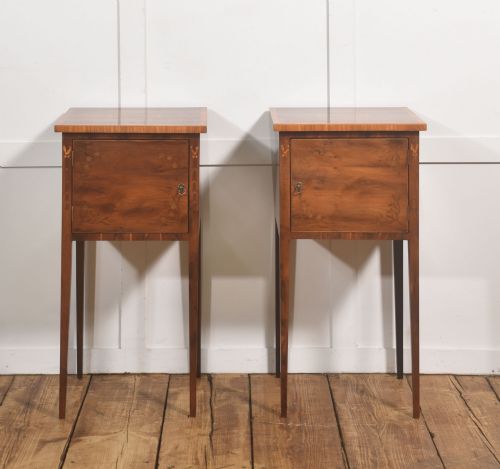
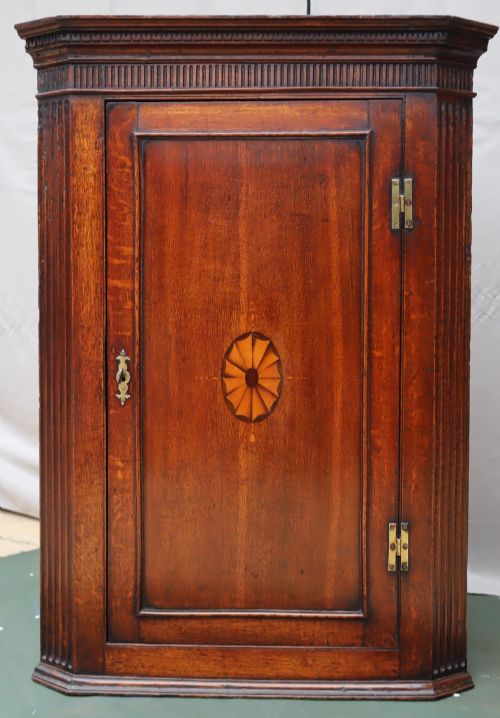
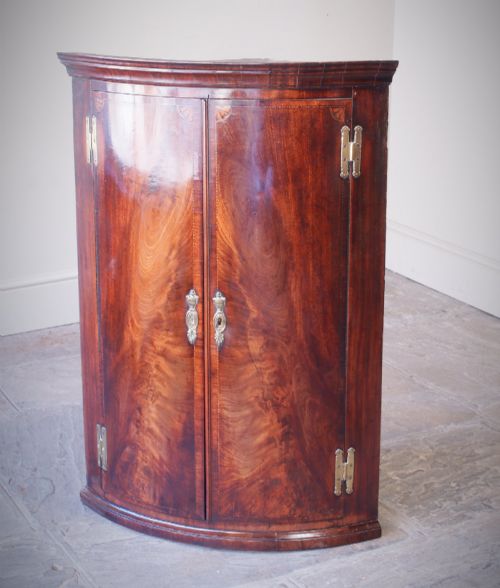
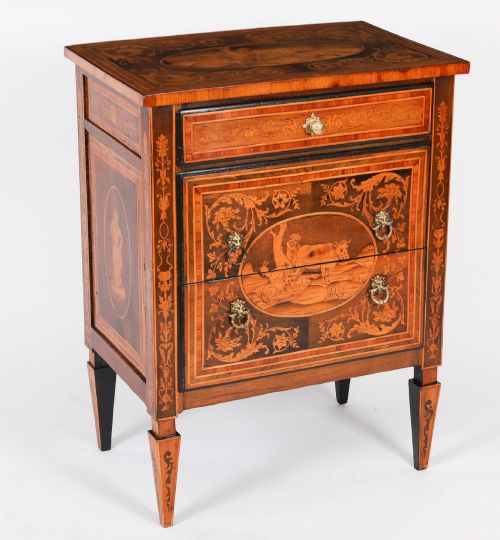
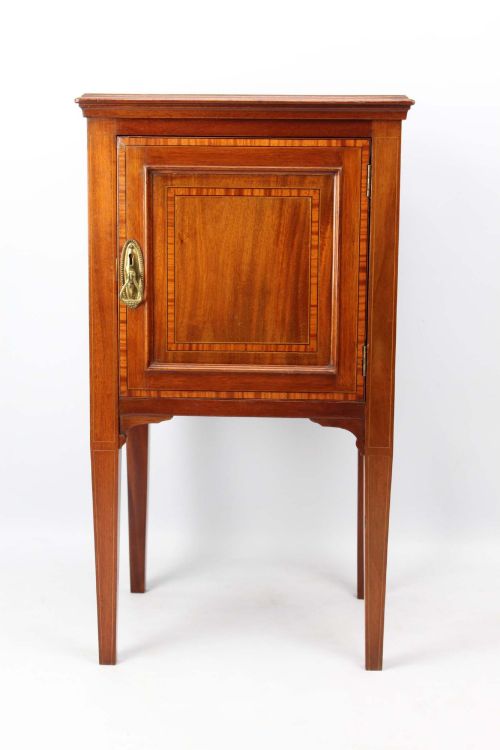
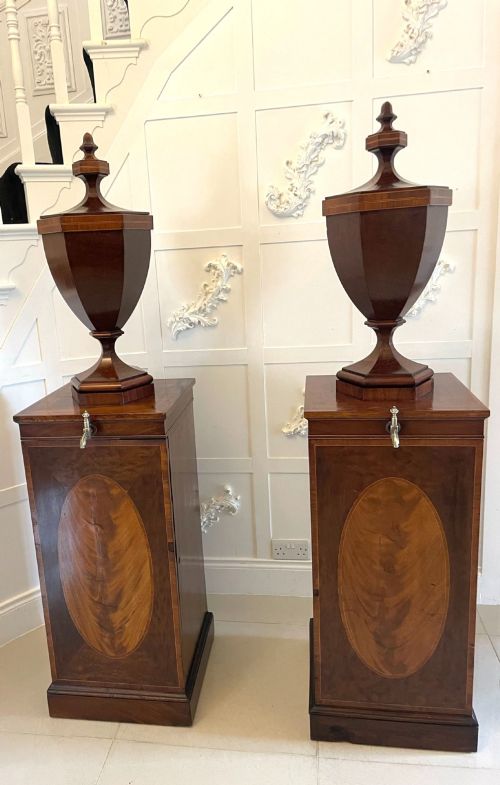
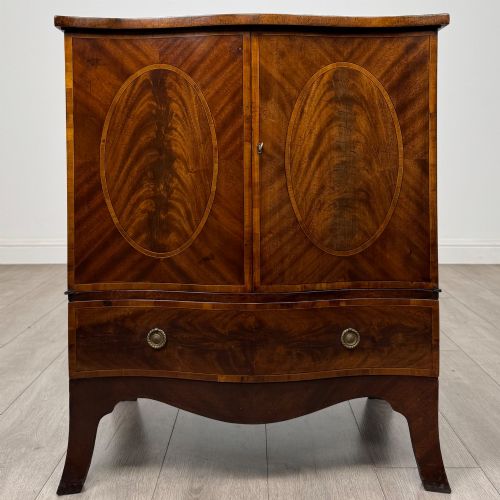
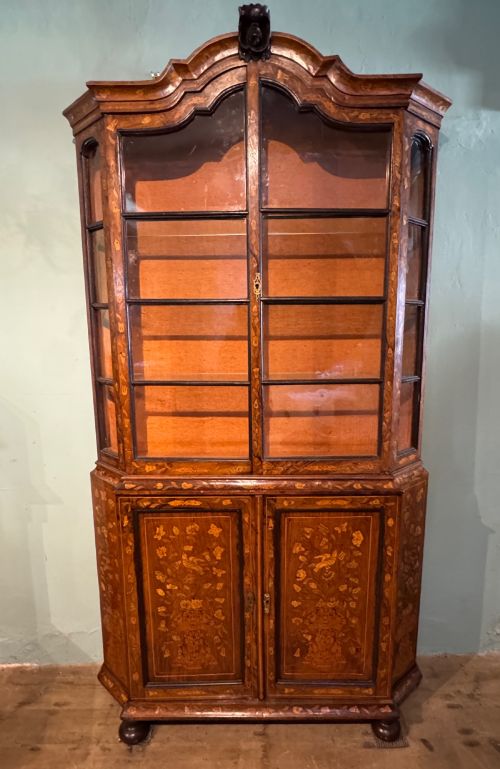
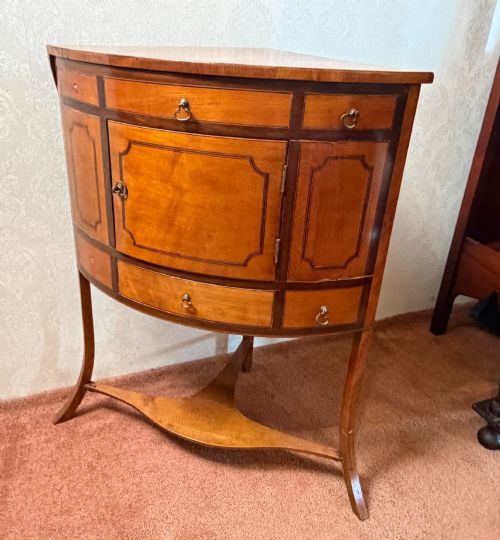
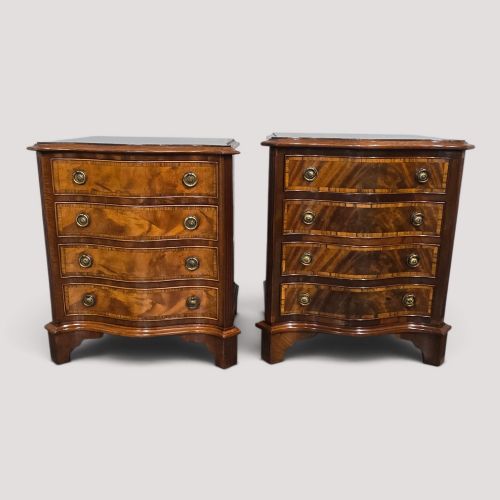
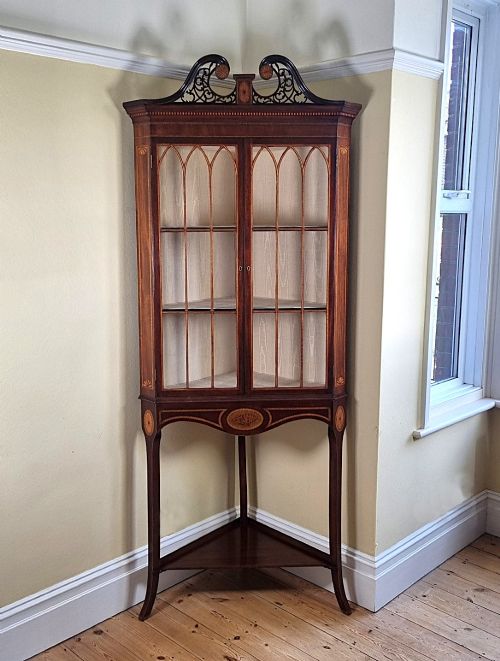
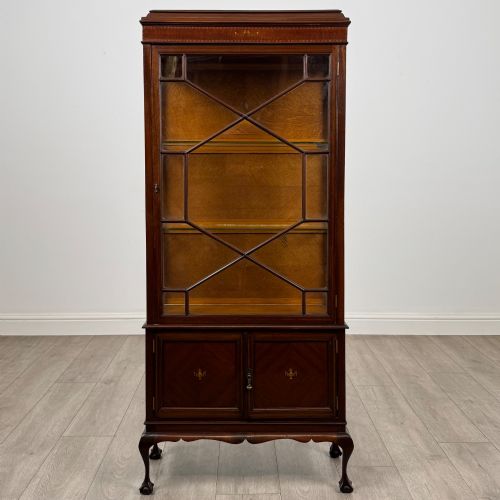
When searching for a georgian inlaid cupboard, buyers encounter a diverse range of storage furniture spanning corner cabinets, floor-standing presses, and bedside units. The selection on this page relies heavily on domestic forms originating from the eighteenth and nineteenth centuries, alongside later revival pieces.
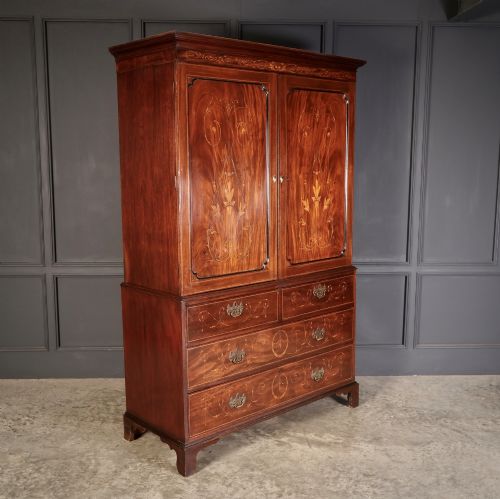
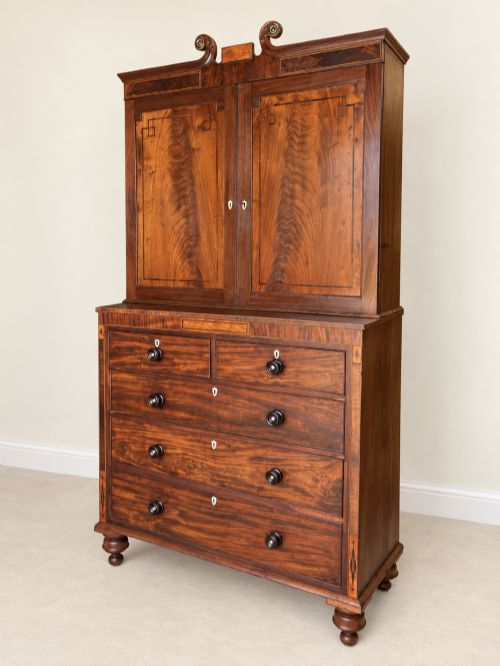
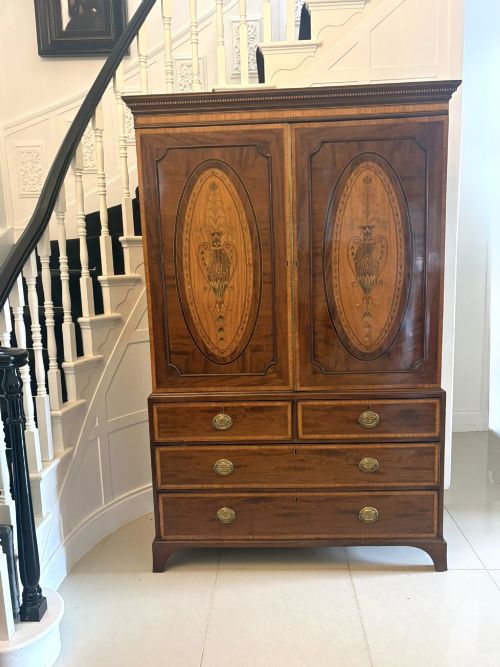
Larger case pieces like linen presses and housekeepers wardrobes also appear frequently, combining upper shelving sections with lower drawer banks. These pieces reflect the functional domestic requirements of Georgian and Regency households.
How They Were Made
Cabinet makers utilised dense primary timbers such as mahogany and oak, supplemented by secondary woods like pine or deal for internal partitions and drawer linings. Surface decoration relied on contrasting veneers, incorporating satinwood, boxwood, and ebony to create fine line stringing and geometric banding.
Construction techniques combined hand-cut dovetails for drawer carcasses with pegged mortise and tenon joints for structural frames. Glazed doors utilised timber glazing bars arranged in geometric or Gothic tracery patterns to house sheet glass securely.
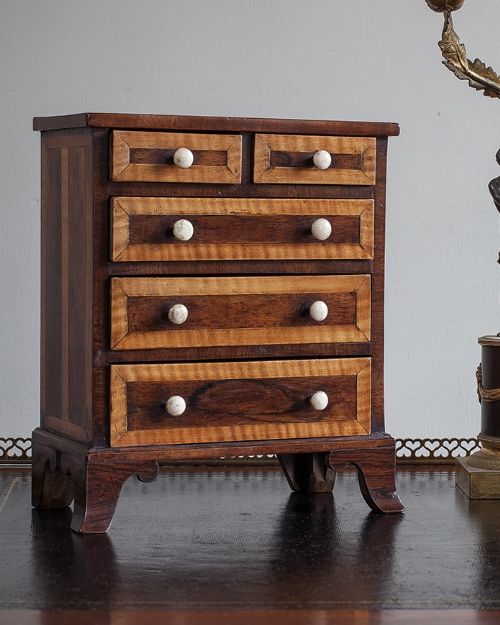
Cabinet forms span wall-hanging corner units, bedside chests, and multi-part floor-standing linen presses.
What Varies in Quality
The standard of a georgian inlaid cupboard depends significantly on the choice of timber figure and the precision of the contrasting inlay. Flame mahogany and plum pudding veneers with well-matched grain patterns separate superior commissions from plain utility items.
Execution of the decorative banding reveals the hand of the maker, where tight, uniform stringing without gaps denotes careful craftsmanship. Original brass hardware, intact glazed panels, and well-preserved internal shelving further distinguish better examples.
The Georgian Inlaid Cupboard Glossary
- Bow front
- A convex curved cabinet front that projects outward in a smooth arc. This shape gained popularity during the late eighteenth century to soften room angles.
- Crossbanding
- A strip of veneer applied perpendicularly to the grain of the surrounding surface. It frames panels and drawer fronts to provide a neat decorative border.
- Linen press
- A tall storage piece featuring upper sliding trays for textiles above a base of lower drawers. These items served domestic storage needs before modern wardrobes became standard.
- Stringing
- Thin inlaid lines of contrasting light or dark wood set into the primary timber surface. This technique delineates panels and geometric borders on case furniture.
- Dovetail
- A traditional interlocking joint utilised in drawer construction. Hand-cut variations feature narrow pins that indicate period workmanship.
Georgian Inlaid Cupboard: Frequently Asked Questions
What is a corner cupboard?
A corner cupboard is a storage unit built with a triangular footprint designed to fit snugly into the intersection of two walls. These pieces maximise functional space in smaller rooms.
They appear in both wall-hanging and floor-standing formats across the evidence, often featuring glazed doors for display or solid panelled doors for concealed storage.
How do I spot period inlay?
Period inlay is integrated directly into the solid timber or thick veneer surface by hand. The contrasting woods sit flush with the surrounding primary timber.
Closer inspection reveals minor irregularities typical of hand-cut work rather than the perfectly uniform machine-pressed lines found in later reproductions.
Where were these cupboards placed?
Georgian cupboards served varied domestic roles depending on their specific form and scale. Wall-hanging corner cabinets populated parlours and dining rooms for china storage.
Larger floor-standing linen presses and wardrobes organised garments and household textiles in bedrooms or private dressing rooms.
What is flame mahogany?
Flame mahogany is a highly figured veneer cut from the branch junctions of the tree. The grain creates a distinctive feather-like pattern resembling flickering flames.
Cabinet makers reserved this decorative timber for prominent exterior surfaces like door panels and drawer fronts to catch the light.