
Georgian Side Chest
A georgian side chest brings compact storage and undeniable proportion to a room, uniting utility with the restraint of the period.
Georgian Side Chest
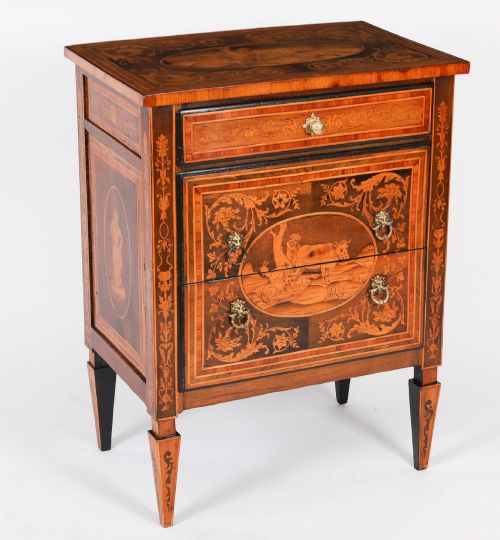
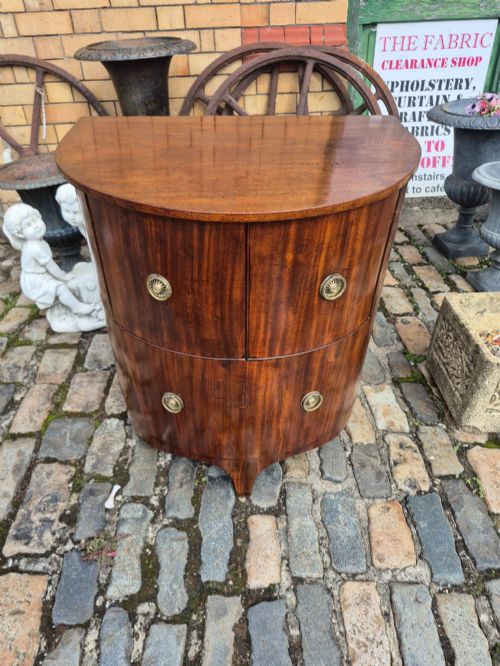
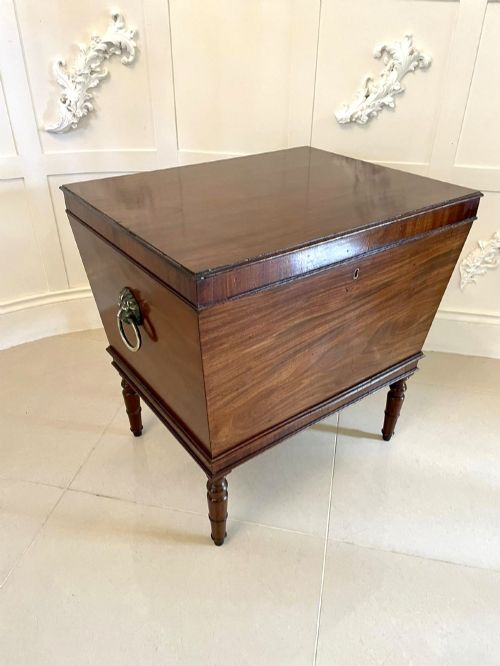
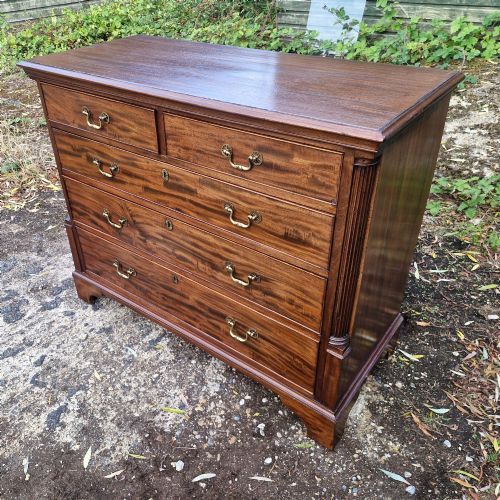
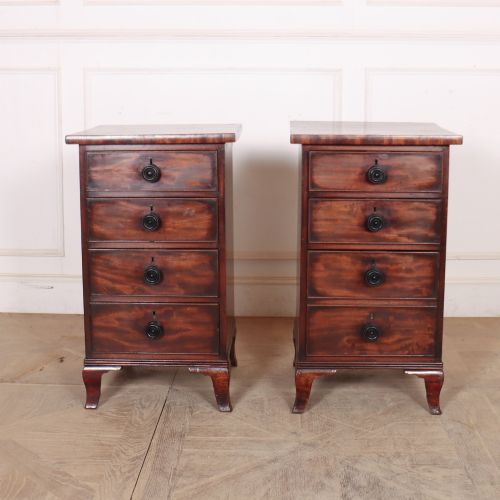
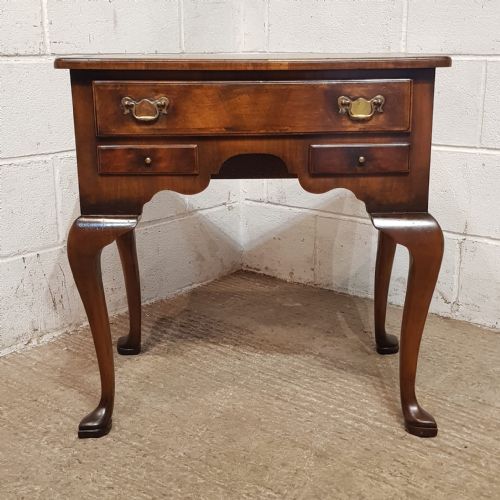
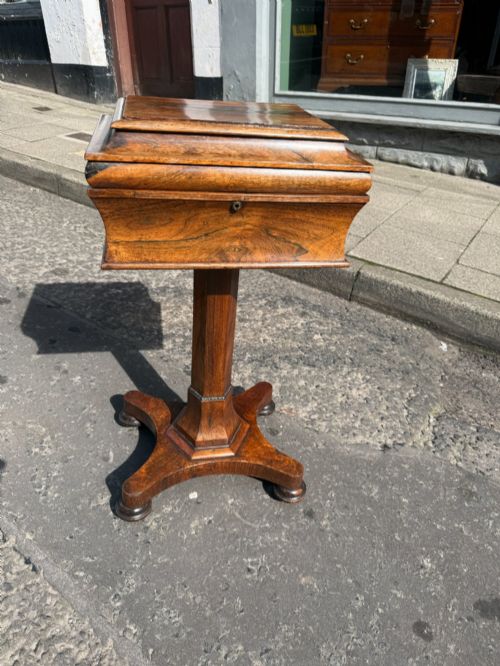
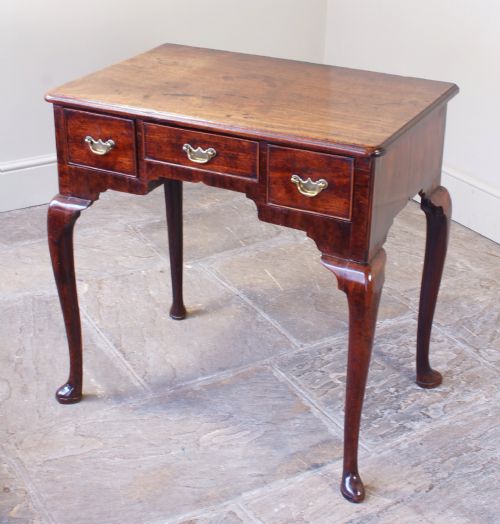
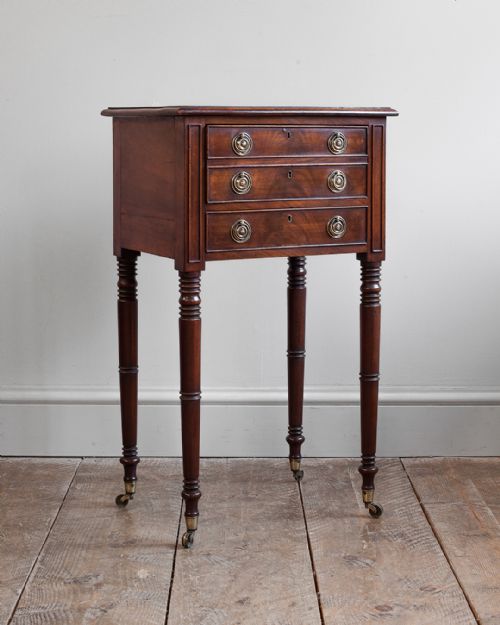
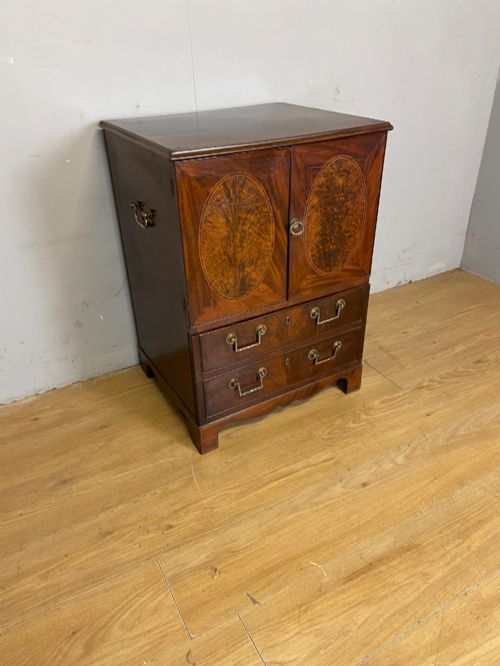
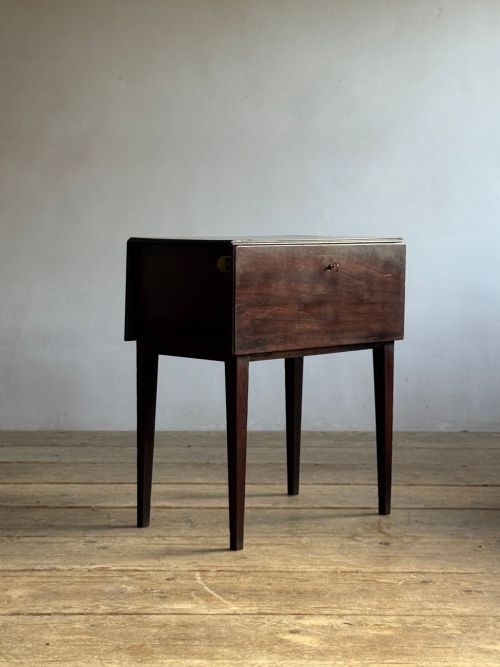
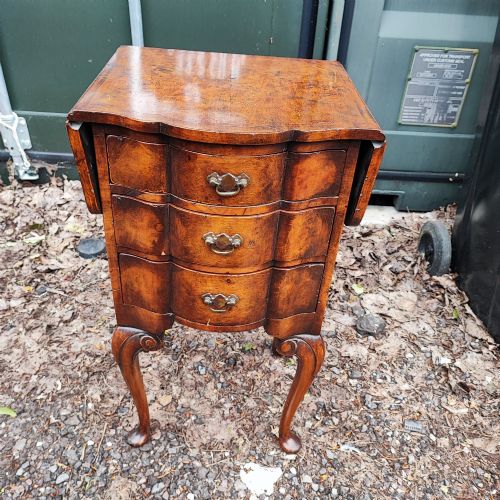
When searching for a georgian side chest, buyers encounter a diverse selection of lowboys, bedside tables, and compact drawer units. These pieces originate from the 18th century through to later revival periods, capturing the functional requirements of smaller spaces.
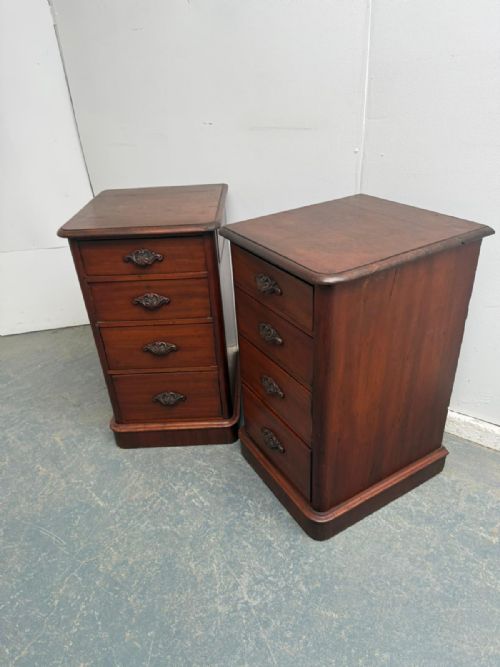
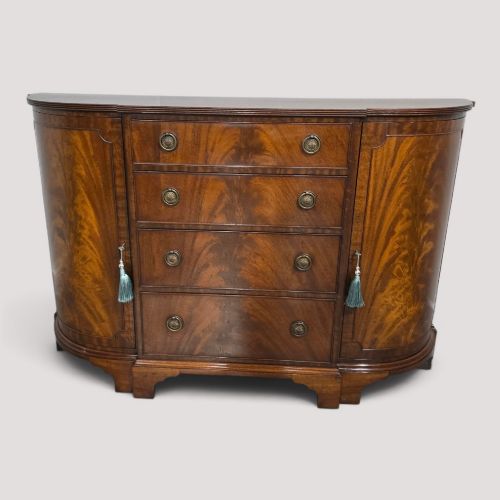
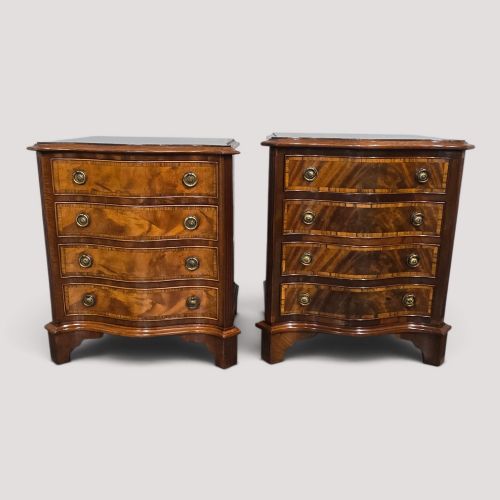
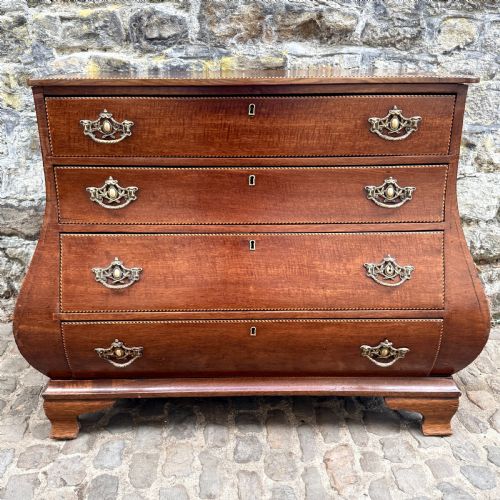
The layout typically involves three or four drawers, occasionally paired with cabinets or writing compartments. Mahogany and oak dominate the forms, reflecting the timber choices of the original period workshops.
Revival iterations from the early 20th century frequently adopt the proportions and styling of their 18th-century predecessors. This ensures a consistent aesthetic whether selecting an original period example or a later interpretation.
Judging Quality
The standard of execution in timber selection dictates the visual impact, particularly where flame mahogany or burr walnut veneers meet at seams. Grain continuity across drawer banks indicates deliberate craftsmanship.
Structural refinement shows in the crispness of mouldings and the precision of dovetail joints hidden within the drawers. Heavy proportions detract from the balance expected in period case pieces.
Originality of hardware and the retention of patination through age distinguish untouched examples from heavily restored counterparts.
Listings feature oak, mahogany, walnut, burr walnut, rosewood, and satinwood across the 18th century, Regency, and Edwardian periods.
Walker & Hall, Sheffield·Muirhead Moffat & Co
The Georgian Side Chest Glossary
- Lowboy
- A small table with drawers, typically raised on four tall legs, functioning as a dressing table or side storage. These pieces date predominantly from the 18th century.
- Bow-front
- A convex curved front facade characteristic of later Georgian case furniture. This shape softens the profile of a chest.
- Bachelors chest
- A compact chest of drawers featuring a fold-over top used for writing or dressing. They offer multi-functional utility within a modest footprint.
- Secretaire
- A cabinet or chest incorporating a fitted writing drawer with a drop-down front. Internal pigeon holes and small drawers provide secure storage for correspondence.
- Mule chest
- A large storage chest featuring one or two drawers at the base beneath the primary compartment. Oak and mahogany are the typical timbers for these hybrid forms.
Georgian Side Chest: Frequently Asked Questions
How do I spot a real Georgian piece?
Examine the drawer construction for hand-cut dovetails and inspect the secondary timbers used for drawer linings, such as oak or pine. Original hardware fixings and the absence of modern machine marks provide further confirmation of age.
Surface wear should align with the passage of time rather than appearing uniform. Comparing proportions against established period forms helps clarify authenticity.
Where should I place a side chest?
These compact pieces fit naturally beside a bed as lamp tables or against a hallway wall where floor space is limited. Their modest depth allows them to function in narrow corridors without obstructing movement.
They also serve effectively in living rooms as lamp stands or occasional storage units. The versatile scale bridges the gap between decorative display and practical utility.
Are revival pieces as good as originals?
Revival items from the early 20th century frequently employ quality mahogany and walnut, utilising traditional joinery methods that mimic 18th-century standards. While they lack the historical age of George II or Regency pieces, their construction is often robust.
Collector interest generally centres on original 18th-century pieces, yet revival cabinets offer a reliable alternative for daily domestic use.
How do I care for antique mahogany?
Apply natural beeswax periodically to nourish the dry wood and maintain a soft lustre. Avoid placing the furniture near direct heat sources or in strong sunlight to prevent timber shrinkage and fading.
Dust with a soft, dry cloth rather than using silicone-based sprays. Gentle handling preserves the historic finish and accumulated patina.