



Georgian Hot Water Urn
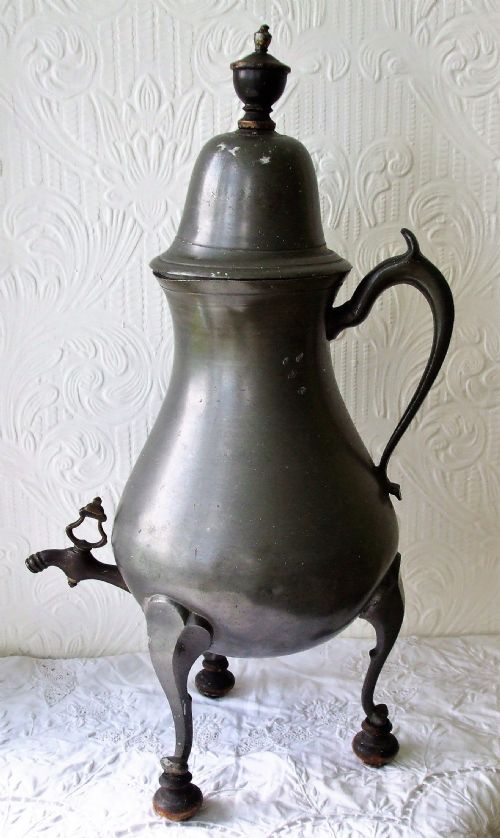
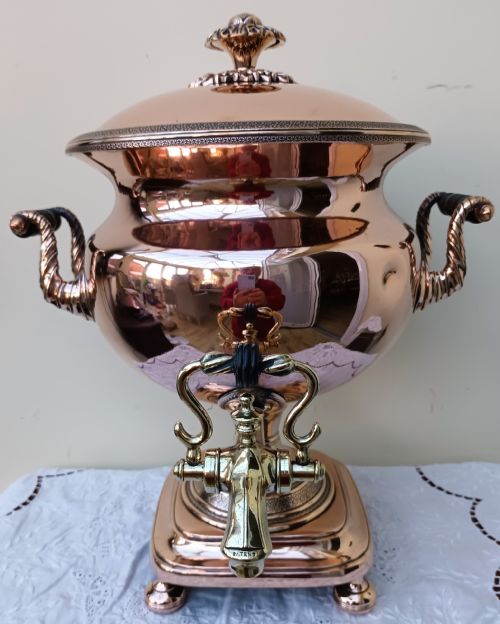
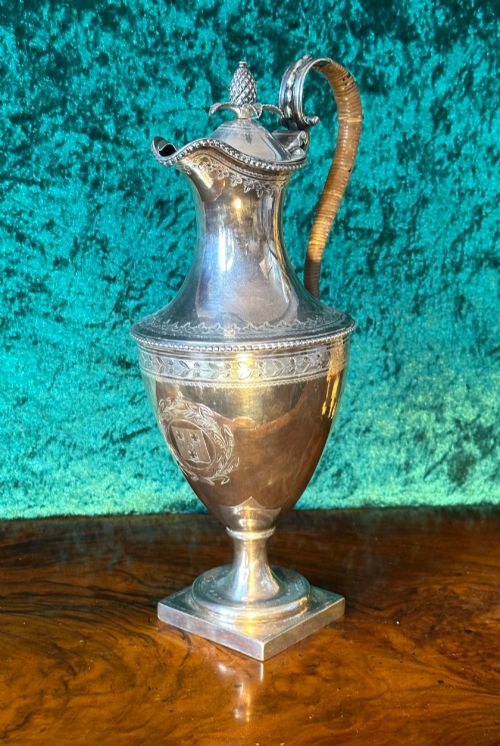
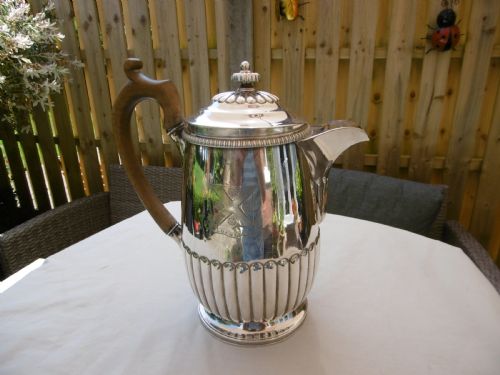
These georgian hot water urn pieces are formal silver, copper and pewter vessels built for serving tea or coffee in period interiors.
Georgian Hot Water Urn
A georgian hot water urn is a serving vessel designed for hospitality, taking forms such as samovars, coffee pots, tea urns, and coffee biggins. The listings show works originating across the Georgian, Regency, and George III periods, spanning the eighteenth and nineteenth centuries.
Most examples encountered on this page are fashioned from copper, often paired with brass or bronze fittings, alongside silver, silver plate, pewter, and sterling silver. Makers utilise styles ranging from standard Georgian and Regency to Georgian Neoclassical, reflecting the formal dining habits of the era.
How they were made
Construction relies heavily on metals such as copper, brass, bell metal, and pewter, formed into body shapes that accommodate internal heating elements or compartments. Craftsmen combined these base metals with sterling silver and Old Sheffield Plate for higher status serving vessels.
Details include original fittings, cast bronze elements, and applied crests, demonstrating specialised metalworking techniques used during the eighteenth and nineteenth centuries.
Georgian Hot Water Urn Retail Price Guide 2026
Typical asking prices for georgian hot water urn among the pieces listed under this phrase on Sellingantiques today, from the lower quarter to the upper quarter. They describe what is for sale here now, not the wider market.
Materials recorded across the selection include copper, brass, pewter, sterling silver, silver plate, and bell metal.
What varies in quality
Quality differentiates by the choice of material, ranging from standard pewter and copper up to substantial sterling silver works by notable silversmiths. The presence of original fittings and intact crests elevates the execution of a piece.
Ornamentation also separates standard utility pieces from ornate neoclassical samovars, with finely cast details and complex metal combinations marking the upper tier of the range.
Matthew Boulton·John Hoyland·Paul Storr
The Georgian Hot Water Urn Glossary
- Samovar
- A heated metal vessel traditionally used to boil water for tea. These large containers often feature spigots and internal heating pipes.
- Old Sheffield Plated
- A composite material made by fusing a thin sheet of silver to a thicker copper base. This technique was widely utilised before the invention of electroplating.
- Bell Metal
- A hard alloy used for bells and specific vessel components, consisting primarily of copper and tin. It provides durability and a resonant quality.
- Coffee Biggin
- A type of coffee pot equipped with an internal fabric or metal straining bag for infusion. They appear on stands in sterling silver during the Regency era.
Georgian Hot Water Urn: Frequently Asked Questions
What is a georgian hot water urn used for?
These vessels served water for tea and coffee during formal dining and social gatherings in the eighteenth and nineteenth centuries. They provided a continuous supply of hot water at the table.
Hosts used them in drawing rooms and dining rooms, operating the spigot to fill individual cups or pots as guests required.
How do I identify a Regency period samovar?
Regency pieces often display neoclassical design influences, utilising bronze, copper, and brass with distinct geometric or classical proportions. They date from the late eighteenth century into the early nineteenth century.
Checking the style, materials, and any associated crests helps place the object within this specific design era.
How do I care for antique metal serveware?
Care depends on the specific metal, whether it is silver, copper, pewter, or plated ware. Gentle cleaning preserves the historic surfaces and original fittings.
Avoiding harsh abrasives protects the patination and any applied crests or delicate hardware.