
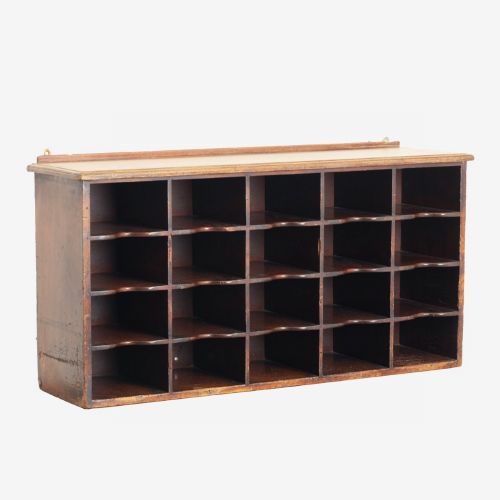


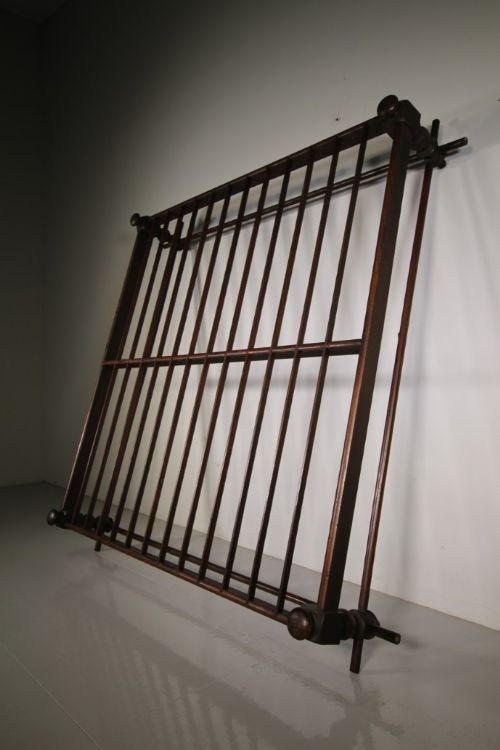


Georgian Hanging Rack
A georgian hanging rack offers enduring utility for wall storage, bringing period character and timber warmth straight to your kitchen or study.
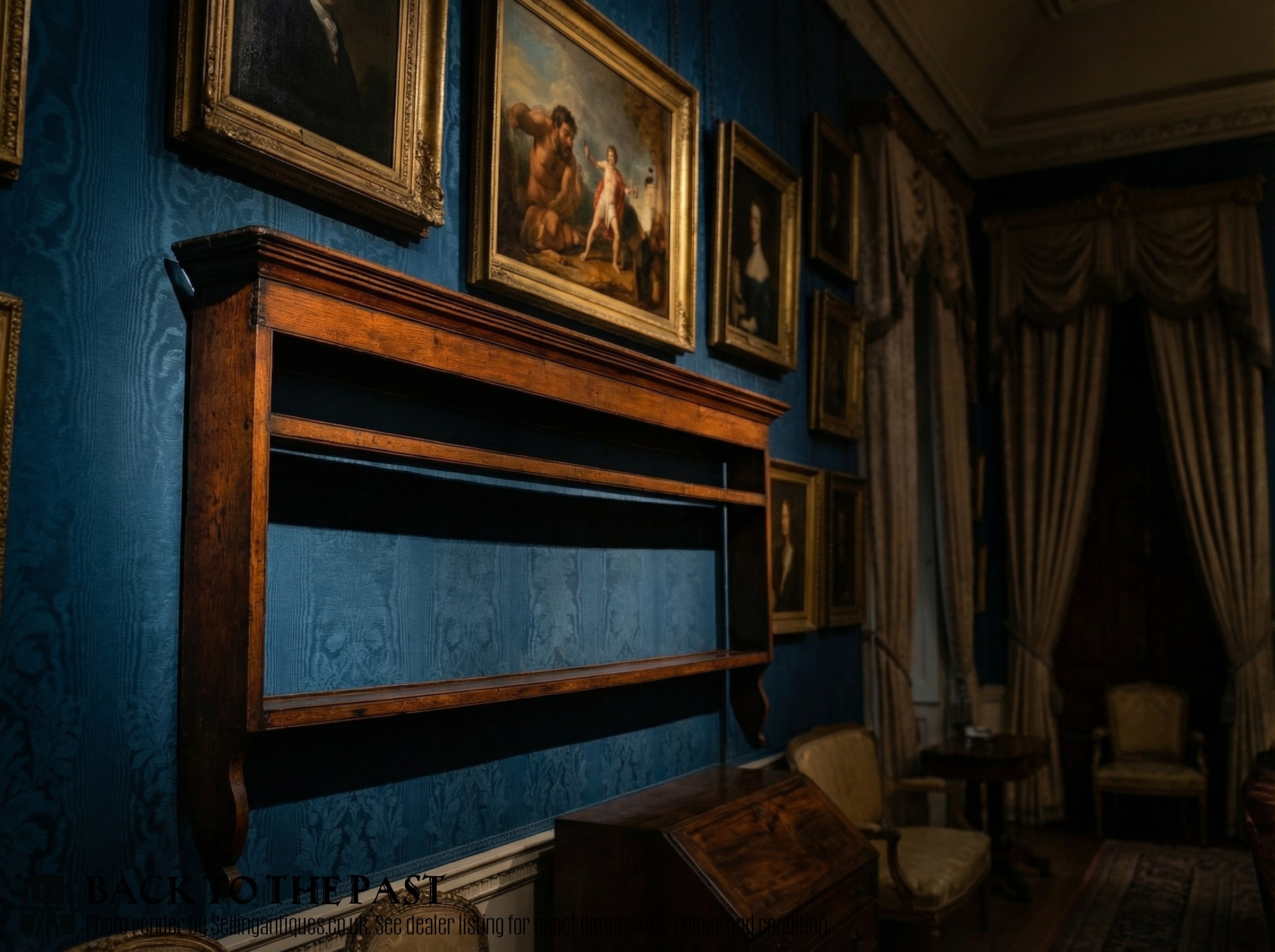
Georgian Hanging Rack
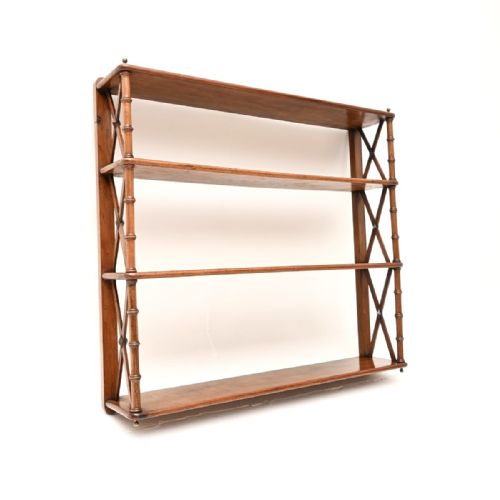
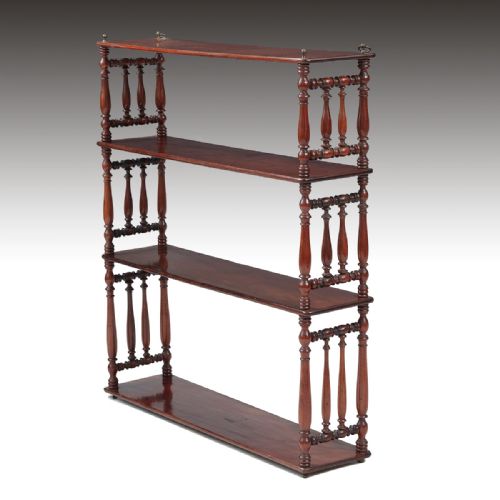
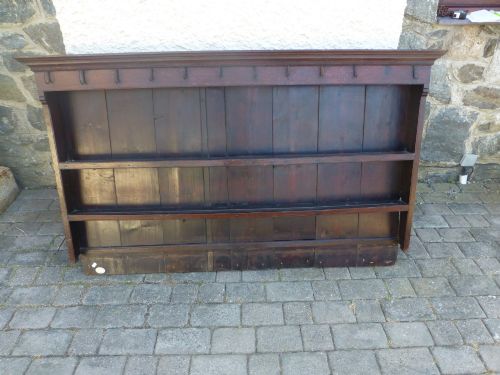
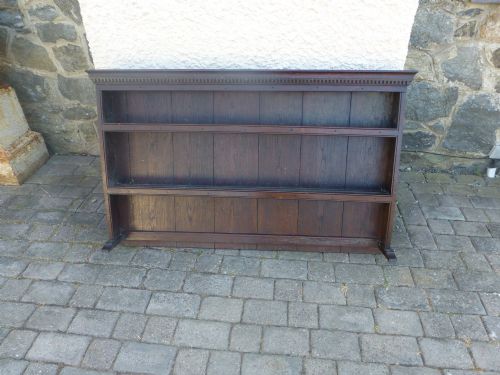
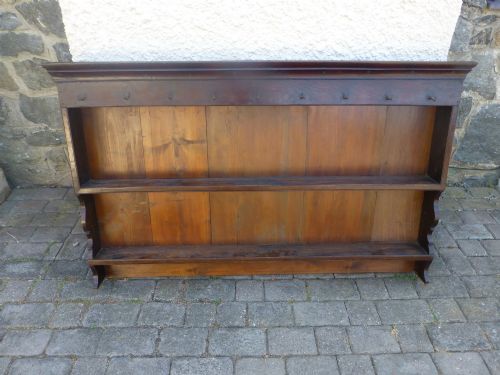
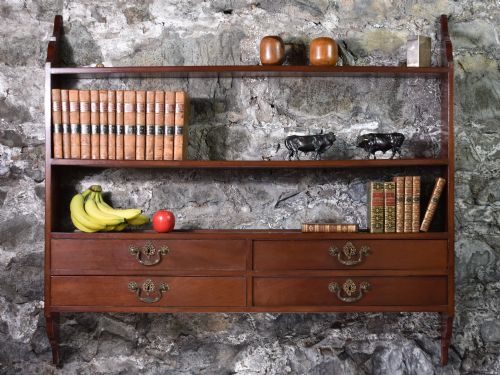
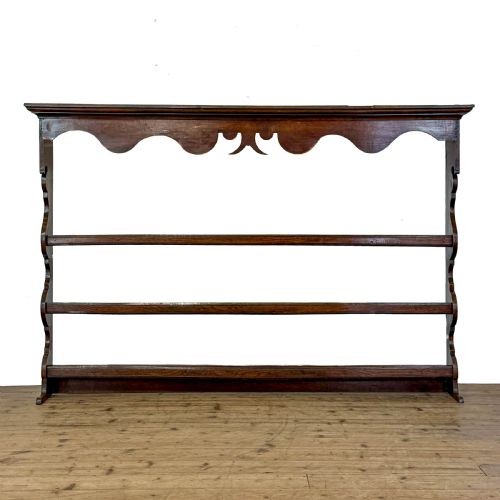
When you search for a georgian hanging rack, you find wall-mounted storage forms ranging from kitchen plate and delft racks to bookshelves and spoon racks. These pieces were designed to keep domestic items visible, organised and close to hand in period homes.
The version you are most likely to meet on this page is an oak or mahogany wall rack originating from the eighteenth or early nineteenth century. Surviving examples encompass simple rustic farmhouse formats alongside finer George III and Regency library or parlour shelves.
How they were made
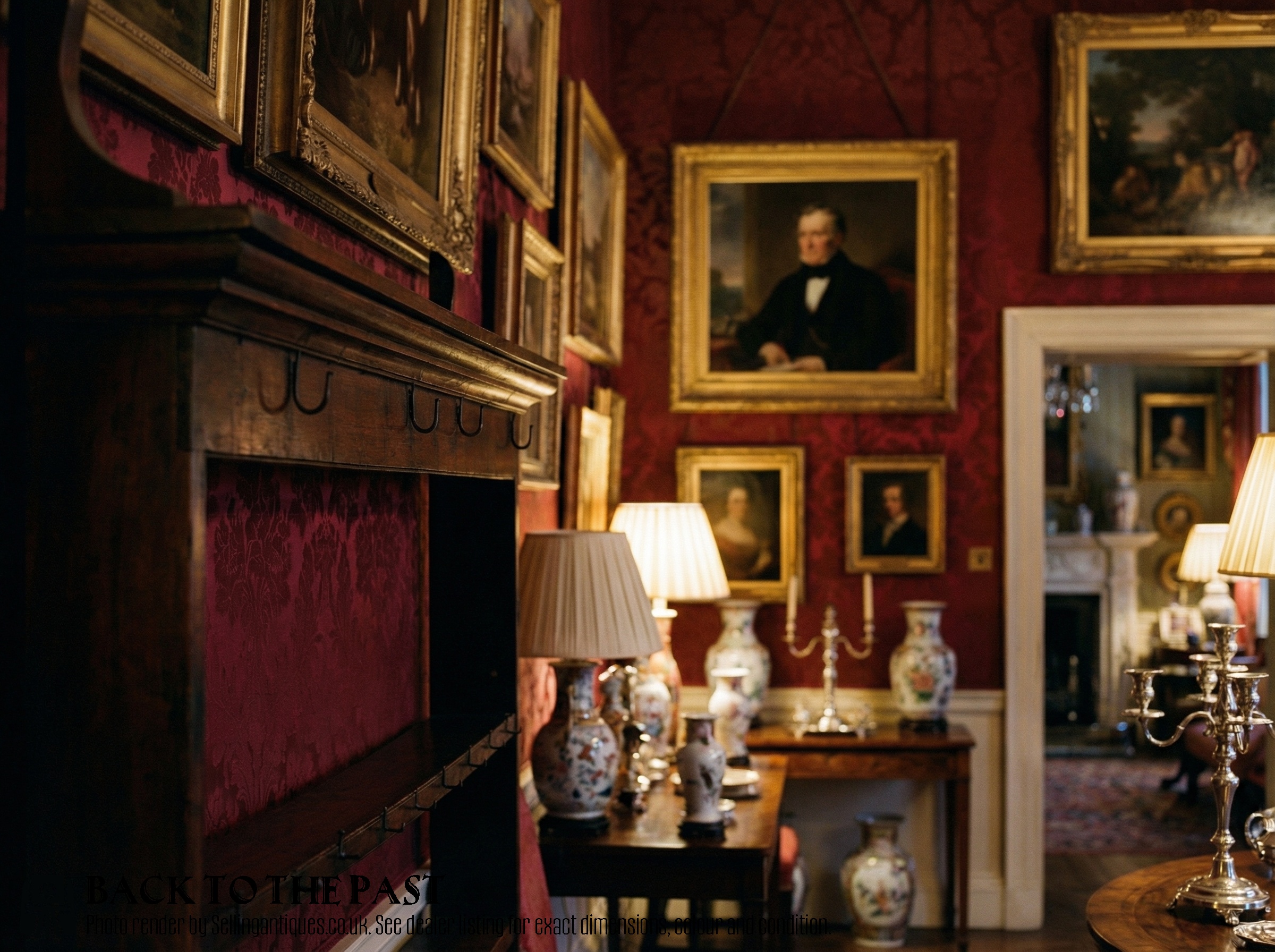
Cabinetmakers and country joiners constructed these racks primarily from native oak and imported mahogany, occasionally incorporating pine, walnut, and wrought iron or brass fittings. Timber boards were joined using traditional methods to build sturdy backplates, uprights, and plate rails.
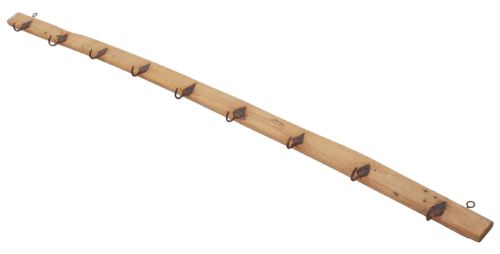
Finer examples utilise decorative fretwork, subtle inlay work, or shaped sides to elevate their appearance beyond plain utility. Iron hooks and brass details appear on kitchen game racks and hanging wall shelves, adding functional metalwork to the wooden framework.
Listings span the eighteenth and nineteenth centuries, featuring oak, mahogany, walnut, and pine across plate racks, bookshelves, and game hook racks.
What varies in quality
The distinction between a standard utility rack and a superior piece lies in the choice of timber, the crispness of any fretwork or mouldings, and the integrity of the original structure. Dense, well-figured oak and richly patinated mahogany command greater appreciation.
Proportions and surface preservation also dictate standing, as untouched period patination and original hanging points elevate a piece. Lesser examples might show heavy alterations, replacement timbers, or a stripped finish that removes the historical depth.
The Georgian Hanging Rack Glossary
- Delft rack
- A wall-mounted wooden rack specifically designed to display ceramic plates and platters upright. These rows often feature front retaining bars or grooves.
- George III
- The stylistic period spanning from 1760 to 1820, characterised by refined cabinetmaking and classical proportions. Pieces from this era frequently employ mahogany.
- Fretwork
- Openwork ornamentation cut into thin boards using a fine saw. This technique appears on the friezes or side panels of better quality racks.
- Pigeon holes
- Small, open compartments grouped together within desk organisers or desktop shelving units for sorting letters and documents. They represent the more compact category of hanging or desktop storage.
- Patina
- The surface sheen and colour developed by aged wood through decades of handling, cleaning, and exposure to light. Original patina is a key indicator of authenticity.
Georgian Hanging Rack: Frequently Asked Questions
How were hanging racks used?
These pieces served practical storage roles in domestic spaces, holding ceramic plates, spoons, books, or kitchen game.
Kitchen racks kept everyday tableware accessible, whilst smaller desktop pigeon holes and bookshelves organised writing materials in the study.
How do I date a hanging rack?
Dating relies on timber species, construction joints, and stylistic details associated with periods like the eighteenth century or Regency era.
Earlier pieces often use heavy oak with hand-cut boards, whereas later Regency examples typically feature mahogany construction and lighter proportions.
Are these racks suitable for modern walls?
Most hanging racks feature integrated hanging points or sturdy back structures designed to bear weight when properly secured to a wall.
Fixing them securely into structural studs or using appropriate wall anchors ensures they safely hold plates, books, or decorative objects.
What is the difference between a plate rack and a bookshelf?
Plate racks incorporate narrow display shelves with front rails or grooves to keep ceramic plates leaning safely at an angle.
Bookshelves feature flat, deeper horizontal surfaces designed to hold volumes upright between vertical dividers or side panels.