

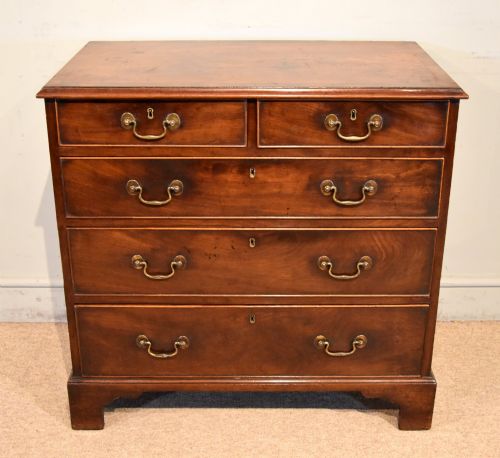
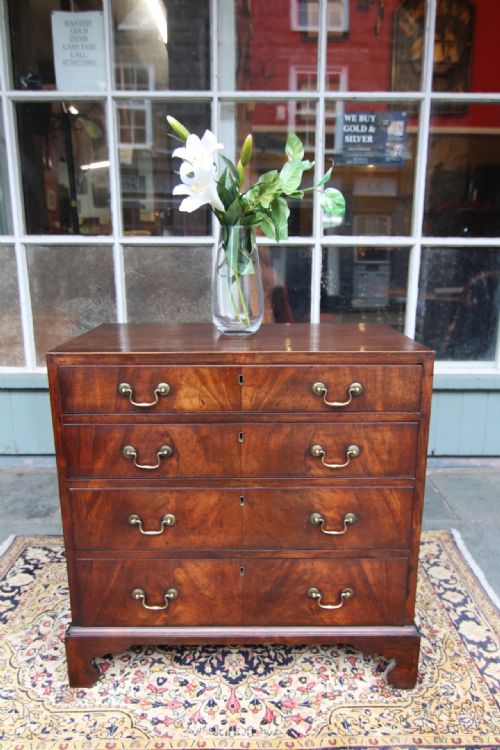
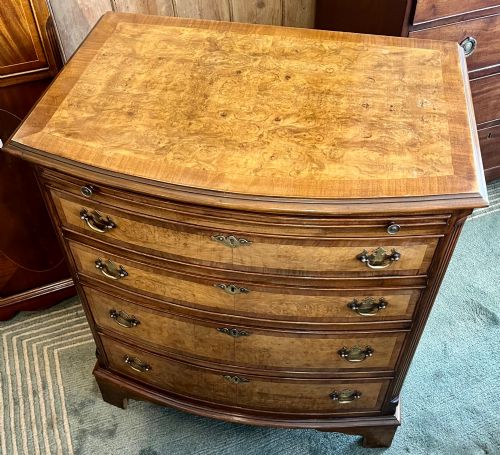
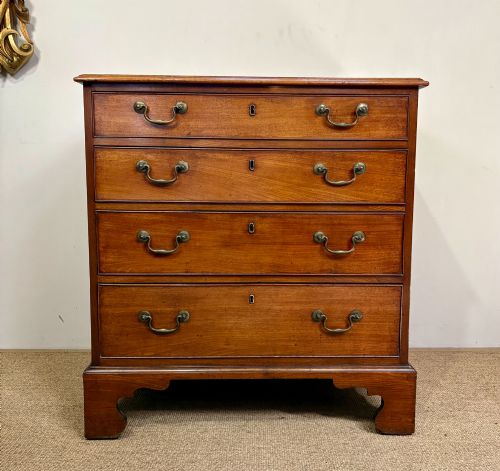



Georgian Graduated Chest
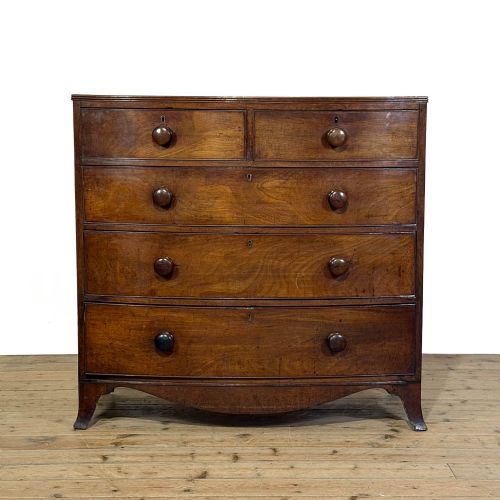
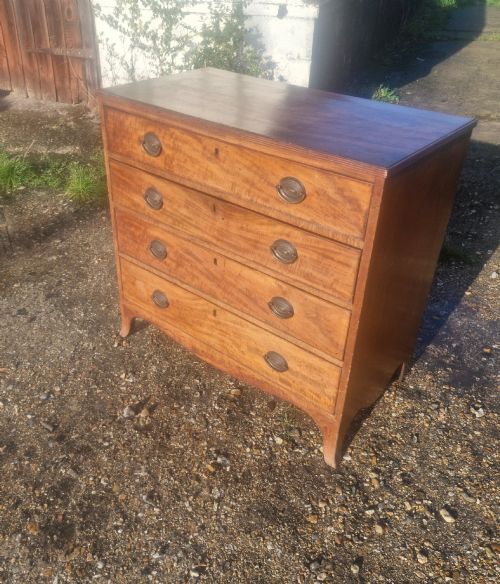
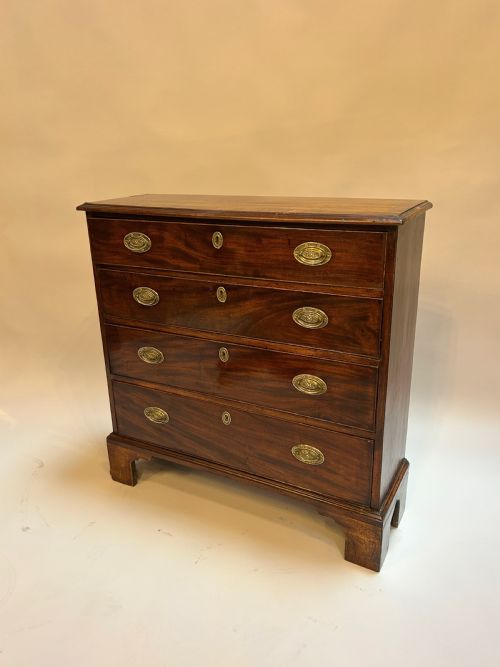
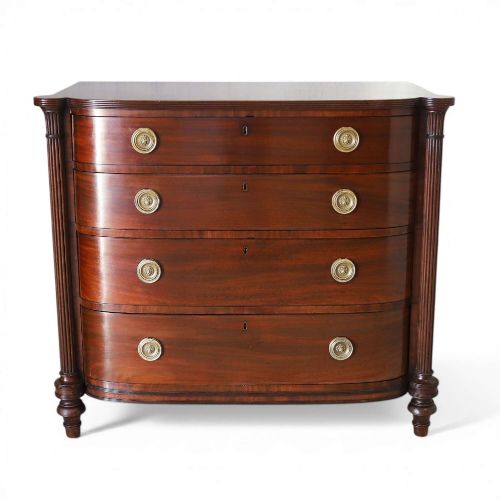
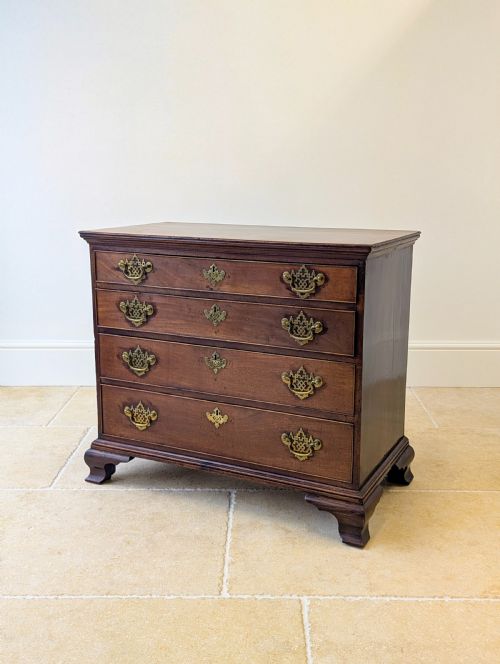
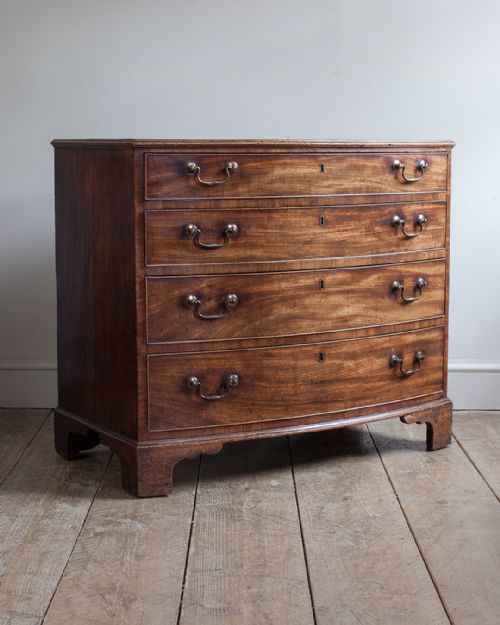
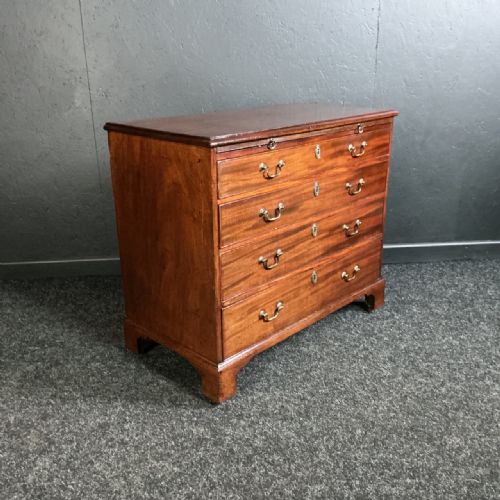
A georgian graduated chest offers deep, timber drawers that step down in size, giving any room a grounded, architectural presence.
Georgian Graduated Chest
When you search for a georgian graduated chest, you find case furniture designed with drawers that decrease in depth from bottom to top. These pieces belong predominantly to the eighteenth century and the Georgian period, though nineteenth-century iterations also appear.
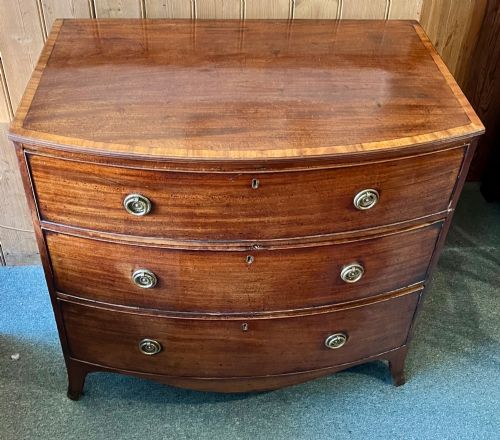
The form is most commonly met as a mahogany chest of drawers, often featuring bow fronts or serpentine shapes. Oak, cedar, rosewood, and yew wood also form the carcasses of these storage items.
Makers of the era built these chests in various proportions, including small proportions and dressing chest formats. Pieces range from simple four-drawer layouts to taller chest on chest constructions.
How they were made
Cabinet makers constructed the primary carcasses and drawer linings using timbers such as mahogany, oak, and cedar. Flame mahogany veneers and rosewood frequently face the drawer fronts to provide figured grain patterns.
Brass hardware, including handles and escutcheons, fastens to the drawer faces and supports the operational use of each tier. Dovetail joints typically secure the drawer construction, ensuring durability across the centuries.
Georgian Graduated Chest Retail Price Guide 2026
Typical asking prices for georgian graduated chest among the pieces listed under this phrase on Sellingantiques today, from the lower quarter to the upper quarter. They describe what is for sale here now, not the wider market.
Mahogany, oak, and cedar dominate the primary wood selections across these listings, alongside rarer rosewood and yew wood.
What varies in quality
The selection of timber grain dictates much of the visual merit, with highly figured flame mahogany sitting above plain boards. The subtlety of the graduated drawers and the crispness of the serpentine or bow front profiles show the maker's hand.
Proportion defines the better examples, particularly pieces made in small proportions that maintain balanced lines. The retention of original brass fittings and secondary timbers like oak or cedar influences the integrity of the piece.
The Georgian Graduated Chest Glossary
- Graduated drawers
- Drawers that decrease in depth progressively from the bottom to the top of the chest. This arrangement creates a balanced visual perspective.
- Bow front
- A convex curved front profile popular in Georgian case furniture. It softens the rectangular outline of the chest.
- Serpentine front
- A chest front featuring a concave centre flanked by convex ends, or the reverse. This undulating form requires advanced woodworking skill.
- Chest on chest
- A tall storage unit formed of one chest stacked directly on top of another. It provides substantial capacity whilst occupying a modest floor footprint.
- Flame mahogany
- Mahogany timber cut to reveal a flamelike pattern in the grain. It was utilised on high-status drawer fronts.
Georgian Graduated Chest: Frequently Asked Questions
How do I identify a Georgian chest?
Look at the timber selection, drawer construction, and overall proportions. Eighteenth-century pieces frequently utilise solid mahogany or oak with hand-cut dovetails.
Examine the backboards and drawer linings for signs of age and tool marks consistent with period cabinet making.
Where should I place this chest?
These chests suit bedrooms, hallways, or living spaces where surface area and drawer storage are both required. Their timber tones anchor neutral and traditional interiors alike.
Ensure placement avoids direct sunlight and radical humidity changes to protect the mahogany or rosewood veneers.
How do I care for antique wood?
Dust the timber regularly with a soft, dry cloth to prevent particulate buildup. Apply traditional beeswax occasionally to nourish the polished surface.
Keep the chest away from heat sources such as radiators to prevent the wood from splitting or warping.