




Georgian Glass Pedestal Stand
A georgian glass pedestal stand brings immediate height and sparkle to a table, combining practical serveware with exceptional eighteenth-century form.
Georgian Glass Pedestal Stand
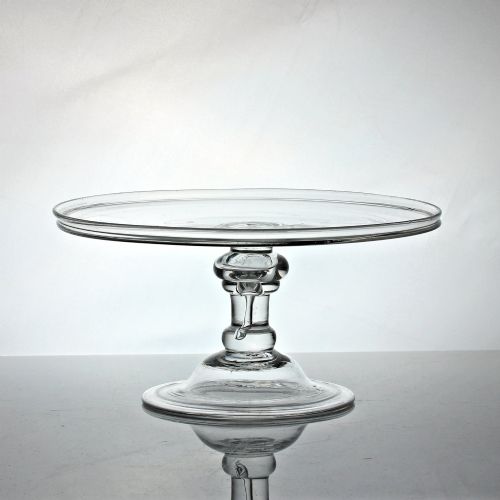
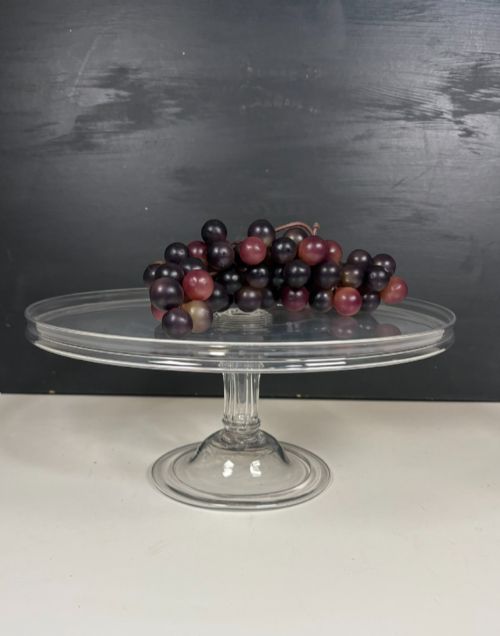
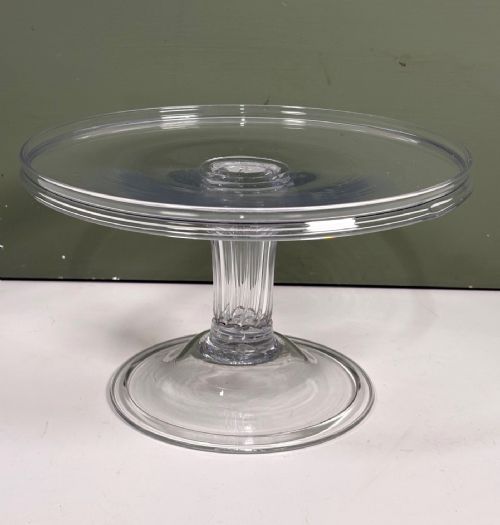
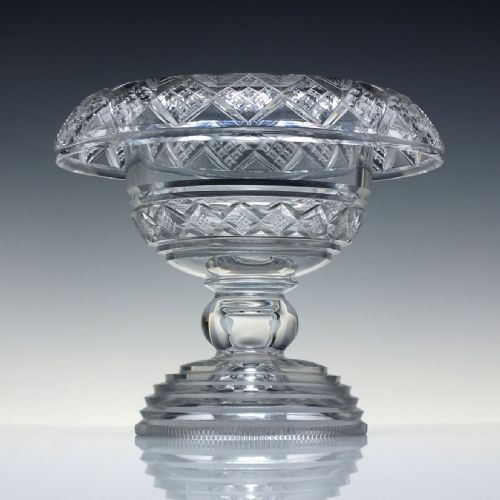
A georgian glass pedestal stand comprises raised forms such as tazzas, patch stands, centrepiece bowls, and sweetmeat glasses designed for display and serving during the eighteenth century and around 1800. These pieces elevate small confections, patches, or sweetmeats above the table surface on distinct stems and feet.
The specimens seen here span the Georgian, George II, and early Georgian periods, reaching from circa 1730 through the eighteenth century into the early nineteenth century. Buyers will frequently encounter miniature patch stands from the 1740s alongside larger tazzas and standing bowls from later decades.
How they were made
These objects utilise lead glass, lead crystal, flint glass, and clear glass shaped through blowing and moulding techniques. Makers employed rib-moulding and honeycomb moulding to create tactile surface patterns on miniature patch stands and larger vessels.
Cut glass examples demonstrate the later application of wheel-cutting to achieve faceted decoration on standing bowls. Artisans combined these techniques to balance structural stability in the pedestal with clarity in the bowl.
Current listings span the eighteenth century and the year 1800, featuring lead glass, flint glass, and cut glass forms.
What varies in quality
Quality rests in the crispness of the moulded or cut details, such as the distinctness of honeycomb patterns on early pieces versus softer forms. The brilliance and weight of the lead glass or flint glass also dictate the visual presence of the pedestal stand.
Proportion between the foot, stem, and top plate separates standard utility pieces from finer examples. Miniature patch stands with sharp rib-moulding and well-balanced baluster stems represent the higher tiers of craftsmanship.
The Georgian Glass Pedestal Stand Glossary
- Tazza
- A shallow bowl or plate raised on a pedestal foot, used for serving food or sweetmeats. These form a significant portion of the larger elevated tableware.
- Patch stand
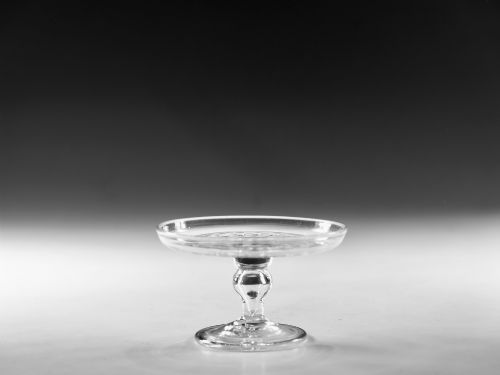
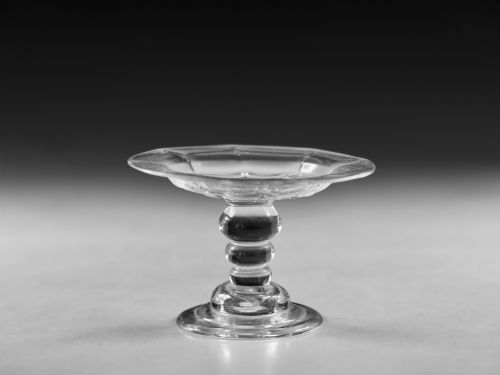
- A small pedestal dish historically used to hold cosmetic beauty patches worn on the face. Miniature versions from the seventeen-forties display delicate proportions.
- Sweetmeat glass
- A stemmed vessel designed for small sugary treats, sharing forms with patch stands and tazzas. They often feature rib-moulding or baluster stems.
- Lead glass
- Glass containing lead oxide, known for its high refractive index and weight. This material provides the characteristic clarity found across eighteenth-century English items.
- Baluster
- A thickened, architectural stem shape resembling a column, frequently supporting Georgian drinking vessels and tall serveware.
Georgian Glass Pedestal Stand: Frequently Asked Questions
What were georgian glass pedestal stands used for?
These elevated pieces served confectionery, sweetmeats, and small delicacies at fashionable dining tables. Miniature versions specifically held cosmetic face patches.
Their raised design kept precious items visible and protected them from spills during communal dining.
How do I date a glass pedestal stand?
Dating relies on stylistic clues like baluster stems, rib-moulding, and honeycomb patterns associated with the seventeen-thirties and forties. Later pieces from around eighteen hundred feature broader cut-glass decoration.
Handle weight and material composition also help distinguish mid-eighteenth-century lead glass from early nineteenth-century equivalents.
Are these stands safe to use today?
Most buyers treat eighteenth-century glass serveware as decorative display items rather than functional tableware. The historic lead glass requires careful handling and gentle washing.
Placing them away from high-traffic table edges preserves their delicate stems and moulded rims.
What is the difference between a tazza and a patch stand?
A tazza is generally larger, functioning as a centrepiece bowl or wide serving plate on a foot. A patch stand is a miniature version built on a smaller scale.
Both utilise the same pedestal construction but serve distinct scale requirements on the table.