


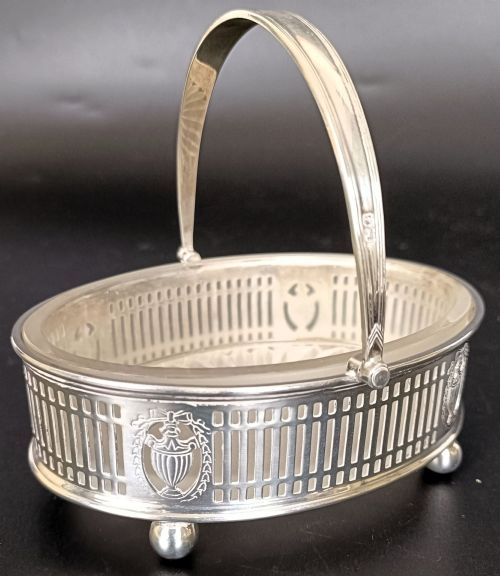

Antique Sweetmeat Glass
An antique sweetmeat glass is a delicate vessel designed for confections, bringing eighteenth-century dining ceremony to the table.
Antique Sweetmeat Glass
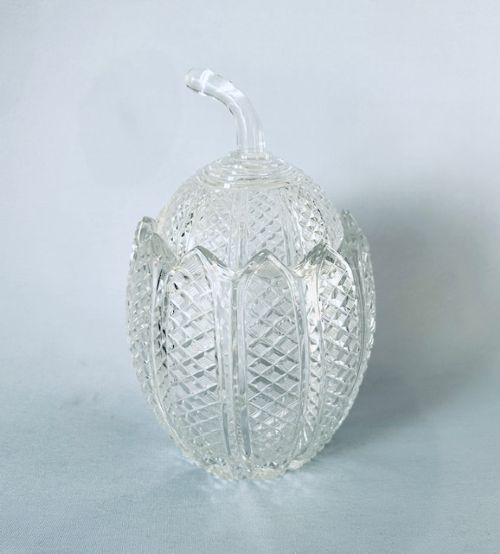
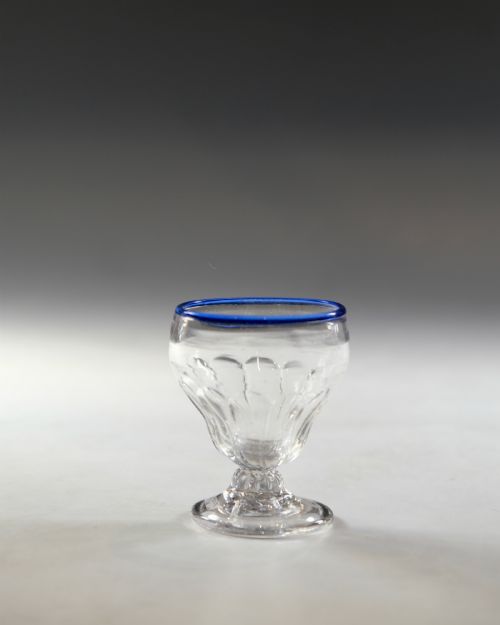
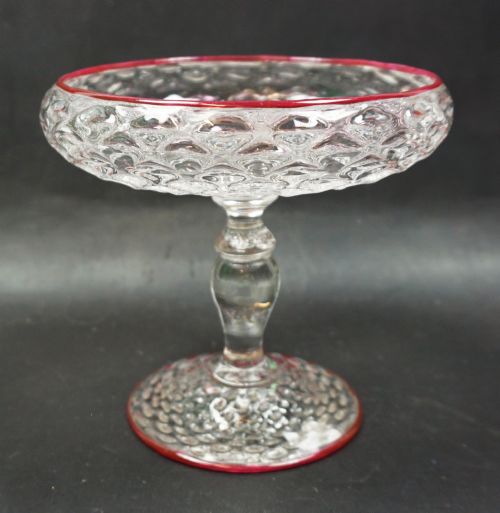
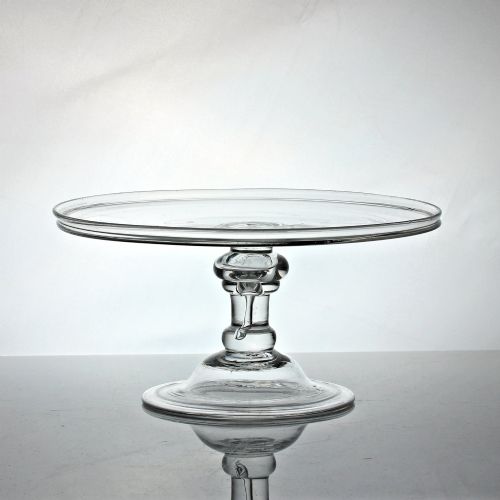
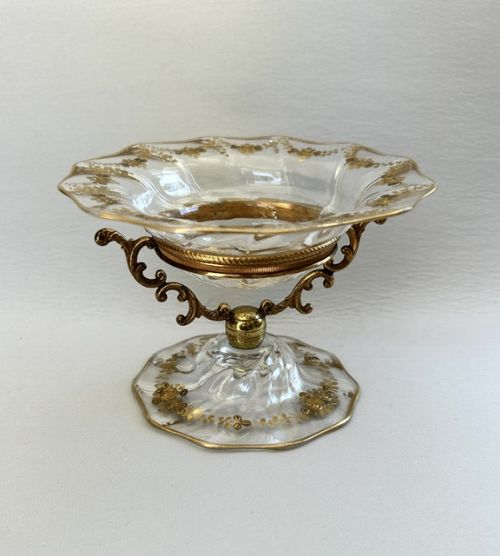
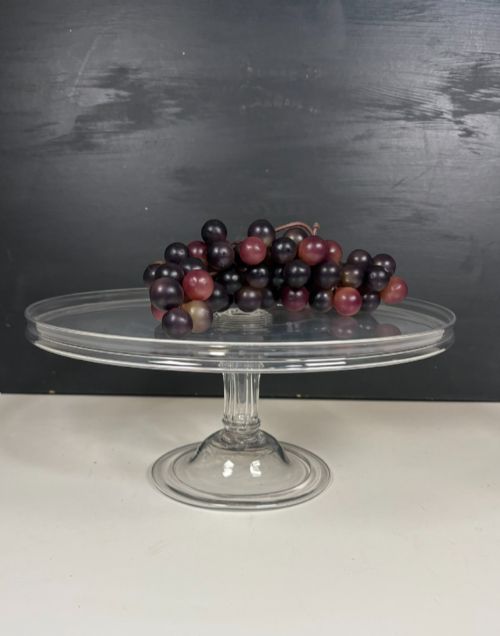
When you search for an antique sweetmeat glass, you encounter pieces designed for serving small sweet treats, nuts, or preserves during the Georgian and later periods. These forms include tall-stemmed glasses, tazzas, patch stands, and bonnet glasses featuring shaped or moulded bowls.
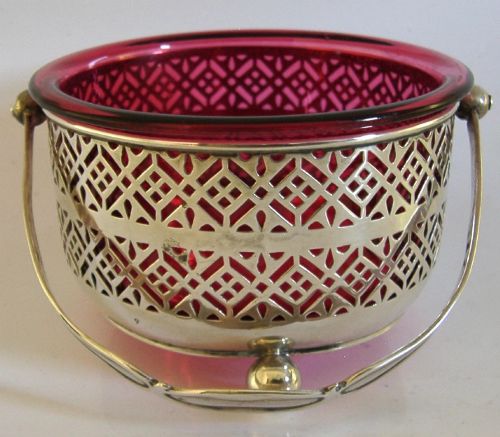
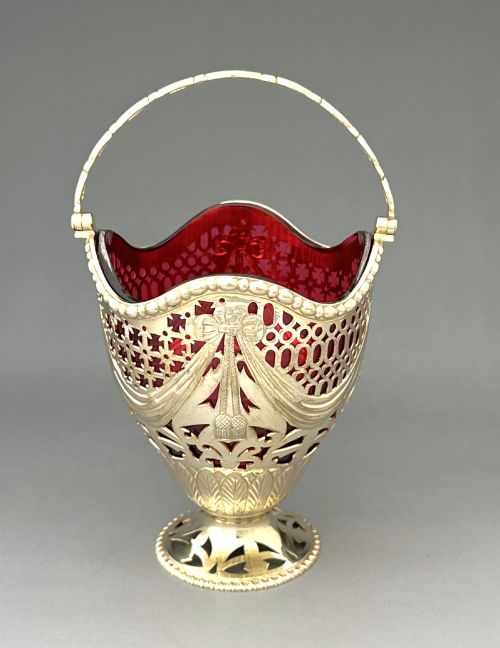
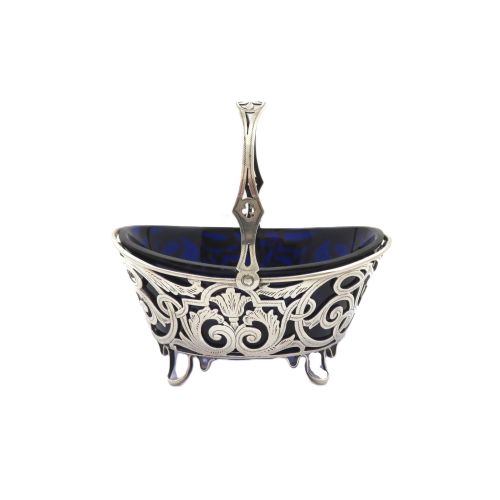
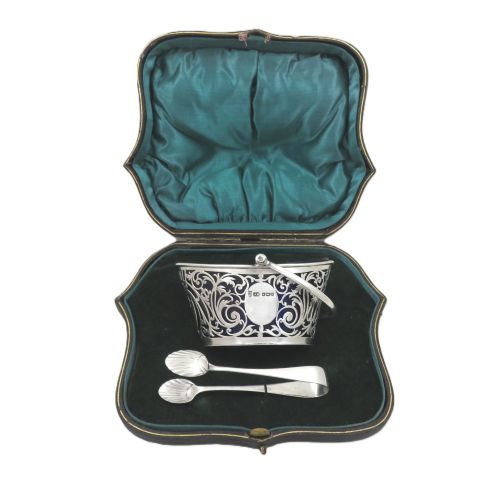
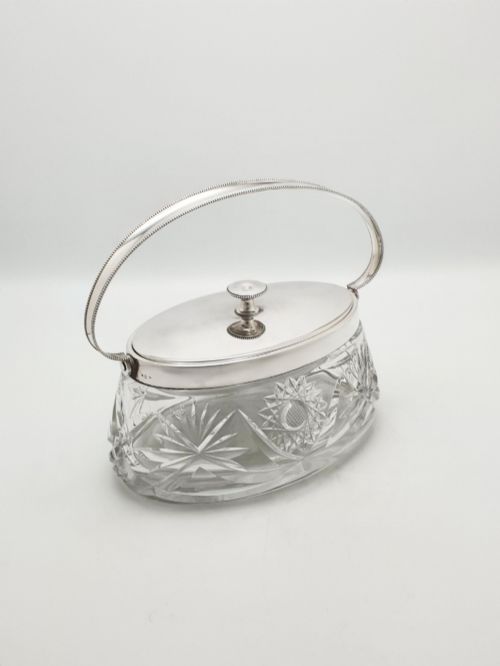
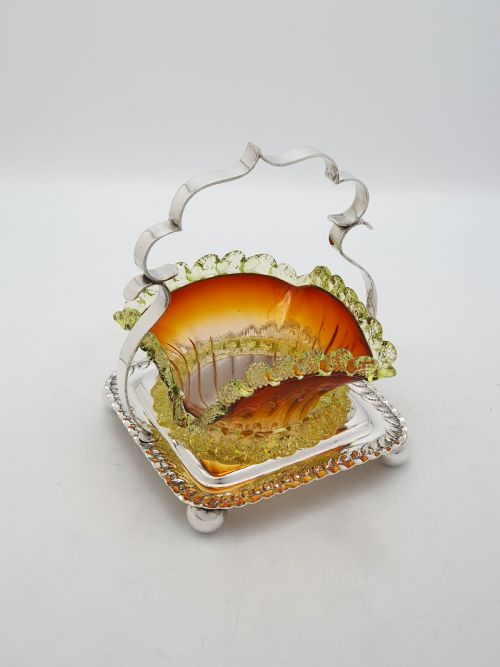
The 18th century examples often display baluster stems, opaque twists, or terraced feet, reflecting the sophisticated glassmaking of the Georgian era. Later iterations extend into Victorian cut glass dishes and Edwardian baskets with coloured liners.
Materials and Construction
Makers utilised lead glass, lead crystal, and clear glass, frequently combining them with sterling silver, silver gilt, or plated mounts. Techniques involve free-blowing, mould-blowing, and intricate cutting to achieve honeycomb patterns or faceted stems.
A nineteenth-century Black Forest bear holds court among the glassware.
Distinctions in Quality
Quality rests in the crispness of the cutting, the complexity of the stem formation such as double series opaque twists, and the proportional harmony of the foot and bowl. Early baluster examples with solid metal and sharp moulding command greater attention from collectors.
The integration of precious materials, including hallmarked sterling silver frames or gilt mounts by recorded makers, elevates the standing of later Victorian and Edwardian items. Clarity of the glass and the absence of heavy wear indicate superior preservation.
Aldridge & Green·Baccarat·William Comyns·George Fox·Viners·WMF
The Antique Sweetmeat Glass Glossary
- Sweetmeat glass
- A tall-stemmed vessel intended for serving dry sweet confectioneries, sweetmeats, or nuts. These typically date from the Georgian period and feature elaborate stems.
- Tazza
- A shallow ornamental bowl raised on a high foot or stem. This form serves fruit, sweetmeats, or small cakes on the dining table.
- Patch stand
- A small circular glass dish on a short foot used during the eighteenth century for holding cosmetic face patches. They share similar diminutive forms with early sweetmeat glasses.
- Opaque twist
- A decorative stem formation enclosing white or coloured enamel glass threads within the clear metal. This technique is characteristic of mid-eighteenth-century English glass.
- Bonnet glass
- An 18th century vessel with a flared bowl, often ribbed or fluted, resembling the shape of contemporary headwear. These pieces functioned as sweetmeat or dessert containers.
Antique Sweetmeat Glass: Frequently Asked Questions
What is an antique sweetmeat glass used for?
These vessels served preserved fruits, nuts, sweetmeats, and confectioneries at formal dining tables during the eighteenth century and later periods.
They stood centrally or amongst other table wares to present small luxury morsels to guests between courses.
How do I tell an 18th-century sweetmeat glass apart from later copies?
Eighteenth-century examples display pontil marks on the underside, heavier lead metal content, and authentic wear consistent with age.
Stem formations like balusters or air and opaque twists also provide strong chronological indicators for Georgian production.
How should I display and care for antique glass?
Display these pieces in stable cabinets away from direct sunlight and sources of extreme temperature fluctuation to protect the material.
Clean them gently by hand using lukewarm water and mild soap, avoiding harsh scrubbing or ultrasonic immersion.