





Decorative Glass Dish
When you search for a decorative glass dish, you are looking at table vessels shaped for display from the nineteenth and twentieth centuries.
Decorative Glass Dish
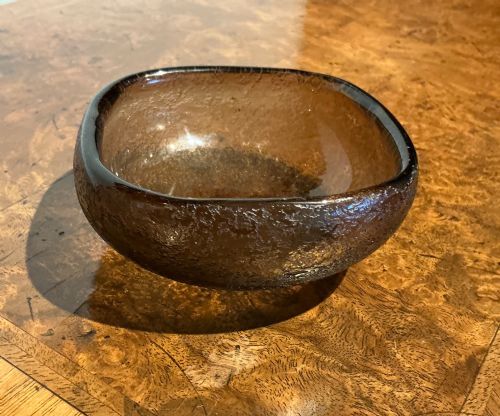
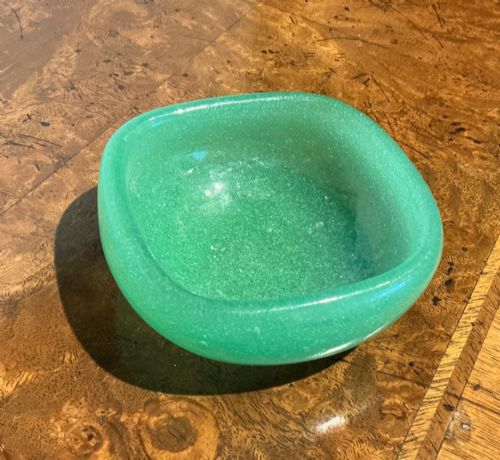
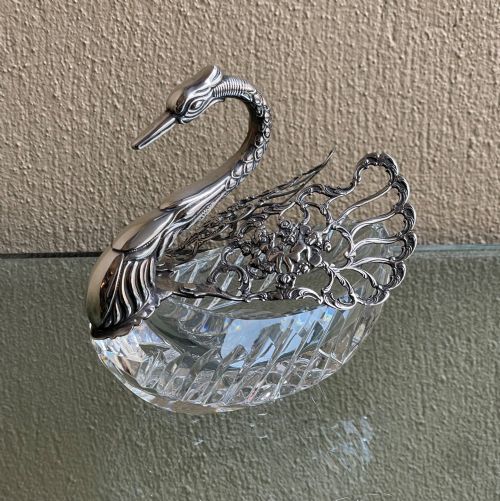
A decorative glass dish serves primarily as a centrepiece or display vessel rather than everyday tableware. These pieces range from shallow plates and bowls to footed tazzas created across various periods.
The selections available here span Victorian and Edwardian iterations alongside strong modernist designs from the Art Deco and Mid-Century Modern movements. French makers feature prominently alongside English and Belgian examples.
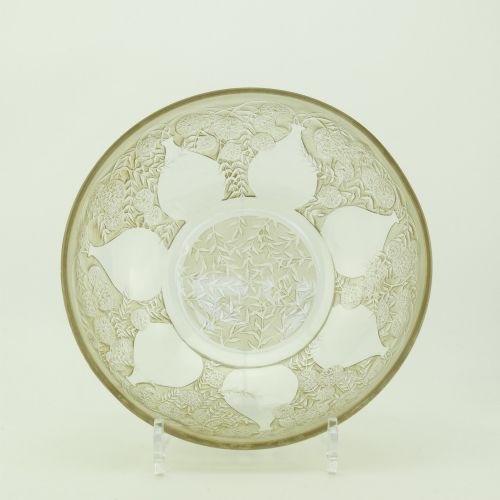
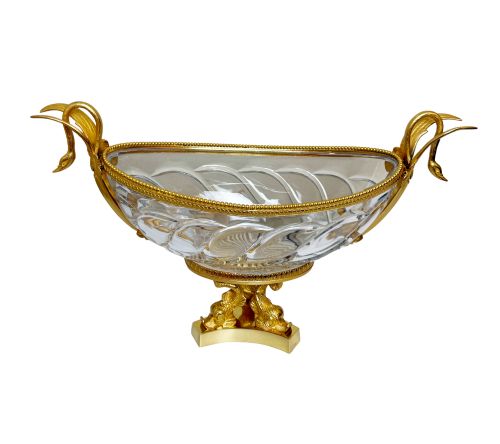
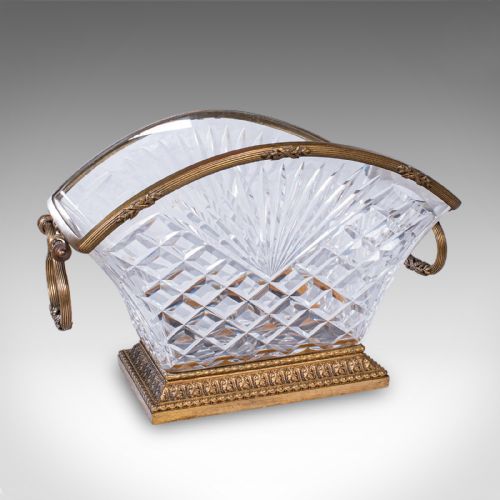
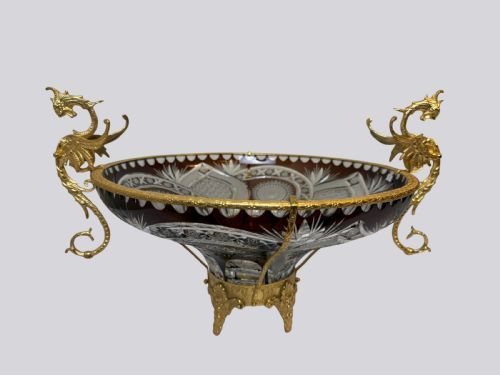
Buyers encounter distinct forms such as opalescent shallow bowls, moulded plates, and coloured glass centrepieces mounted in bronze or ormolu mounts.
Distinctions in quality
Quality rests upon the crispness of the moulded relief and the depth of the glass medium, particularly in opalescent and pate de verre pieces where light interaction matters. Subtlety in staining and uniformity in colour saturation separate standard output from finer studio work.
The integration between the glass vessel and any metal mountings reveals the maker's hand. Well-fitted ormolu or bronze mounts show precise casting and secure attachment without disrupting the silhouette of the dish.
Some vessels feature dogs chasing each other around the rim while mermaids gaze out from the base.
Rene Lalique·Venini·Daum France·Val St Lambert·Loetz·François-Eugène Rousseau·Baccarat·William Comyns·Monart Glass·Salviati
The Decorative Glass Dish Glossary
- Opalescent Glass
- Glass that appears milky bluish in transmitted light and warm amber or yellowish in reflected light. This optical property creates a characteristic milky translucence popular in twentieth-century designs.
- Ormolu
- Gilded bronze used for mounts and decorative fittings on nineteenth-century vessels. The technique involves applying a gold amalgam to a bronze base.
- Pate de verre
- A glass-casting method where finely crushed glass is packed into a mould and fused in a kiln. This process produces rich colour and a dense, frosted texture.
- Latticinio
- Venetian glass technique embedding fine white or coloured glass threads within clear glass. It creates delicate linear patterns throughout the vessel.
- Tazza
- A shallow ornamental bowl or cup mounted on a stem and foot. These elevated dishes are designed to sit prominently as centrepieces.
Decorative Glass Dish: Frequently Asked Questions
What is a decorative glass dish used for?
These vessels were created primarily for display, serving as table centrepieces or ornamental containers for sweets, potpourri, and small items.
They sit flat on tables, consoles, or sideboards to catch and reflect light in domestic interiors.
How do I identify Art Deco glass dishes?
Art Deco pieces typically display stylised floral motifs, geometric symmetry, or moulded figurative reliefs in opalescent or clear glass.
Look for robust forms produced by major European workshops during the interwar period.
Are these glass dishes suitable for daily use?
Most of these pieces are decorative objects meant for display rather than robust daily dining service.
Their delicate moulded details, metal mounts, and historic materials require careful handling and gentle cleaning by hand.
How do I date an antique glass dish?
Dating relies on stylistic markers associated with periods like Victorian, Art Nouveau, or Art Deco, combined with manufacturing techniques.
Maker marks, signatures etched into the glass, and the presence of metal mounts often provide specific chronological context.