
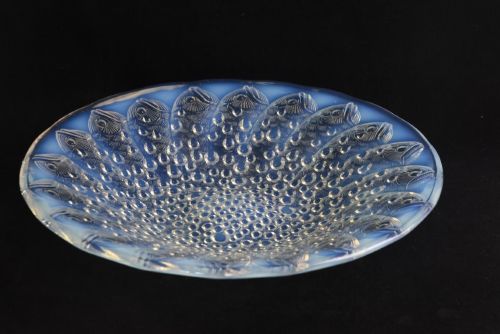


Lalique Opalescent Glassware
Lalique opalescent glassware combines milky translucent glass with Art Deco forms, offering collectors tactile objects from the early twentieth century.
Lalique Opalescent Glassware
When you search for lalique opalescent glassware, you encounter decorative items produced during the 1920s and 1930s. The selection focuses on vessels and table items designed with distinct sculptural reliefs.
The most frequent forms on this page include vases, decorative bowls, and plates. Pieces such as the Roscoff, Ceylan, and Coquilles models represent the core output from this period.
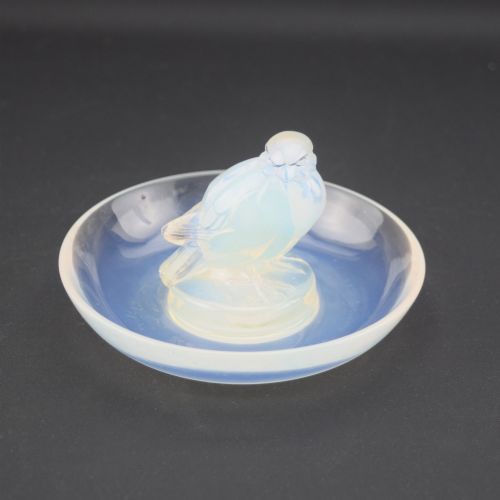
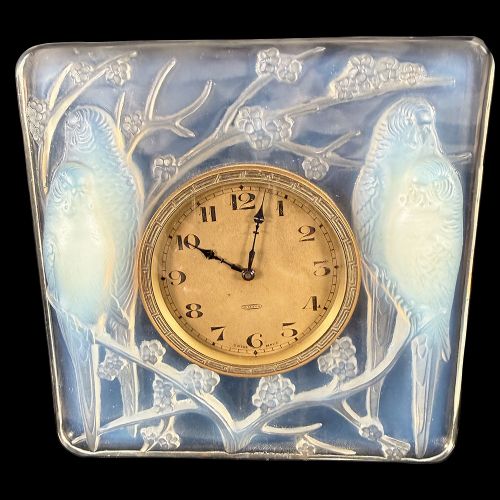
Objects span from small ashtrays and individual dishes to larger coupe plates and clocks. Each example demonstrates the characteristic milky luminescence inherent to the glass.
Materials and production methods
Makers utilised pressed glass and frosted glass to achieve the signature opalescent effect. The milky blue or white appearance emerges when light strikes the chemical compounds mixed within the molten material during manufacturing.
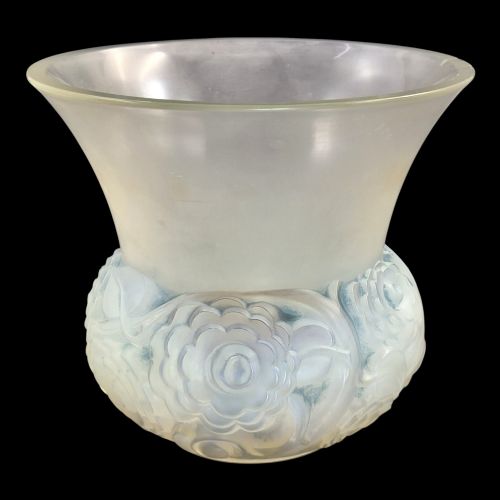
Certain designs incorporate blue staining or metal elements to contrast against the glowing body of the glass. Relief details on vases and bowls gain depth through precise moulding and surface frosting techniques.
Love birds and tiny sparrows appear frozen in glass across these mid-century ashtrays and clocks.
Judging quality in opalescent glass
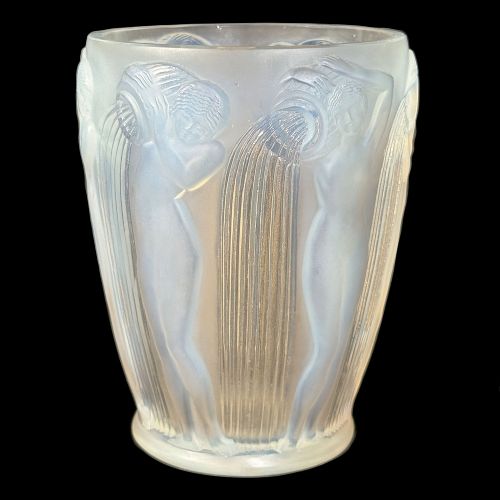
The strength of the opalescence and the clarity of the moulded relief define the visual success of each piece. Finer examples display crisp botanical or figural details, such as the water carriers on the Danaides vases or the birds on the Perruches bowls.
Depth of colour saturation and the even distribution of the milky haze across the surface separate superior specimens from standard production. The preservation of original blue staining inside recessed motifs also influences the visual impact.
Rene Lalique
The Lalique Opalescent Glassware Glossary
- Opalescent glass
- Glass that exhibits a milky, bluish or yellowish iridescence when lit from the front, caused by the addition of bone ash or arsenic to the melt.
- Coupe ouverte
- An open bowl or shallow dish form frequently utilised for decorative plates and large tableware.
- Frosted glass
- Glass rendered matte through acid-etching or sandblasting to diffuse light and accentuate relief decoration.
- Pressed glass
- Glass shaped by being pressed into a metal mould using a plunger, allowing for complex decorative patterns.
Lalique Opalescent Glassware: Frequently Asked Questions
What periods do these pieces date from?
The items originate primarily from the 1920s and 1930s, aligning with the height of the Art Deco movement.
Production during these decades established the characteristic forms and optical effects collectors seek today.
How should I display opalescent glass?
Position pieces where side lighting or backlighting can pass through the body. This illumination activates the milky opalescence within the glass.
Avoid direct, harsh sunlight while ensuring adequate ambient light to reveal the moulded surface details.
What are the common decorative motifs?
Designs frequently feature flora and fauna, including fish, birds, flowers, and leaves. Examples range from the botanical forms of the Renoncules and Dahlias to the avian subjects on the Perruches bowls.
Figural scenes, such as water carriers, also appear on major vase designs.
Are all items signed?
Many pieces carry moulded or engraved signatures identifying the designer and origin. The presence of these marks confirms the historical attribution.
Placement typically occurs on the base or lower edge of the glass body.