




George II Glass
When you search for george ii glass, you uncover a distinct selection of mid-eighteenth-century drinking vessels, diminutive patch stands, and reflective wall mirrors.
George II Glass
Collectors seeking george ii glass encounter a dual landscape of delicate tablewares and substantial decorative furnishings produced during the reign between 1727 and 1760. Drinking vessels such as drawn trumpet wine glasses, balustroid forms, and gin glasses sit alongside small lead glass patch stands.
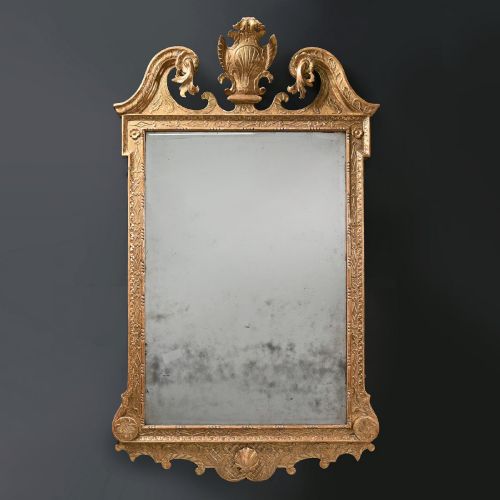
The phrase also encompasses an array of contemporaneous wall mirrors, dressing glasses, and architectural pier mirrors defined by walnut, gesso, and giltwood frames. While glassware showcases early manufacturing techniques, the mirrored pieces establish the interior aesthetic of the period through Palladian and architectural proportions.
Materials and construction methods
Glassware from this era relies on lead glass formulations, often featuring moulded honeycombs, air tears within the stem, basal bubbles, and folded feet. Artisans shaped these pieces by hand, resulting in tactile variations across wine glasses and miniatures.
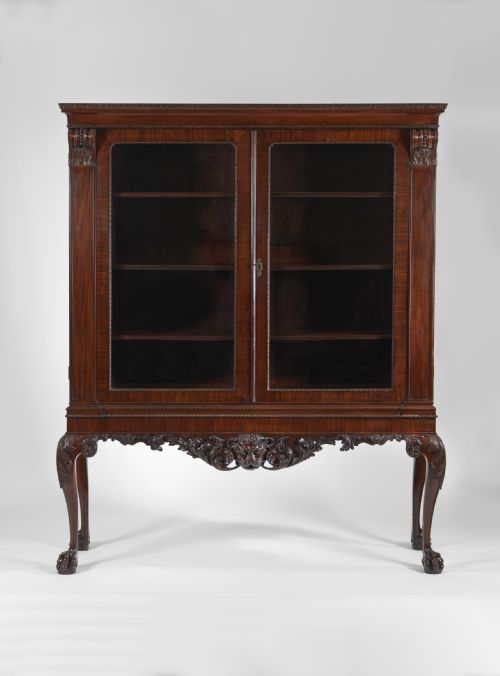
Mirrors and cabinetry utilise dense timbers such as walnut, mahogany, laburnum, and gesso-coated giltwood. Carvers applied meticulous detail to parcel-gilt frames, frequently incorporating mirror glass plates secured within architectural proportions.
Listings combine eighteenth-century lead glass tableware with walnut dressing mirrors and giltwood architectural wall pieces.
Factors that define superior quality
For mirrored forms and cabinetry, quality emerges through the depth of the gesso carving, the integrity of the original glass plate, and the proportional harmony of the giltwood or walnut frame. Pieces attributed to notable workshops display sharper execution in ornamentation and timber selection.
William Kent·Benjamin Goodison
The George II Glass Glossary
- Lead glass
- Heavy, brilliant glass containing lead oxide, developed in England to improve clarity and weight. This material forms the basis of most drinking vessels from the period.
- Air tear
- An elongated bubble trapped intentionally within the stem of a drinking glass during manufacture. It serves as a diagnostic feature for period pieces.
- Gesso
- A plaster-like mixture applied to wood frames before gilding, allowing carvers to build up crisp relief ornament. It provides the smooth base for gold leaf application.
- Pier mirror
- A tall wall glass designed specifically to hang on the narrow pier of wall space between windows. These pieces often feature elaborate architectural framing.
- Balustroid
- A glass stem form derivative of the baluster, tapering downwards with transitional knops. It marks a distinct stylistic phase in mid-century drinking vessels.
George II Glass: Frequently Asked Questions
What defines a george ii glass wine glass?
These drinking vessels typically feature heavy lead metal compositions with drawn trumpet bowls or balustroid stems. Makers often incorporated specific elements like folded feet or internal air tears.
Such characteristics help differentiate mid-century tavern and table wares from later Victorian reproductions. The proportions remain sturdy yet elegant in the hand.
How do you identify a genuine george ii mirror?
Authentic examples utilise period timbers such as walnut, mahogany, or carved gesso on giltwood. The framing frequently follows Palladian design principles with architectural symmetry.
Inspectors look for period mirror glass plates and period construction methods within the backing boards. Revival pieces from the nineteenth century often reveal different secondary woods and sharper, less worn gilding.
What is a patch stand?
A patch stand is a miniature glass plate or dish utilised in the eighteenth century to hold cosmetic face patches. These small accessories sat upon dressing tables for easy access.
Examples often display moulded decorative patterns such as honeycombs in lead glass. Their diminutive scale makes them scarce survivors today.
Where were these pieces displayed historically?
Wall mirrors and pier glasses hung in principal reception rooms to amplify natural light from windows. Dressing glasses occupied prominent positions on walnut or mahogany tables within private bedchambers.
Glassware and miniature stands found placement on dining surfaces and tea tables during social gatherings. Each object served both a decorative and a utilitarian function within domestic spaces.