

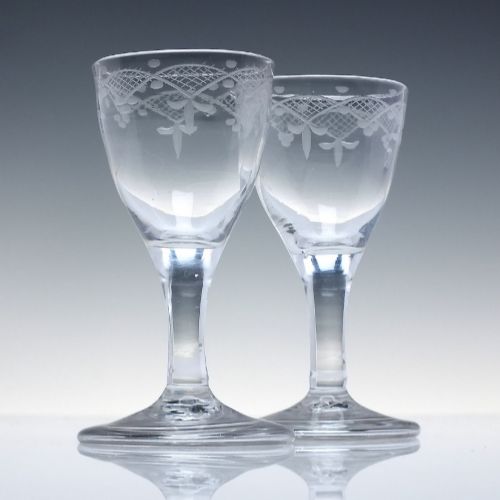


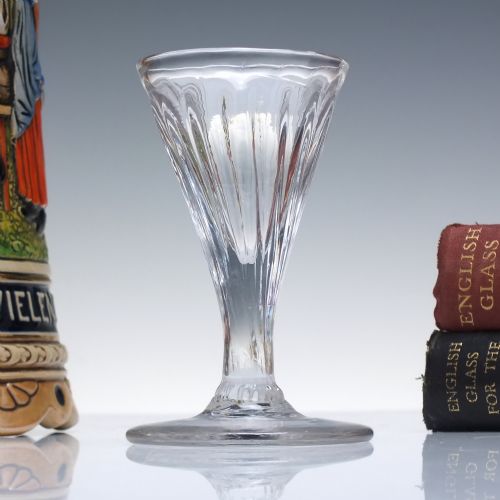


Georgian Glass Dram Glasses
Georgian glass dram glasses are small, robust drinking vessels meant for potent spirits, prized for their heavy metal and tactile weight in the hand.
Georgian Glass Dram Glasses
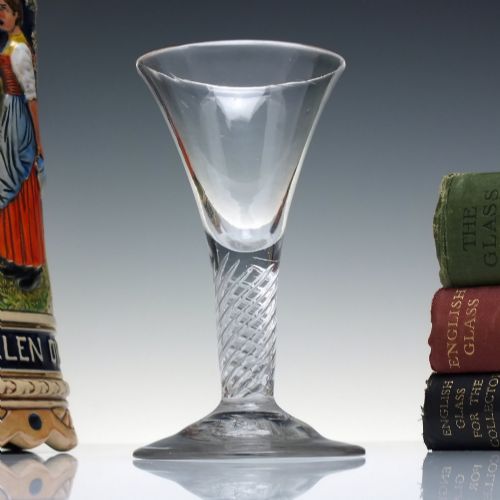
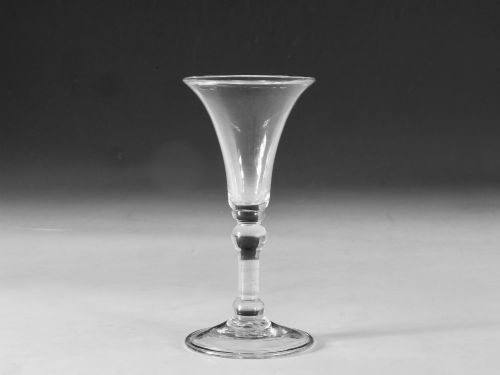
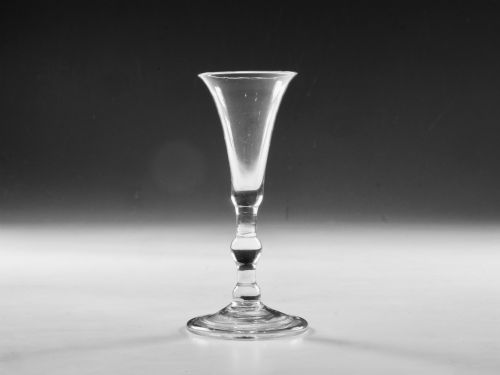
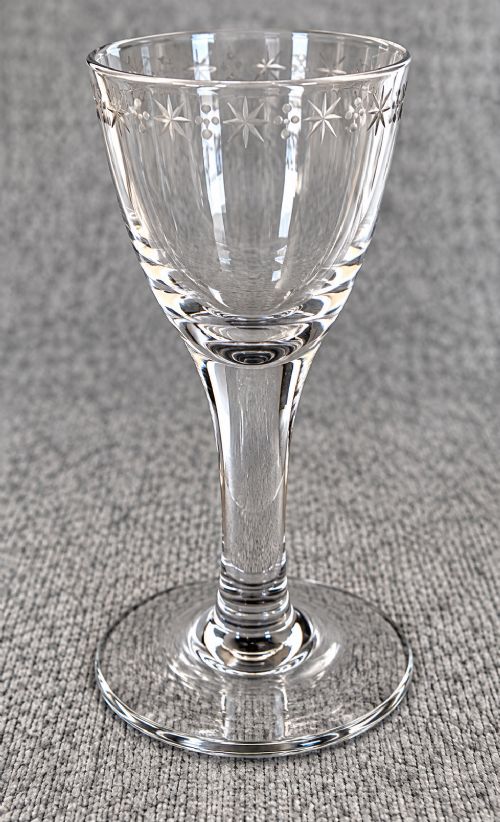
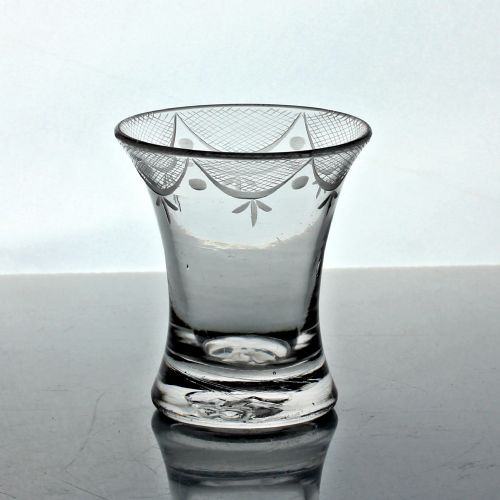
When you search for georgian glass dram glasses, you are looking at small vessels designed for measures of spirits such as gin, whisky, or cordials. The examples found here span the eighteenth century, encompassing robust baluster forms, slender gin glasses, and small firing glasses.
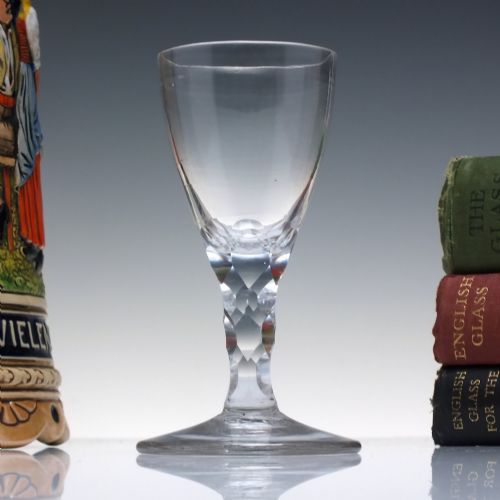
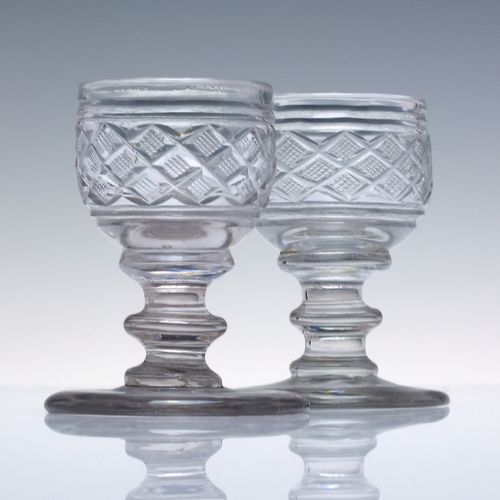
You will most frequently meet pieces featuring heavy lead glass or clear glass, often shaped with folded feet or rib moulding. These range from early baluster stems dating to the opening decades of the eighteenth century up to later facet-cut and Anglo-Irish cut examples.
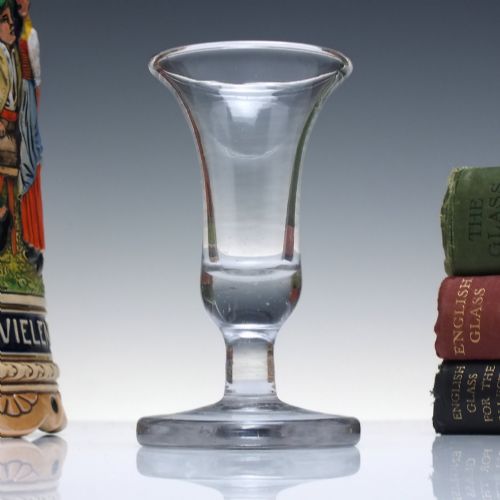
The assortment includes specialised forms like toastmaster glasses, deceptive bowls, and double-ended measures. Each piece reflects the drinking habits of the Georgian period, offering a tangible link to domestic life and hospitality two centuries ago.
Materials and manufacture
These glasses rely on heavy lead glass, flint glass, and clear glass formulas developed to give the material weight, brilliance, and durability. Artisans shaped the molten metal using hand-blown techniques, sometimes employing rib moulding or facet cutting to catch the light.
Georgian Glass Dram Glasses Retail Price Guide 2026
Typical asking prices for georgian glass dram glasses among the pieces listed under this phrase on Sellingantiques today, from the lower quarter to the upper quarter. They describe what is for sale here now, not the wider market.
Object types recorded here include stemware, barware, and specialised drinking glasses such as firing glasses and toastmaster measures.
Assessing quality in early glassware
Quality in these drinking vessels rests upon the clarity of the metal, the balance of the proportions, and the crispness of any cutting or engraving. Superior examples demonstrate a heft and resonance in the hand, with smooth finishing to the pontil mark on the underside of the base.
The complexity of the internal structure also distinguishes the pieces, such as the precision found within multi-spiral air twists or early baluster nodes. Where facet cutting or engraving is present, the depth and clarity of the wheel work separate standard production from finer work.
The Georgian Glass Dram Glasses Glossary
- Lead Glass
- A heavy glass composition incorporating lead oxide, noted for its high refractive index and weight. This material allowed eighteenth-century makers to produce sturdier vessels with a bright ring when struck.
- Baluster
- A heavy, swelling stem shape reminiscent of architectural balusters, common in early eighteenth-century drinking vessels. This form provides a substantial feel in the hand.
- Firing Glass
- A sturdy drinking vessel featuring a notably thick, heavy foot designed to be banged on a table to create a sharp sound during toasts. They are often associated with Masonic or fraternal gatherings.
- Folded Foot
- A base where the outer rim of the glass is tucked underneath and fused back into the body, creating a rounded edge. This technique added physical strength to vulnerable rims.
- Pontil Mark
- A rough scar left on the base of blown glassware where the pontil rod was snapped off after shaping. Its presence and subsequent smoothing indicate traditional manufacturing methods.
Georgian Glass Dram Glasses: Frequently Asked Questions
What were dram glasses used for?
These vessels were utilised for consuming small, concentrated measures of potent spirits such as whisky, gin, or cordials. Their compact size suited the high alcohol content of the drinks served during the period.
Unlike modern stemware, they were designed to be emptied quickly and set down firmly, often on tavern or dining tables.
How do I date an 18th-century glass?
Dating relies on observing changes in form, weight, and manufacturing marks across the decades. Early pieces often feature heavy baluster stems or folded feet, while later eighteenth-century examples lean towards facet cutting or air twists.
Material composition also shifts, with flint glass and heavy lead metal giving way to different optical qualities as furnace technology evolved.
Why do some glasses have thick feet?
Thick bases and folded feet were engineered to withstand the rigorous handling typical of eighteenth-century taverns and dining rooms. The extra weight kept the small vessels stable on uneven surfaces.
Firing glasses took this a step further, utilising a massively thickened foot specifically to endure the impact of being banged on a table during toasts.
Are these glasses safe to use?
While these are genuine antique drinking vessels, many collectors prefer to display them rather than use them for dining. Historic lead glass can be delicate, and modern detergents may harm the aged surface.
If you choose to use them, hand washing in lukewarm water is essential to preserve the integrity of the material and any subtle engraving.