




Flint Glass Spirit Glasses
Flint glass spirit glasses and associated vessels combine heavy lead crystal clarity with the precise cutting and engraving of the Georgian and Regency periods.
Flint Glass Spirit Glasses
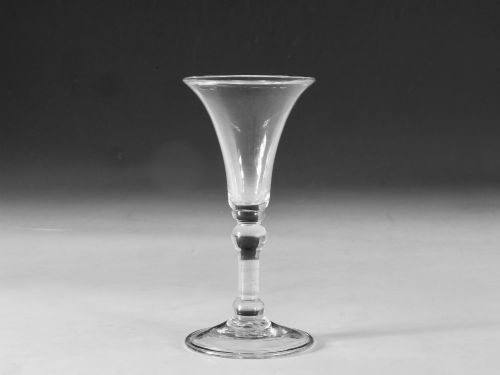
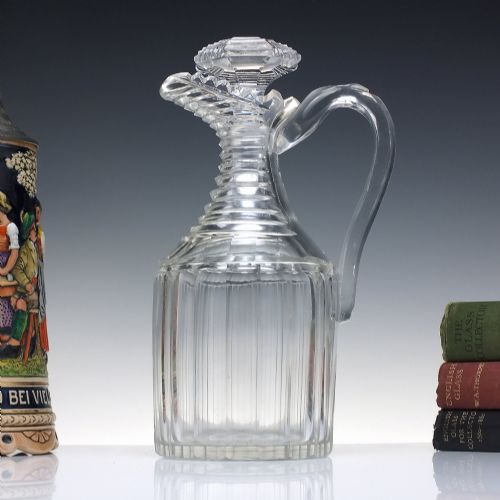
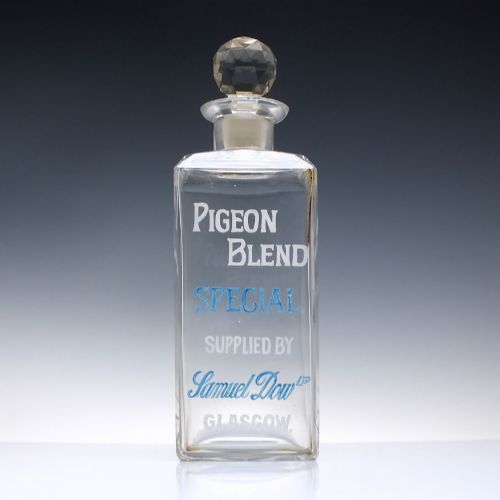
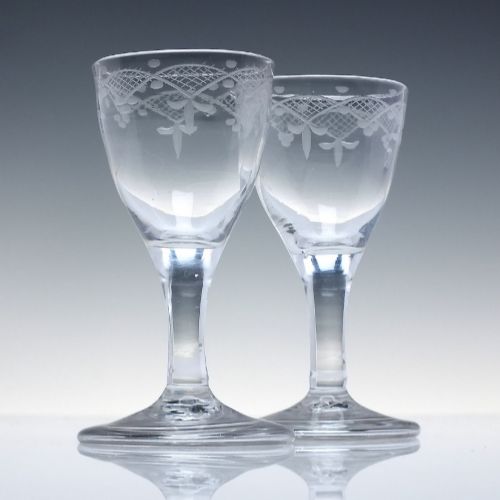
When searching for flint glass spirit glasses, buyers encounter a selection of drinking glasses, dram glasses, cordial glasses, and small decanters originating primarily from the eighteenth and nineteenth centuries. These vessels were formed to serve small measures of potent spirits, whisky, gin, and cordials during formal dining and social gatherings.
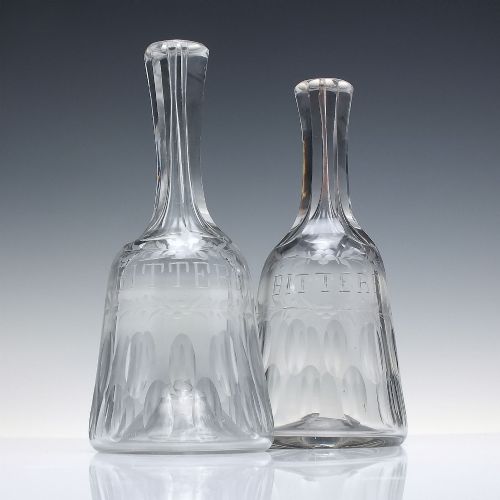
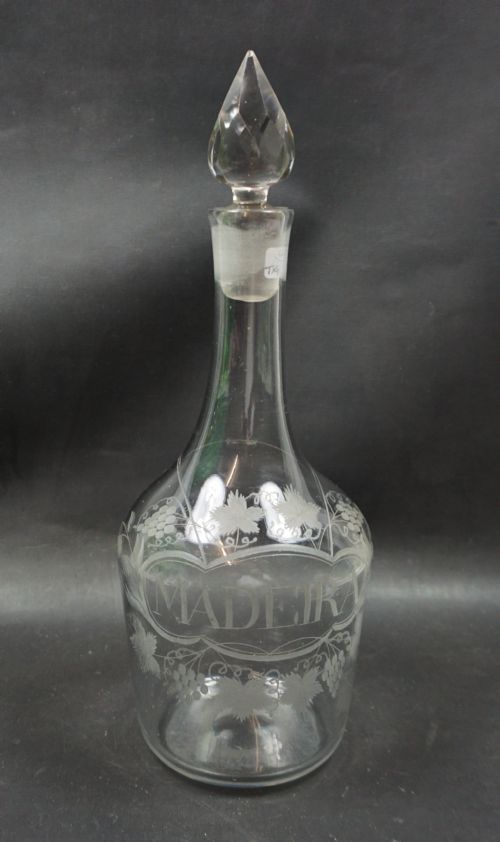
The objects on this page span the Georgian, Regency, and Victorian eras, alongside Edwardian examples and arts and crafts interpretations. Forms range from heavy baluster dram glasses and pedestal stem gin glasses to personal spirit decanters and double-ended glass dram measures.
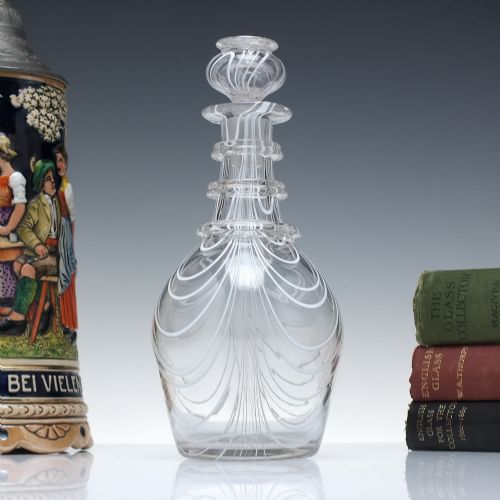
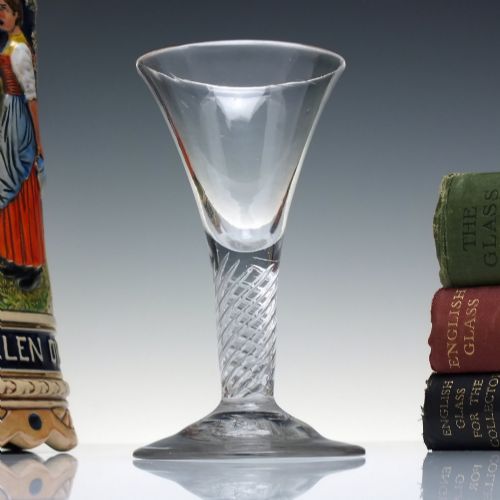
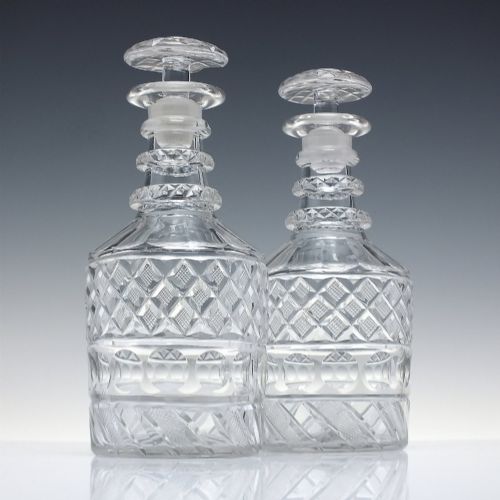
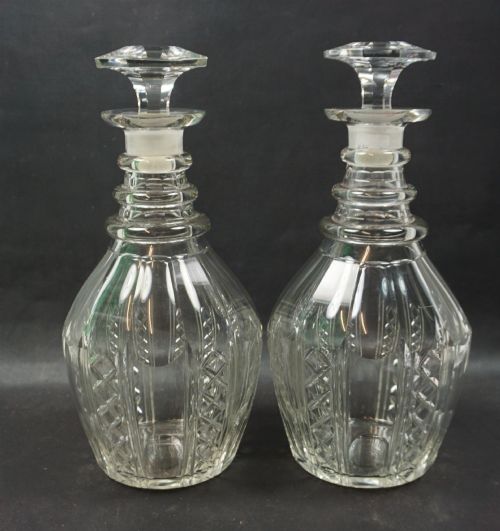
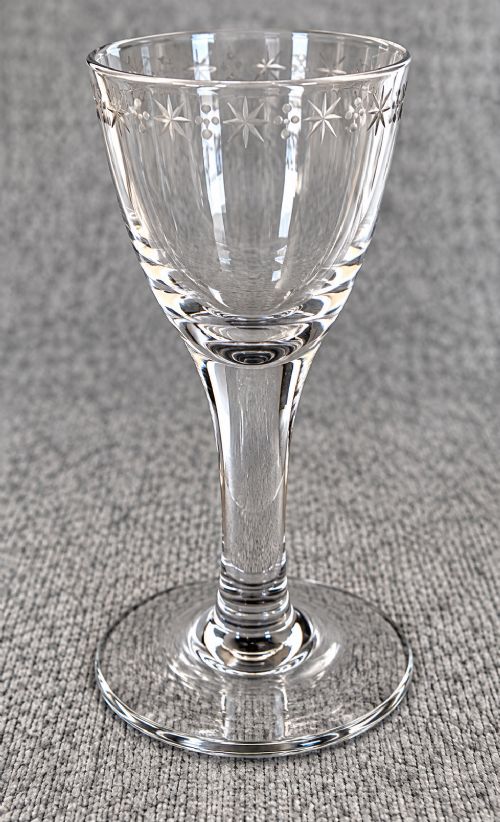
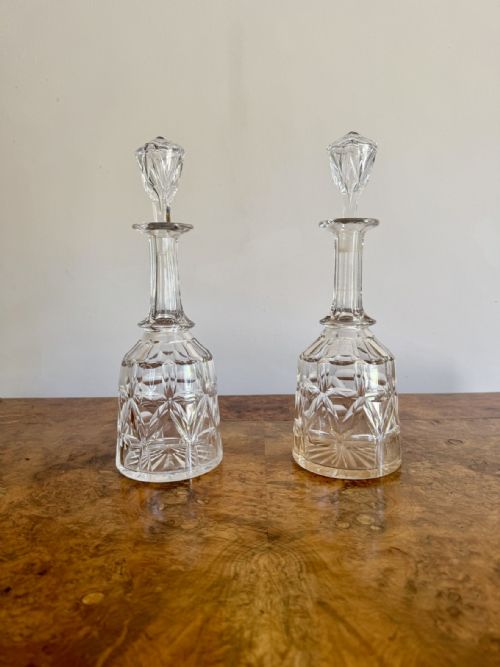
Buyers are most likely to meet small drinking vessels featuring multi-spiral air twists, engraved motifs, or folded feet, alongside matching pairs of Prussian style decanters. The material spans lead glass, clear glass, flint glass, and cut lead crystal.
How they were made
The makers of these items utilised heavy lead glass and flint glass, which provided the high refractive index necessary for deep optical clarity and sharp wheel-cutting. Vessels such as dram glasses and decanters were often mouth-blown, sometimes utilising optical moulds to create subtle internal ribs and patterns.
Decoration relied heavily on diamond-point engraving, wheel-engraving, and facet-cutting, creating distinct rings on necks or geometric patterns across bodies. Specialised techniques such as trailing opaque white glass or incorporating multi-spiral air twists into stems required immense skill from the glassblower.
Flint Glass Spirit Glasses Retail Price Guide 2026
Typical asking prices for flint glass spirit glasses among the pieces listed under this phrase on Sellingantiques today, from the lower quarter to the upper quarter. They describe what is for sale here now, not the wider market.
A tiny trapped air bubble in an eighteenth-century dram glass stem proves a glassblower had a sense of humour.
What varies in quality
Quality in these drinking vessels and decanters rests upon the weight and purity of the metal, together with the precision of any wheel-cutting or engraving. Superior examples display crisp facet edges, well-proportioned stems with balanced air twists, and minimal internal impurities or mould marks.
The handling of the base dictates much of the character, where folded feet and heavy baluster formations exhibit superior craftsmanship. In decanters, the crispness of neck rings and the matching quality of stoppers elevate certain specimens above standard utilitarian items.
James Powell
The Flint Glass Spirit Glasses Glossary
- Flint glass
- A heavy, bright glass containing lead oxide, prized for its clarity and weight. It allows for deep cutting and brilliant light refraction.
- Air twist
- A decorative stem feature containing spiral threads of trapped air inside the glass. This is created by drawing and twisting bubbles formed within the metal during blowing.
- Prussian decanter
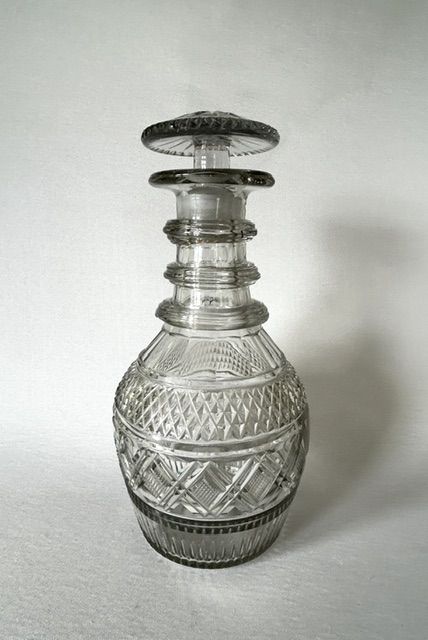
- A nineteenth-century decanter shape characterised by a tapering body and multiple horizontal neck rings. These rings originally helped secure the vessel in transit aboard ships.
- Folded foot
- A glass foot formed by doubling the rim underneath itself to create a thickened, rounded edge. This technique adds stability and strength to eighteenth-century drinking vessels.
- Toddy lifter
- A small, bulbous glass instrument used to transfer hot toddy or spirits from a bowl to a glass. It operates on the principle of liquid displacement using a thumb hole.
Flint Glass Spirit Glasses: Frequently Asked Questions
What is a dram glass?
A dram glass is a small drinking vessel designed for holding a single measure of neat spirits, such as whisky or gin. They were widely used in the eighteenth and nineteenth centuries when spirits were served in modest quantities.
Many surviving examples feature thick baluster stems or folded feet for added durability during frequent use and passing around the table.
How do I date a spirit decanter?
Dating relies on body shape, neck formation, and cutting style, with Georgian and Regency pieces often exhibiting ovoid or Prussian profiles with distinct horizontal rings. Pontil marks on the base and the weight of the lead glass also offer key chronological clues.
Earlier eighteenth-century pieces tend to show simpler, blown forms with engraved decoration, while later Victorian and Edwardian examples often feature heavier machine or press-cut geometric patterns.
What is a double ended glass dram measure?
A double ended glass dram measure is a barware accessory shaped like two small cones joined at the narrow waist, allowing spirits to be measured from either end. These uncommon pieces were utilised for precise pouring during entertaining.
Their survival rate is low due to the fragile nature of the thin lead glass connecting the two bowls.
Can I use antique flint glass daily?
While these pieces were originally made for functional use, their age and historical value mean most modern collectors prefer to display them. Hand washing in lukewarm water is essential if they are used, as thermal shock and dishwashers can damage eighteenth-century glass.
Keeping them away from direct sunlight and rapid temperature changes preserves the clarity of the lead crystal.