

Georgian Furniture Drawers
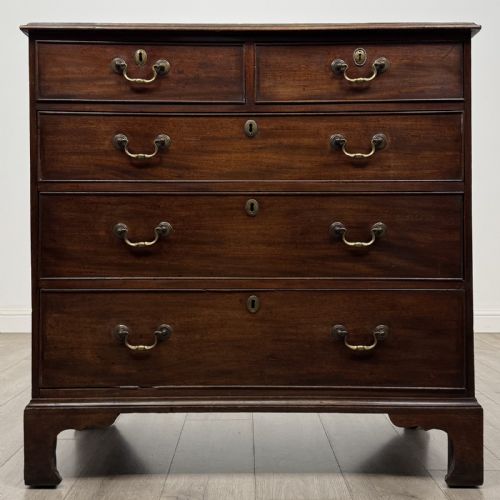
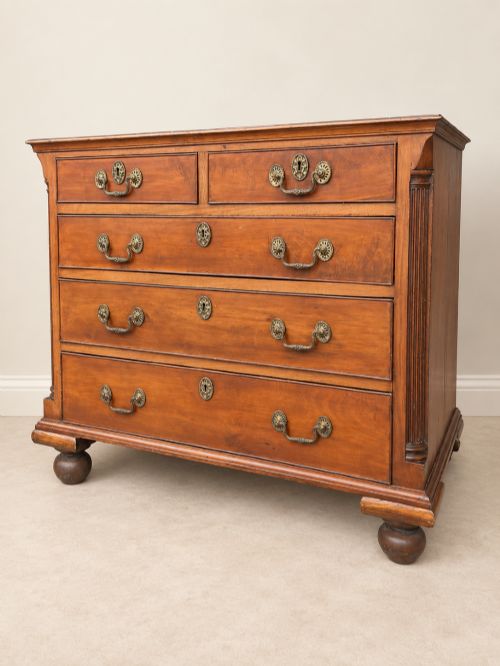
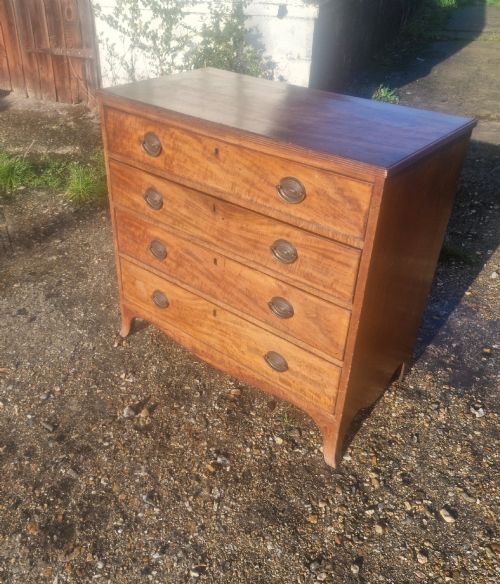
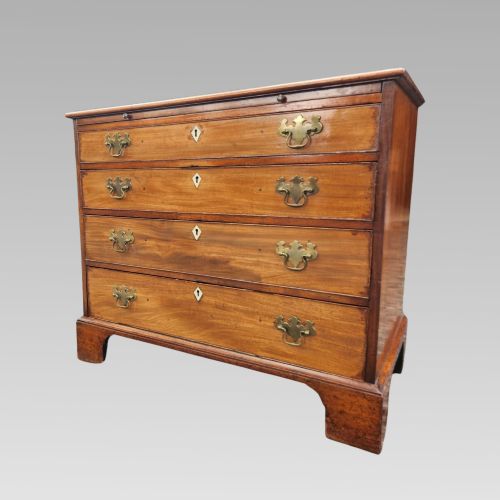
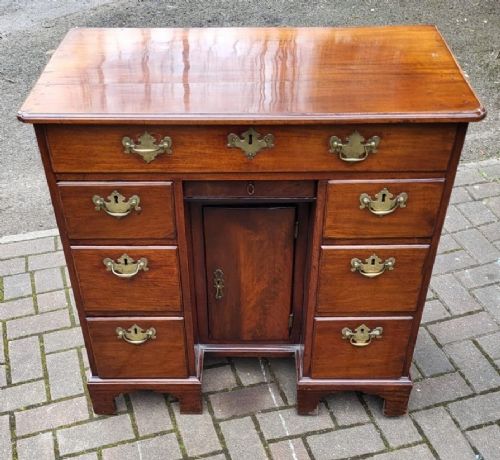
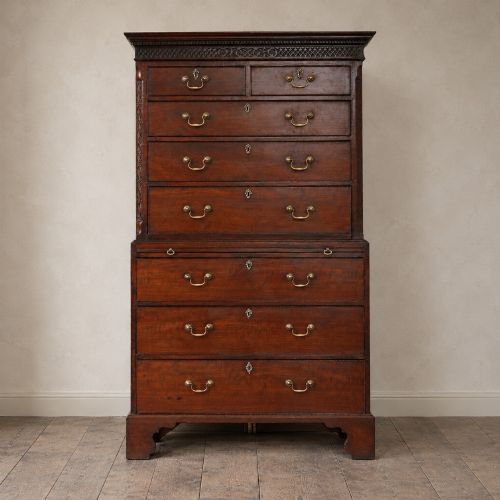
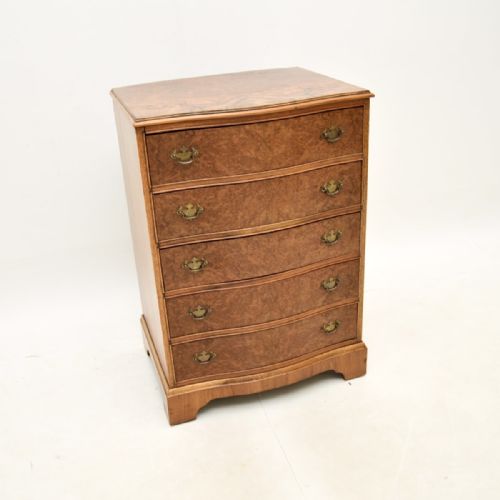
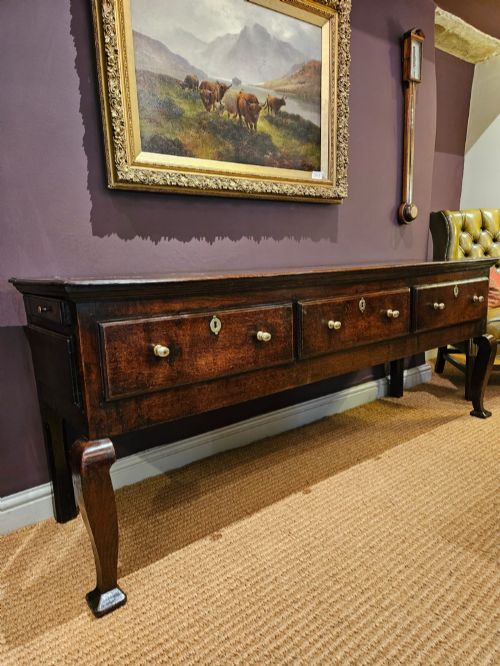
Georgian furniture drawers bring together centuries of timber craftsmanship, predominantly found in mahogany, oak, and walnut chests of drawers.
Georgian Furniture Drawers
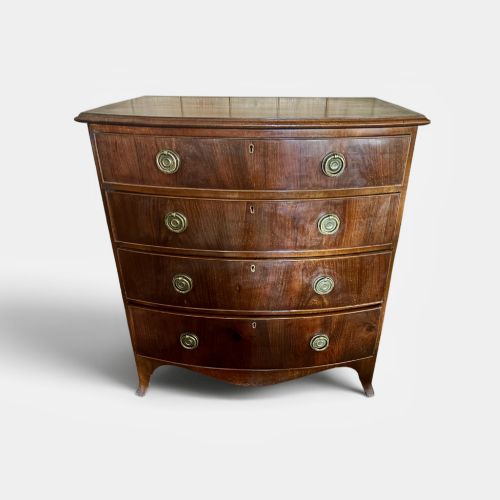
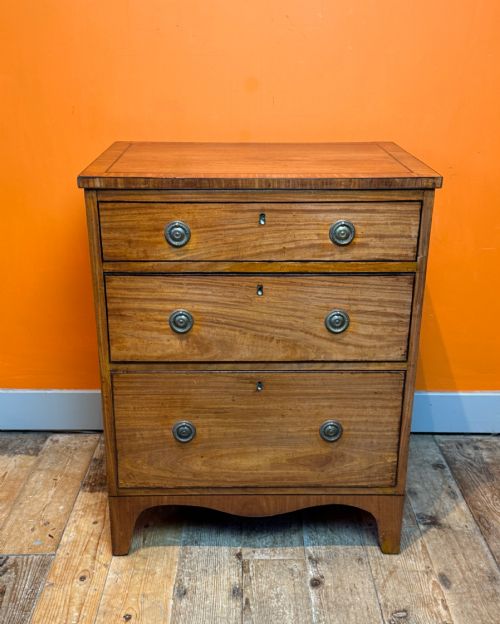
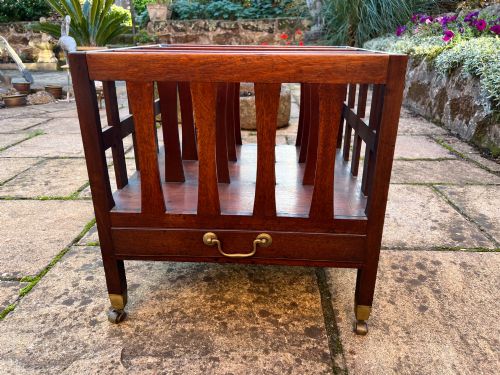
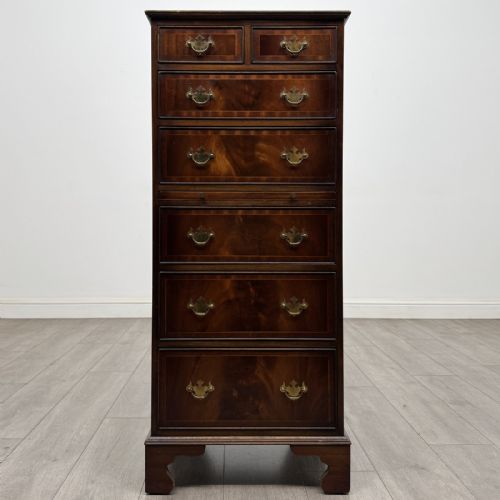
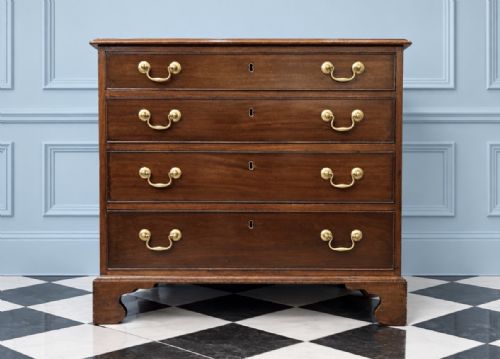
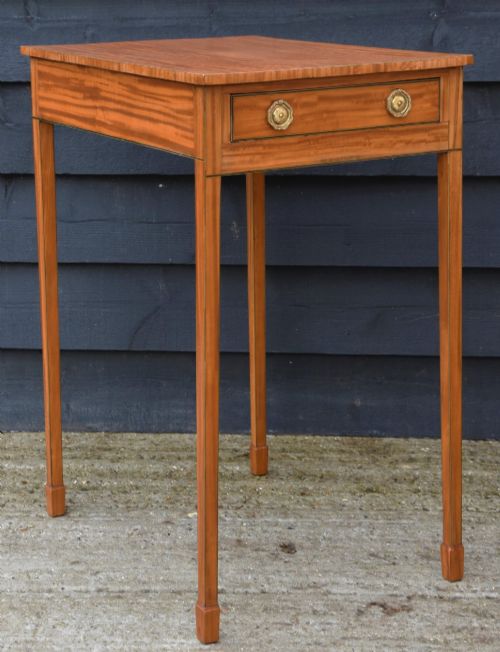
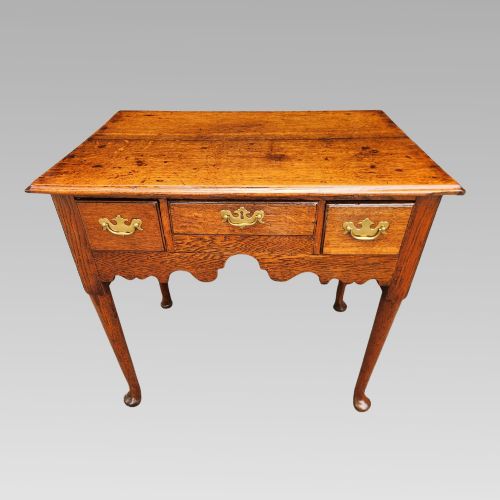
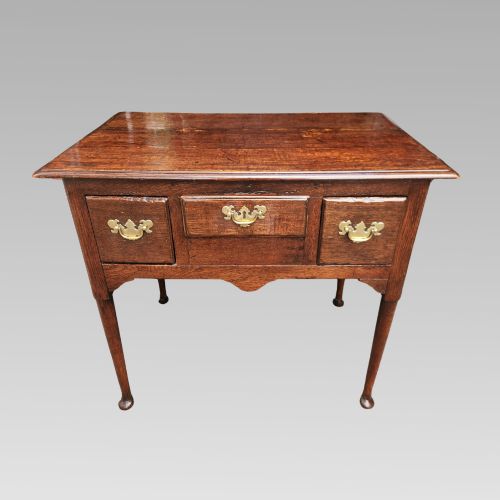
When you search for georgian furniture drawers, you encounter practical storage pieces originating primarily from the eighteenth and nineteenth centuries. These items range from full-sized chests of drawers and tallboys to smaller miniature chests, side tables, and bachelors chests.
The selection on this page demonstrates various regional materials and stylistic influences spanning the Georgian, Regency, and Queen Anne periods. Alongside traditional large chests, you will find specialised forms such as corner stands, writing desks, and console tables incorporating multiple drawers.
How they were made
Cabinetmakers constructed these pieces using solid hardwoods and tight veneers, selecting mahogany, oak, and walnut for their durability and grain patterns. Secondary timbers like pine and elm frequently appear in drawer linings and internal framing.
Metal hardware such as brass handles and key escutcheons complement the woodwork, while decorative techniques like boxwood stringing and inlay define specific stylistic periods.
Georgian Furniture Drawers Retail Price Guide 2026
Typical asking prices for georgian furniture drawers among the pieces listed under this phrase on Sellingantiques today, from the lower quarter to the upper quarter. They describe what is for sale here now, not the wider market.
Miniature chests frequently served as apprentice pieces, where young woodworkers proved their mastery of dovetails before joining the guild.
What varies in quality
The distinction between tiers of quality often rests in the selection of timber figures, such as burr walnut or figured mahogany, matched evenly across drawer fronts. Superior examples exhibit refined proportions, intact original brasses, and clean internal drawer construction.
The crispness of carved details, the stability of bracket or cabriole feet, and the preservation of the original surface finish separate standard utility pieces from finer works of cabinetmaking.
The Georgian Furniture Drawers Glossary
- Bow front
- A convex curved cabinet front popular during the Georgian and Regency periods. This shape softens the profile of a standard chest of drawers.
- Chest-on-chest
- A tall storage unit formed by stacking a smaller chest directly on top of a larger base chest. Also frequently referred to as a tallboy.
- Brushing slide
- A pull-out shelf integrated above the top drawers of a desk or chest. Cabinetmakers designed this surface for writing or folding garments.
- Raised gallery
- A low decorative wooden border fitted to the top surface of a stand or table. This feature prevents objects from sliding off the edge.
Georgian Furniture Drawers: Frequently Asked Questions
How do I identify a miniature chest?
Miniature chests of drawers are scaled-down versions of full-size furniture pieces, measuring significantly shorter and narrower than standard domestic chests. They often functioned as apprentice pieces or display items.
Despite their small size, makers utilised the same precise joinery, timber selection, and hardware found on larger contemporary furniture.
Where were oak chests used?
Oak chests of drawers originate frequently from regional country workshops rather than urban cabinet makers. Rural homes utilised these robust pieces for everyday linen and garment storage.
Over centuries, oak develops a deep patination that reflects its domestic utility in country houses and farmhouses.
What distinguishes Regency drawer units?
Regency drawer units generally display cleaner architectural lines, contrasting exotic wood veneers, and restrained classical ornament. Makers often incorporated rosewood or fruitwood alongside traditional mahogany.
These pieces reflect early nineteenth-century design tastes influenced by classical antiquity and British Regency styles.