





Georgian Fruitwood Furniture
Georgian fruitwood furniture brings tactile warmth to interiors through domestic timbers shaped by provincial and urban hands during the eighteenth and early nineteenth centuries.
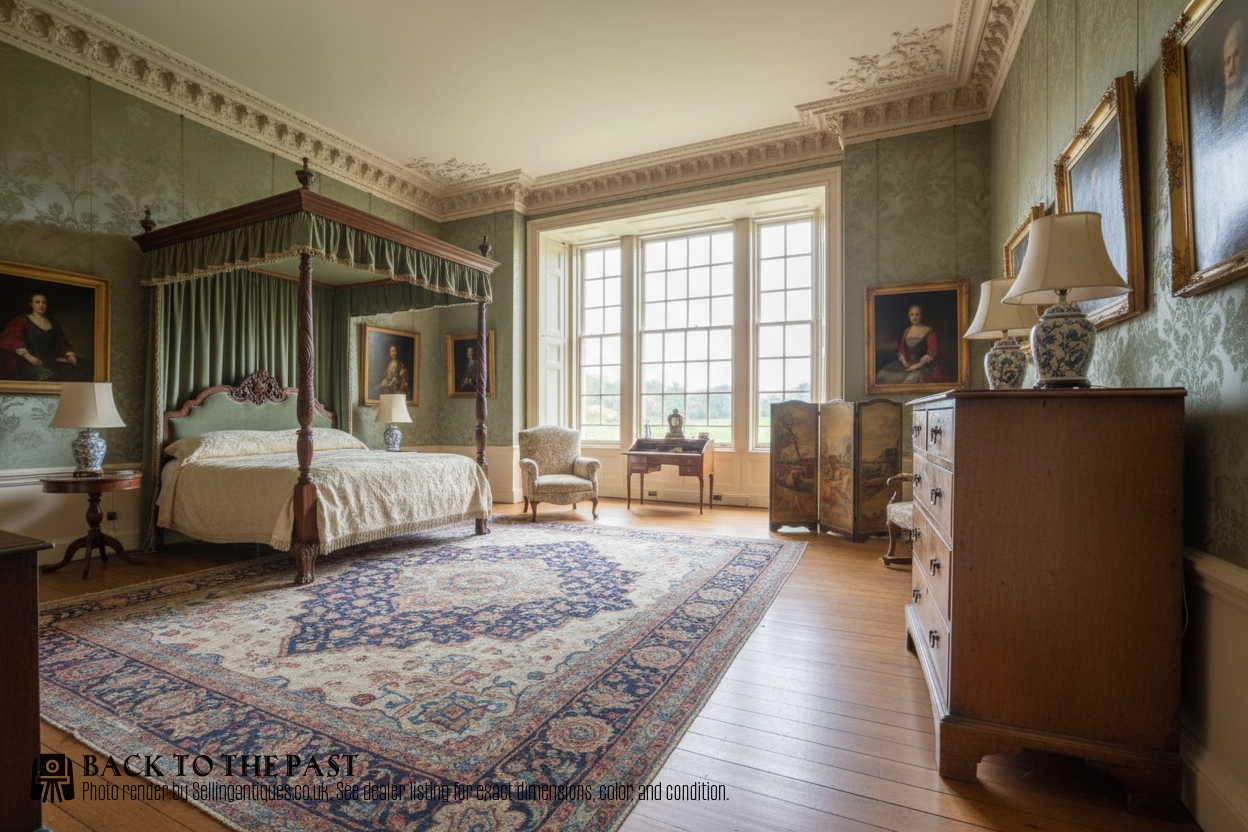
Georgian Fruitwood Furniture
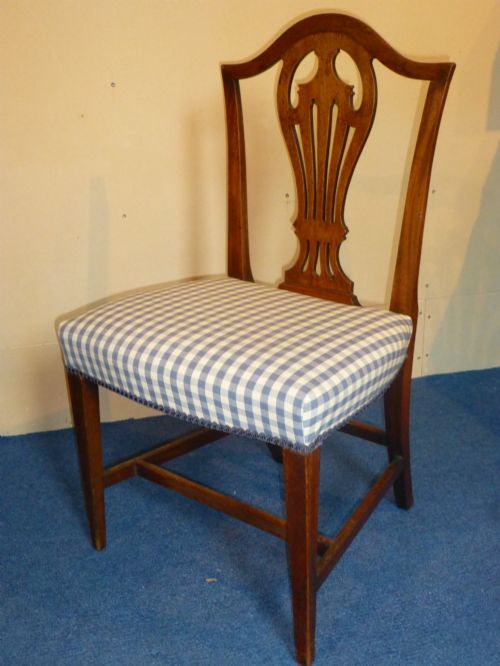
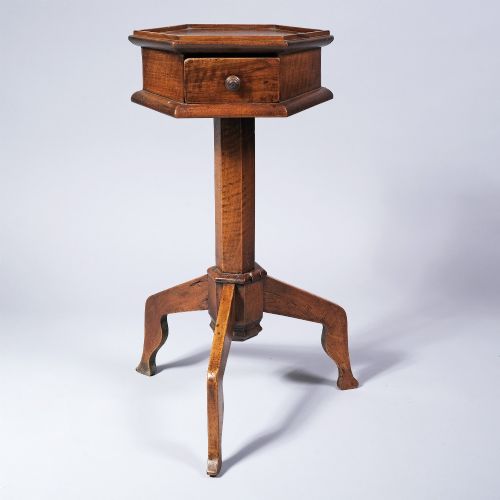
When you search for georgian fruitwood furniture, you encounter sturdy domestic items made across the eighteenth and nineteenth centuries, including utilitarian seating, lowboys, dressers, and small tables. These pieces utilise native timber rather than imported mahogany, showing the grain and rich patina developed over centuries of household use.
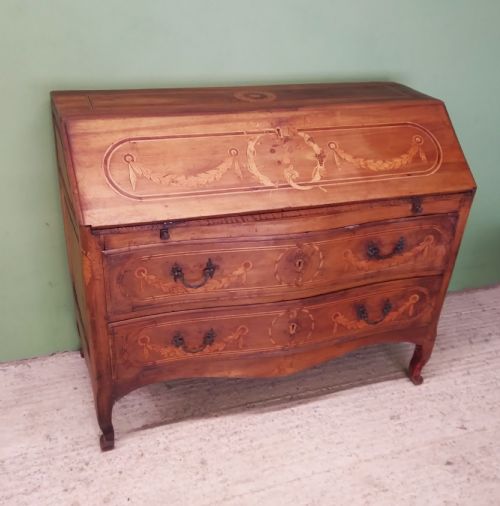
You are most likely to meet chairs, side tables, and dresser bases spanning the Georgian, George II, George III, and Regency periods, alongside continental examples such as French provincial commodes and Maltese bureaux. Their forms range from rustic country workshop output to refined urban vernacular designs.
Makers often combined fruitwood with secondary woods like oak, elm, and walnut, reflecting the pragmatic approach of regional joiners. These items served daily domestic functions in halls, bedrooms, and parlours, retaining a character distinct from grander formal cabinet-making.
How they were made
Craftsmen built georgian fruitwood furniture using solid timbers selected for local availability, frequently pairing fruitwood tops or drawer fronts with oak, elm, or beech frames. Turning, mortise and tenon joinery, and dovetailed drawer construction formed the structural foundation of these domestic pieces.
Surface finishes relied on natural oils, waxes, and simple polishes that allowed the warm grain of the fruitwood and plumwood to darken gracefully over time. Marquetry inlay occasionally decorated specialised items like bureaus, while carved cabriole legs appeared on lowboys and side tables.
Georgian Fruitwood Furniture Retail Price Guide 2026
Typical asking prices for georgian fruitwood furniture among the pieces listed under this phrase on Sellingantiques today, from the lower quarter to the upper quarter. They describe what is for sale here now, not the wider market.
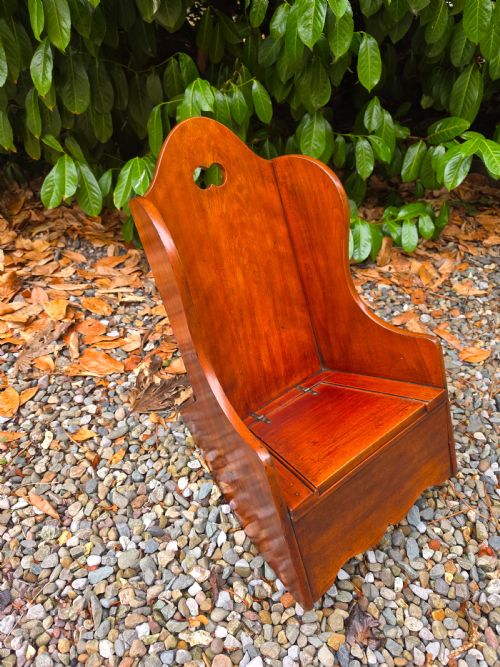
Potty rockers provided small occupants with an early lesson in stationary multitasking.
What varies in quality
Quality in georgian fruitwood furniture depends on the selection of timber and the precision of the joinery, distinguishing sturdy country workshop output from finer urban cabinet work. Well-figured fruitwood combined with secondary hardwoods like oak demonstrates greater structural integrity and visual depth.
The sophistication of carving, the retention of original brass hardware, and the survival of an undisturbed surface patination elevate certain examples above standard utility pieces. Proportion and balance also separate exceptional provincial items from simpler, heavier forms.
The Georgian Fruitwood Furniture Glossary
- Fruitwood
- Timber sourced from fruit-bearing trees such as apple, pear, or cherry, prized for its dense grain and warm tone. It was widely used by regional cabinet-makers for both solid construction and decorative elements.
- Lowboy
- A small side table or dressing table featuring drawers beneath the work surface, commonly supported on cabriole legs. These versatile pieces appeared frequently in eighteenth-century bedrooms and parlours.
- Dresser base
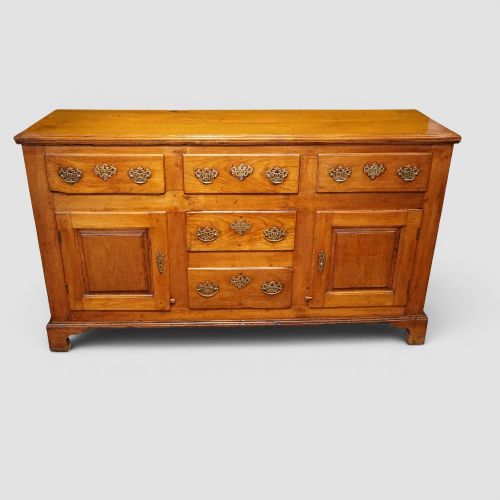
- A robust lower sideboard unit used in kitchens and dining rooms for food preparation and storage. They often incorporate drawers and open shelving or pot boards beneath.
- Windsor armchair
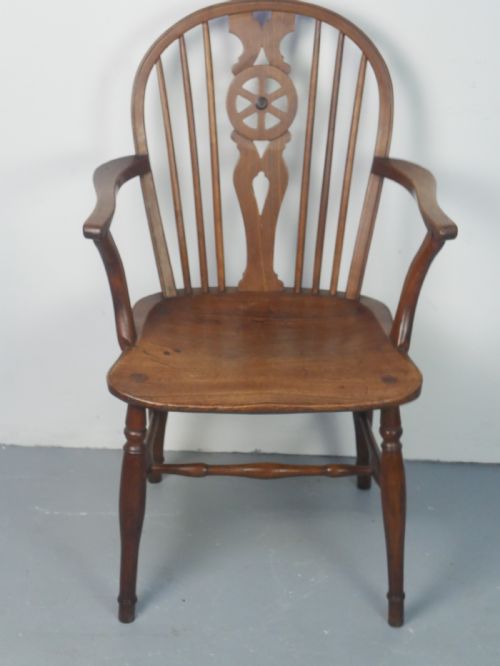
- A traditional seating form constructed with a solid wooden saddle-seat into which legs and back spindles are wedged. Fruitwood was often utilised alongside ash, elm, and yew for these resilient frames.
- Corner chair
- A chair designed to fit into the angle of a room, featuring a continuous curved arm rail supported on turned posts. These items frequently utilised fruitwood combined with oak or walnut.
Georgian Fruitwood Furniture: Frequently Asked Questions
How do I identify a Georgian piece?
Georgian pieces are identified through construction methods, stylistic markers, and timber characteristics typical of the eighteenth and early nineteenth centuries. Look for hand-cut dovetails, pegged joints, and vernacular adaptations of prevailing architectural styles.
Regional variations often reveal themselves in the choice of secondary woods like oak and elm paired with the primary fruitwood surface.
Where was this furniture used?
This furniture served practical functions throughout domestic spaces, from farmhouses and country cottages to urban townhouses. Pieces like side tables, writing bureaux, and commodes were placed in bedrooms, halls, and parlours.
Kitchens and dining spaces housed robust dresser bases and Windsor chairs built to withstand heavy daily use.
Is fruitwood durable?
Fruitwood provides a dense and resilient surface well suited to the demands of everyday household furniture. Its tight grain structure allows it to endure generations of use while developing a deep patina.
Proper care involves maintaining stable humidity levels and applying natural wax to protect the historic timber surface.