


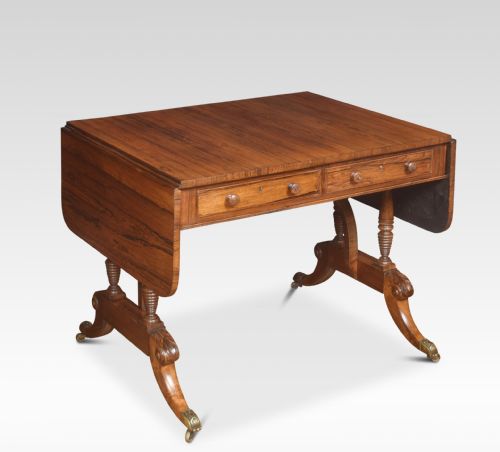

Georgian Frieze Drawer Table
These georgian frieze drawer table examples offer understated utility and classic proportion, making them essential additions to period interiors.
Georgian Frieze Drawer Table
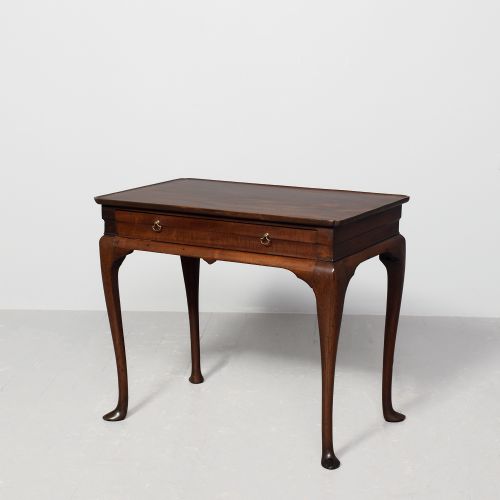
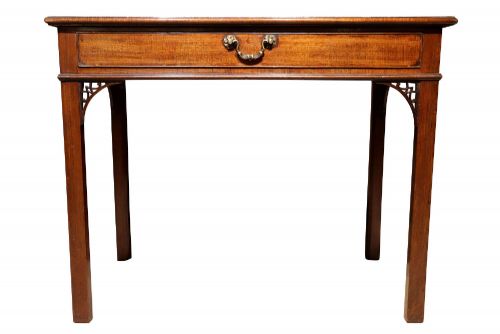
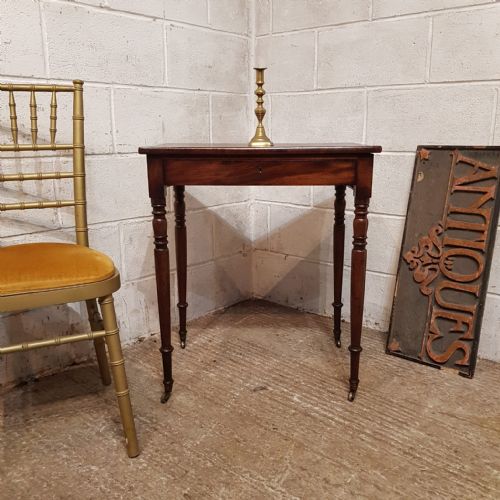
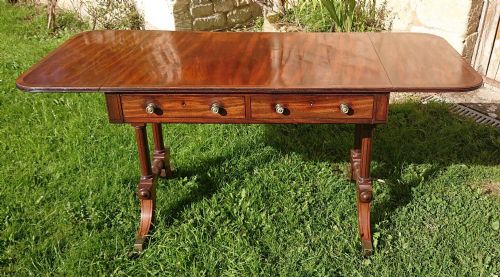
A georgian frieze drawer table is a practical antique surface designed for storage and writing, most frequently encountered as side tables, Pembroke tables, and sofa tables. These items appear across the Georgian, Regency, and eighteenth-century periods, showing the evolution of domestic furniture design.
The domestic forms recorded on this page range from country house console tables to compact writing desks and oak lowboys. Oak and mahogany serve as the primary woods, often fitted with a single functional drawer integrated into the frieze beneath the top.
Buyers frequently find smaller side tables and Pembroke designs featuring drop leaves alongside grander partners library desks. Each iteration reflects the changing functional demands of historical homes while maintaining traditional proportions.
Materials and construction
Cabinetmakers constructed these tables predominantly from solid mahogany and oak, occasionally selecting rosewood for high-status Regency pieces. Timber selection dictated both the visual weight and the structural integrity of the frame.
Joinery techniques relied on traditional methods such as dovetailed drawer construction and mortise and tenon joints to secure the frieze. Secondary woods like pine or oak frequently appear in drawer linings and internal framing.
Brass hardware, including drop handles and escutcheons, alongside leather writing inserts, completed the functional elements of desks and library tables. Surface finishes were achieved using traditional polishes that enhanced the natural grain of the timber.
Georgian Frieze Drawer Table Retail Price Guide 2026
Typical asking prices for georgian frieze drawer table among the pieces listed under this phrase on Sellingantiques today, from the lower quarter to the upper quarter. They describe what is for sale here now, not the wider market.
One persistent eighteenth-century oak bible box hides three internal compartments inside its carved frieze, keeping sermons safe from curious household cats.
Judging the standard
Quality in a georgian frieze drawer table rests upon the crispness of the cabinetwork and the selection of figured timber veneers. Superior examples display thoughtful grain matching across the top and drawer fronts.
The integrity of the internal drawer construction distinguishes better pieces, specifically the precision of the dovetails and the survival of original secondary woods. Tables retaining their original brass hardware and fitted desk interiors command higher regard.
Proportion and scale dictate the success of the design, with finer pieces maintaining balanced dimensions between the frieze depth and the supporting legs. Country-made versions differ from urban commissions in their rustic charm and simpler timber choices.
W. Priest·Gillows
The Georgian Frieze Drawer Table Glossary
- Frieze
- The horizontal band situated directly beneath the tabletop, which frequently houses one or more concealed storage drawers. This architectural element forms the structural heart of the table.
- Pembroke table
- A small, versatile table featuring two hinged drop leaves on opposing sides. It often includes a single frieze drawer and was designed for flexible use in domestic rooms.
- Lowboy
- A small eighteenth-century dressing or side table supported by four tall legs with one or more drawers in the frieze. These early pieces typically display simpler lines than later Regency desks.
- Sofa table
- A rectangular occasional table popular during the Regency period, traditionally placed in front of a sofa. It usually incorporates drop leaves and twin pillar supports.
- Partners desk
- A large double-sided writing table designed for two people to work opposite one another. These imposing pieces feature multiple frieze drawers on both long sides.
Georgian Frieze Drawer Table: Frequently Asked Questions
What is a frieze drawer?
A frieze drawer is a storage compartment built directly into the horizontal wooden band beneath the top of a table. It sits flush with the frame to maintain clean exterior lines.
These drawers were utilised for holding writing materials, cutlery, or small household documents depending on the specific room the table served.
How do I spot a Regency table?
Regency tables generally display bolder architectural influences, incorporating rosewood, brass inlay, and heavier pillar supports. The styling reflects early nineteenth-century neoclassical tastes.
Earlier Georgian pieces tend to rely on mahogany or oak with simpler straight legs or restrained carved bracket feet.
Where were these tables used?
These tables served multiple functions across different rooms, acting as writing desks in libraries, serving surfaces in halls, or occasional tables in withdrawing rooms. Pembroke and sofa tables offered moveable utility where space was at a premium.
Larger library tables and partners desks anchored the centre of grand studies, accessible from multiple sides.
Are mahogany and oak the only woods?
Mahogany and oak dominate the surviving examples on this page, but cabinetmakers also utilised rosewood for high-end Regency commissions. Painted wood finishes also appear on select country house pieces.
Secondary timbers like pine frequently support the internal drawer structures hidden from view.