
Georgian Framed Art
Georgian framed art brings together centuries-old portraits, silhouettes, and prints housed in period surrounds that define the aesthetic of the era.
Georgian Framed Art
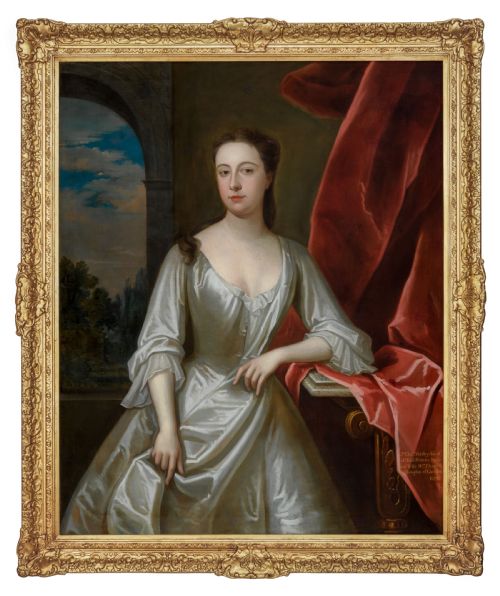
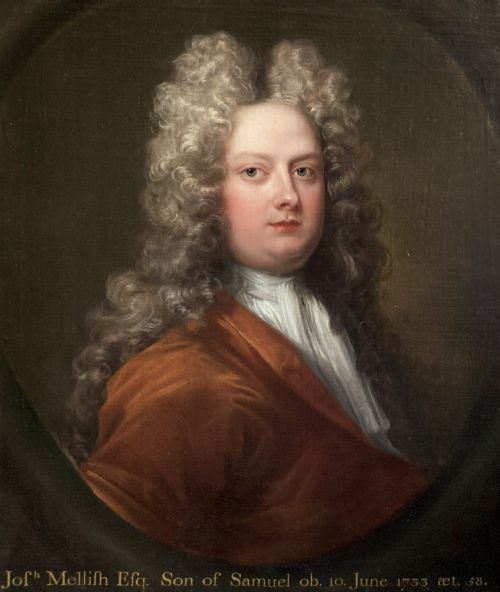
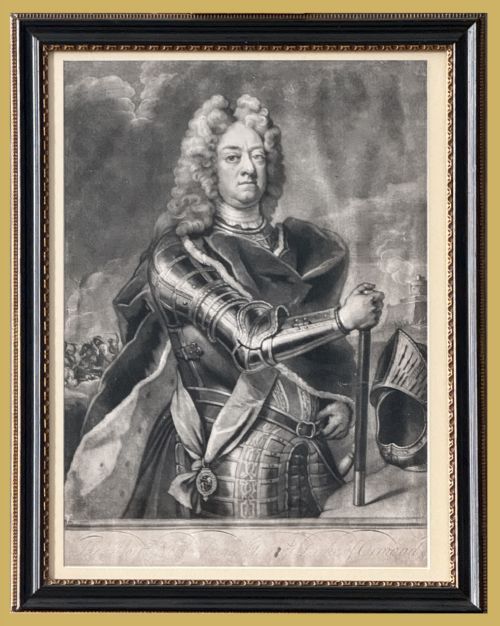
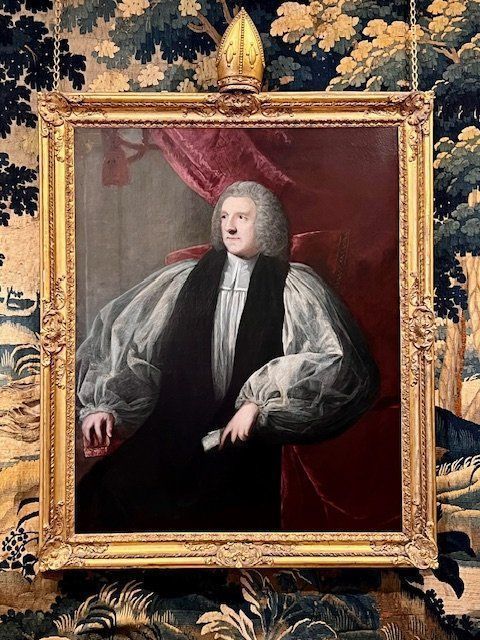
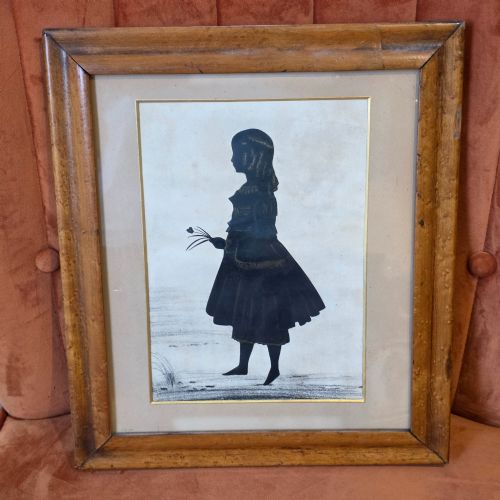
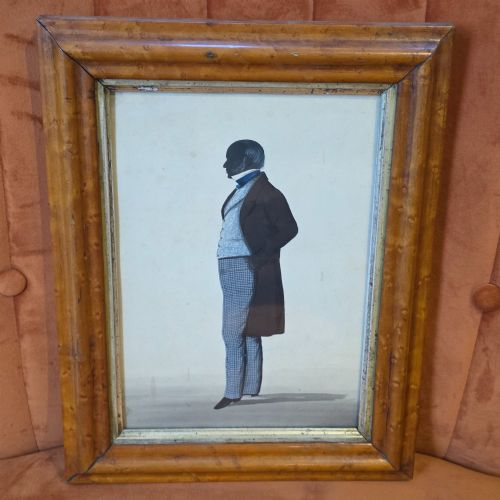
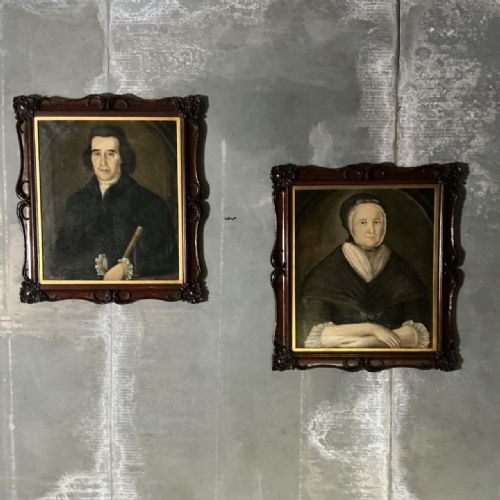
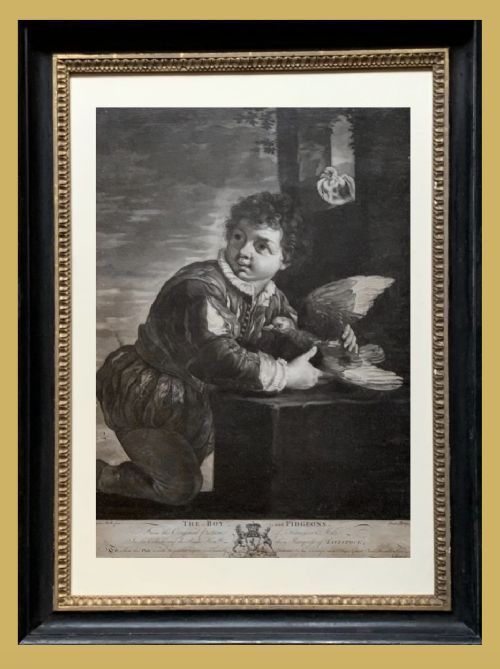
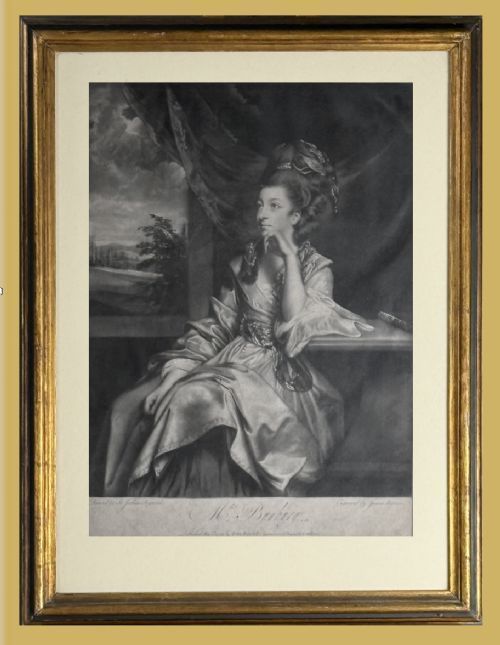
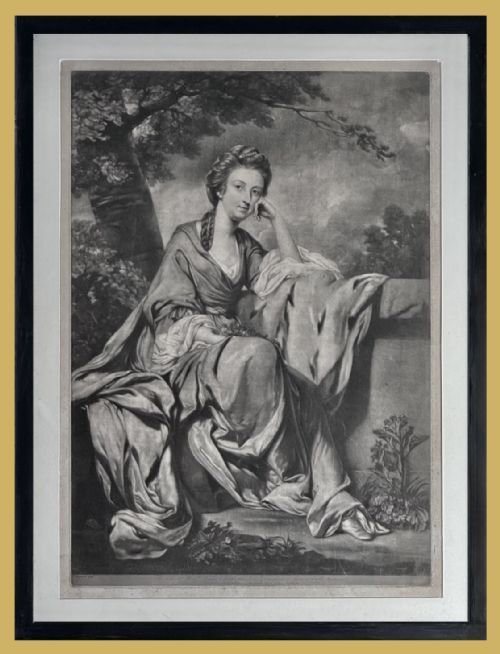
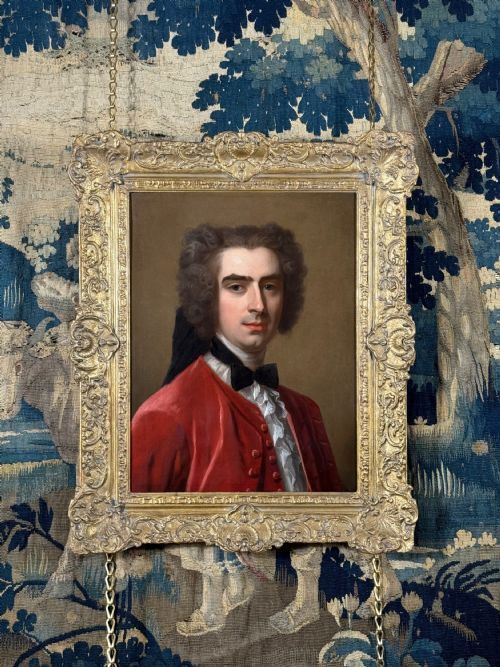
When exploring georgian framed art, collectors encounter a diverse range of works spanning oil paintings, portrait miniatures, cut-paper silhouettes, and printed mezzotints. These pieces predominantly capture likenesses of nobility, gentlemen, and ladies, alongside occasional pastoral and genre scenes.
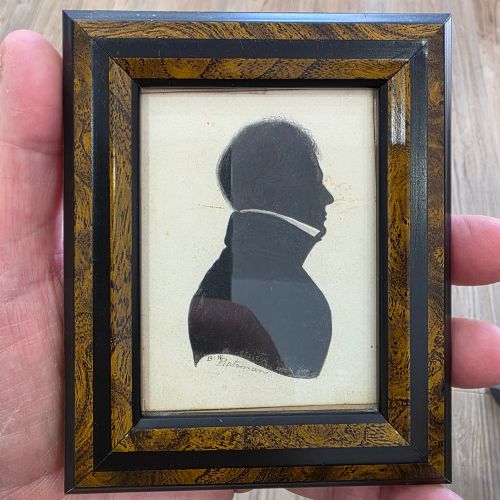
The most common formats on this page include oil on canvas portraits from the eighteenth century and delicate silhouette miniatures executed in ink, paper, or watercolour. Regency and early nineteenth-century additions frequently present refined paper silhouettes alongside panel paintings.
Origins stretch from British studios to Northern European schools, preserving historical figures and anonymous sitters alike within their original or period-appropriate frames. The grouping bridges grand portraiture and intimate domestic keepsakes.
Materials and Construction
Makers utilised canvas, wood, paper, and glass to construct these works, frequently applying oil paint, ink, and watercolours by hand. Mezzotints and stipple engravings introduced printed lines enhanced with manual colouring.
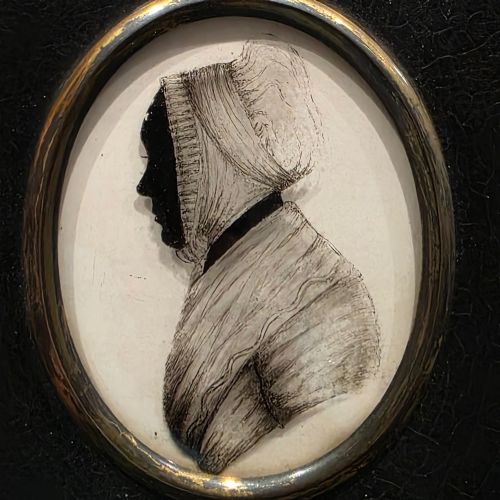
Giltwood frames house the majority of these pieces, providing a reflective metallic border that complements the dark tones of oil on canvas and pastel works. Cut-paper silhouettes often incorporate delicate reverse glass painting techniques to add depth to the profile.
Georgian Framed Art Retail Price Guide 2026
Typical asking prices for georgian framed art among the pieces listed under this phrase on Sellingantiques today, from the lower quarter to the upper quarter. They describe what is for sale here now, not the wider market.
Listings incorporate works spanning from the seventeenth century through the Regency era and into the mid-nineteenth century.
Markers of Quality
The integrity of the frame and the preservation of the original medium heavily influence the standing of a piece. Works retaining undisturbed glass, original gilding, and clear inscriptions command greater attention from collectors.
Sir Godfrey Kneller·Charles Jervas·Michael Dahl·Sir Joshua Reynolds·William James Hubard·Francesco Bartolozzi·Henry Bone
The Georgian Framed Art Glossary
- Mezzotint
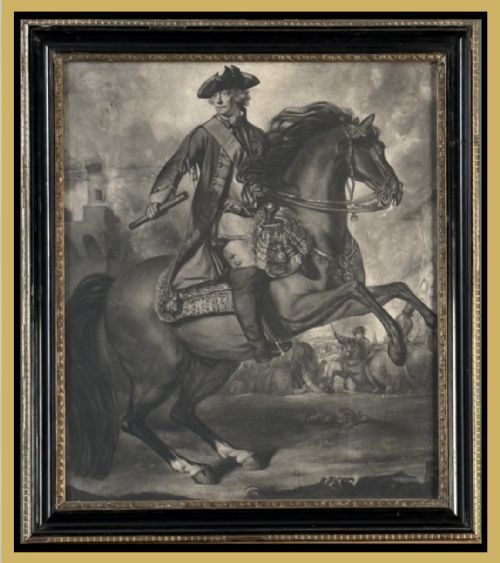
- A printmaking process of the printmaker scraping a roughened metal plate to achieve tones and rich dark areas. This technique produced tonal portraits after major painters.
- Silhouette
- A solid shape of a person's profile cut from black paper or painted onto card or glass. These shadow portraits gained immense popularity during the Regency period.
- Stipple engraving
- A method of rendering an image by dotting the printing plate rather than cutting lines. It created soft tonal gradations ideal for reproducing drawings.
- Giltwood
- Wood carved and coated with gold leaf or a gold-coloured finish. It formed the decorative border for most formal fine art of the period.
- Portrait miniature
- A small, highly detailed painting usually executed on vellum, card, or ivory. These personal items were frequently kept in protective cases or frames.
Georgian Framed Art: Frequently Asked Questions
What subjects appear in Georgian framed art?
The subjects are predominantly human figures, capturing specific historical personalities, nobility, and private citizens through portraiture.
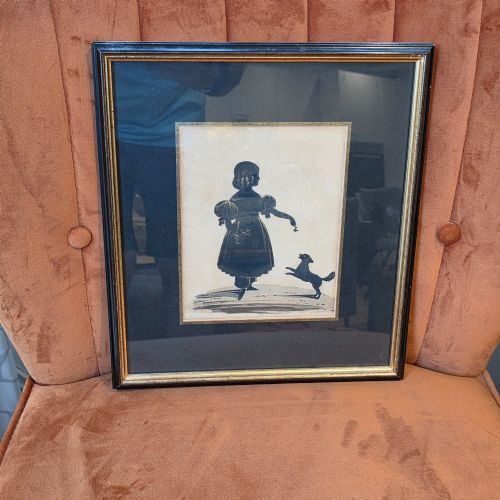
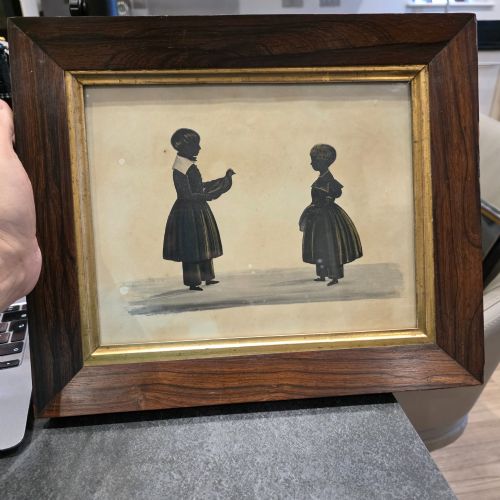
Artists also recorded family groups, children with pets, and occasional equestrian scenes.
How do you date a silhouette?
Dating relies on the costume of the sitter, the framing materials, and any signature or inscription on the reverse.
Early examples often feature painted details on glass, whilst Regency pieces lean towards cut paper with watercolour accents.
Where should these artworks be hung?
These pieces require stable indoor environments away from direct sunlight and excessive moisture to protect paper and canvas.
They pair effectively with period interiors, study walls, or mixed gallery arrangements alongside older furnishings.
What is the difference between an engraving and an oil painting here?
Engravings are printed works on paper, sometimes hand-coloured, allowing multiple copies of popular portraits to circulate.
Oil paintings are unique hand-painted canvases or wood panels executed directly by the artist.