
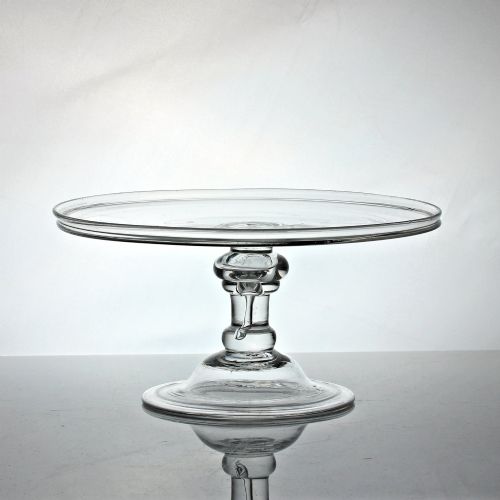
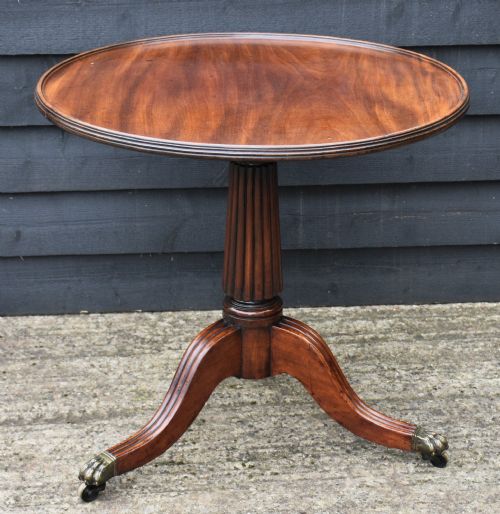
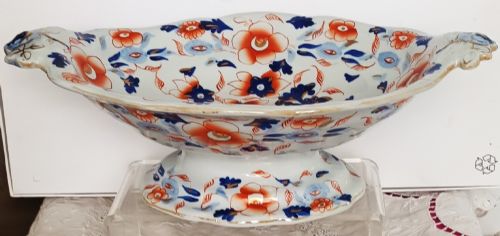
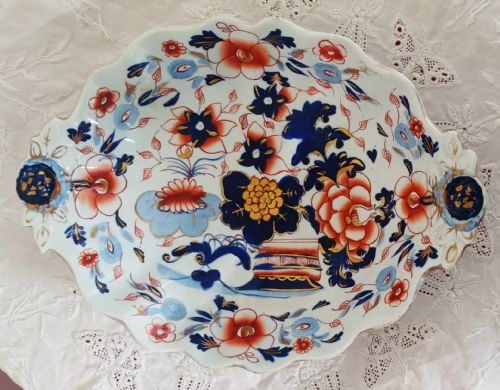
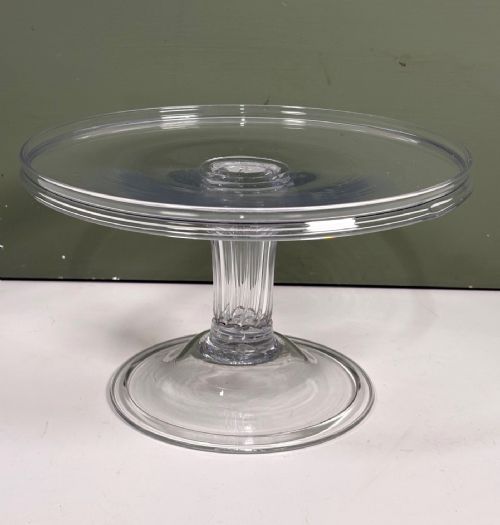



Georgian Footed Dish
A georgian footed dish brings raised presentation and proportion to a table, spanning silver, glass, and ceramic forms.
Georgian Footed Dish
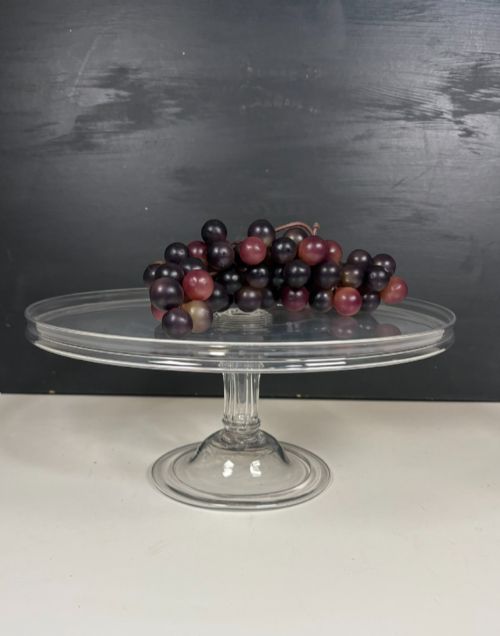
A georgian footed dish elevates food or display objects above the surface, appearing as tazzas, comports, and sweetmeat glasses across the eighteenth and nineteenth centuries.
The materials span clear lead glass, sterling silver, ironstone china, and pearlware, reflecting diverse dining and display traditions.
Forms include baluster glasses, transfer-printed earthenware, and silver patens, often associated with dessert courses and sweet service.
How they were made
Makers shaped lead glass through blowing and cutting, forming stems with baluster knots and terraced feet.
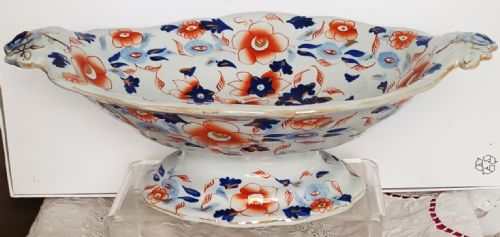
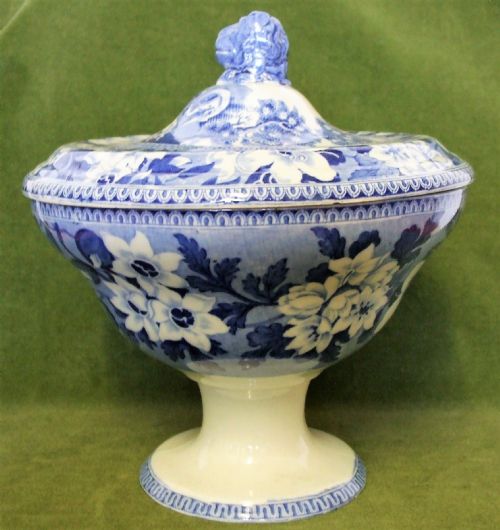
Silver dishes involved hammering, casting, and piercing, while ceramics combined moulded earthenware with transfer-printed blue and white glazes or Japan patterns.
Some early sweetmeat glasses feature tiny folded rims designed to catch escaping syrup before it ruined the tablecloth.
What varies in quality
Proportion and weight dictate the presence of a piece, particularly in heavy lead glass and solid silver where metal gauge and stem complexity matter.
Decoration ranges from simple moulded rims to intricate pierced lattices and detailed transfer printing, determining the fineness of the finished article.
William Garrard·John Rogers and Son·Minton·Fenton
The Georgian Footed Dish Glossary
- Tazza
- A shallow bowl or plate mounted on a stem and foot, used for serving fruit or sweetmeats.
- Comport
- A footed dish designed for table service during dessert courses.
- Baluster
- A turned architectural support shaped like a vase, frequently seen on glass stems.
- Paten
- A small plate or dish, often in silver, used for serving or ecclesiastical purposes.
Georgian Footed Dish: Frequently Asked Questions
What were georgian footed dishes used for?
These elevated pieces served sweetmeats, fruit, and small cakes during formal dessert courses following the main meal. Their height added visual drama to the table arrangement.
Hosts also utilised them on sideboards for display when dining was finished, showing off fine glass clarity or ceramic transfer patterns.
How do I identify glass periods?
Early eighteenth-century pieces often feature baluster stems with air bubbles or heavy lead content that gives a deep ring when tapped. Terraced feet and folded rims point towards earlier manufacturing methods.
Later examples move towards thinner, sharper cutting and simpler stem formations without the heavy knops of the earlier decades.
How should I clean silver dishes?
Sterling silver requires gentle washing with warm water and mild soap, avoiding harsh abrasives that scratch the surface or wear down hallmarks. Soft cloths maintain the natural lustre.
Store them away from direct sunlight and damp environments to prevent tarnishing and protect any applied patination.
Can I use these dishes daily?
Glass and ceramic versions handle gentle everyday use if washed by hand rather than placed in modern dishwashers. Sudden temperature changes can crack old glass or craze soft earthenware glazes.
Silver dishes benefit from regular handling, which prevents heavy tarnish from settling into intricate pierced work.