
Georgian Folded Leaf Table
A georgian folded leaf table brings versatile surface space and timber character into a room without dominating the floor plan.
Georgian Folded Leaf Table
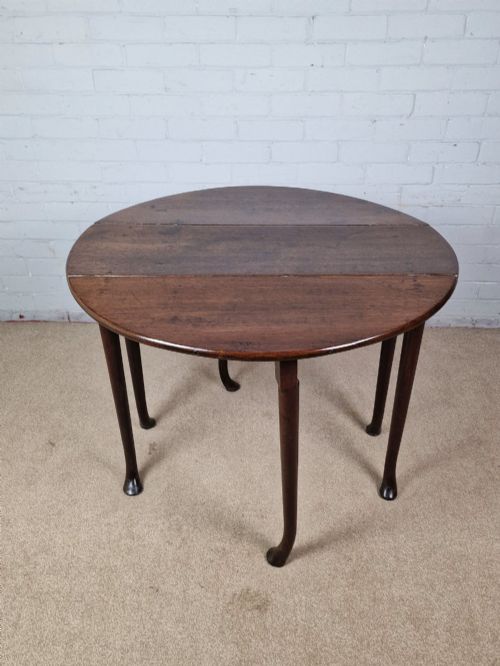
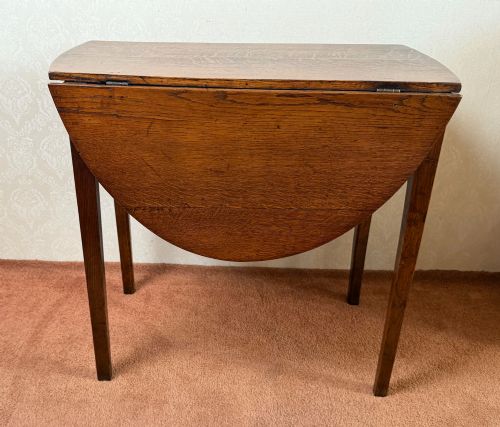
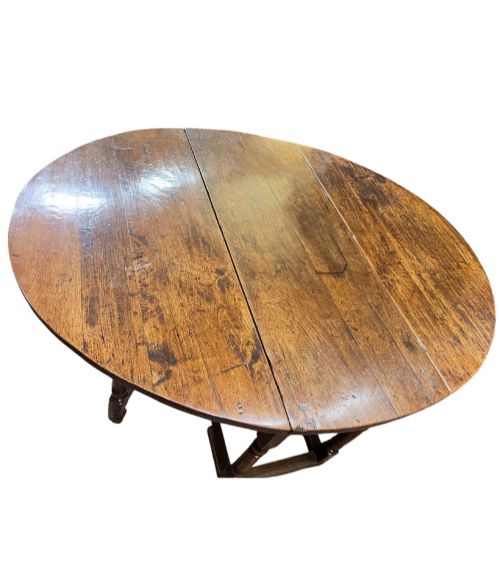
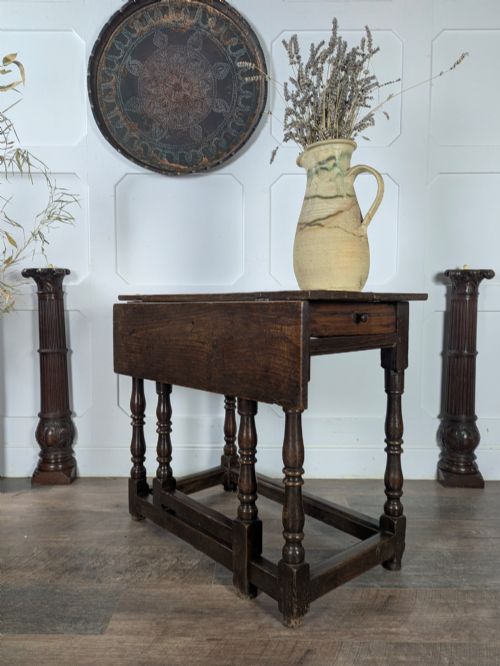
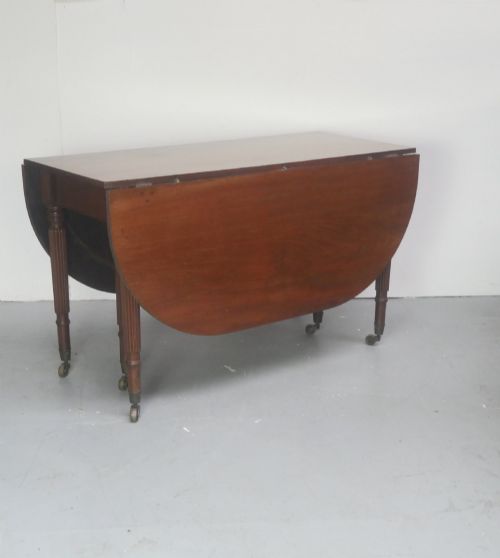
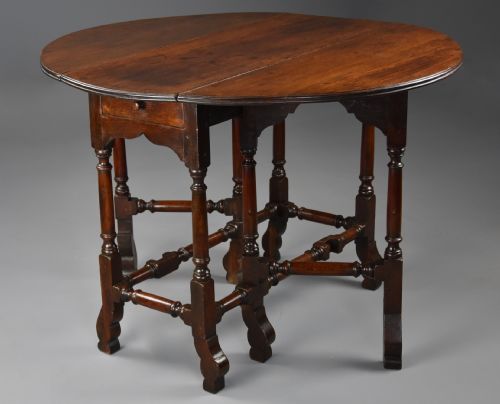
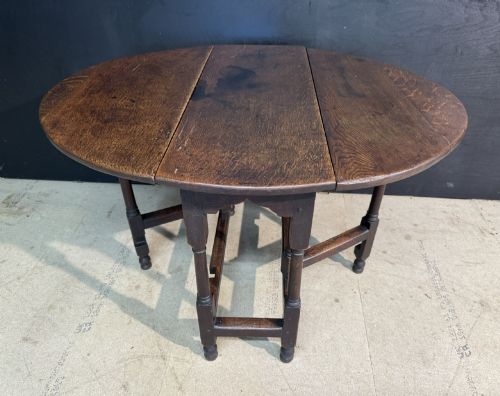
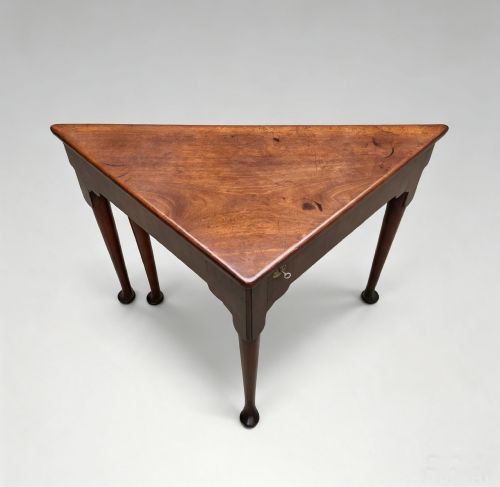
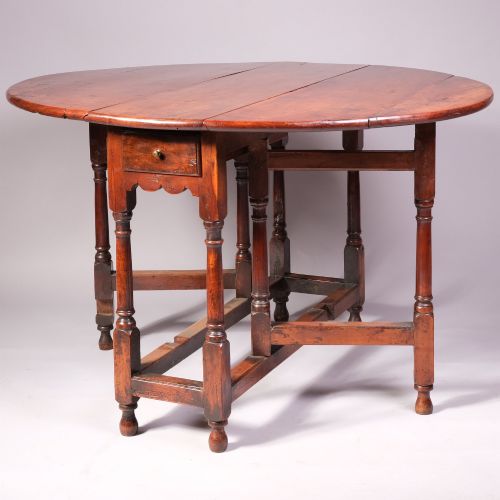
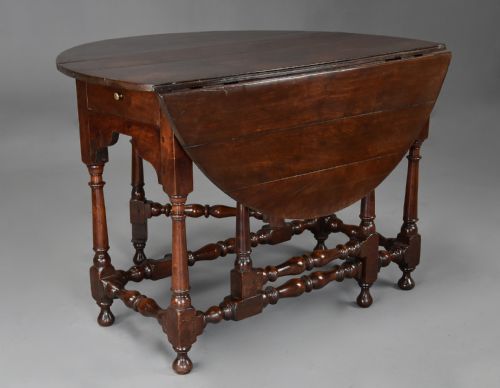
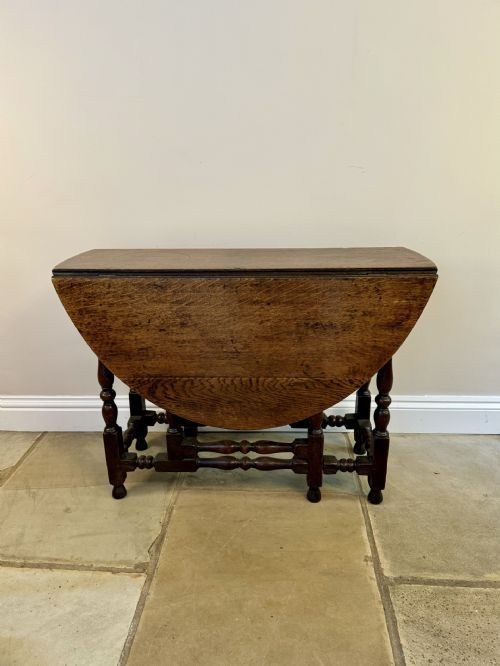
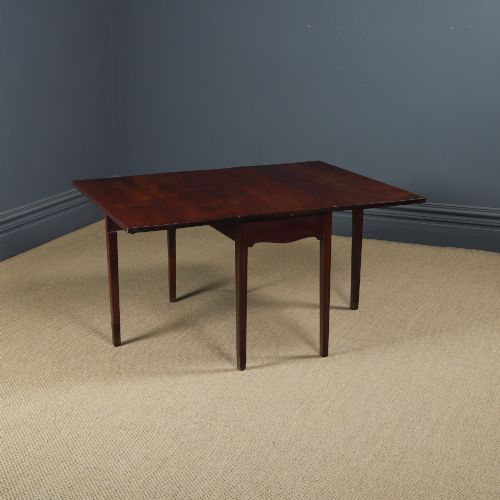
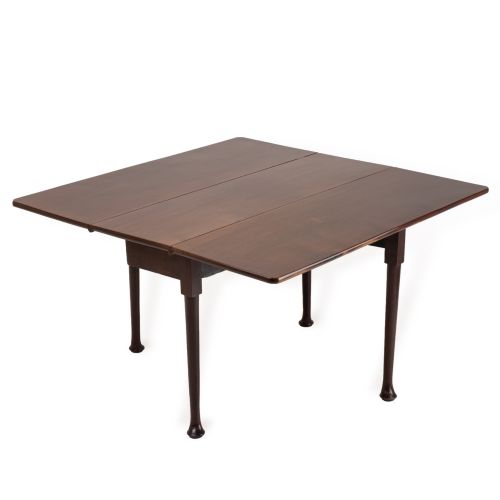
A georgian folded leaf table appears across dining, occasional, and card formats spanning the eighteenth and nineteenth centuries. These pieces utilise drop leaves, gate legs, or folding actions to expand surface area when needed. Oak, mahogany, and walnut dominate the forms, reflecting the timber choices of Georgian cabinet makers.
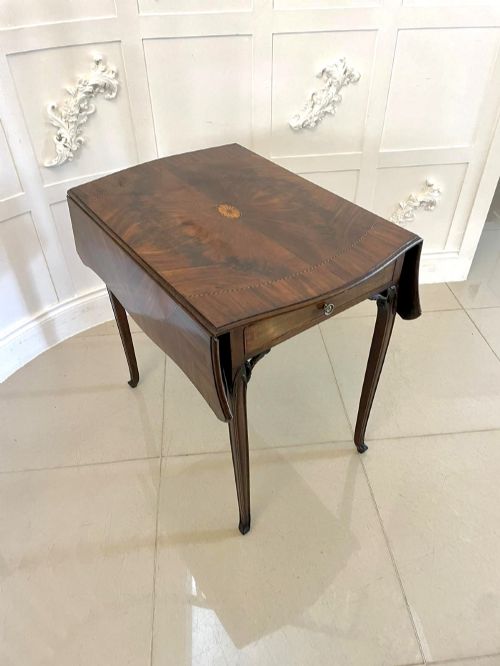
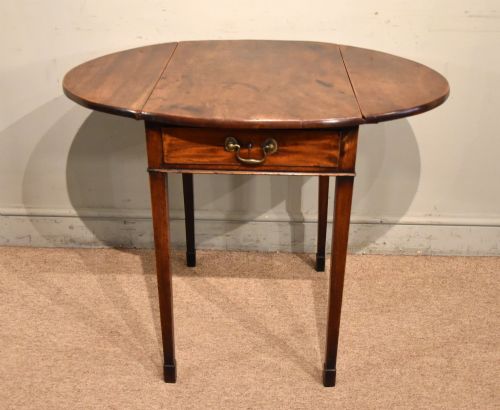
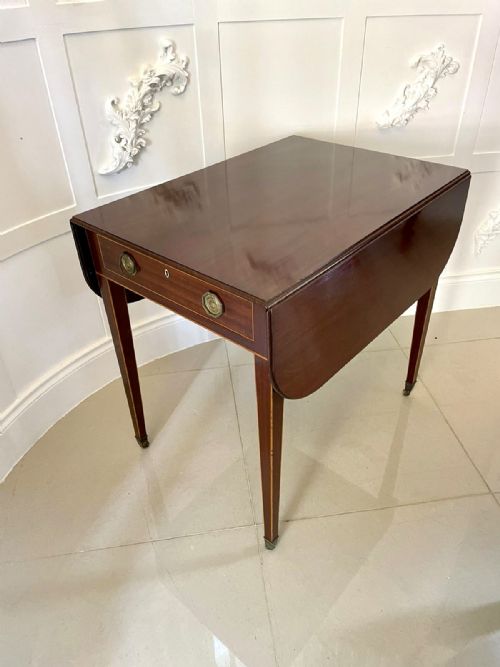
Gateleg and drop leaf dining tables sit alongside Pembroke tables and games tables within the selection. Examples range from early walnut and solid oak pieces to later satinwood and mahogany designs, representing various styles from Queen Anne to Regency.
Materials and Construction
Cabinet makers constructed these tables primarily in solid mahogany, oak, and walnut, frequently incorporating brass hinges and fixings for the folding mechanisms. Inlaid satinwood, boxwood, and iron components appear on specific Pembroke and card tables from the period.
Turned baluster legs, spider legs, and straight supports provide the structural framework for the drop leaves and folding tops. Joinery methods rely on traditional framing to support the weight of the hinged leaves during daily use.
Listings span the 17th, 18th, and 19th centuries, featuring oak, mahogany, walnut, and satinwood.
Distinction in Craft
The selection of timber grain and the integrity of the folding mechanism separate standard examples from finer works. Timber choice, from figured Cuban mahogany to burr walnut, dictates the visual depth of the surface.
Precision in the joinery around the gate legs and hinge placements determines how smoothly the leaves operate. Well-executed turning on the legs and balanced proportions when extended indicate superior workshop output.
The Georgian Folded Leaf Table Glossary
- Gateleg table
- A table with hinged leaves supported by legs that swing outward like a gate. This construction provides robust support for drop leaves.
- Pembroke table
- A small rectangular table with two hinged drop leaves and typically one or two drawers. It functions as a versatile occasional or writing surface.
- Card table
- A folding top table designed for gaming, often featuring a baize-lined interior and a swivelling or hinged leaf. These pieces date prominently to the Georgian and Regency periods.
- Drop leaf table
- A table featuring a fixed central section and movable leaves that drop down at the sides. Brackets or folding legs hold the leaves level.
Georgian Folded Leaf Table: Frequently Asked Questions
How do you open a gateleg table?
Swing the pivoted leg outward from the central frame until it locks into position beneath the dropped leaf.
Lower the leaf carefully so it rests flat upon the extended support wooden bar.
Where should a Pembroke table go?
Place the table beside a sofa or chair with the leaves dropped to save floor space in compact rooms.
Raise the leaves when you need an extra surface for writing or placing lamps.
How are card tables used today?
Keep the top folded against the wall as a console or side table in a hallway or living room.
Open the turnover leaf to create a small writing desk or display area when guests visit.
What timber is most common?
Mahogany and oak appear most frequently across the eighteenth and nineteenth century listings on this page.
Walnut and satinwood also feature in specific regional or decorative examples.