


Georgian Figurative Artwork
Georgian figurative artwork brings people into rooms through portraits, genre scenes and dramatic historical moments painted or printed across the centuries.
Georgian Figurative Artwork
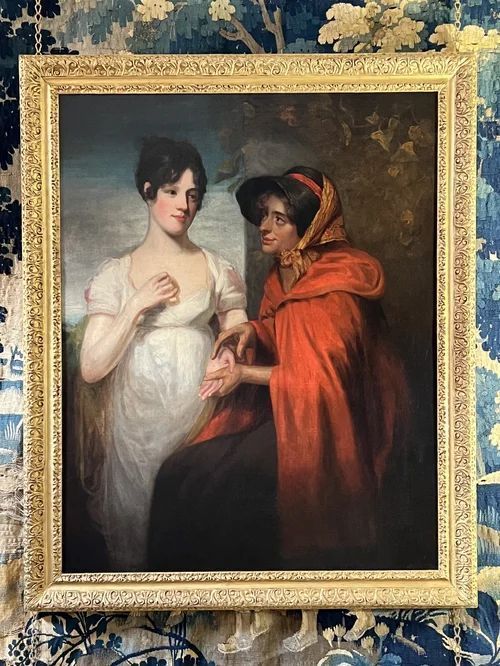
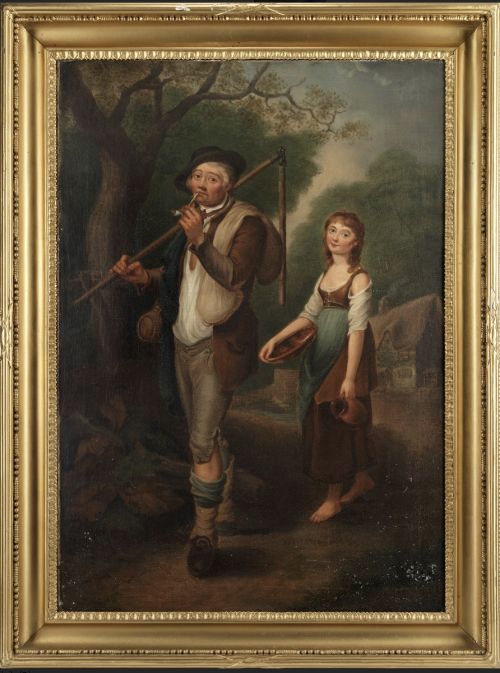
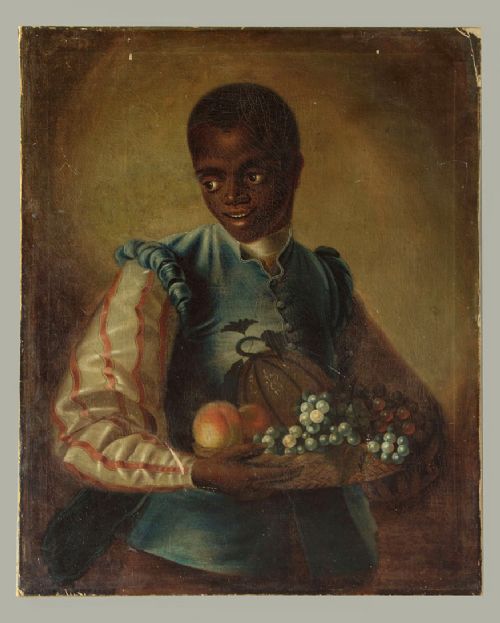
When you search for georgian figurative artwork, you encounter painted and printed depictions of people spanning the eighteenth and nineteenth centuries, along with later revivals. The selection on this page centres on oil paintings on canvas and copper, alongside needlework pictures, coloured etchings, and mezzotints. You find portraits of servants and actors alongside genre scenes of countryside life and domestic industry.
The pieces cross several periods, extending from the eighteenth century and the Regency era into Victorian and Edwardian interpretations. Styles range from Rococo and English Historicist to Edwardian Genre. Wall art formats include framed prints and oils, capturing subjects from fortune tellers to gentlemen in gardens.
Materials and methods
Makers utilised oil paint on canvas and copper supports, applying pigments to build up layered compositions. Other works rely on paper for coloured etchings and mezzotints, capturing fine lines through printmaking techniques. Needlework pictures employ thread on fabric to render figurative designs by hand.
Frames incorporate wood and gold leaf, creating giltwood surrounds that protect and elevate the artworks. These traditional media reflect the standard workshop practices of the periods represented.
Expect painted servants and theatrical villains to stare down visitors from the wall.
Distinctions in execution
The degree of anatomical precision and facial expression distinguishes stronger examples from simpler productions. Painters handle light and shadow with greater subtlety in works that capture depth in drapery and skin tones.
The handling of secondary elements, such as background foliage and interior furnishings, reveals the level of training behind the piece. Framing materials, including original giltwood, contribute to the overall integrity of the object.
John Opie RA·Thomas Barker of Bath·William Jones of Bath·John Sanderson Wells·Frank Moss Bennett·Henry Singleton RA·George Clint
The Georgian Figurative Artwork Glossary
- Genre painting
- A depiction of everyday subjects and ordinary people engaged in domestic or social activities. These scenes offer insight into historical manners and dress.
- Mezzotint
- A printmaking process of the intaglio family where the artist works from dark to light by roughening the copper plate. This technique produces rich tonal gradations.
- Giltwood
- Wood that has been coated with gold leaf or gold paint for decorative effect. It appears frequently on the frames surrounding historical paintings.
- Oil on copper
- A painting executed on a thin sheet of metal rather than canvas or wood panel. This surface provides a smooth ground that preserves fine detail.
- Needlework picture
- A textile artwork created by stitching threads onto a canvas or linen backing to form a pictorial image. These pieces often emulate contemporary painted compositions.
Georgian Figurative Artwork: Frequently Asked Questions
What subjects appear in these works?
The artworks show human figures in various settings, including portraits of specific individuals and genre scenes of rural life. You see domestic moments like cottage wives at work alongside literary and theatrical portrayals.
Other compositions depict historical figures on stage, outdoor garden gatherings, and narrative moments such as fortune telling or finding a bird's nest.
How do oil paintings on copper differ?
Paintings executed on copper plates provide a rigid, non-absorbent support that holds fine brushwork with exceptional clarity. This method prevents the cracking sometimes seen in canvas supports over long periods.
Artists favored copper for small-scale works where precise detail and luminous colour saturation were paramount.
What defines a mezzotint print?
A mezzotint is an engraved print created by roughening a metal plate evenly to produce solid dark areas, then smoothing spots to create lighter tones. This process yields velvety blacks and subtle transitions without relying on traditional line hatching.
Publishers used this method to reproduce popular paintings for domestic display.
How should I care for needlework pictures?
Needlework textiles require protection from direct sunlight to prevent the fading of coloured threads. Keeping them behind UV-filtered glass inside a stable environment helps preserve the fabric fibres.
Avoid hanging these textile pieces in damp rooms where moisture can weaken the backing materials.
Are all these pieces from the eighteenth century?
While several works originate in the eighteenth century, the selection includes pieces from the Regency era and the Victorian period. Later Edwardian interpretations also appear alongside pieces dated specifically around eighteen hundred.
Styles span from Rococo to English Historicist and Edwardian Genre across this timeline.