
Georgian Female Portrait Painting
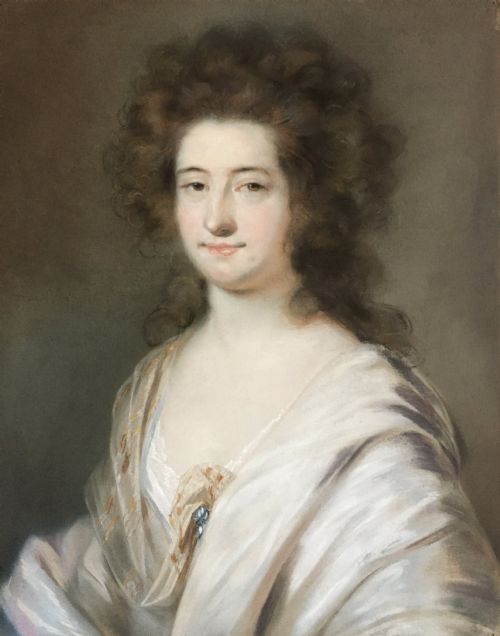
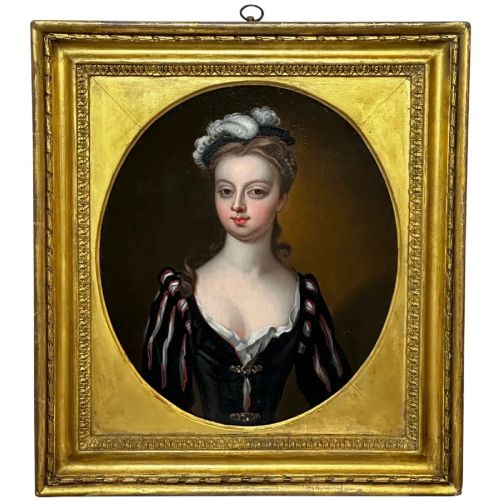
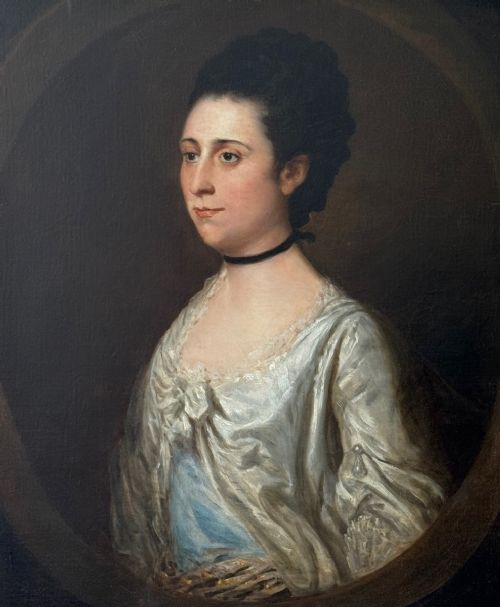
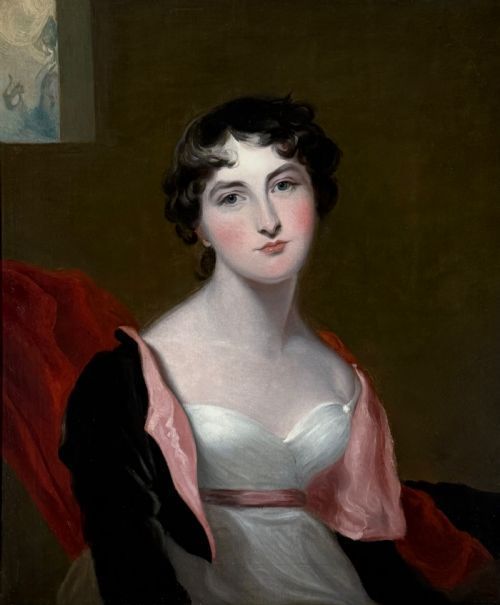
A georgian female portrait painting captures the likenesses of women in oils, pastels, and watercolours across the eighteenth and nineteenth centuries.
Georgian Female Portrait Painting
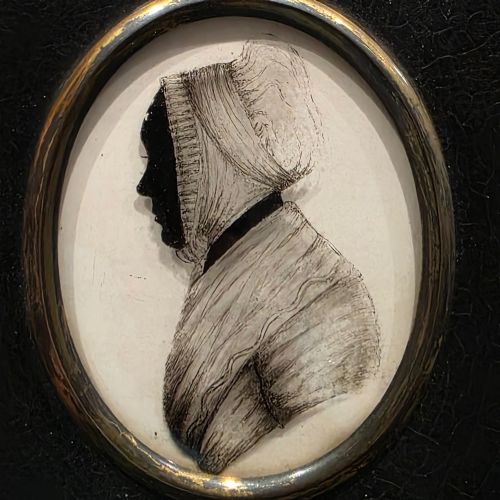
A georgian female portrait painting encompasses works executed in oil on canvas, pastel, and watercolour, depicting women from the eighteenth century into the Regency and Victorian eras. These likenesses range from intimate portrait miniatures and reverse-painted silhouettes to large canvases originating from British and continental schools.
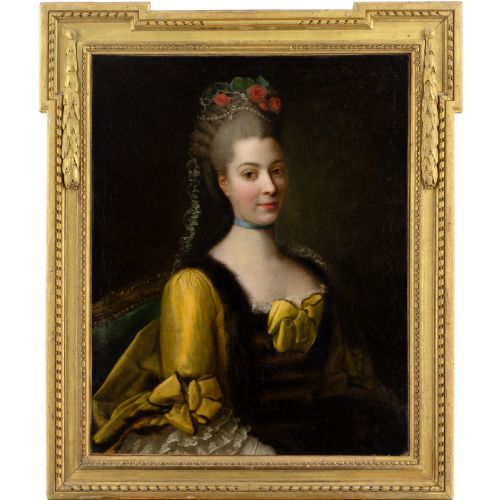
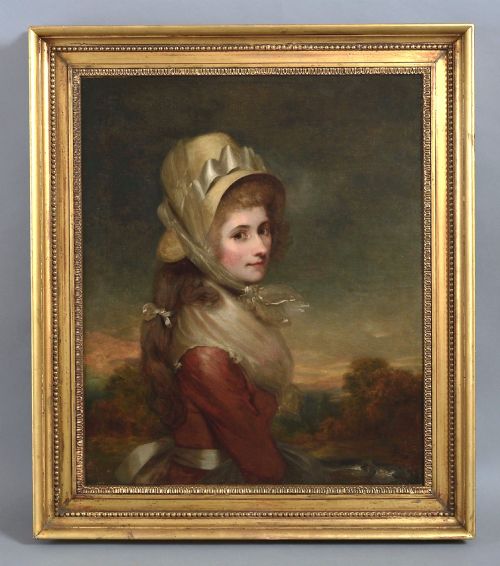
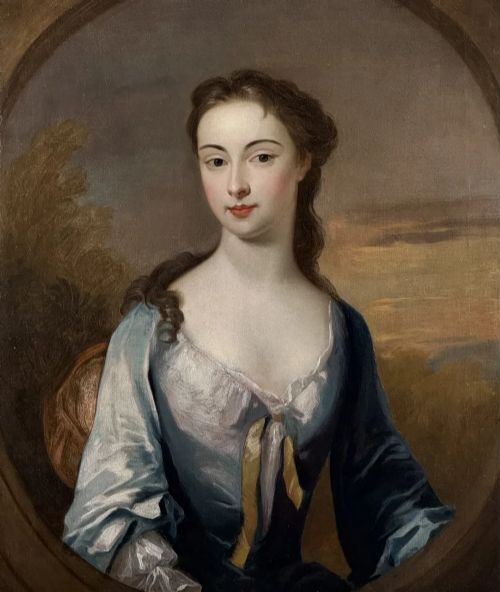
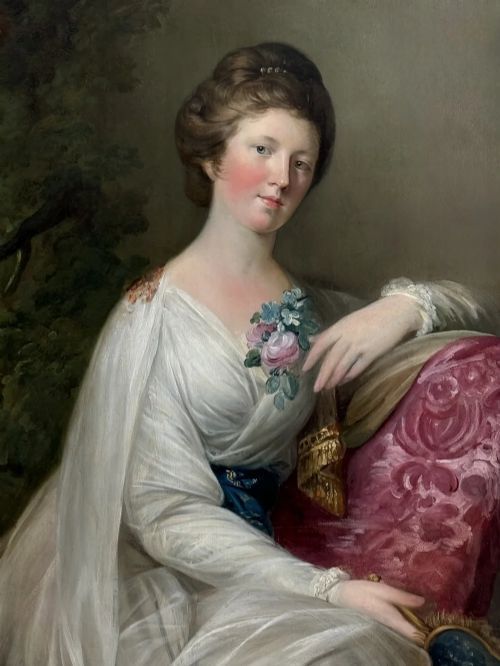
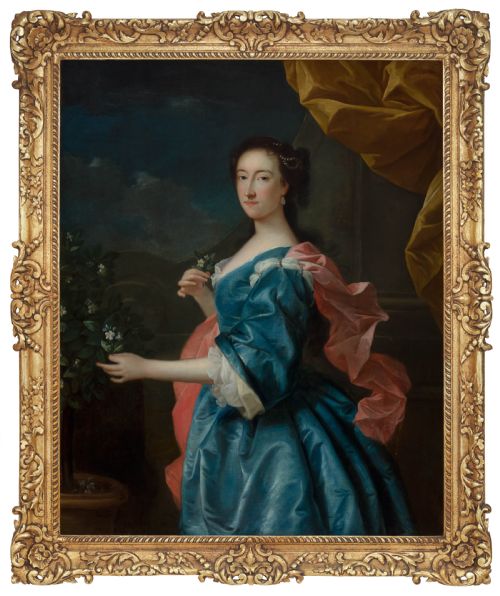
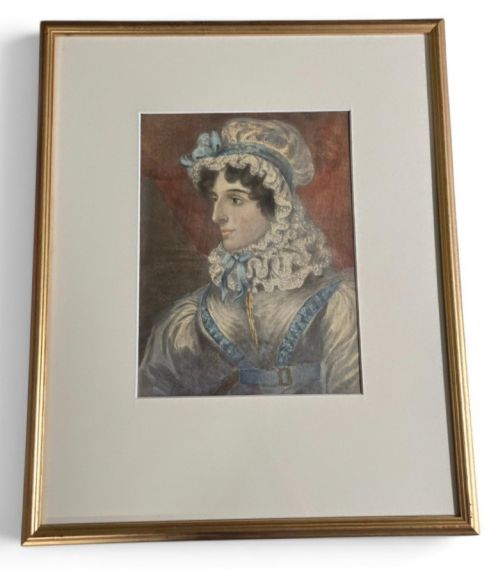
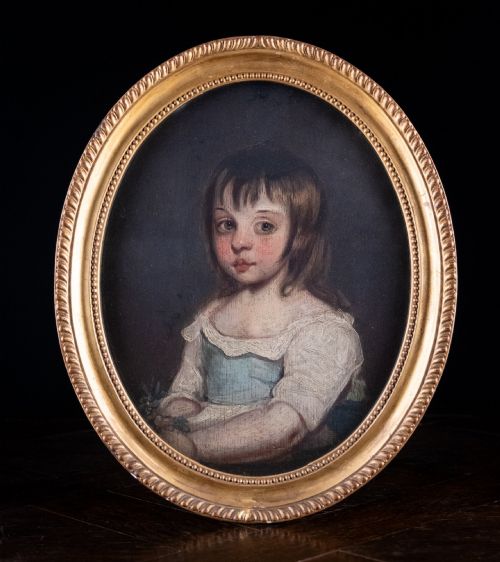
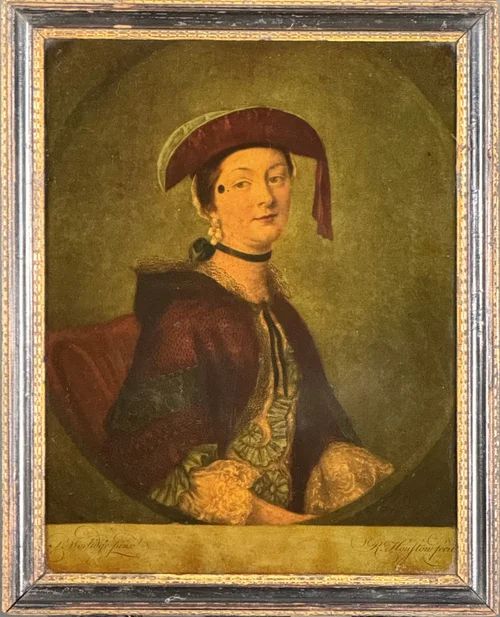
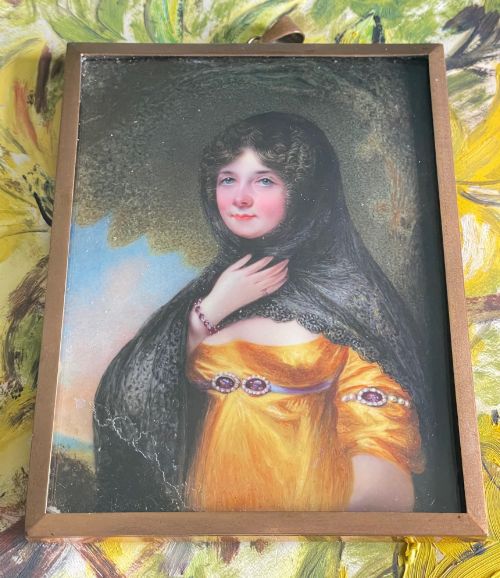
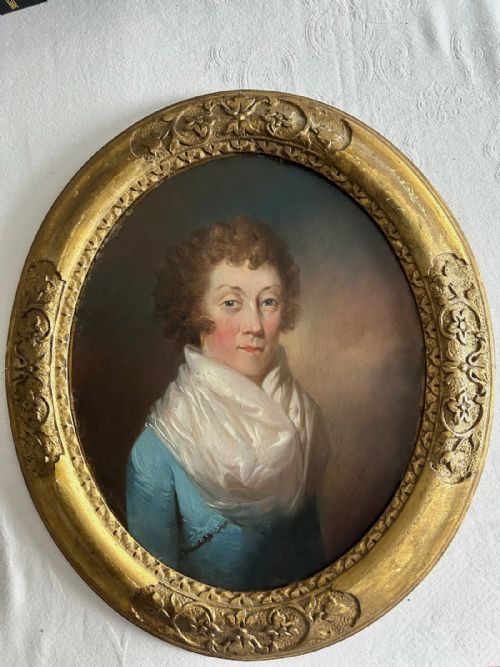
The pieces on this page include oils attributed to studio circles and named artists, alongside pastels and watercolours framed in original giltwood or glass. Subjects appear in specific attire, from yellow or blue dresses to bonnets and silk gowns.
Many works connect to specific sitters documented in the period, while others represent anonymous sitters, country girls, or classical subjects styled as sibyls. The selection bridges formal studio portraiture and delicate domestic miniatures.
How They Were Made
Framing forms an integral part of the construction, utilising carved and gilt wood, ebony frames, or glazed oval mountings designed to protect the fragile paper or canvas surfaces beneath.
Sitters wear yellow dresses, blue gowns, bonnets, and orange blossom.
What Varies In Quality
The skill of the brushwork in capturing facial expression and fabric folds separates studio pieces from lesser works. Mastery of light on silk, lace, and skin determines the success of a portrait.
The survival of original materials, including untouched canvas, contemporary pastels, and period giltwood frames, influences the integrity of the piece. Attribution to recorded hands or established studios also shapes the standing of a work.
Charles Jervas·George Willison·Jeremiah Davison·Charles Spooner·Horace Hone·John Russell·John Vanderbank·Thomas Beach·Sir Thomas Lawrence·Sir Allan Ramsay·John Opie·Henry Pickering·Adriana Verelst·Christian Friedrich Zincke
The Georgian Female Portrait Painting Glossary
- Oil on Canvas
- Pigment mixed with drying oil applied to a woven fabric support. This surface allowed artists to achieve rich tones and durable layers.
- Portrait Miniature
- A small-scale likeness created on ivory, vellum, or paper. These compact pieces were often glazed and framed for personal display.
- Giltwood
- Wood carved and coated with a thin layer of gold leaf. It provided ornate framing for formal paintings.
- Reverse Painted
- A technique where the image is applied directly to the back of glass for viewing from the front. This method protects the paint layer from atmospheric damage.
Georgian Female Portrait Painting: Frequently Asked Questions
What periods do these portraits cover?
The works span the eighteenth century, the Regency period, and into the nineteenth century, including Victorian and Edwardian examples.
Most pieces date from the Georgian era, reflecting changing portraiture conventions across those decades.
How were portrait miniatures displayed?
Miniatures were typically housed in small protective cases, gilt frames, or glazed lockets.
Their compact size allowed sitters to carry them or display them on intimate tabletop surfaces.
What mediums were used besides oil?
Artists frequently utilised pastels, gouache, watercolours, and enamel on various paper and glass supports.
These alternative mediums produced softer textures compared to traditional oil on canvas.
Are the sitters usually identified?
Some portraits record the names of specific individuals, complete with biographical notes or provenance.
Others depict anonymous sitters, country girls, or idealized figures styled after classical subjects.