
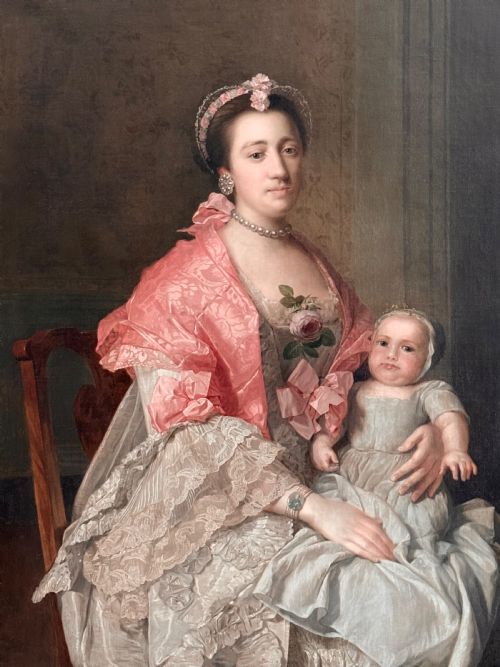
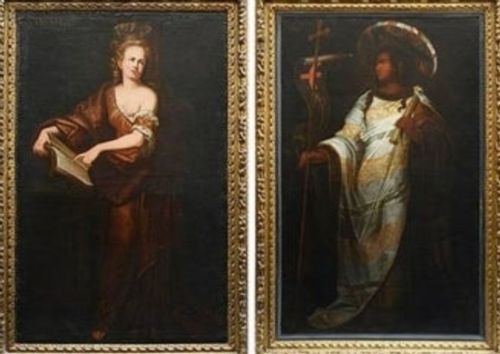
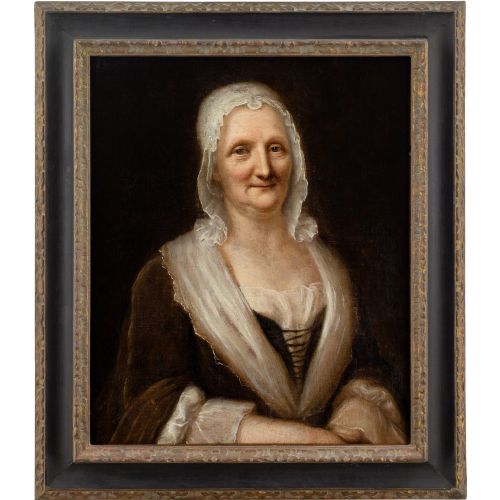
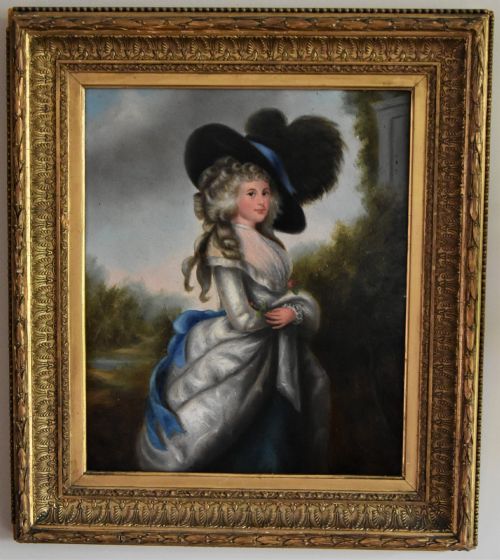
Georgian Female Portrait Oil
A georgian female portrait oil brings the character of past centuries directly onto the wall through layered pigments and painted canvas.
Georgian Female Portrait Oil
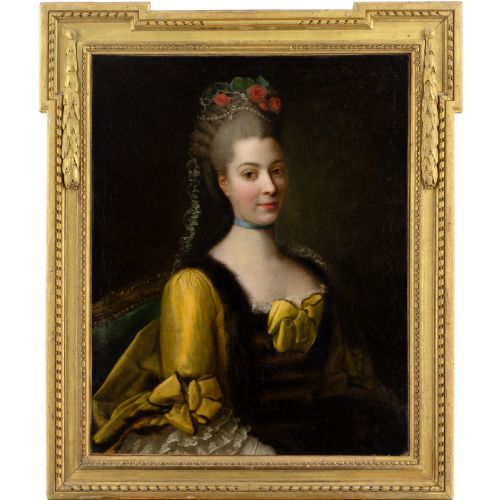
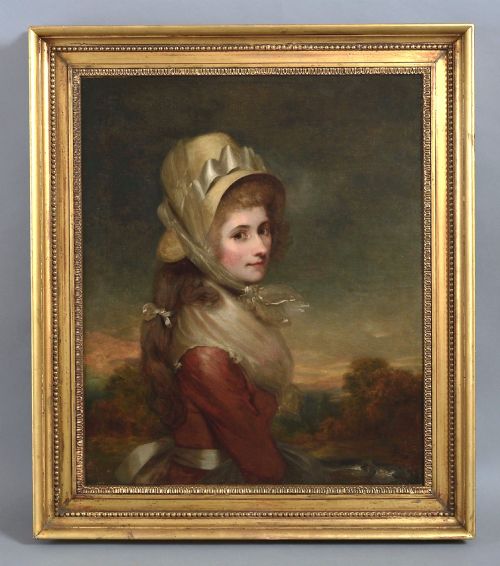
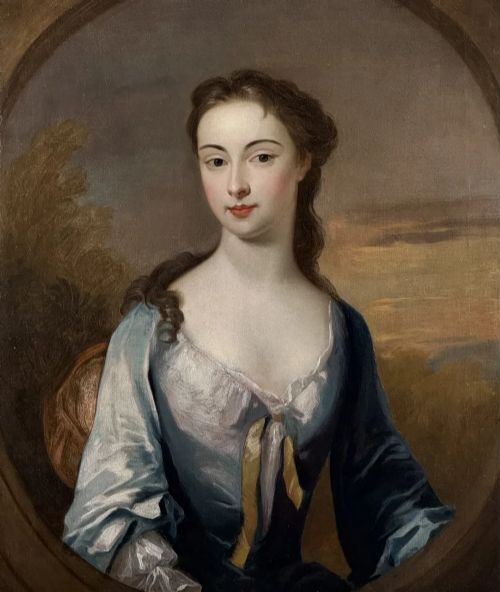
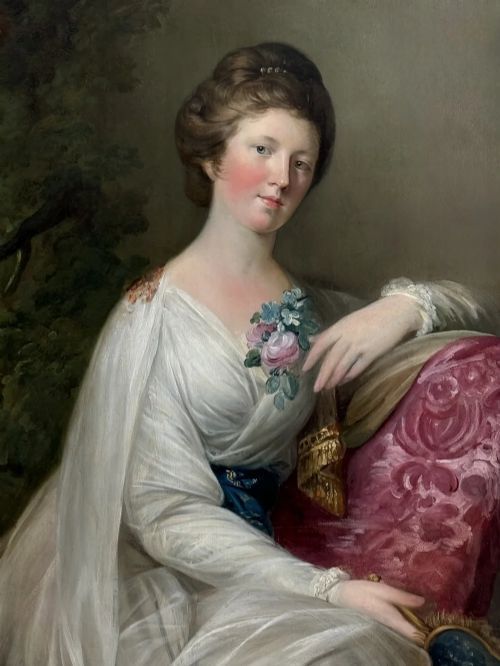
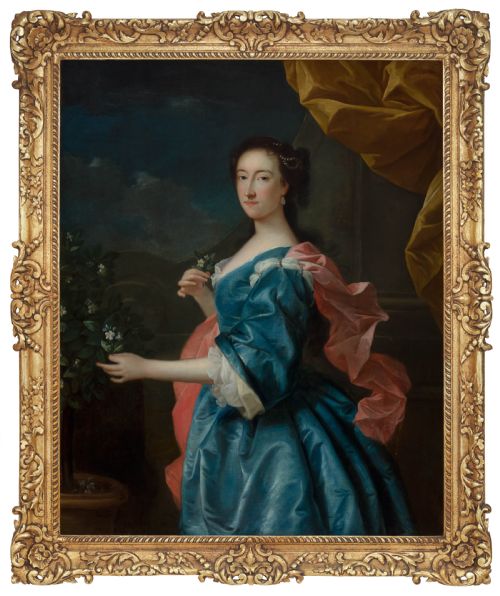
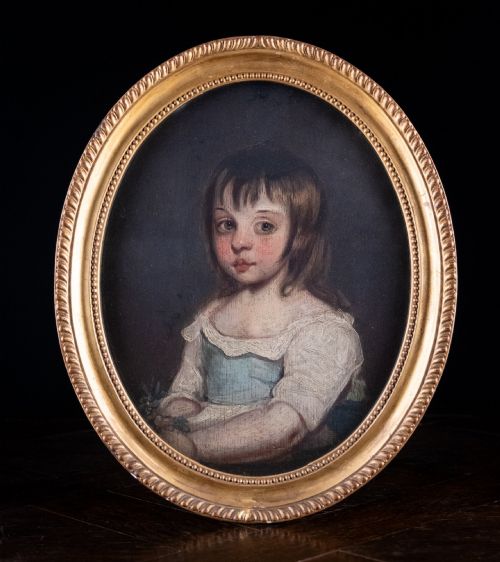
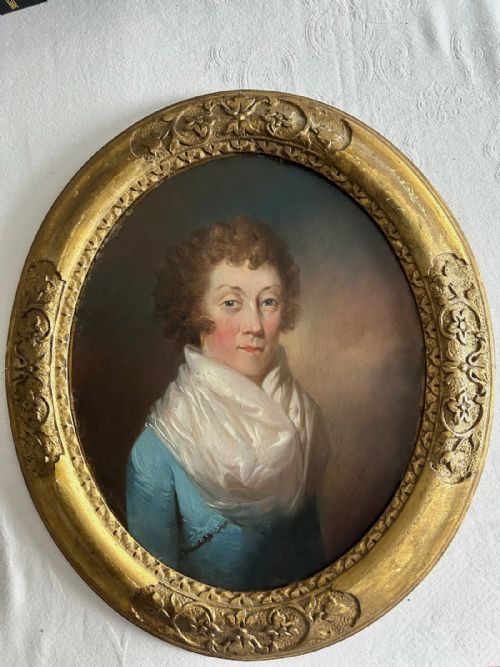
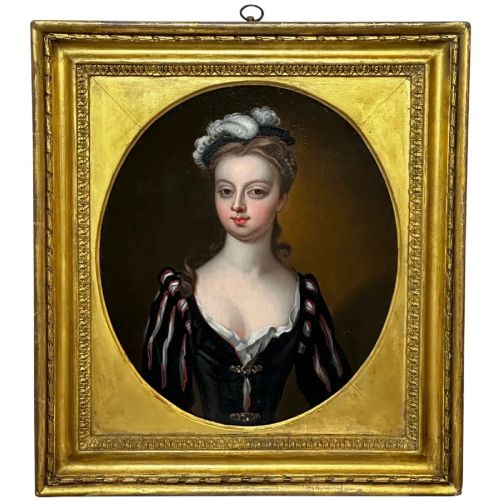
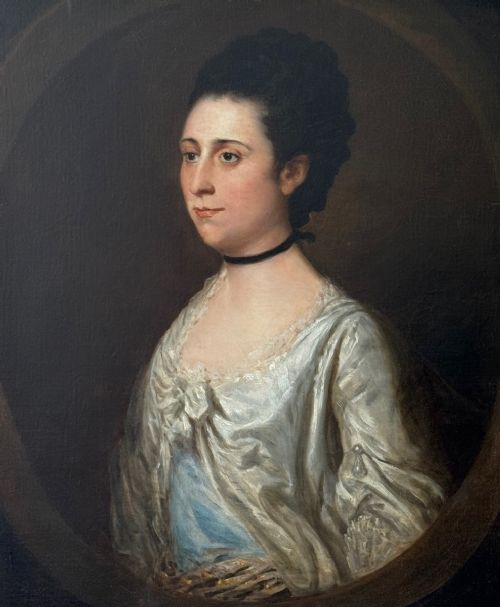
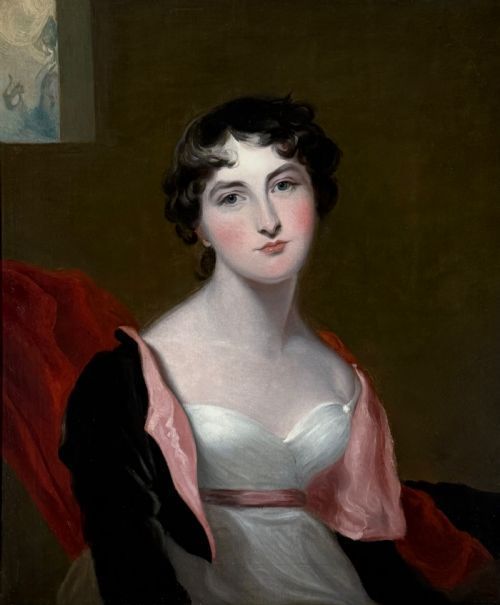
A georgian female portrait oil captures the likeness of women from the eighteenth and early nineteenth centuries, ranging from aristocratic ladies to country girls. The most common examples met in these listings are oil on canvas works produced by British and European artists working within portraiture traditions.
These canvases vary from intimate bust-length studies to grander framed depictions showing sitters in contemporary gowns, with occasional regional schools and later revival pieces appearing alongside primary-period works.
Materials and Construction
Painters applied oil paint to woven canvas supports, building up skin tones, fabrics and backgrounds through successive layers of pigment and medium. Canvases are frequently secured to wooden stretcher frames and housed within period giltwood or carved wooden surrounds.
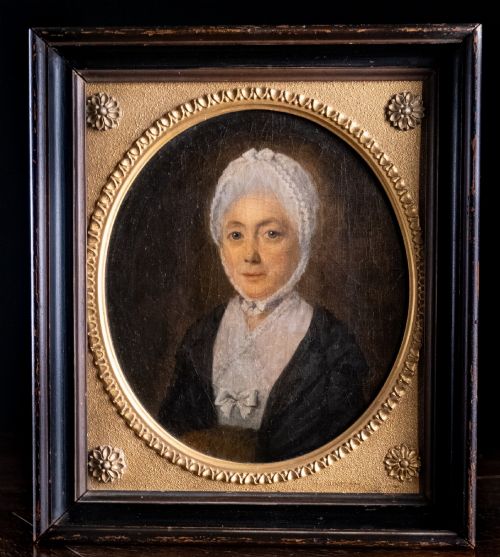
Frames often utilise gold leaf or gilded wood finishes that complement the warm tones of the oil paintings, with some later examples incorporating ebony framing or glazed mounts to protect the surface.
Listings feature works spanning the eighteenth century through to the Edwardian era, with oil on canvas and giltwood predominating.
Assessing Quality
The sophistication of the secondary support also marks out better examples, where original stretchers and period-correct giltwood frames remain intact rather than replaced by later substitutes.
Charles Jervas·George Willison·Jeremiah Davison·Thomas Beach·Sir Thomas Lawrence·Sir Allan Ramsay·John Opie·Henry Pickering·Louis William Desanges
The Georgian Female Portrait Oil Glossary
- Canvas
- A heavy woven fabric stretched tightly across a wooden frame to serve as the foundation for oil paintings. It provides a textured surface that holds layered pigments securely over centuries.
- Giltwood
- Wood carved and coated with a thin layer of gold leaf or metallic powder to create a bright, decorative frame finish. It is characteristic of formal portrait presentation from the Georgian period.
- Attributed to
- A term used when a work shows the distinct characteristics of a known artist's hand without definitive documentary proof of authorship. It relies on stylistic comparison with documented pieces.
- Studio of
- A designation indicating that a painting was produced within the workshop of a master artist, often under their supervision or following their established composition.
- Glazed
- Protected behind a fitted sheet of glass within the frame. This technique shields older oil paintings and prints from atmospheric dust and surface damage.
Georgian Female Portrait Oil: Frequently Asked Questions
How do I identify a Georgian portrait?
Georgian portraits are typically identified through the sitter's costume, hairstyles, and painting techniques characteristic of the eighteenth and early nineteenth centuries. Specific details like lace caps, silk gowns, and powdered hair often point directly to this era.
Examination of the canvas, stretchers, and framing materials also helps confirm the age of the piece. Written inscriptions or labels on the reverse sometimes provide additional provenance.
Where should I hang an oil portrait?
These portraits suit traditional living spaces, libraries, or hallways where they can be displayed at eye level on a solid wall. They benefit from stable environmental conditions away from direct sunlight and excessive moisture.
Pairing a portrait with period furniture or neutral wall colours allows the rich tones of the oil paint and the giltwood frame to stand out effectively.
What does after an artist mean?
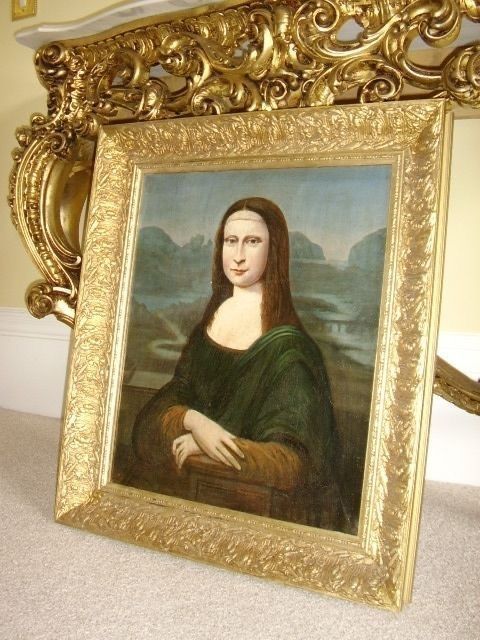
When a painting is described as being after a particular master, it indicates that the work is a later copy or a deliberate homage to an original composition. These pieces were often painted by students or followers to replicate a famous image.
Such works reflect the enduring popularity of iconic portraits while offering collectors a different price point and period of creation.