




Georgian Era Engraving
A georgian era engraving brings ink, paper and hand-colouring together into framed wall art that captures eighteenth-century portraiture, satire and cartography.
Georgian Era Engraving
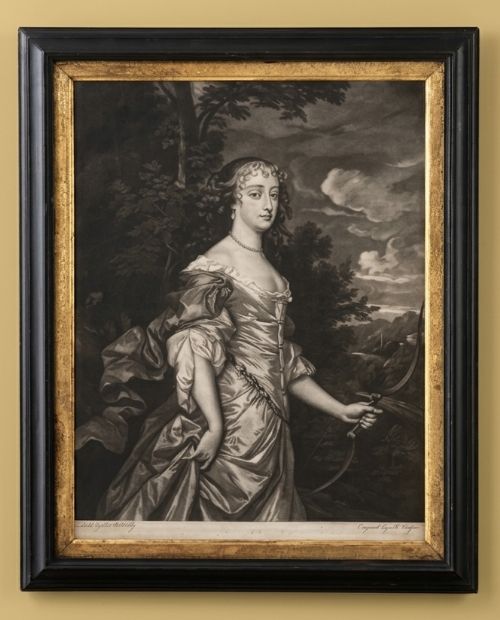
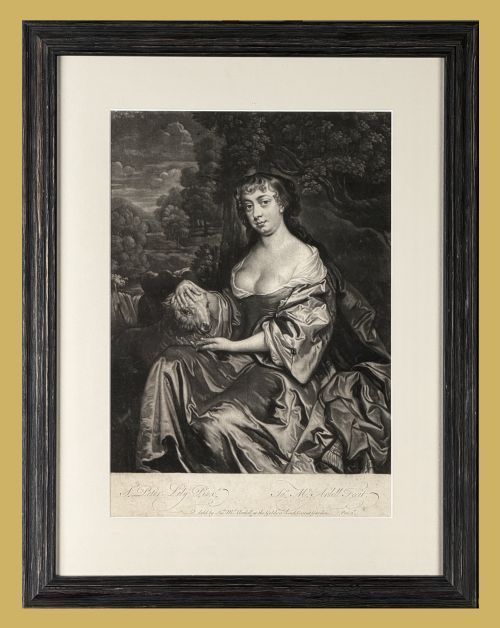
A georgian era engraving covers framed prints, wall art and copperplate engravings dating from the eighteenth century into the Regency period. These pieces span portraits, maps, social satires and classical subjects.
The most common examples on this page are framed prints and copperplate engravings, often mounted behind glass in period frames. Subjects range from natural history and anatomy to cartography and mythological scenes.
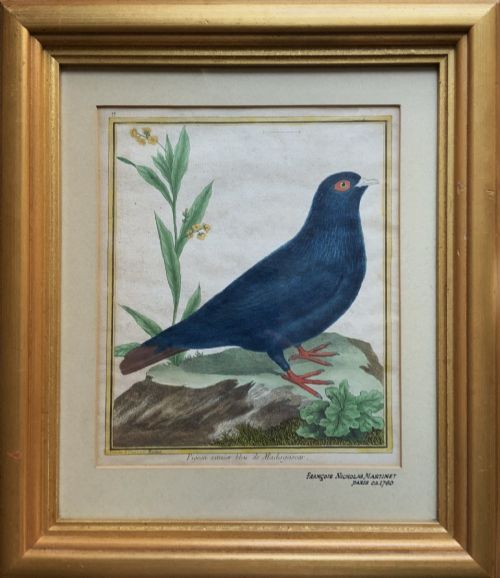
Originating across England and France, these works reflect the visual culture of the seventeen-hundreds. Buyers will find everything from botanical and bird studies to architectural plates and historical maps.
Materials and methods
Production relies primarily on paper, ink and copperplates, occasionally enhanced with watercolour highlights applied by hand. Frames utilise wood and gilt wood to house the prints.
Techniques include mezzotint and copperplate engraving, which allowed printmakers to transfer detailed lines and tonal gradations onto paper. Hand-colouring added vibrancy to natural history and illustrative plates.
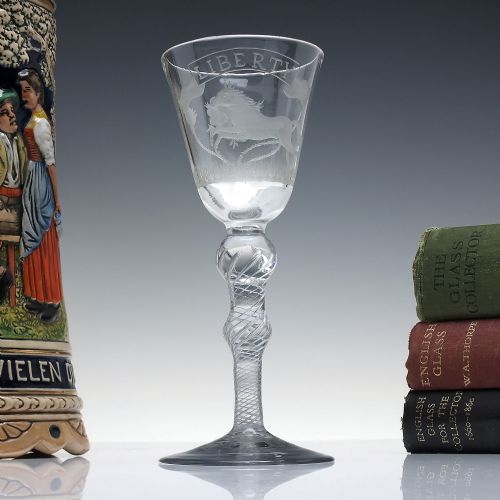
Pigeons, anatomical figures and Greek gods share wall space here alongside anti-Jacobite wine glasses and satirical social commentary.
Assessing quality
Quality rests upon the crispness of the plate impression and the preservation of the paper surface. Strong, clear lines indicate a fresh plate, whereas worn impressions appear soft and muddy.
The survival of original framing and contemporary hand-colouring elevates an individual piece. Condition is judged by the integrity of the paper and the absence of heavy staining or fading.
François-Nicolas Martinet·James MacArdell·Sir Joshua Reynolds·J. Mitan
The Georgian Era Engraving Glossary
- Mezzotint
- A printmaking process where the copper plate is roughened to achieve rich dark tones and subtle gradations of light. This technique became popular for reproducing oil paintings of notable figures.
- Copperplate engraving
- A method where an image is incised directly into a copper sheet using a sharp tool called a burin. Ink is then pressed into the grooves and transferred to paper under pressure.
- Cartography
- The study and practice of making maps, which during this era included decorative town plans, regional maps and world charts. These were often published in atlases before being framed.
- Hand-coloured
- A process where watercolour or pigment is applied by hand to a monochrome print after the printing stage. This added lifelike detail to botanical, ornithological and satirical subjects.
Georgian Era Engraving: Frequently Asked Questions
How do I care for an old paper engraving?
Keep framed prints out of direct sunlight to prevent the ink and any watercolour wash from fading over time. Maintain stable indoor humidity to protect the paper and the wooden frame.
Avoid hanging pieces in damp environments such as kitchens or unheated rooms. Professional framing with acid-free backing materials helps preserve the paper for the future.
Are these prints from the original date?
The listings on this page consist of period pieces printed in the eighteenth century and the Regency era. The titles supply specific approximate dates or periods for each work.
Examining the paper characteristics and plate marks helps confirm the age of the print. Most retain their historical context through contemporary framing or publication details.
What subjects are typical for these works?
The subject matter covers a broad spectrum of eighteenth-century interests, including portraiture, social satire, classical mythology and natural history. Maps and architectural antiquities also appear frequently.
Many plates were originally produced for books, scientific folios or independent art portfolios. They later found their way into frames suited to period interiors.
How do I distinguish between an engraving and a mezzotint?
An engraving relies on sharp, precise lines incised into the metal plate to form the image. Under magnification, you see clear network lines defining the subject.
A mezzotint builds up rich areas of tone and shadow rather than relying purely on lines. This creates a velvety surface texture that mimics painted portraits.