



Georgian Equestrian Art
Georgian equestrian art captures horses, riders, and rural pursuits through oil paintings, engravings, and drawings.
Georgian Equestrian Art
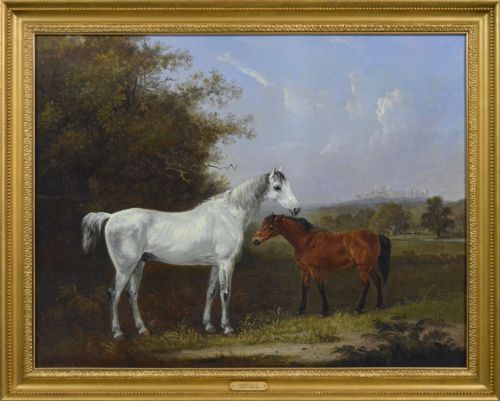
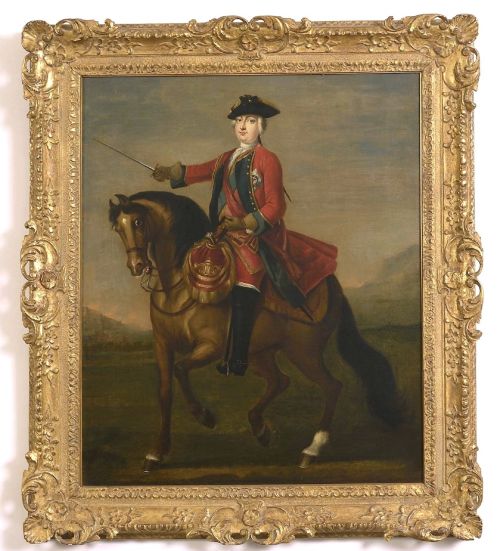
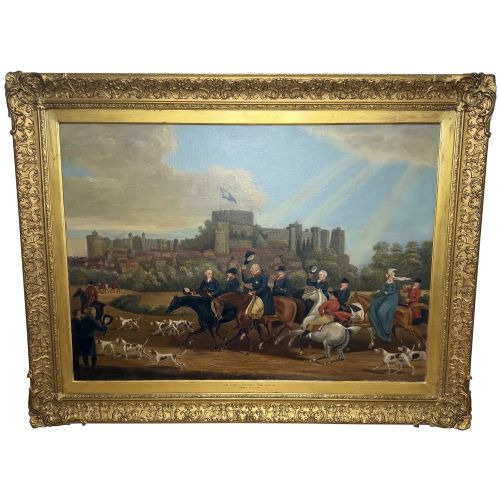
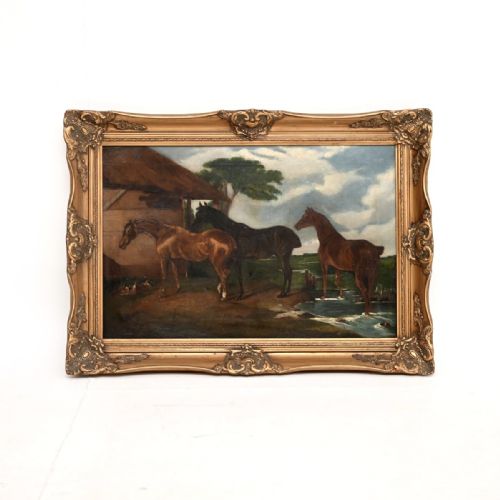
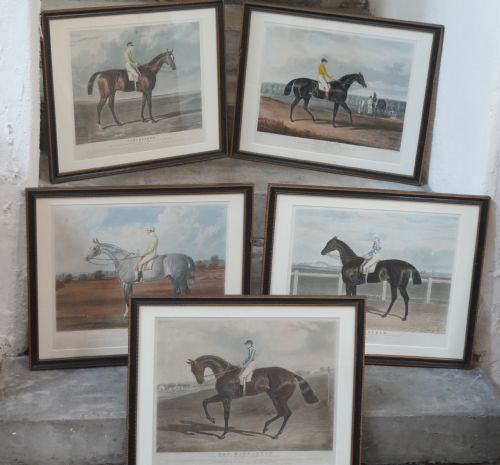
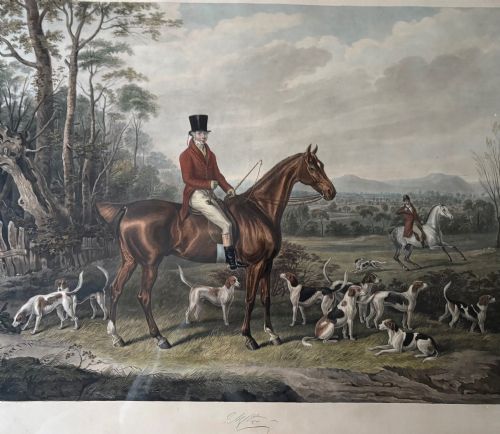
Georgian equestrian art focuses on horses, hunting scenes, and portraits set within landscapes. Buyers encounter oil paintings on canvas and wood panel, alongside hand-coloured copper engravings and mezzotints.
The selections span the eighteenth and nineteenth centuries, including works by named painters and continental schools. Pieces range from formal portraiture of riders with their estates to spirited depictions of coaches and hounds.
How They Were Made
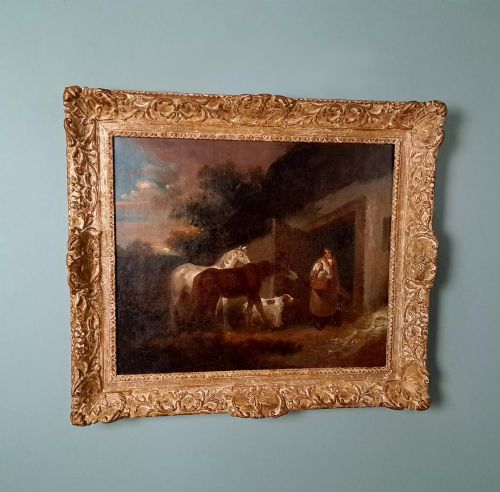
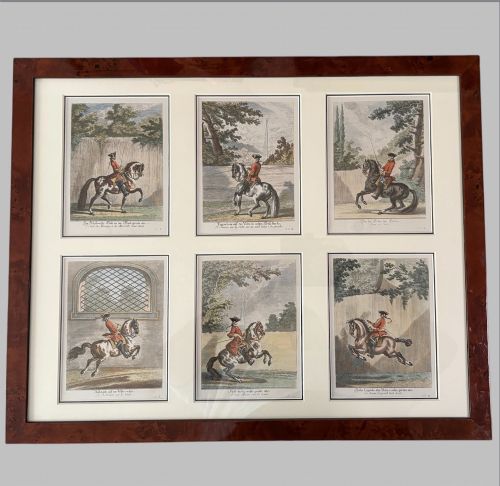
Artists applied oil paint to canvas, board, and pine panels, often capturing horses in natural light and detailed rural settings. Engravers worked copper plates to produce prints, which workers frequently hand-coloured with water-based pigments.
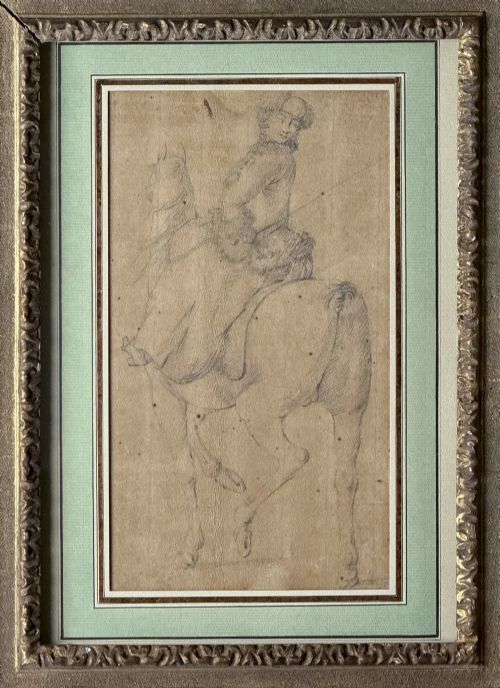
Paper, ink, and gold leaf appear across drawings, silhouettes, and aquatints, while other items utilise glass and carved wood.
Listings feature oil paintings, hand-coloured copper engravings, and drawings across the eighteenth and nineteenth centuries.
What Varies in Quality
Quality rests on the precision of the animal's anatomy, the fluidity of the brushwork, and the depth of the background landscape. Superior canvases render the texture of a horse's coat and the mood of the sky with distinct confidence.
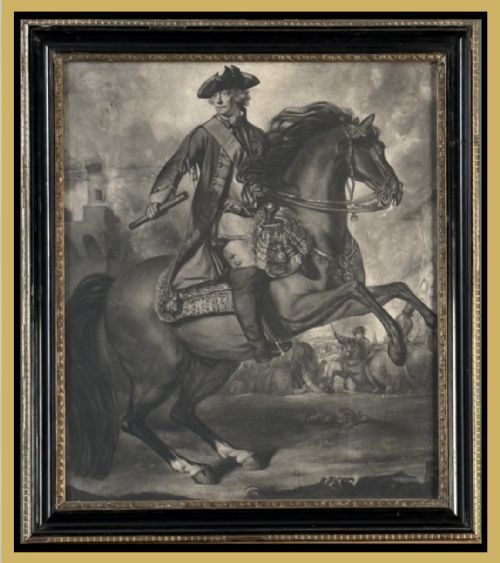
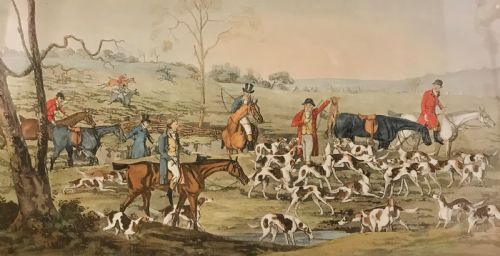
Print quality depends on the clarity of the line in early impressions and the care taken with hand-colouring. Works attributed to known sporting artists or skilled regional schools command closer attention for their compositional balance.
Edward Fisher·Sir Joshua Reynolds·John Wootton·Thomas Hudson·Ridinger·George Morland·John Sanderson Wells·W Williams·Abraham Cooper·John Augustus Atkinson·Clifton Tomson·Samuel Henry Alken·Johan Noah Bemmel·John Nost Sartorius·John Vine·W Ward·H Alken·Sam Howitt·James Barenger
The Georgian Equestrian Art Glossary
- Mezzotint
- A printmaking process where the copper plate is roughened to achieve rich tonal gradations. It allows for subtle shifts in light and dark, suited to portraits.
- Aquatint
- An etching technique that produces areas of tone resembling watercolours. Artists used this method to create multi-coloured sporting prints.
- Eglomise
- The process of applying gold leaf and painting on the reverse side of glass. This technique creates a reflective, decorative finish.
- Panel
- A rigid support for painting, often made of wood such as pine. These surfaces predated the widespread adoption of stretched canvas.
- Folk art
- Objects created by self-taught makers outside mainstream academic traditions. These pieces often display regional character and utilitarian materials like horn.
Georgian Equestrian Art: Frequently Asked Questions
What subjects appear in these works?
Paintings and prints typically feature horses, hunt masters, coaches, and estate grounds. Animals are shown in stables, racing, or resting near watering troughs.
Human subjects range from landowners and military figures to grooms and huntsmen in red coats.
How do I care for old oil paintings?
Keep canvases away from direct sunlight and sudden temperature shifts to prevent cracking in the paint layer. Dust surfaces gently with a dry, soft brush.
Avoid using water or chemical cleaners on historic oil paint or exposed wood panels.
How are prints different from original oils?
Original oil paintings are unique works created directly on canvas or wood with brush and pigment. Prints such as engravings and lithographs are multiple impressions pulled from a prepared plate or stone.
Many period prints received hand-colouring after printing to enhance their visual appeal.
Where were these pieces displayed?
Landowners originally hung large oil paintings in country houses, libraries, and estate dining rooms to celebrate their horses and land. Smaller engravings and drawings often decorated studies and hallways.
Today, these works suit traditional interiors, studies, and gallery walls.