

Georgian Engraving Artwork
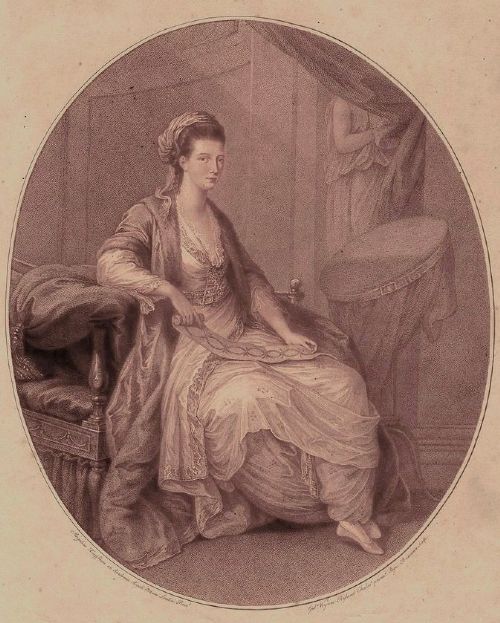
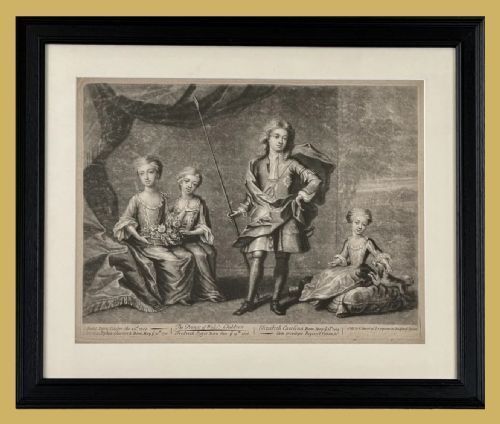
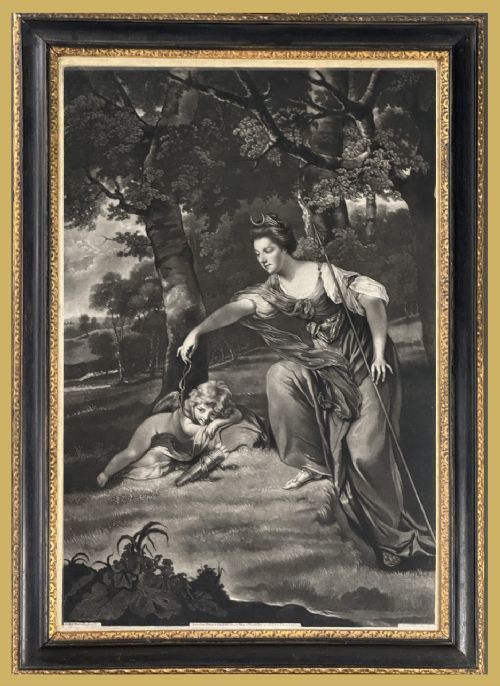
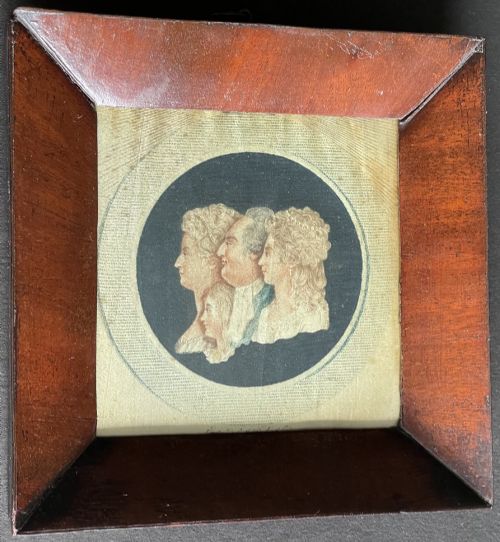
When buying georgian engraving artwork, you encounter printed plates recording portraits, classical allegories and historical scenes created across the eighteenth and nineteenth centuries.
Georgian Engraving Artwork
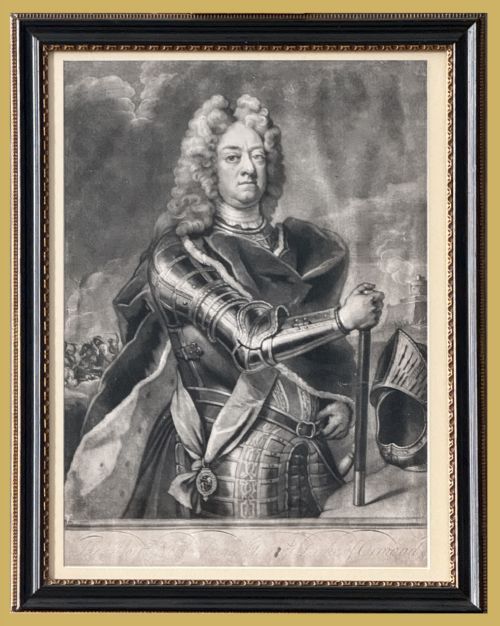
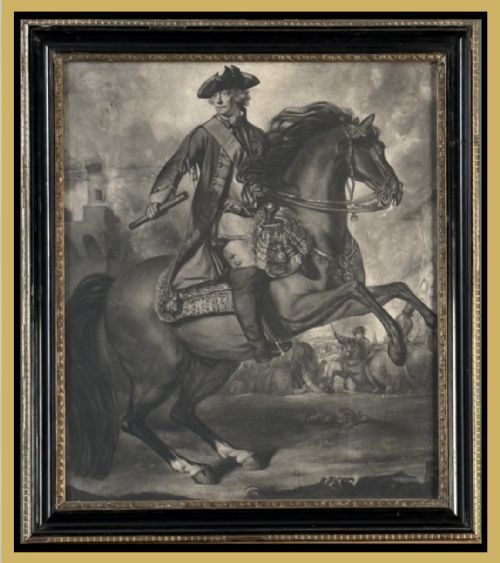
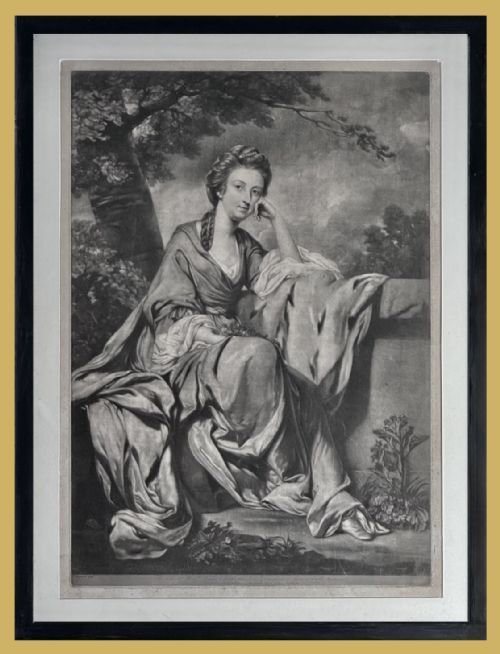
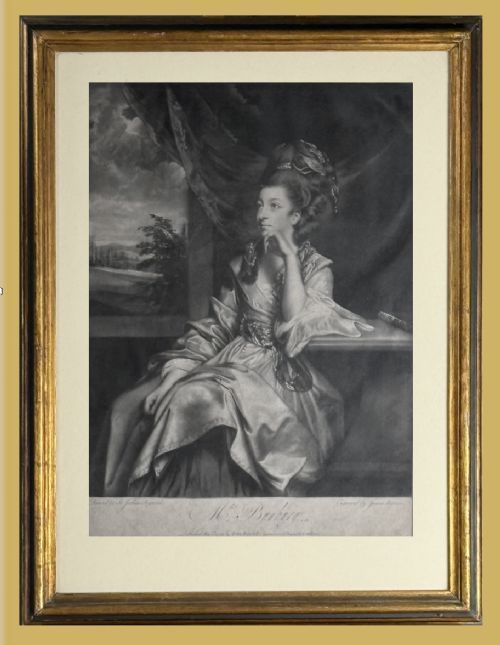
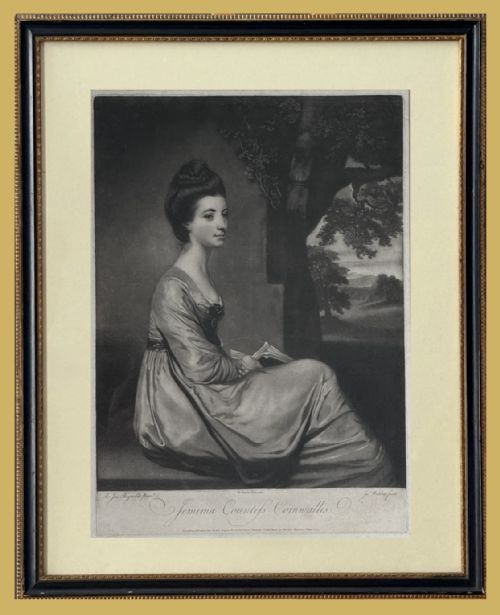
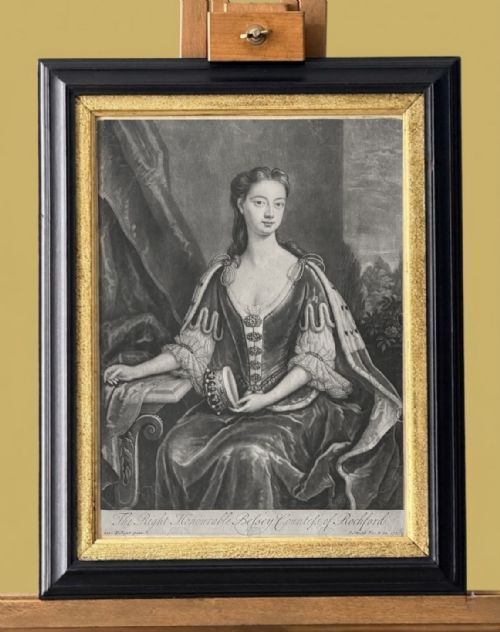
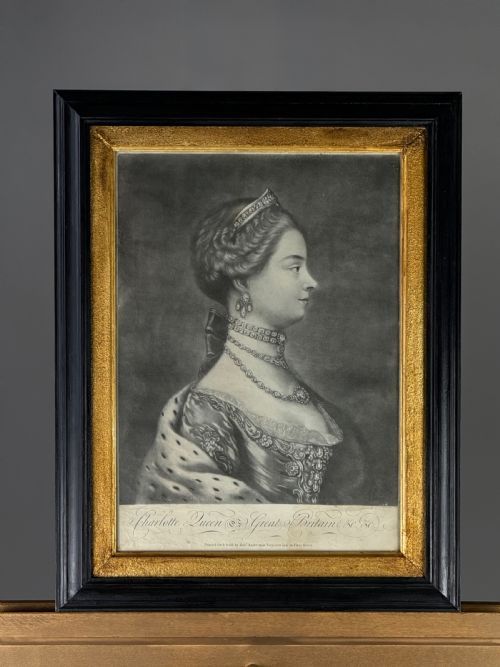
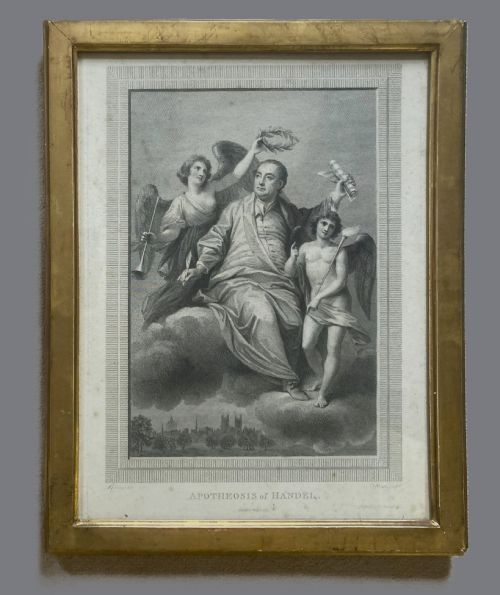
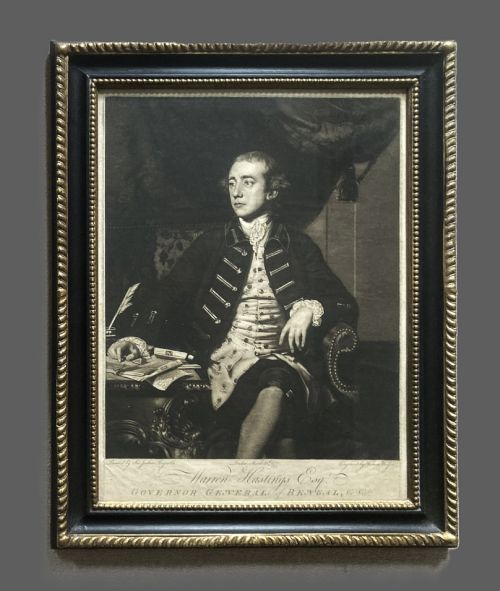
Georgian engraving artwork encompasses framed prints, wall art and framed portraits produced primarily during the eighteenth and nineteenth centuries under various stylistic influences like Neoclassical and Regency. You will frequently find mezzotint portraits depicting notable historical figures, aristocrats and royalty rendered after painters such as Sir Joshua Reynolds and Sir Godfrey Kneller.
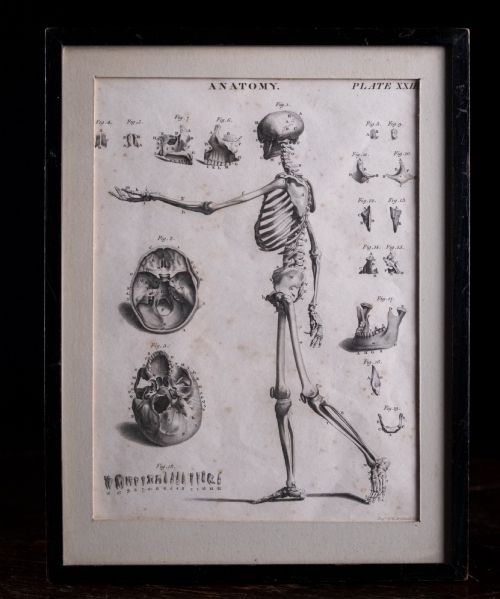
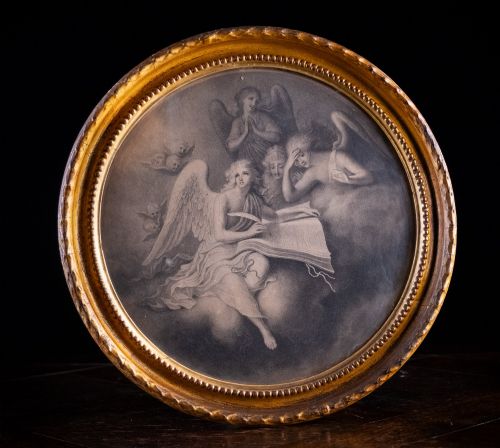
The selection includes specialised subjects alongside standard portraiture, ranging from anatomical studies and allegorical compositions to satirical works and horse racing scenes. These pieces typically arrive framed in wood, often retaining period characteristics associated with the 18th Century and Regency eras.
Materials and Techniques
These works rely on paper as the primary support for ink applications, utilising copper plates worked through line engraving, stipple or mezzotint methods. Master printmakers translated paintings by scraping and burnishing metal plates to achieve tonal gradations, producing rich velvety darks characteristic of period mezzotints.
Listings feature works spanning the 18th Century and 19th Century, incorporating paper, ink, gold leaf and giltwood materials.
Assessing Quality
Quality in these prints rests on the clarity of the impression and the fidelity of the transfer from the metal plate, where early strikes show crisp lines and deep tonal contrasts. Later impressions or worn plates yield softer details and muddied shadows, losing the precision established by the original engraver.
The prestige of the collaborative artists involved also elevates a piece, particularly when a skilled engraver interprets a celebrated painter like Reynolds or Hogarth. Additionally, the survival of contemporary framing materials and good preservation of the paper support contribute to the desirability of an artwork.
John Simon·Edward Fisher·James Watson·John Smith·Jacobus Houbraken·Thomas Watson·Valentine Green·James Macardell
The Georgian Engraving Artwork Glossary
- Mezzotint
- A printmaking process where the copper plate is roughened uniformly to hold ink and then scraped down to create light areas. This technique allows for smooth gradations of tone rather than simple lines.
- Stipple engraving
- A method of producing images using a multitude of tiny dots punched into the printing plate. It creates a soft, painterly effect particularly favoured for portraits.
- Line engraving
- A technique where incisions are cut directly into a metal plate with a burin to hold the ink. It produces sharp, defined lines and precise architectural or figural details.
- Giltwood
- Wood carved and coated with gold leaf or a gold-coloured finish for framing. This material defined high-status display frames during the Georgian and Regency periods.
- Artist proof
- A trial impression pulled before the main edition is printed to allow the creator to check the progress of the plate. These early proofs often exhibit exceptional crispness.
Georgian Engraving Artwork: Frequently Asked Questions
How do I identify a mezzotint?
Mezzotints are distinguished by their rich, dark backgrounds and smooth transitions of tone rather than visible hatching lines. The technique creates a painterly depth that resembles a wash of ink.
Examining the surface under magnification reveals a dense field of tiny pits and scraped areas on the paper rather than sharp engraved grooves.
Were these always framed?
Most surviving examples were framed for display in domestic interiors soon after publication, though many were also collected unbound in portfolios. Prints kept in albums often retain brighter paper tones because they escaped decades of exposure to light.
Original frames from the period provide valuable clues to the age and history of the artwork.
Who are the people in the portraits?
The subjects are typically British aristocrats, military commanders, royals and cultural figures of the eighteenth century. Many prints served to commemorate public figures or document important dynastic alliances.
Inscriptions along the bottom margin usually record both the sitter and the artists responsible for the painting and the engraving plate.
How should I care for antique paper?
Protect these artworks from direct sunlight to prevent the ink from fading and the paper from yellowing over time. Maintaining stable humidity levels in the room prevents warping of the paper and damage to the wooden frame.
Glazing with UV-filtering glass offers an extra layer of defence against environmental degradation.