

Georgian Display Cupboard
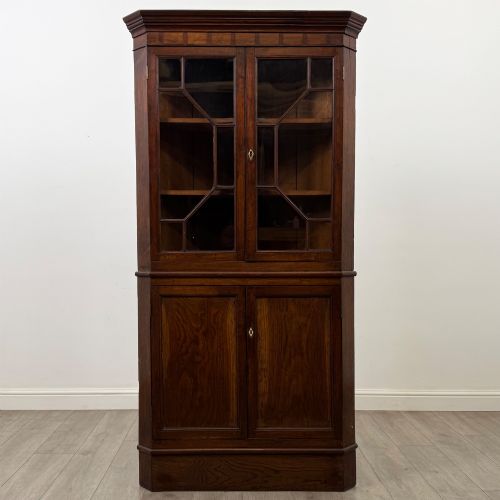
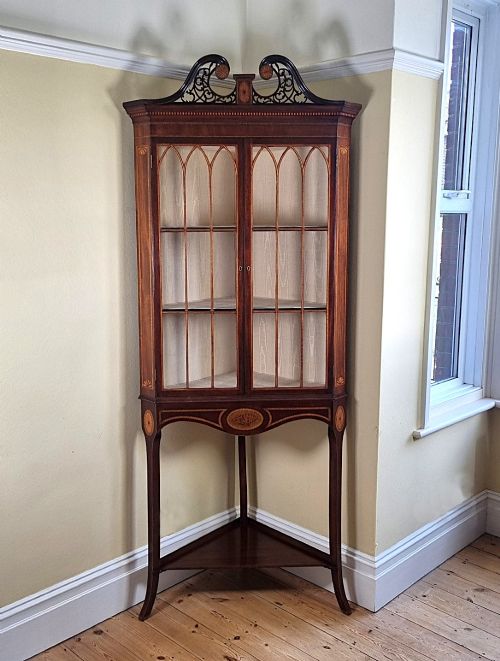
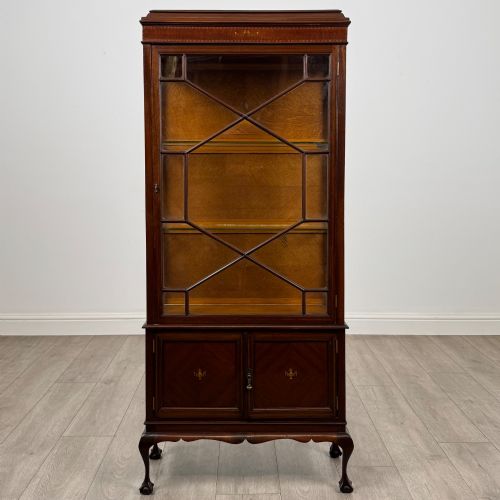
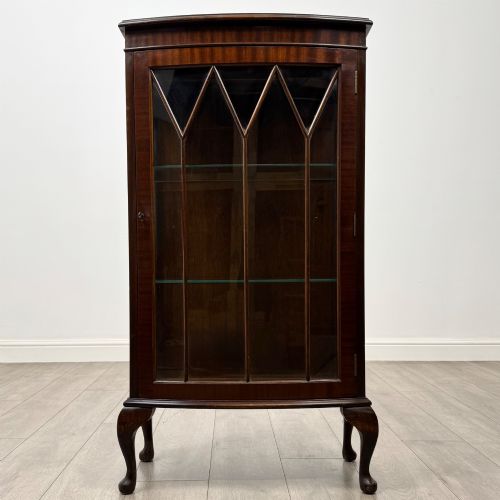
When you search for a georgian display cupboard, you are looking at timber furniture made to show and store valued possessions behind glass.
Georgian Display Cupboard
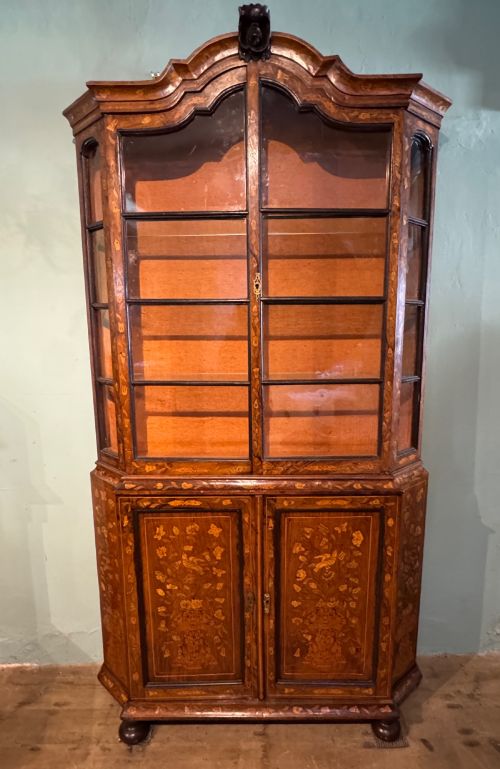
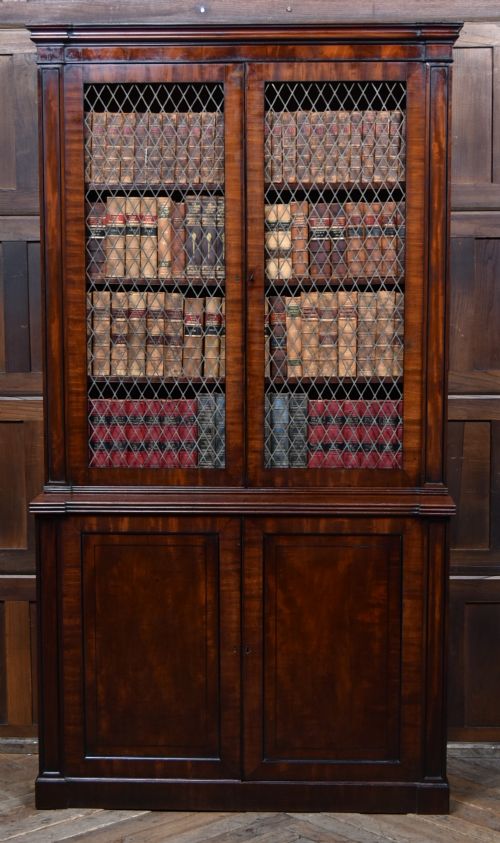
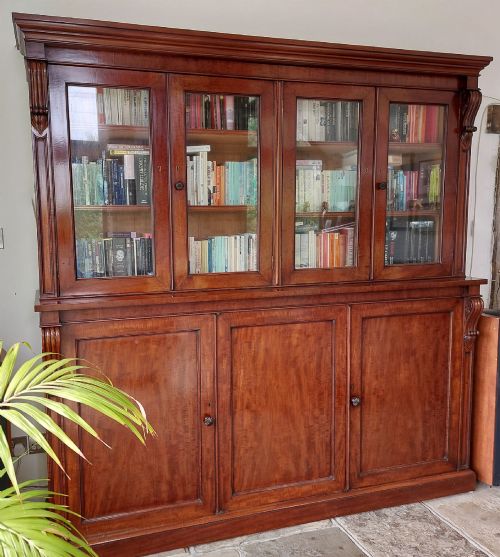
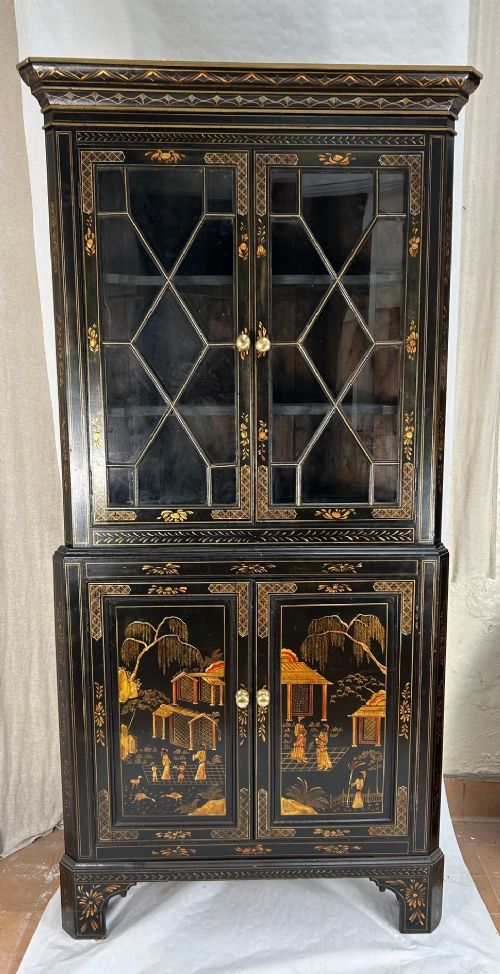
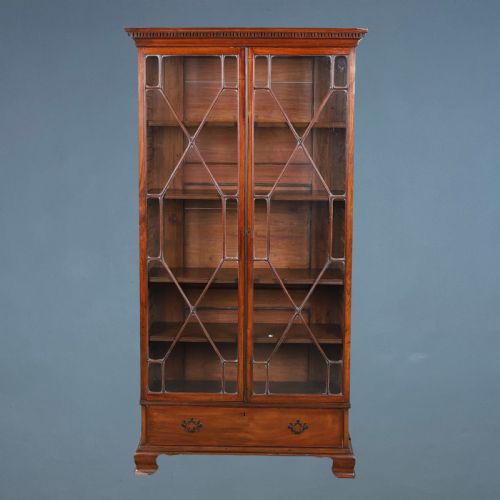
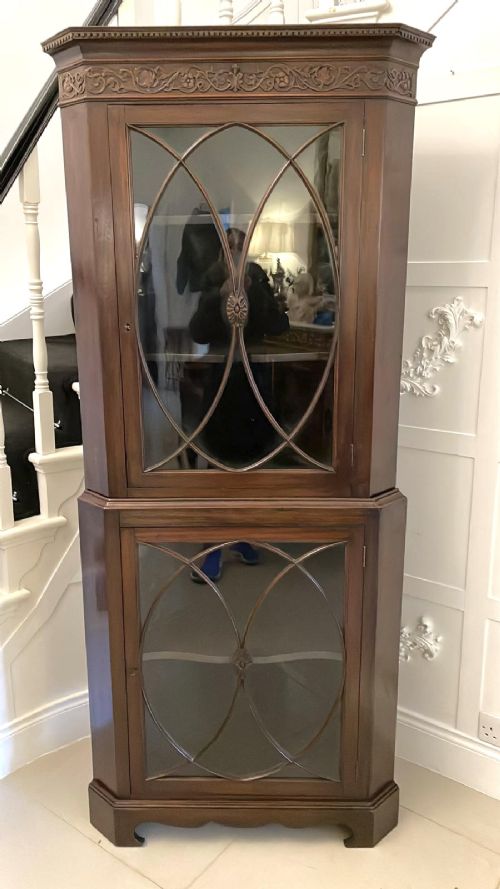
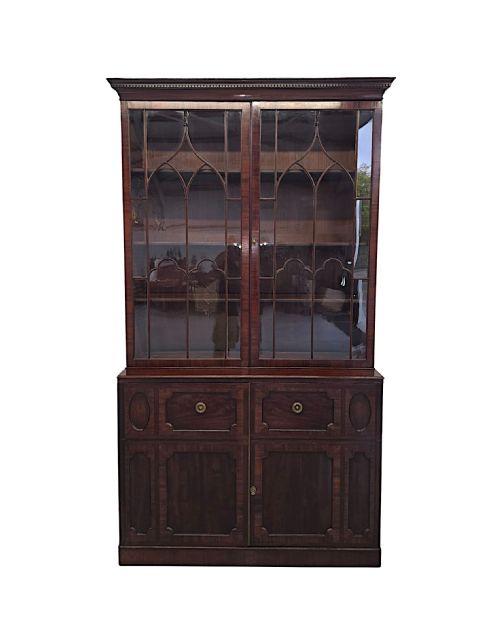
A georgian display cupboard typically takes the form of a corner cabinet, a tall bookcase, or a wall-hanging case designed to utilise domestic space efficiently. These pieces originate across the eighteenth and nineteenth centuries, spanning periods from the Georgian era through to later revivals.
You will frequently encounter corner cupboards fitted with glazed doors alongside broader bookcases and standing library cabinets. Timber choices range from sturdy oak and mahogany to softer elm and walnut, often shaped to fit domestic interiors precisely.
How They Were Made
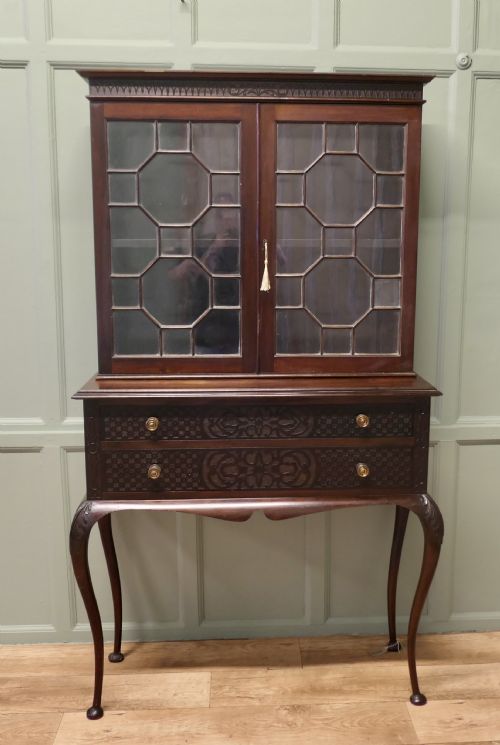
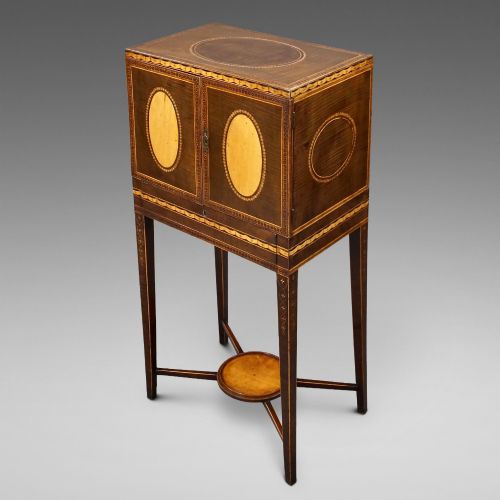
Cabinet makers utilised dense hardwoods such as mahogany and oak for structural integrity, often incorporating finer veneers like satinwood or walnut on display surfaces. Brass hinges, lock escutcheons, and delicate glass panes secured with wooden astragals complete the construction.
Joinery techniques relied on traditional mortise and tenon frames, dovetailed drawer construction, and hand-carved decorative motifs such as astragal glazing bars or architectural cornices.
Some corner cupboards include hidden interior drawers designed for secreting small valuables away from casual view.
What Varies in Quality
Quality rests upon the selection of timber figures and the precision of the cabinet work, particularly in the hand-cut glazing bars that hold the glass. Pieces featuring figured mahogany or well-matched walnut veneers display a higher degree of workshop skill.
The integration of original brass hardware, intact antique glass panes, and well-preserved internal shelving distinguishes finer examples from later alterations or heavily restored items.
Gillows
The Georgian Display Cupboard Glossary
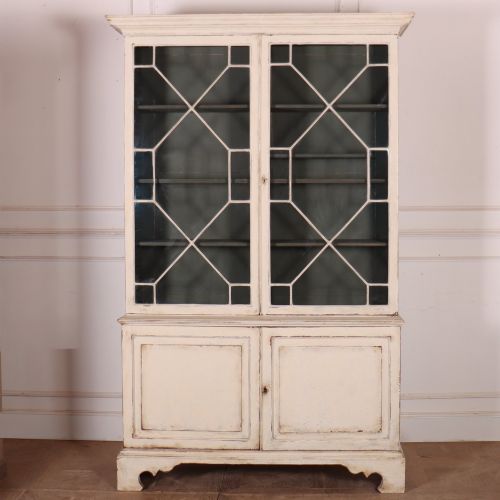
- Astragal glazed
- Glass panes divided into smaller segments by narrow wooden mouldings. These bars provide structural support and aesthetic pattern.
- Breakfront
- A cabinet design where the central section projects forward from the flanking wings. This creates architectural depth and varied interior storage.
- Chiffonier
- A low sideboard or cabinet developed in the Regency period. It typically combines enclosed lower cupboards with upper shelving.
- Marquetry
- Inlaid patterns formed by fitting contrasting pieces of veneer into a prepared wooden ground. Cabinet makers utilised exotic woods to create floral or geometric designs.
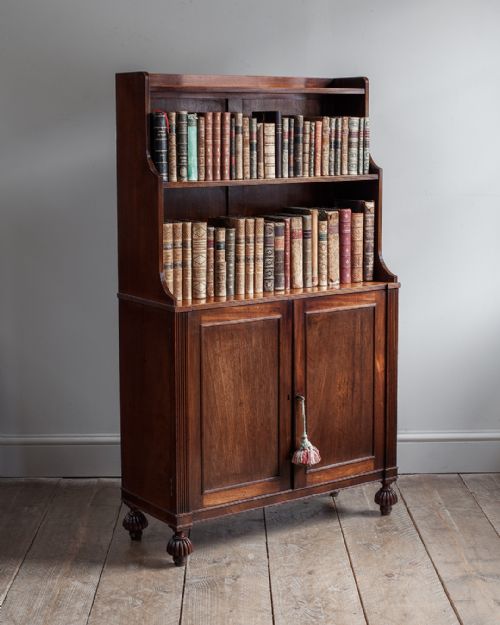
- Waterfall bookcase
- A tiered set of open shelves that recede in depth from bottom to top. These pieces gained popularity during the Regency and Victorian eras.
Georgian Display Cupboard: Frequently Asked Questions
Where were corner display cupboards placed?
These cabinets were built to occupy unused room corners in domestic parlours and dining rooms. Their angled backs allowed them to sit flush against intersecting walls.
Wall-hanging versions were often positioned above tables or sideboards to keep precious glassware within reach.
How do I identify a Georgian piece?
Examine the timber construction, interior drawer linings, and fixing methods used in the backboards and shelves. Hand-sawn oak or pine secondary woods often indicate eighteenth-century origin.
Stylistic cues such as astragal glazing bars and bracket feet help distinguish genuine period work from later nineteenth-century revivals.
Were these cabinets used for books?
Many taller examples served dual purposes as bookcases and display units for ceramics and ornaments. Adjustable wooden shelving allowed owners to reconfigure the interior space for different collections.
Glazed doors protected fragile leather-bound volumes and porcelain from dust and handling.
What is the difference between standing and hanging models?
Standing cabinets feature floor-standing bases, sometimes including a lower cupboard or a separate table stand. They offer greater capacity and heavier timber construction.
Hanging models rely on internal wall brackets and smaller proportions to save floor space in domestic rooms.