





Georgian Desktop Cabinet
A georgian desktop cabinet offers compact utility, bringing centuries of clever woodwork to your desk or table.
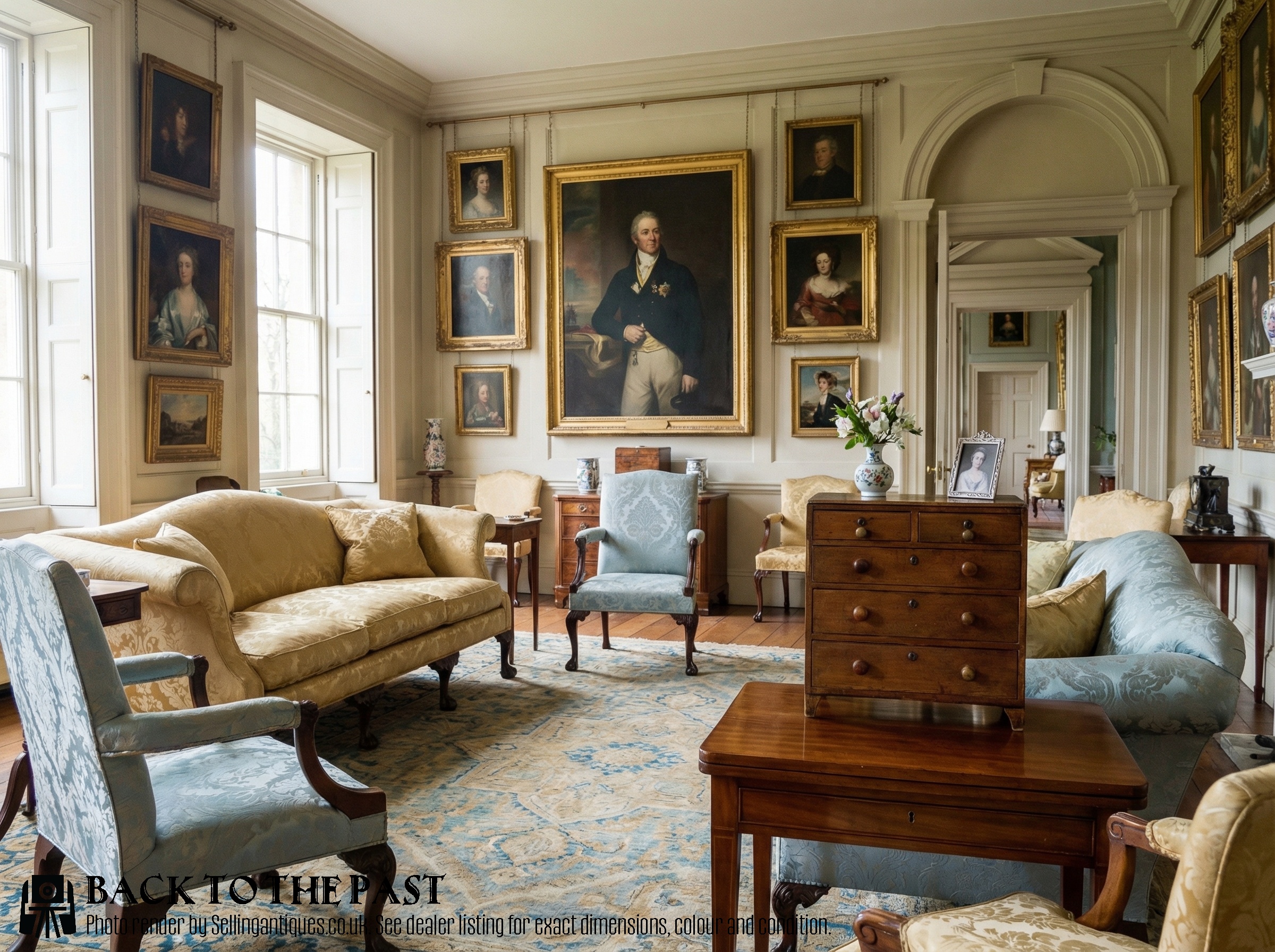
Georgian Desktop Cabinet
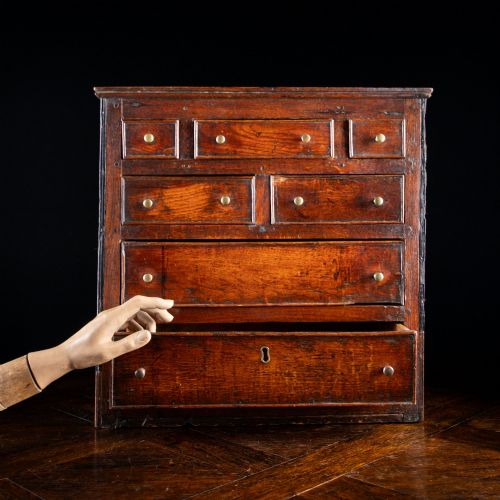
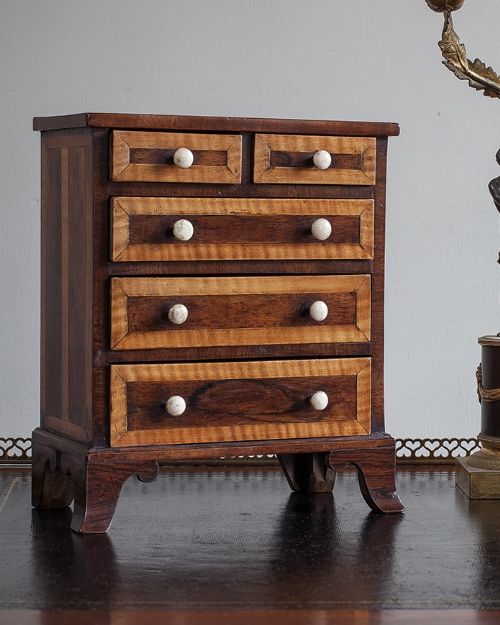
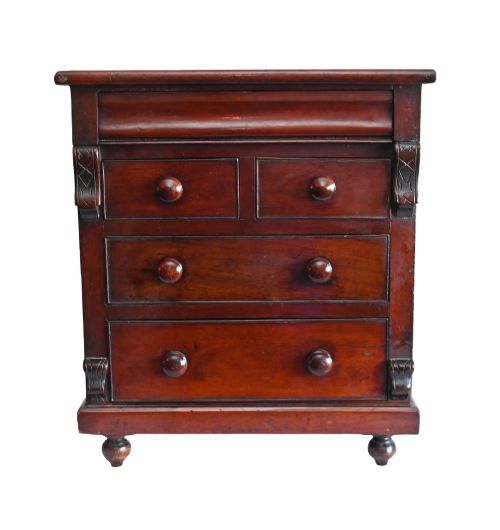
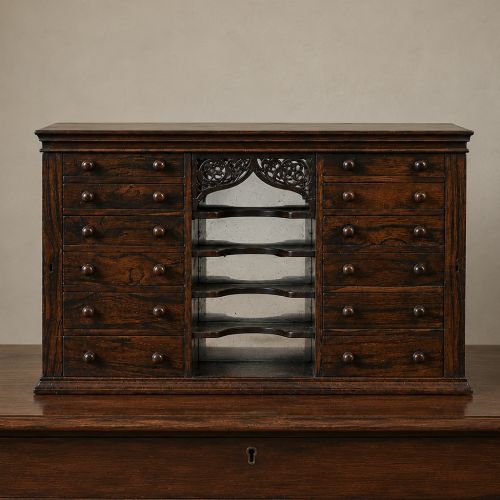
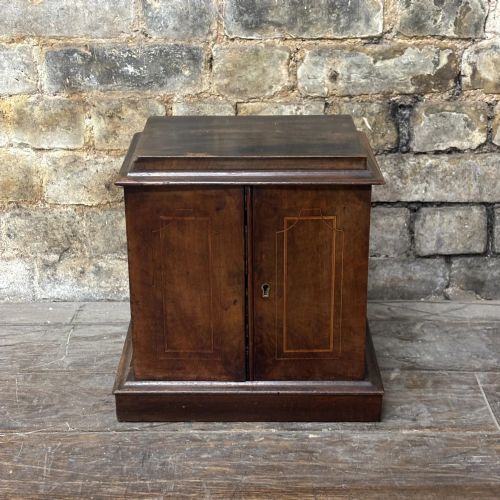
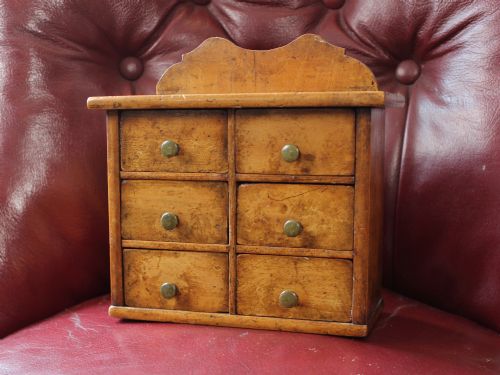
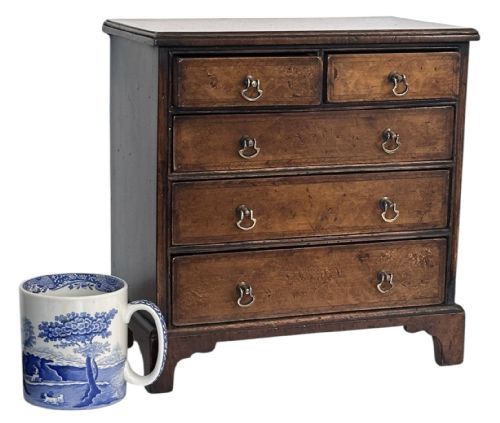
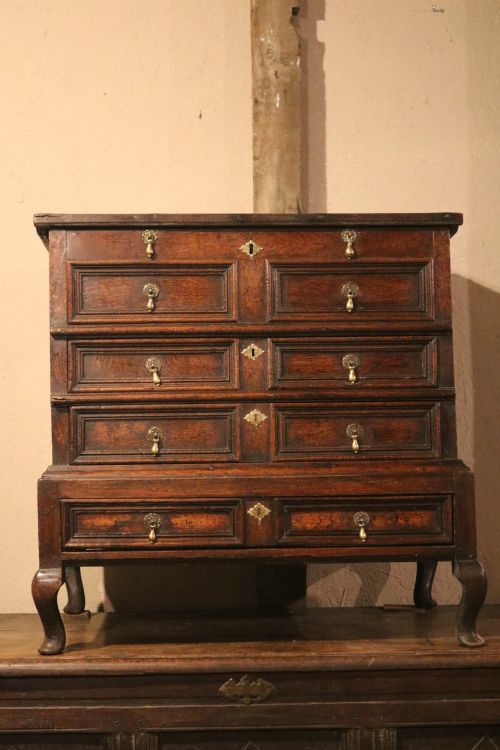
A georgian desktop cabinet encompasses a variety of miniature furniture, collectors cabinets, table cabinets, stationery cabinets, spice cabinets, and desk organisers designed for desktop use. These pieces range from small oak wall hanging cupboards and slope-front writing boxes to miniature chests of drawers and tallboy chests.
The examples gathered here span periods from the eighteenth century, Georgian era, and Regency period through to Victorian, Edwardian, and later revivals. Mahogany and oak dominate the selection, accompanied by rosewood, walnut, fruitwood, boxwood, iron, and brass fittings.
How they were made
Cabinet makers utilised dense hardwoods such as mahogany and oak, often enhancing surfaces with boxwood inlay, mother of pearl, and figured rosewood veneers. Structural integrity relied on traditional joinery techniques suited to miniature scales, such as tight dovetailing on small drawers.
Hardware played an essential functional and decorative role, featuring brass drop handles, key escutcheons, and mirrored elements. Surfaces received polished finishes that highlighted the natural grain of woods like walnut and fruitwood.
Secret compartments in miniature chests often hid nothing more scandalous than a spare latch key or a very small love letter.
What varies in quality
Quality rests upon the choice of timber and the precision of the cabinet work, particularly in the execution of small-scale drawers and internal pigeon holes. Superior pieces display carefully matched grain patterns, refined inlay work, and original brass hardware.
Proportion and architectural balance distinguish finer miniature chests and collectors cabinets from simpler rustic pieces. The crispness of carved details and the survival of original polished finishes further separate examples across the range.
The Georgian Desktop Cabinet Glossary
- Miniature furniture
- Small-scale replicas or master cabinet maker samples produced to demonstrate skill or furnish small spaces. They replicate full-sized chests and tallboys with proportionate detail.
- Collectors cabinet
- A specialised storage piece containing multiple small drawers or compartments designed to hold specimens, coins, or curiosities. These cabinets often feature locking doors to protect contents.
- Stationery cabinet
- A desk accessory built to organise writing paper, envelopes, and letters. They frequently incorporate internal pigeon holes and drop fronts.
- Apprentice chest
- A small chest of drawers traditionally credited to a learning craftsman proving his mastery. They mirror the construction methods of standard furniture on a reduced scale.
- Tallboy chest
- A vertically proportioned chest of drawers stacked one above another. Miniature versions compress this grand architectural form for tabletop use.
Georgian Desktop Cabinet: Frequently Asked Questions
What is a georgian desktop cabinet used for?
These pieces served historical purposes ranging from storing spices and collecting small specimens to organising correspondence and stationery. Their compartmentalised interiors provided secure storage for valuable household items.
Today, they function practically on modern desks or side tables to hold everyday items like keys, stamps, and modern writing instruments while adding historical character to a room.
How do I care for antique wood cabinets?
Maintain these cabinets by keeping them away from direct sunlight and sudden temperature shifts, which can cause wood to warp or veneers to lift. Dust them gently with a dry, soft cloth.
Apply a microcrystalline wax occasionally to nourish the historic polish and protect the timber surface without building up excessive residue.
How can I tell a Georgian piece from a later revival?
Examine the construction methods inside the drawers and at the back of the cabinet, looking for hand-cut dovetails and timber characteristics appropriate to the period. Georgian and Regency pieces show distinct tool marks and construction traits absent in later copies.
Revival pieces, such as those from the Edwardian era or Georgian Revival periods, often use machine-sawn timber elements and standardised internal fittings.
Are these cabinets purely decorative?
While they possess strong visual appeal through rich mahogany, oak, and rosewood grains, they remain fully functional storage objects. The small drawers, pigeon holes, and drop-front compartments operate just as they did centuries ago.
Owners frequently utilise the compartments for modern organisation, making them practical additions to a working study or living space.