
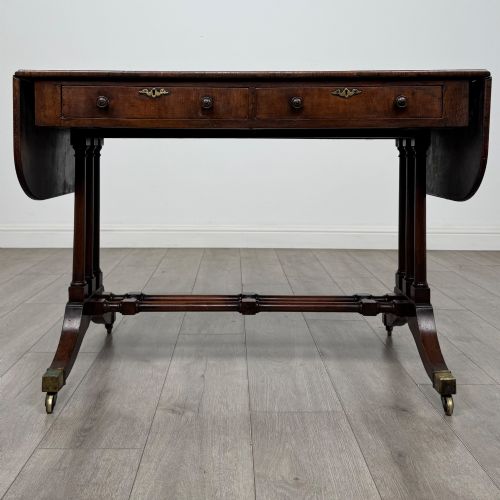
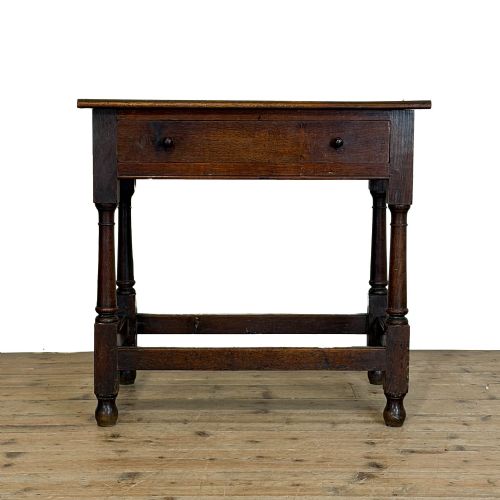
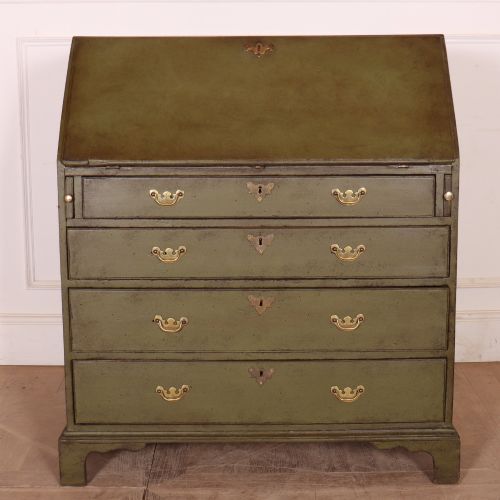


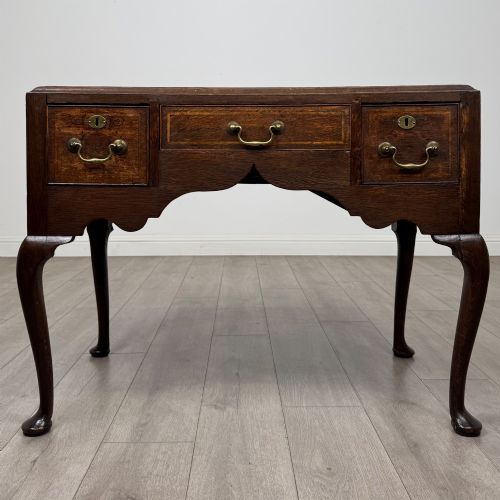
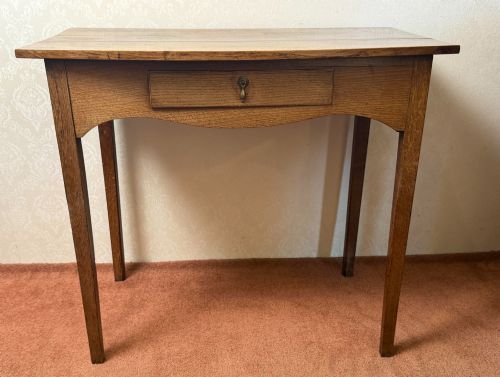
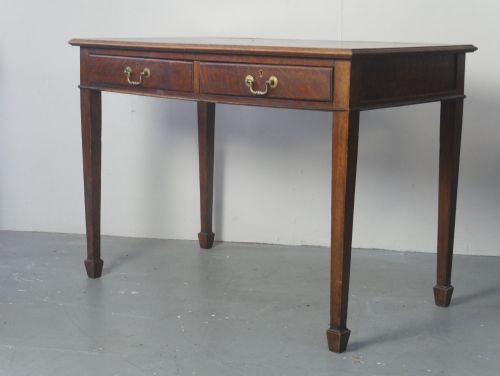
Georgian Desk Drawers
When you handle georgian desk drawers, you notice how the fitted interiors and writing flaps combine practical storage with writing spaces.
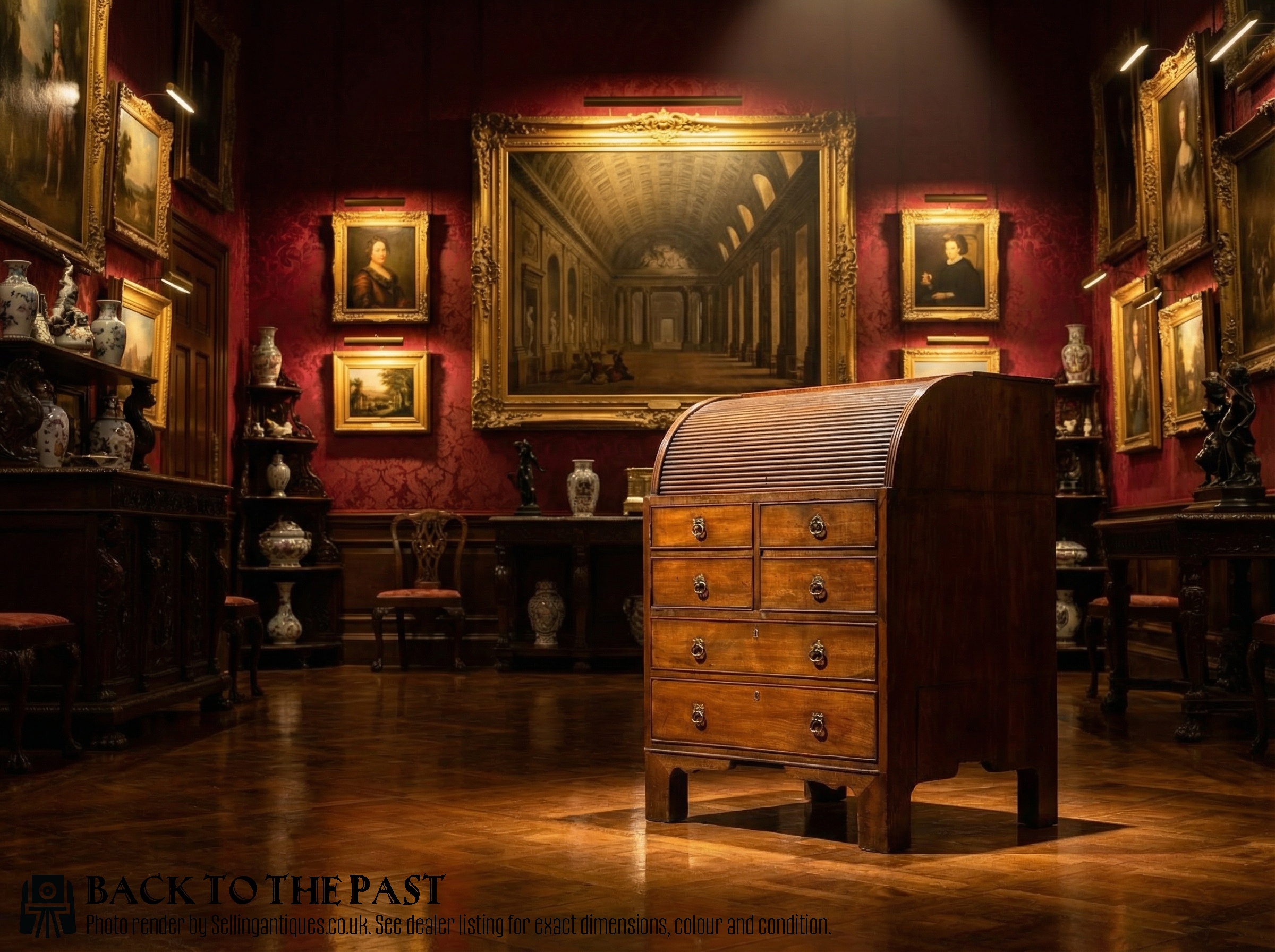
Georgian Desk Drawers
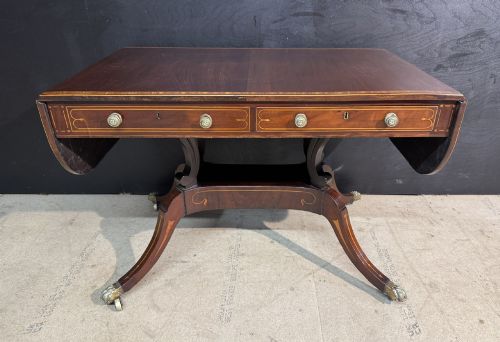
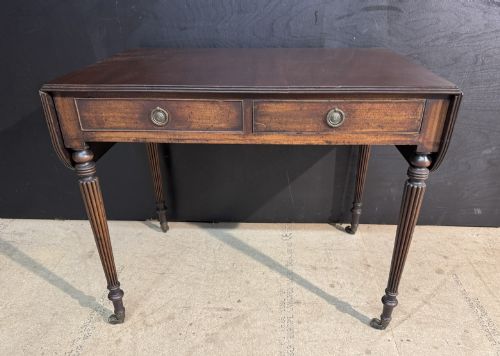
When buyers search for georgian desk drawers, they encounter a range of forms that include bureaux, writing tables, lowboys, and bureau bookcases designed for domestic correspondence and administration. These pieces date principally from the eighteenth and nineteenth centuries, spanning periods from George II and George III through the Regency era.
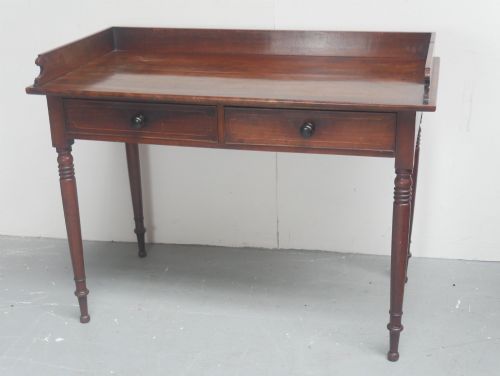
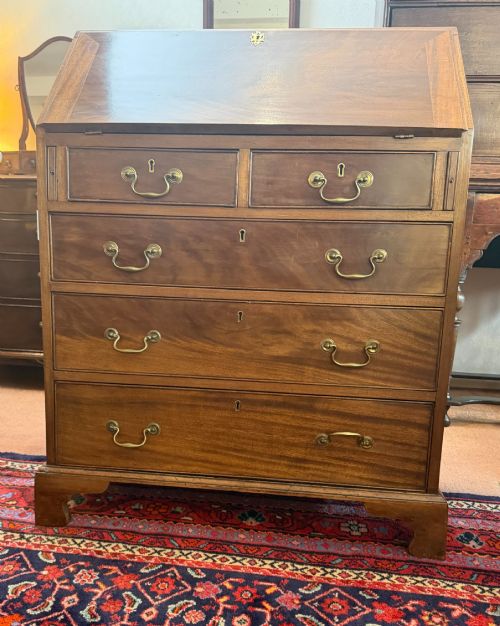
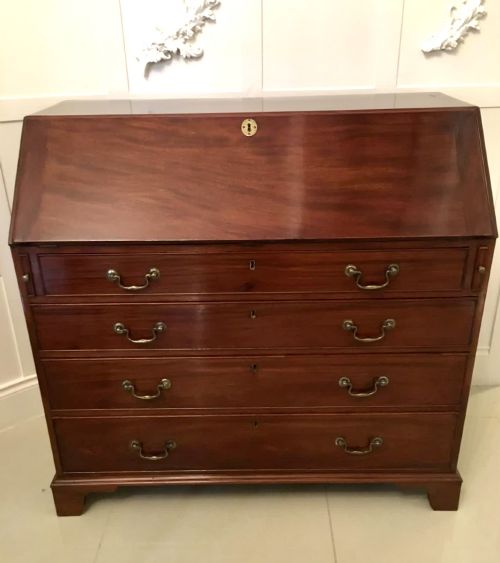
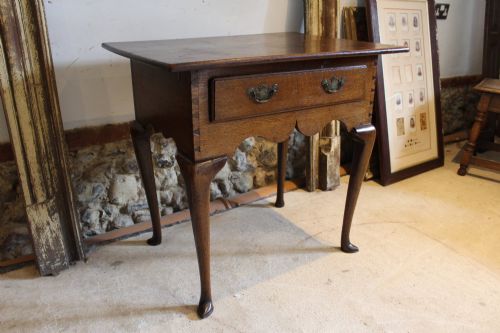
The version most commonly met on this page is the mahogany or oak bureau with a fall-front writing flap that opens to reveal small drawers and pigeonholes above standard lower drawers. Side tables, lowboys with single fitted drawers, and secretaire bookcases also appear frequently in walnut, elm, and fruitwood alongside the dominant mahogany and oak examples.
How they were made
Cabinet makers constructed these pieces primarily using solid mahogany, oak, and walnut, often applying burr walnut or figured veneers to primary surfaces. Drawer linings frequently employ secondary timbers like oak or pine, joined with hand-cut dovetails that indicate the standards of period joinery.
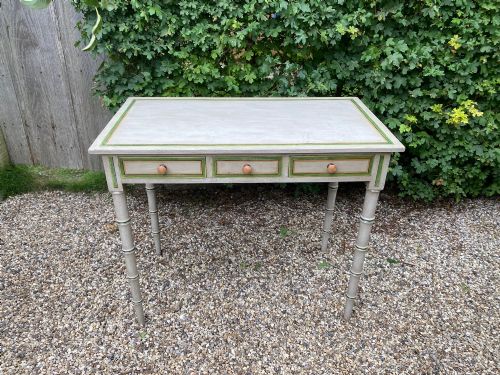
Hardware such as brass handles, escutcheons, and hinges complement the timber, while fitted writing surfaces incorporate inset panels of leather. Surface treatments include polished wood finishes alongside painted finishes and faux bamboo effects on specific Regency examples.
One remarkably early oak bureau bookcase has been adapted for television, proving that eighteenth-century joinery can still accommodate modern screen time.
What varies in quality
The distinction between tiers of quality rests upon the selection of timber figures, such as highly figured burr walnut or dense mahogany, and the precision of the cabinet work in secondary areas like drawer interiors. Superior examples exhibit harmonious proportions, original brass hardware, and intricate internal fittings within the writing compartments.
Lesser or adapted pieces show alterations to the structure, replacement handles, or simplified interior configurations that lack the secondary small drawers and pigeonholes characteristic of the finer survivals.
The Georgian Desk Drawers Glossary
- Bureau
- A writing cabinet with a sloping flap that opens to form a desk surface above a set of drawers. It typically contains internal compartments for letters and papers.
- Lowboy
- A small table with one or more drawers, commonly used as a dressing table or side table in the eighteenth century. They frequently stand on cabriole or straight legs.
- Secretaire
- A piece of furniture containing a drawer or compartment that pulls out or drops down to provide a writing surface. These are often integrated into bookcases or tall chests.
- Dovetail
- A joinery technique used to connect the sides of drawers, formed by interlocking wedge-shaped fingers. Hand-cut dovetails help indicate period construction methods.
- Escutcheon
- A flat plate of brass surrounding a keyhole to protect the surrounding wood from wear. They serve both a functional and a decorative purpose on drawers and fall-fronts.
Georgian Desk Drawers: Frequently Asked Questions
What is a bureau bookcase?
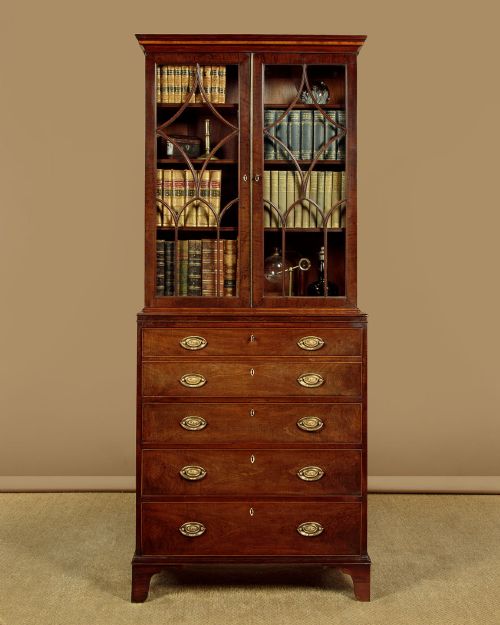
A bureau bookcase combines a lower writing bureau with an upper glazed or panelled cabinet for storing books. The fall-front opens to reveal fitted compartments above the main drawer section.
These taller pieces served as multi-functional furniture for studies and libraries in eighteenth and nineteenth-century homes, housing both correspondence materials and libraries.
How do I identify a lowboy?
A lowboy is a compact table featuring a low set of drawers, typically between one and three, supported by slender legs. They function as small side tables or dressing surfaces.
Cabinet makers produced them in oak, walnut, and mahogany during the Georgian period, often placing them in bedrooms and parlours.
What timber was used most?
Mahogany and oak form the vast majority of surviving pieces, with walnut appearing frequently in earlier eighteenth-century examples. Elm and fruitwood also feature in provincial pieces.
Cabinet makers selected these timbers for their durability and grain patterns, sometimes enhancing them with burr walnut veneers on writing surfaces and drawer fronts.
Are writing heights standard?
Writing heights on fall-front bureaux and writing tables vary according to the specific form and period of the piece. Fall-front desks rely on the lowered flap to determine the surface level.
Users sat on low chairs to accommodate the fixed height of the open flap or sliding writing slide when managing correspondence.