






Georgian Delft Charger
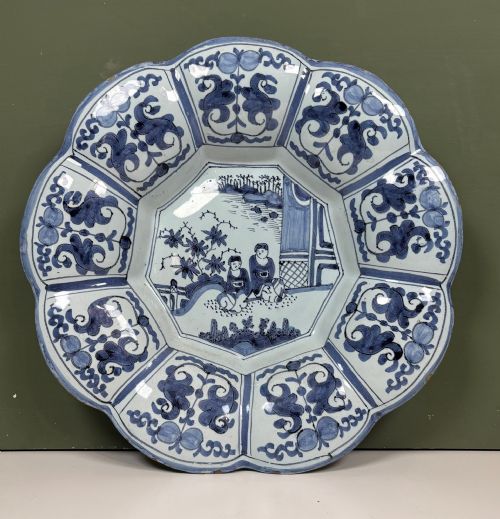
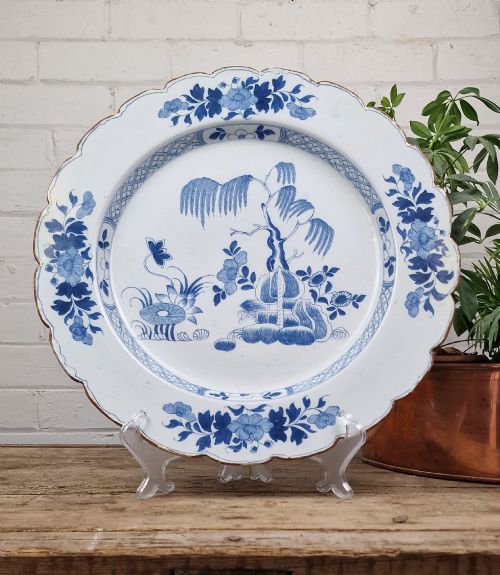
A georgian delft charger brings the rich domestic surface of the eighteenth century into a room, offering bold tin-glazed earthenware painted by hand.
Georgian Delft Charger
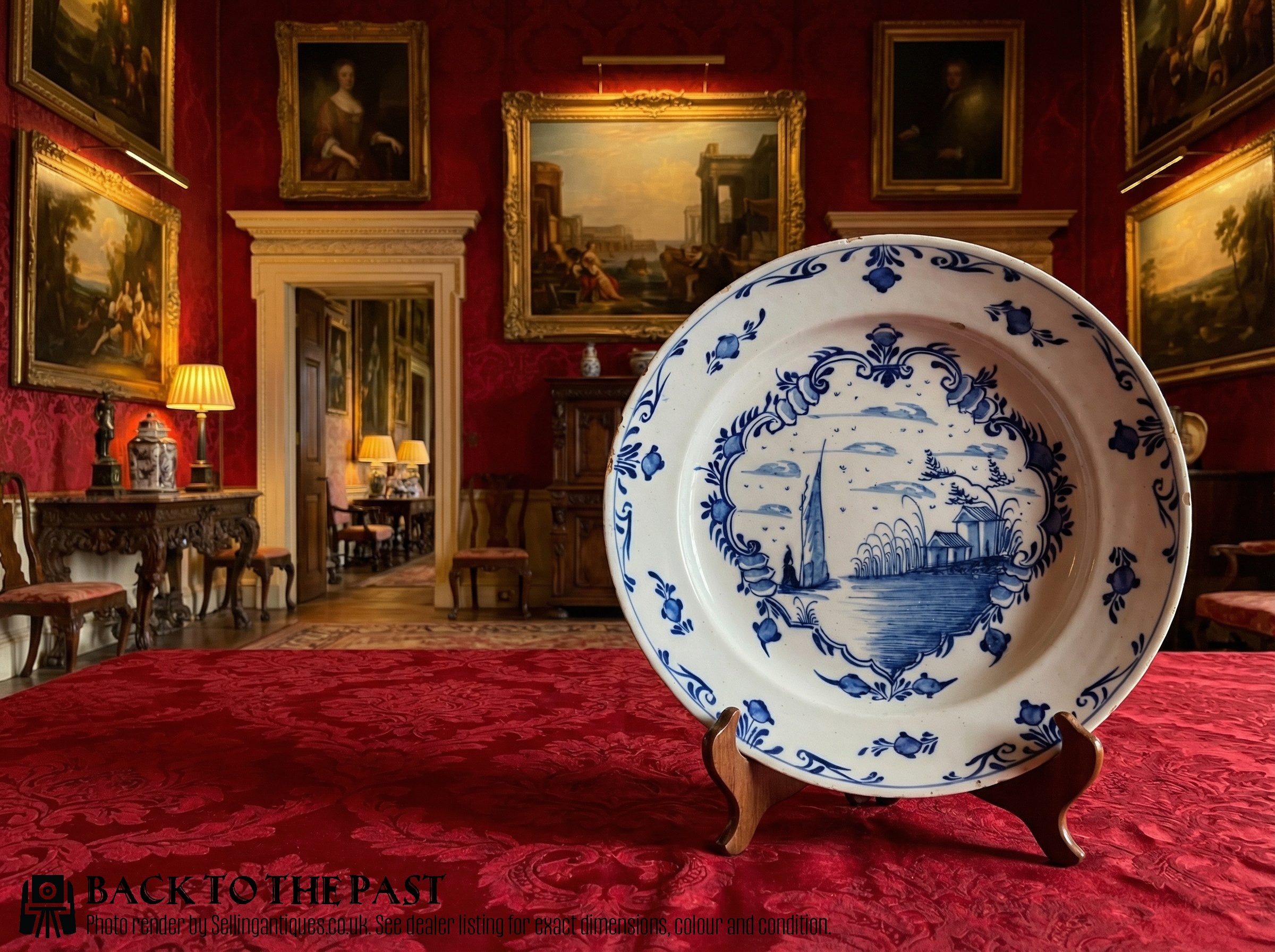
A georgian delft charger is a broad earthenware dish made during the eighteenth century for display or service. These items include large chargers, platters, marriage plates, and smaller plates produced across English and Dutch kilns.
The objects seen here stem predominantly from the eighteenth century, featuring centres decorated in cobalt blue or polychrome pigments. Buyers encounter both single plates and matching pairs spanning from the early decades through to circa seventeen ninety.
How they were made
Potters shaped earthenware bodies and coated them in tin glaze to create an opaque white surface. Artisans then painted directly onto this absorbent glaze using cobalt oxide and other pigments before firing.
The brushwork relies on hand-painted floral motifs, chinoiserie scenes, and geometric borders applied swiftly by skilled hands. Pigments sank into the wet or dry tin glaze, locking the brush marks permanently beneath the final glassy layer.
Georgian Delft Charger Retail Price Guide 2026
Typical asking prices for georgian delft charger among the pieces listed under this phrase on Sellingantiques today, from the lower quarter to the upper quarter. They describe what is for sale here now, not the wider market.
Listings feature eighteenth-century earthenware decorated with cobalt pigment and tin glaze, spanning blue and white and polychrome styles.
What varies in quality
Quality rests upon the crispness of the hand-painted decoration and the depth of the tin glaze. Superior examples display confident, freehand brushwork with well-defined floral or chinoiserie details rather than hurried execution.
The smoothness of the white tin glaze and the control shown during the pigment application separate standard utility wares from the finest decorative chargers. Rich cobalt blues and vibrant polychrome palettes indicate careful kiln placement and refined material preparation.
Lambeth Delft·Bristol Delft
The Georgian Delft Charger Glossary
- Charger
- A large decorative plate or dish intended primarily for wall hanging or sideboard display rather than heavy dining use. These substantial pieces measure wider than standard dinner plates.
- Tin Glaze
- An opaque white ceramic glaze containing tin oxide applied over an earthenware body. It provides the smooth white canvas characteristic of delftware.
- Polychrome
- A multi-coloured decorative scheme utilising several pigments on a single ceramic surface. Eighteenth-century potters often combined greens, yellows, blues, and reds.
- Chinoiserie
- European decorative motifs inspired by Chinese art and landscapes, popular on eighteenth-century ceramics. These designs feature fanciful figures, pavilions, and abstracted garden scenes.
- Cobalt Pigment
- A metallic blue colourant derived from cobalt oxide used under the glaze. It produces the deep blue tones found on traditional blue and white delftware.
Georgian Delft Charger: Frequently Asked Questions
How were delft chargers used?
These large dishes served as decorative wall plates or centrepieces on sideboards during the eighteenth century. Wealthy households displayed them to showcase imported tastes and colourful domestic wares.
Over time, their primary role shifted from dining utility to purely visual display. Their broad rims provided an ideal canvas for narrative scenes and floral patterns.
How do I clean a delft charger?
Dust these tin-glazed earthenware pieces gently with a dry, soft brush or cloth. Avoid using water, soap, or cleaning solutions on antique ceramic surfaces.
Moisture can penetrate historic earthenware bodies and fragile glaze fractures over time. Gentle, dry maintenance preserves the original tin glaze and hand-painted pigments.
How can I tell English from Dutch delft?
English delft chargers often feature slightly thicker earthenware bodies and distinct glaze tones compared to their continental counterparts. Potters in centres like Bristol and Lambeth developed specific local palettes and clay mixtures.
Dutch delft pieces sometimes display different foot ring constructions and distinct regional painting styles. Comparing the glaze thickness and blue tone helps identify the likely kiln origin.
What is a marriage plate?
A marriage plate is a commemorative delft dish made to mark a wedding or union. These scarce pieces often incorporate initials, dates, and symbolic imagery painted onto the tin glaze.
Potters created them as special commissions rather than standard stock items. Surviving examples offer direct insight into eighteenth-century domestic history.