

Delftware Wall Charger
A delftware wall charger brings bold seventeenth or eighteenth-century ceramic artistry directly onto your wall.
Delftware Wall Charger
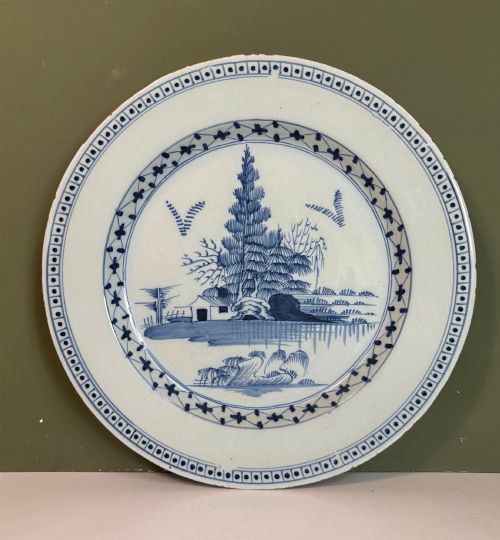
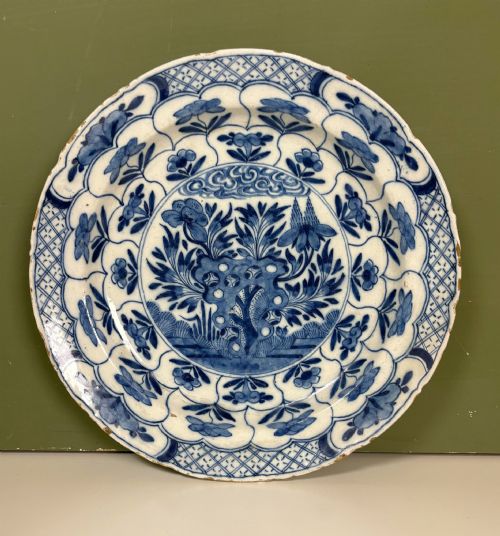
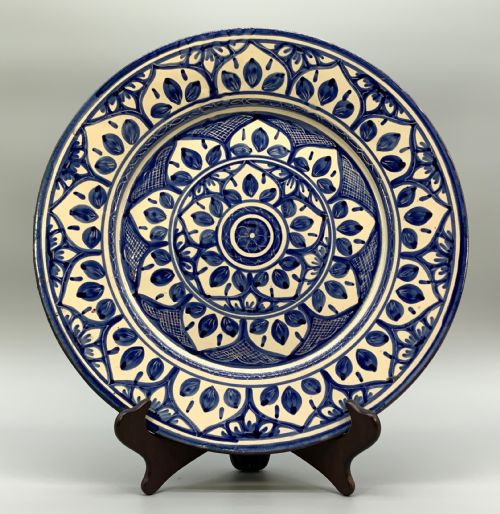
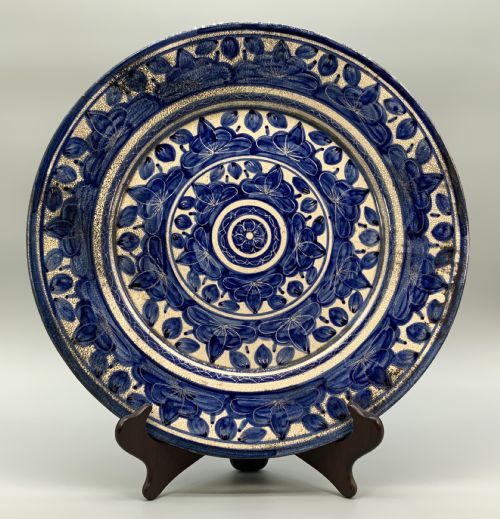
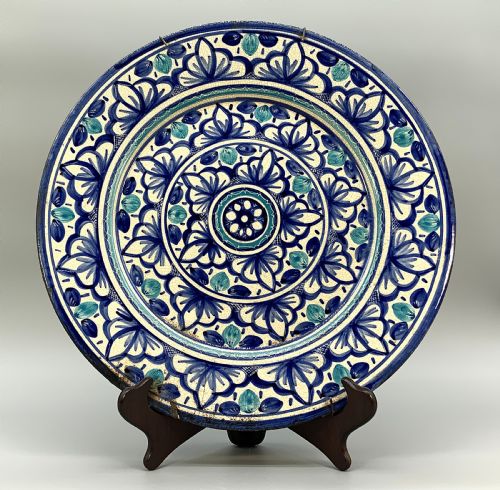
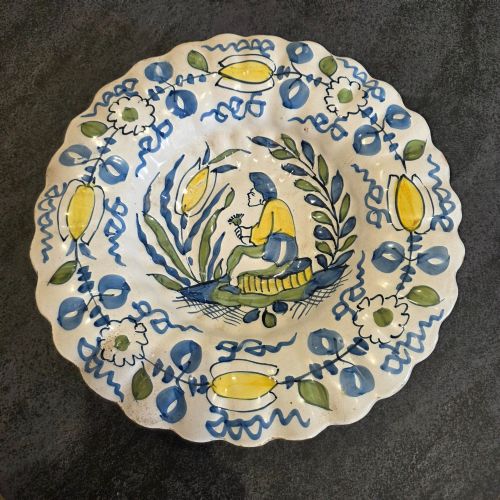
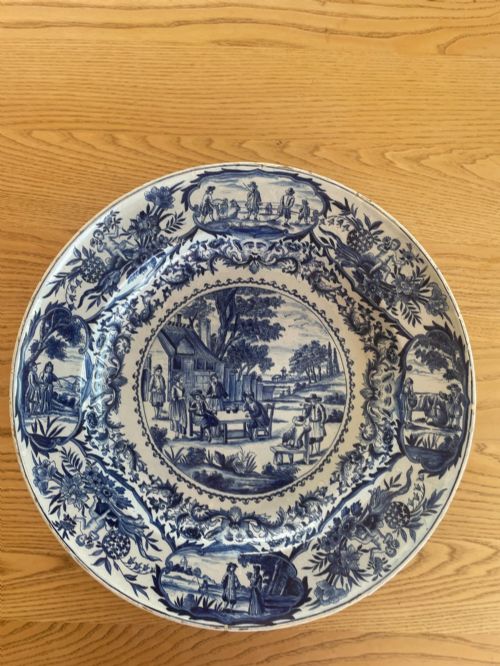
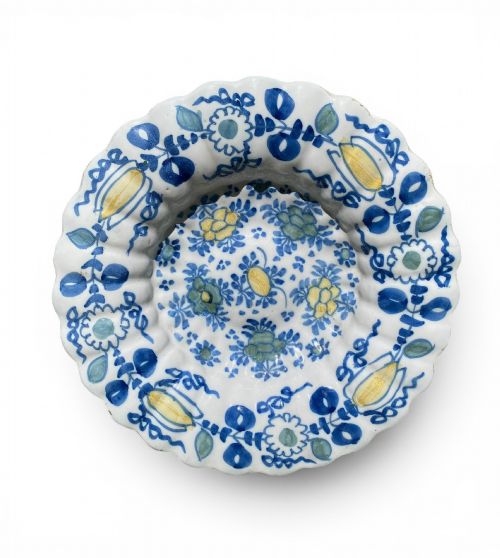
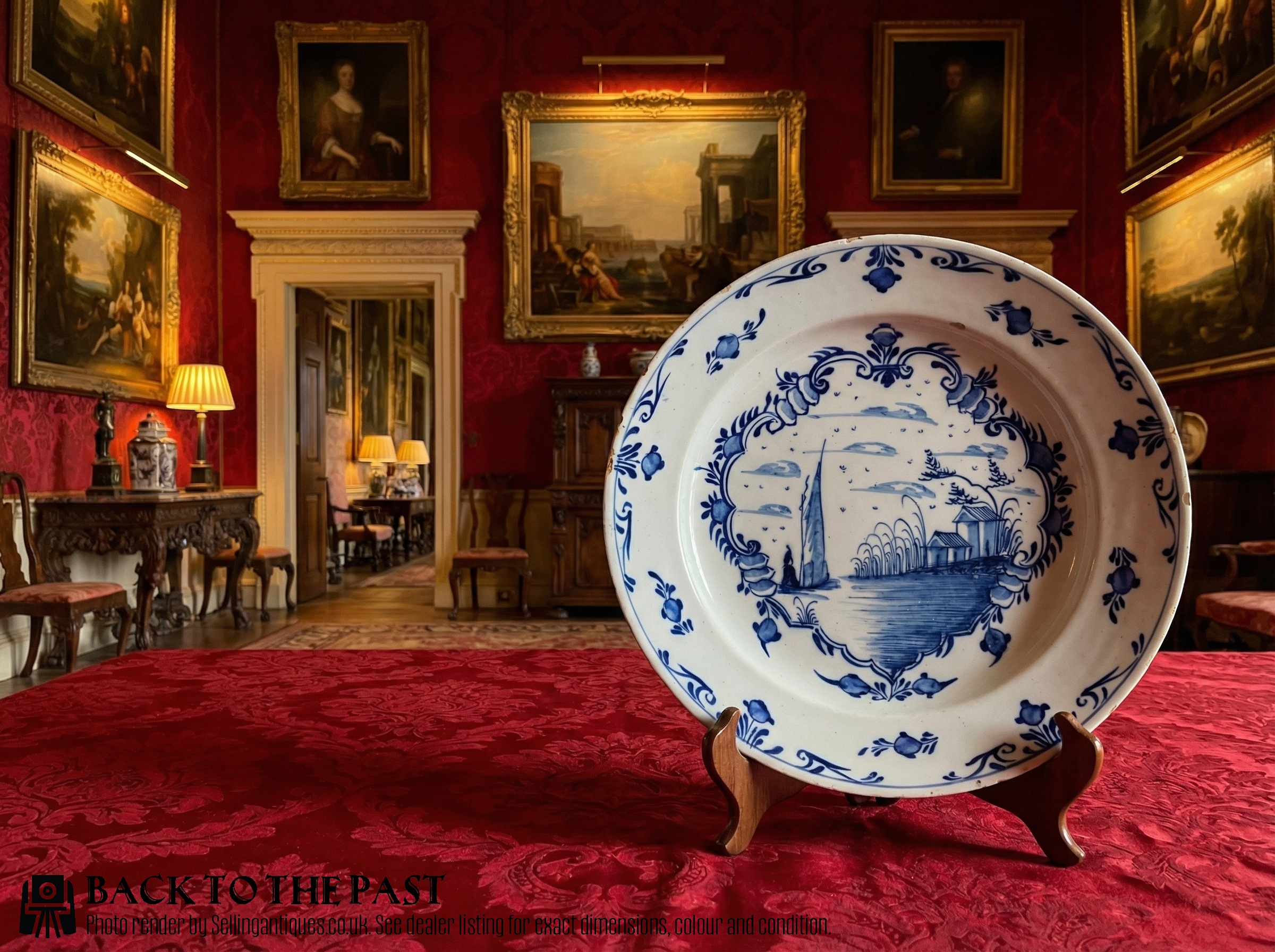
A delftware wall charger represents a wide, shallow earthenware dish designed primarily for display rather than dining. When searching for a delftware wall charger, you encounter numerous examples originating from Dutch, English, French, and Spanish potteries.
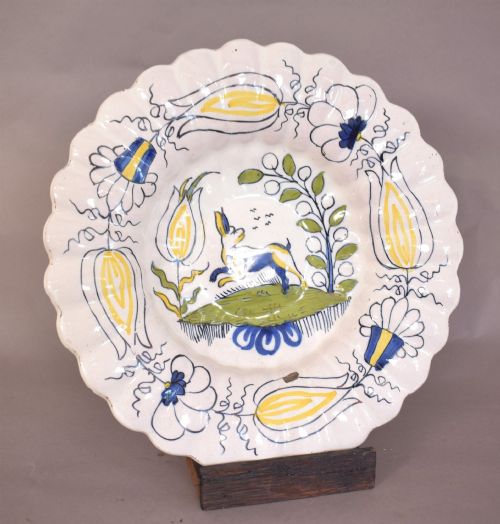
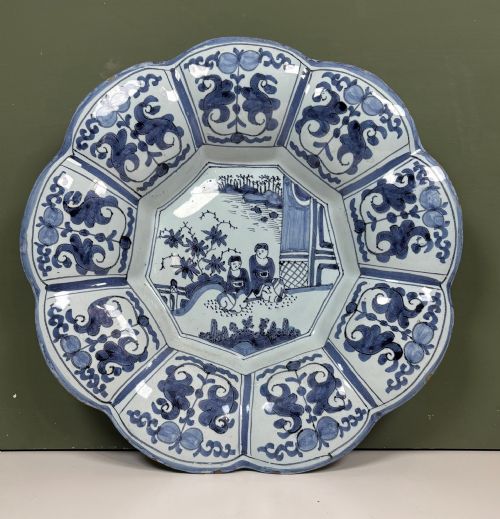
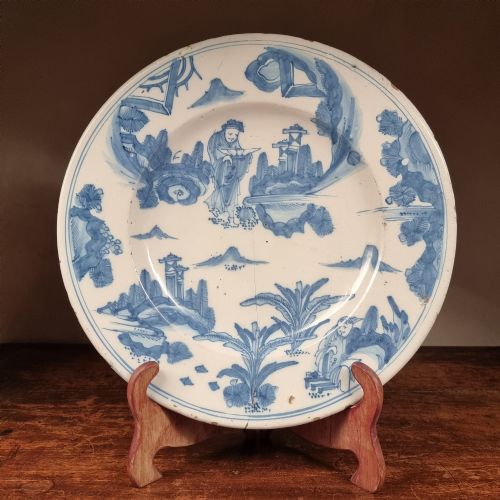
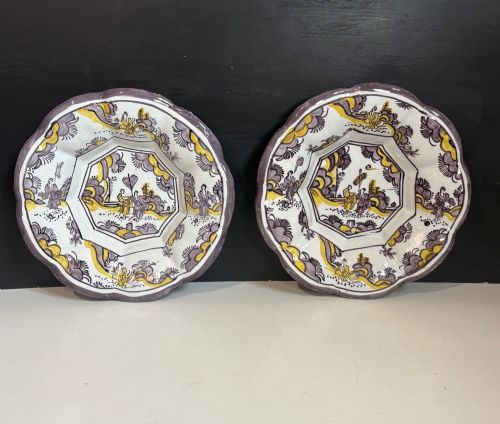
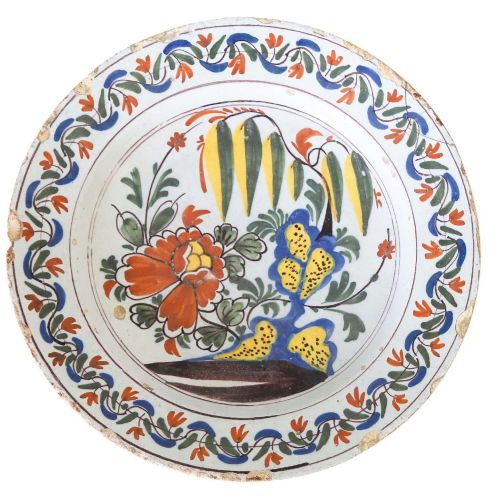
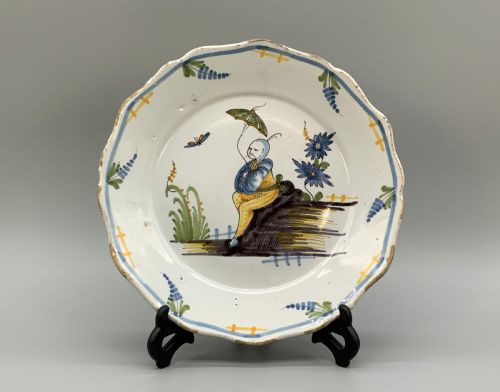
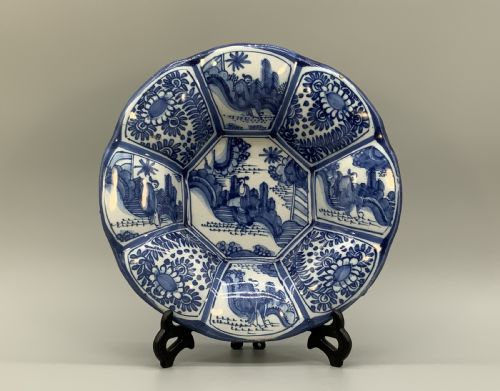
Most pieces seen here belong to the eighteenth and seventeenth centuries, taking the form of large decorative plates or chargers. These objects showcase traditional blue and white painting alongside richer polychrome palettes.
Forms vary from simple circular dishes to lobed shapes influenced by Kraak styles and Moorish revival designs. Buyers select these items to introduce historic patterns and hand-painted artistry into domestic interiors.
Materials and Construction
Potters built each delftware wall charger using earthenware clay, shaped on a wheel or pressed into a mould. This ceramic body received an opaque tin glaze that created a smooth, white surface suitable for painting.
Artisans applied cobalt pigment, manganese, and other mineral oxides directly onto the raw glaze before firing. Grand feu techniques fused these pigments into the tin glaze, producing permanent colour and gloss.
Factors of Quality
Quality rests upon the skill of the brushwork and the clarity of the painted design. Confident, fluid strokes in floral or Chinoiserie scenes separate superior works from rigid or hasty execution.
The stability and gloss of the tin glaze also determine worth. Even coverage without excessive crawling or pitting reveals better kiln control during manufacture.
The Delftware Wall Charger Glossary
- Tin-Glazed Earthenware
- Ceramic pottery coated with a glaze containing tin oxide to produce an opaque white finish. This material forms the essential base for all traditional delftware.
- Polychrome
- Decoration employing multiple colours rather than a single hue. On these dishes, palette choices often include yellow, green, and manganese alongside standard blue.
- Kraak Style
- Chinese export porcelain design idiom characterised by panelled borders and central motifs. Seventeenth-century European potters frequently copied this aesthetic.
- Grand Feu
- High-temperature firing technique used to fix pigments directly into the tin glaze. This method yields deep colour integration and a bright surface gloss.
Delftware Wall Charger: Frequently Asked Questions
How do I hang a wall charger safely?
Displaying a delftware wall charger securely requires a specialised spring-loaded wire hanger that grips the rim without applying excessive pressure. Ensure the wall fixing is anchored firmly into brick or a stud.
Avoid locations exposed to direct sunlight or sudden temperature shifts. Proper placement protects the fragile earthenware body and historic tin glaze from environmental stress.
Were these chargers used for food?
Historical examples served primarily as decorative display pieces on tables, sideboards, or walls rather than for daily dining. Their large diameter and shallow wells suited visual presentation.
Tin-glazed earthenware is relatively soft and porous compared to modern ceramics. Historic pieces are now preserved for their artistic merit and age.
How do I tell Dutch and English pieces apart?
Dutch delftware often exhibits crisp blue and white tin glaze with tight Chinoiserie or floral motifs. English production, such as Lambeth output, frequently embraces warmer polychrome palettes.
Body thickness and footrim construction also offer clues to origin. Comparing glaze tones helps attribute pieces to specific European traditions.
What does manganese mean in the decoration?
Manganese refers to a metallic oxide pigment producing purple, brown, or plum tones on the ceramic surface. Potters used it alongside cobalt blue or as the primary colour.
Manganese painting often creates a softer visual effect than bright blue pigments. It appears frequently on eighteenth-century European earthenwares.