


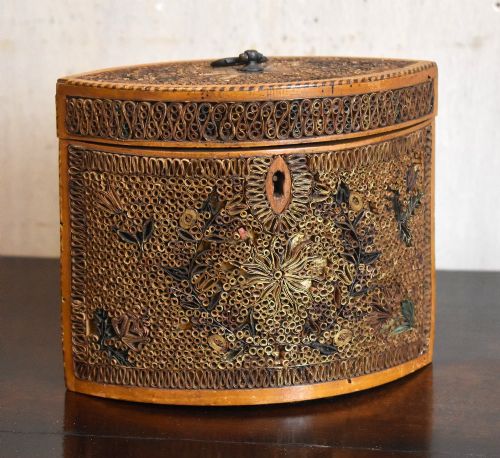

Georgian Decorative Box
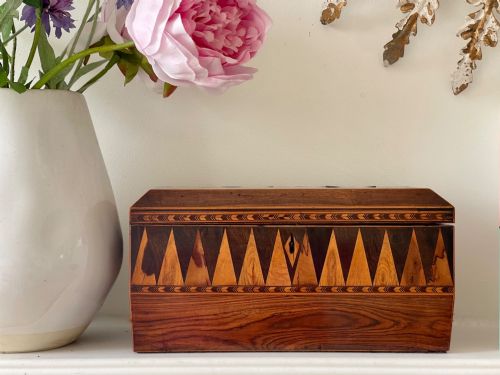
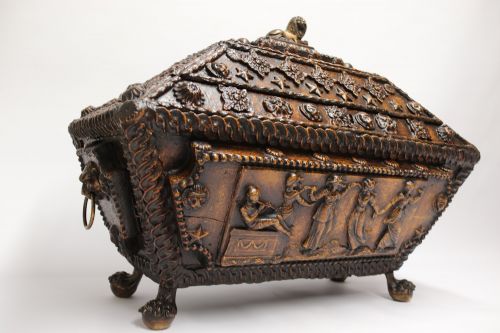
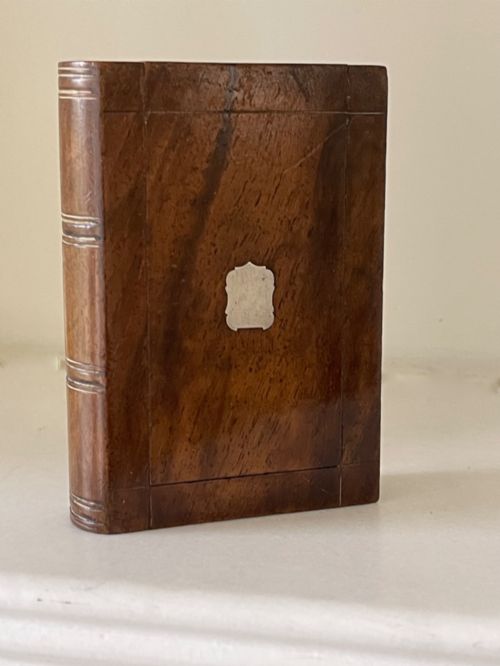
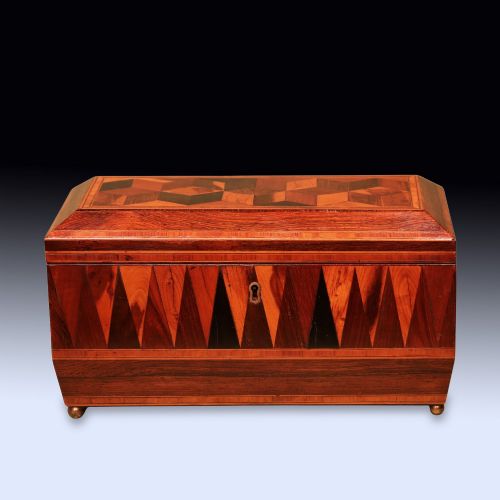
A georgian decorative box brings domestic order and rich timber grain to a room, ranging from tea caddies to small caskets.
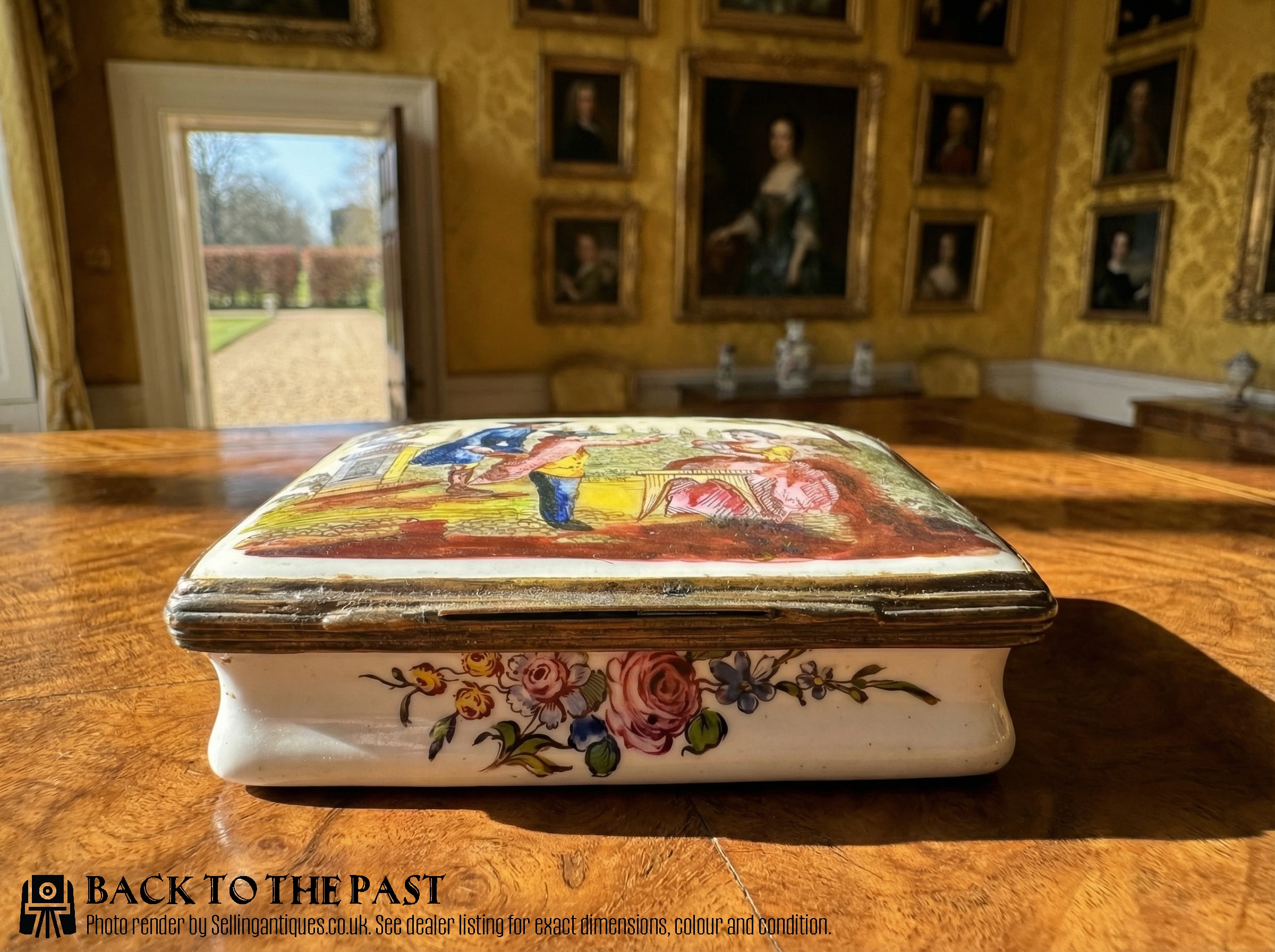
Georgian Decorative Box
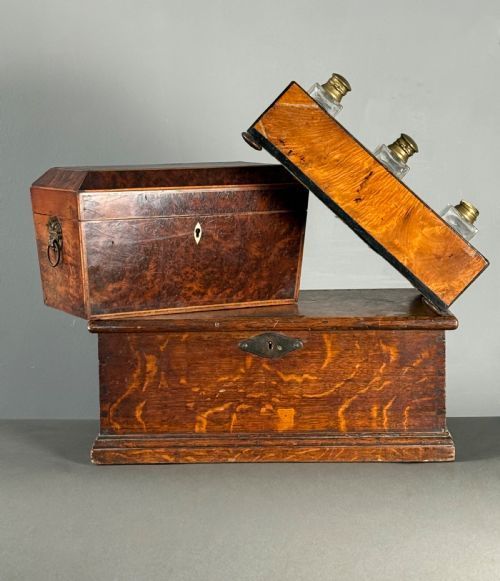
A georgian decorative box serves various practical storage needs around the home, most frequently appearing as tea caddies, snuff boxes, and small caskets. The selection on this page draws on periods spanning the eighteenth and nineteenth centuries, alongside regional British styles like Tunbridge ware.
How they were made
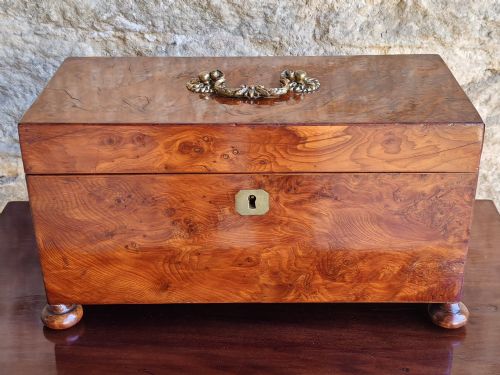
Cabinet makers utilised dense hardwoods such as mahogany, rosewood, and walnut, often applying intricate veneers of satinwood, amboyna, or burr yew. Surfaces frequently feature decorative inlays, boxwood stringing, and brass hardware.
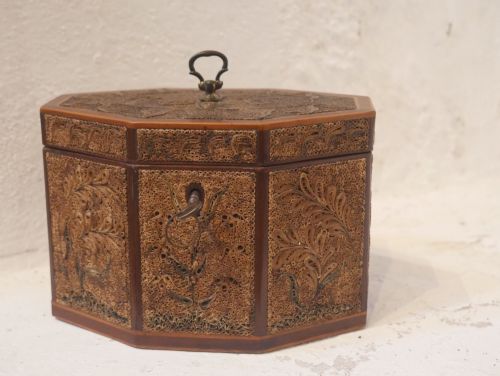
Alternative methods involve enamel work on copper for small patch boxes, moulded paper filigree, painted leather, and carved horn or tortoiseshell. Interiors often contain fitted compartments lined for specific domestic uses.
Georgian Decorative Box Retail Price Guide 2026
Typical asking prices for georgian decorative box among the pieces listed under this phrase on Sellingantiques today, from the lower quarter to the upper quarter. They describe what is for sale here now, not the wider market.
What varies in quality
The standard of a georgian decorative box depends largely on the precision of its veneering and the complexity of its timber selection, such as burr grains or marquetry. Superior examples display seamless mitres and well-matched grain patterns across all visible surfaces.
Internal fittings also distinguish finer pieces, particularly those retaining original mixing bowls, custom partitions, or functioning locks and keys. The delicacy of applied penwork, inlay, or enamel painting dictates the overall refinement of the object.
The Georgian Decorative Box Glossary
- Tea caddy
- A small box designed to store tea leaves, often featuring internal compartments and a locking lid.
- Parquetry
- Geometric mosaic woodwork formed by small pieces of veneer arranged in repeating patterns.
- Tunbridge ware
- Small wooden objects decorated with mosaic patterns created from many tiny pieces of naturally coloured wood.
- Patch box
- A small pocket container used to hold cosmetic patches or snuff, commonly made from enamel or metal.
- Navette
- A pointed, boat-shaped outline frequently seen on eighteenth-century boxes and caddies.
Georgian Decorative Box: Frequently Asked Questions
What were tea caddies used for?
Tea was an expensive commodity in the eighteenth century, so leaves were kept locked away safely. Servants or homeowners used caddies to portion out black and green teas.
Many examples feature divided interiors with separate compartments and a central mixing bowl for blending different leaves.
How do I date a wooden box?
Dating relies on timber choices, construction techniques, and decorative styles. Mahogany and walnut dominate earlier pieces, while rosewood and exotic veneers gain popularity later.
Examining the secondary woods inside drawers and the style of hinges provides further clues to the period.
Are original interiors common?
Many boxes survive with altered or missing internal elements due to centuries of daily use. Finding original mixing bowls, foil linings, or velvet pads adds significantly to the historical integrity.
Fitted compartments designed for specific tasks like sewing or painting remain prized by collectors.
How should I care for antique wood?
Antique timber requires stable humidity levels and protection from direct sunlight to prevent warping and fading. Regular dusting with a dry cloth keeps the surface clean without damaging the polish.
Avoiding harsh chemical polishes preserves the natural patina built up over generations.