
Georgian Cutlery
Georgian cutlery brings sturdy mahogany boxes, sterling silver serving spoons, and marrow scoops into the dining room.
Georgian Cutlery
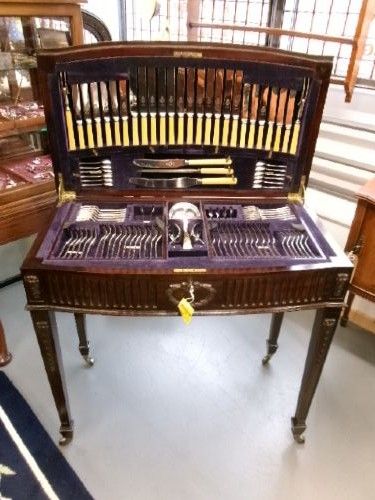
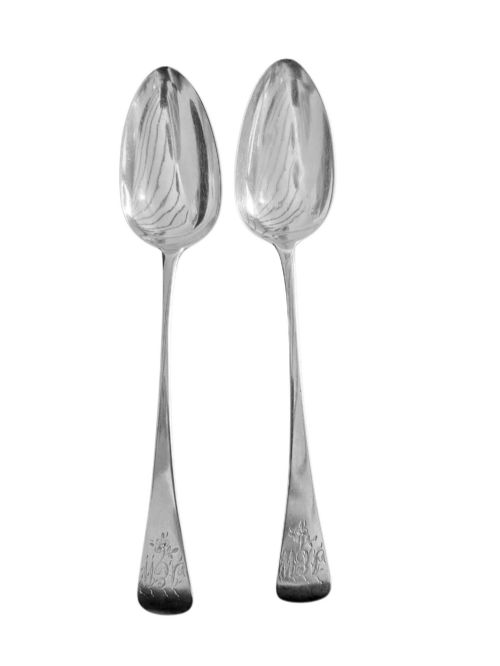
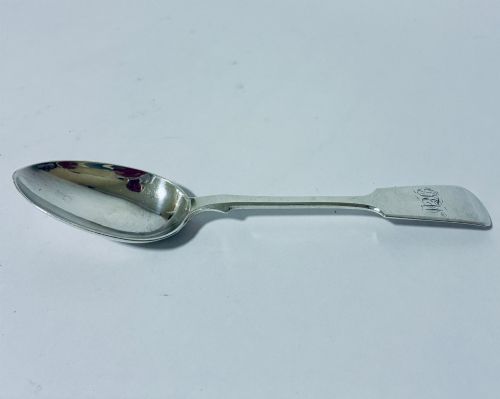
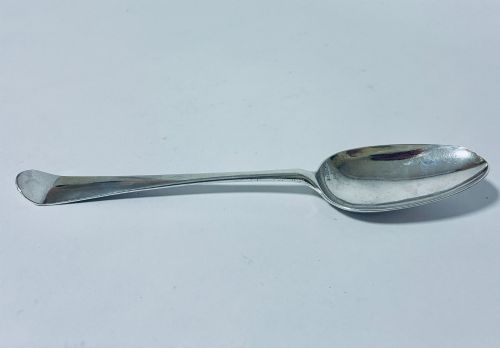
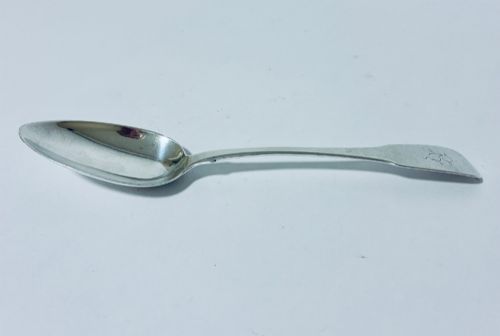
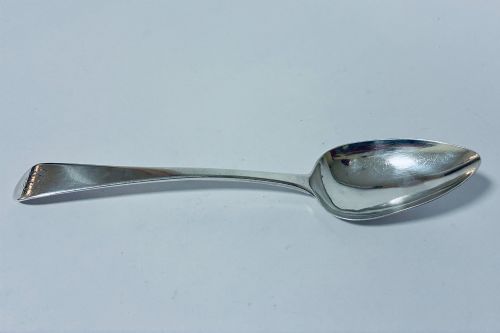
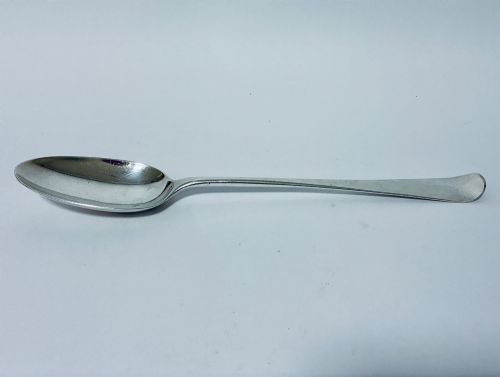
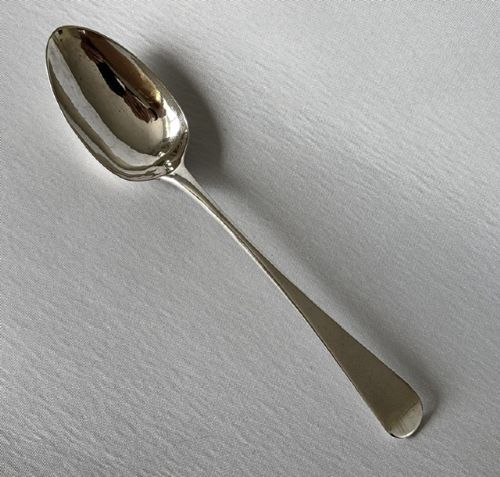
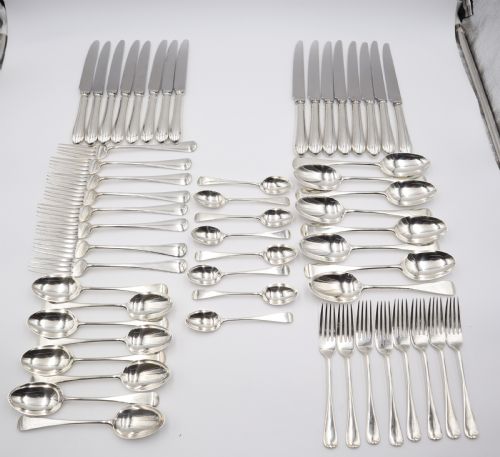
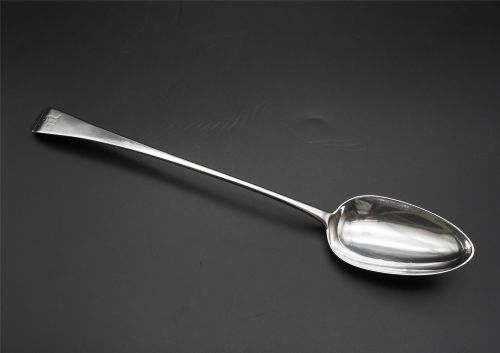
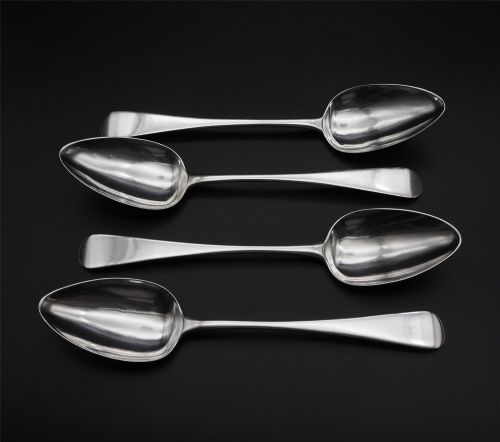
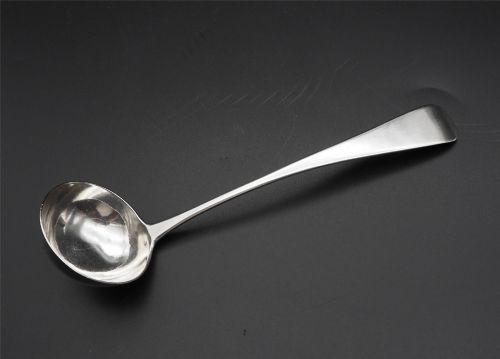
When you search for georgian cutlery, you encounter sterling silver serving pieces, basting spoons, ladles, and mahogany storage boxes originating from the eighteenth and nineteenth centuries. These items range from individual marrow scoops and spice sifting spoons to matched sets housed in inlaid wooden cabinets.
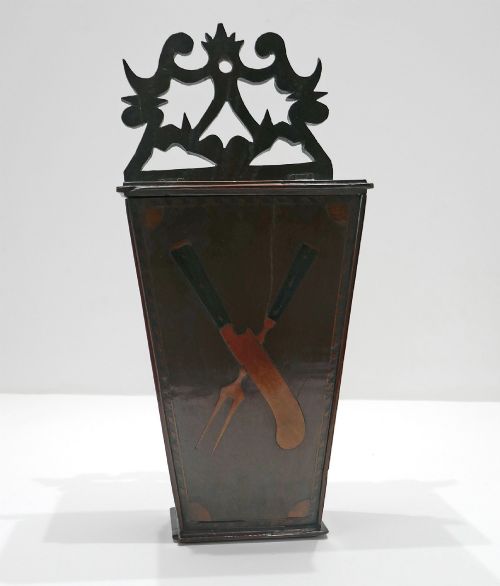
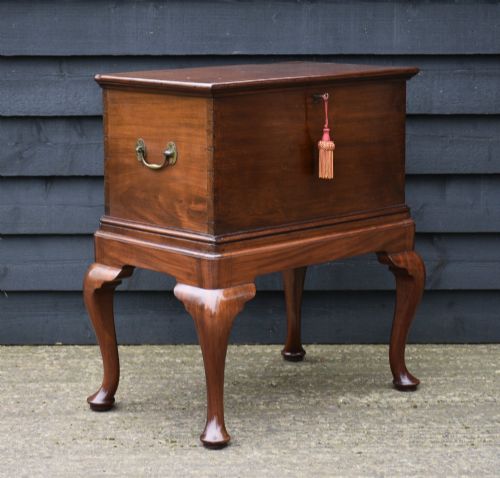
The version you are most likely to meet on this page is a sterling silver spoon or ladle bearing hallmarks from London, Exeter, Newcastle, or Dublin, often accompanied by Georgian mahogany knife boxes lined with velvet or fitted with boxwood and ebony inlay.
Materials and construction
Silversmiths hammered and shaped sterling silver into flatware and serving utensils, frequently applying incuse duty marks, bright-cut engraving, or family crests by hand. Makers utilised specialised techniques to form long basting spoons, soup ladles, and marrow scoops designed for formal dining.
Cabinetmakers constructed knife boxes and canteens using solid mahogany, incorporating brass hardware, velvet linings, and detailed boxwood or ebony inlay patterns. These wooden pieces provided secure storage for steel knives and silver flatware within the domestic interior.
Listings feature mahogany, brass, velvet, boxwood, and sterling silver across eighteenth-century and nineteenth-century forms.
Distinctions in quality
Quality rests upon the clarity of the silver hallmarks, the crispness of the engraved crests or bright-cut patterns, and the weight of the metal itself. Heavier serving spoons and ladles demonstrate superior durability and substantial silver content.
For mahogany cutlery boxes, the grade of the timber, the precision of the dovetail joints, and the intricacy of the boxwood and ebony inlay dictate the standard of the piece. Well-preserved original hardware and fitted interior compartments elevate the standing of wooden storage items.
John Lambe·Deakin & Francis·Peter & Jonathan Bateman·John Pittar·Hamilton & Inches·John Walton·John Craig·Hester Bateman·Edward Power
The Georgian Cutlery Glossary
- Hallmark
- Official stamps applied to silver objects to indicate the maker, town of origin, standard of purity, and year of assay. These marks provide the primary evidence for dating and attributing cutlery.
- Marrow scoop
- A narrow, double-ended utensil with trough-like bowls used for extracting marrow from animal bones at the table. Georgian examples often feature crests or plain silver surfaces.
- Bright-cut
- An engraving technique utilising angled cuts to create faceted, glittering patterns on the surface of silver flatware and spoons. This style was popular during the late eighteenth century.
- Berry spoon
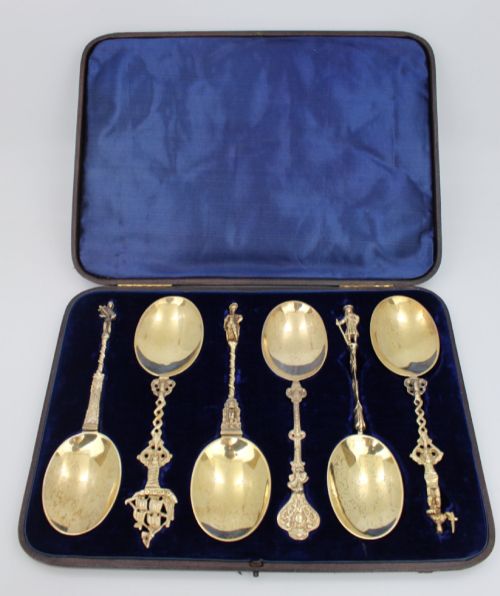
- A serving spoon, often dating from the Georgian period, later chased and embossed with fruit and foliage designs during the Victorian era. The bowls are frequently gilded or silver-gilt.
- Knife box
- A wooden receptacle, typically made of mahogany with a sloping lid, designed to hold steel-bladed table knives upright in vertical slots. Many include serpentine fronts and inlaid details.
Georgian Cutlery: Frequently Asked Questions
How do I identify a Georgian silver spoon?
You inspect the hallmarks stamped into the back of the stem to find the assay office mark, date letter, and maker's mark. Georgian pieces typically display distinct monarch profiles or incuse duty marks from the eighteenth and early nineteenth centuries.
Matching the stylistic markers, such as Old English patterns or bright-cut engraving, helps confirm the period alongside the official town marks from London, Dublin, or regional assay offices.
What were mahogany knife boxes used for?
Dining rooms utilised these sloping wooden containers to store table knives and cutlery securely when not in use on the table. The fitted interior slots kept steel blades organised and protected from moisture.
Servants placed them on sideboards or dedicated stands during meals, combining practical storage with polished mahogany display.
How do I care for antique silver cutlery?
You clean sterling silver gently using specialised silver cloth or mild soap and warm water, avoiding harsh abrasive dips that strip away historical patina. Storing pieces in dry, tarnish-resistant environments prevents unnecessary wear on the metal surface.
Regular handling helps maintain a natural glow without damaging delicate engravings or family crests.
What is the difference between a basting spoon and a serving spoon?
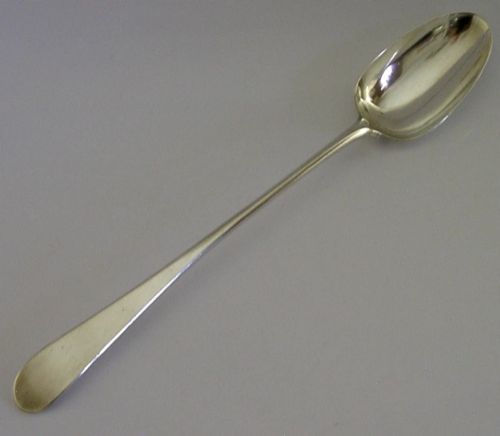
Basting spoons feature exceptionally long handles and deep bowls designed to scoop juices from roasting pans during food preparation. Standard serving spoons are shorter and tailored for transferring food from bowls to individual plates at the dining table.
Both forms appear frequently in Georgian silver collections, often marked with family crests.