



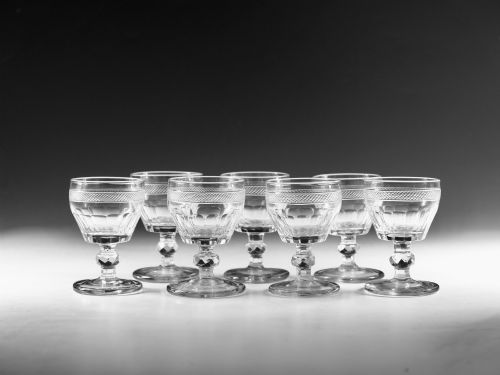

Georgian Cut Wine Glass
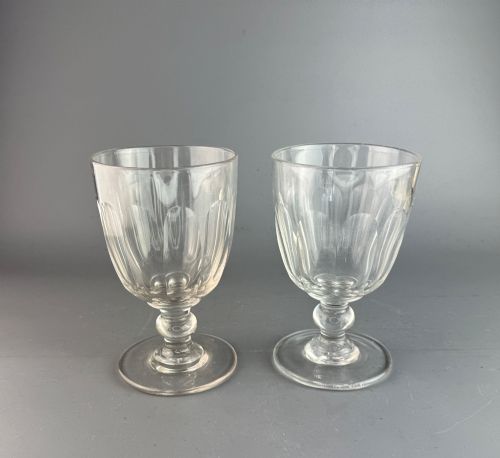
These Georgian cut wine glass pieces bring heft and brilliant light to the table, formed by hands that understood how lead crystal holds a clean edge.
Georgian Cut Wine Glass
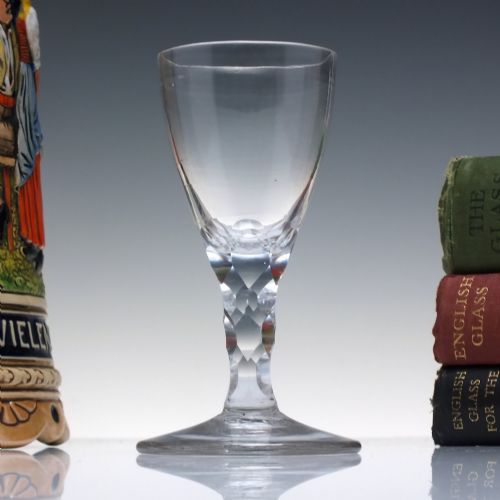
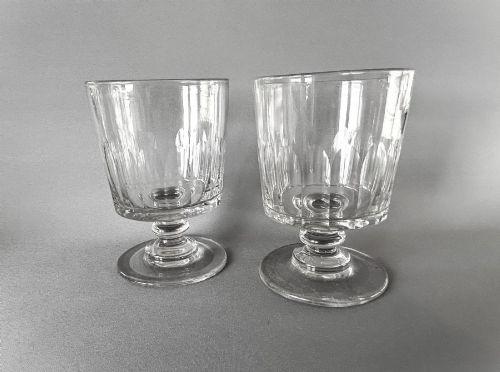
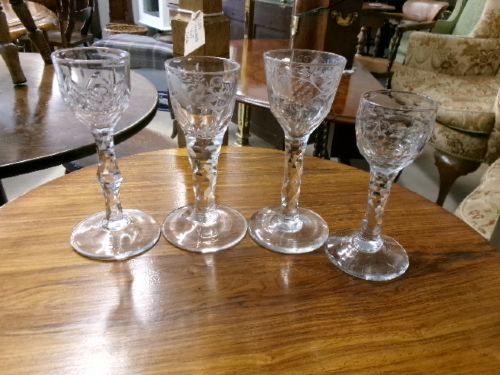
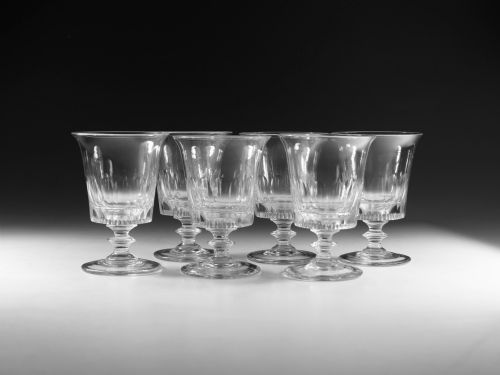
A georgian cut wine glass sits among drinking vessels, dram glasses, port glasses, and rummers shaped during the eighteenth and early nineteenth centuries. The pieces on this page span the Georgian, Regency, and Victorian eras, carrying forms from faceted stems to wide foot bases.
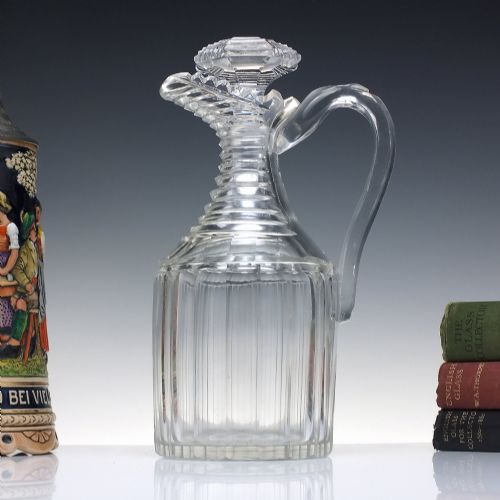
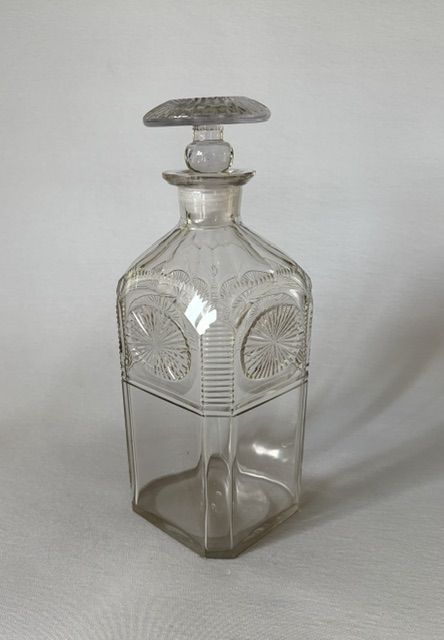
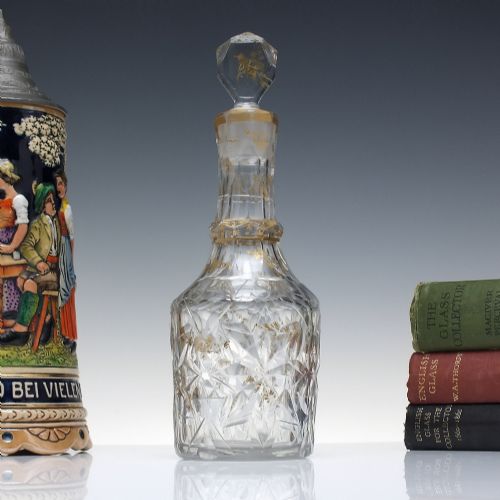
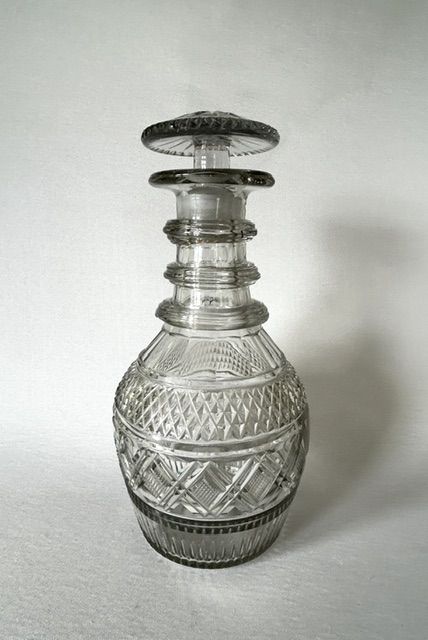
Buyers will encounter vessels styled under George III alongside Regency and nineteenth-century examples. The selection includes drinking glasses with decorated bowls, alongside related serving pieces like decanters, carafes, and claret jugs.
Origins stretch across English and Irish workshops, showing the heavy influence of Anglo-Irish glass production. Forms vary from simple faceted stems to robust rummers and cordials designed for daily dining or formal toast service.
Assessing quality in cut glass
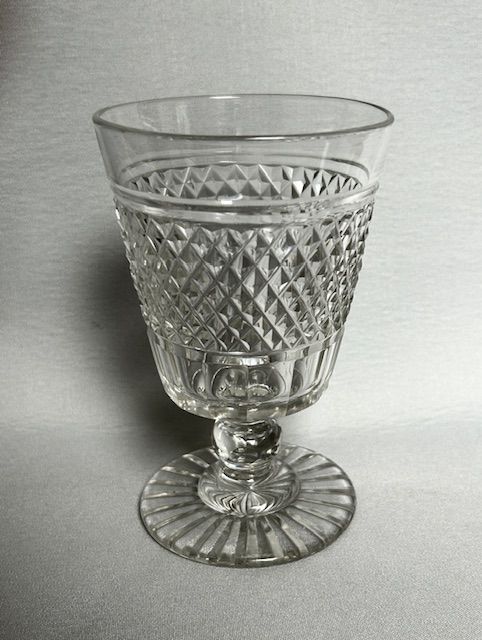
Clarity and weight set the baseline for quality, as heavier lead crystal holds sharper cut lines and displays greater brilliance. The crispness of the facet edges indicates the skill of the cutter at the wheel.
Proportion and balance across the stem, bowl, and foot determine the visual success of the piece. Well-executed engraving and precise symmetry separate standard tavern ware from high-status table service.
Georgian Cut Wine Glass Retail Price Guide 2026
Typical asking prices for georgian cut wine glass among the pieces listed under this phrase on Sellingantiques today, from the lower quarter to the upper quarter. They describe what is for sale here now, not the wider market.
Some vessels carry secret Jacobite symbols etched into the bowl to toast absent kings in quiet rooms.
James Giles
The Georgian Cut Wine Glass Glossary
- Facet cut
- A decorative technique using flat, polished planes ground into the surface of the glass. This method catches the light and creates geometric patterns along stems or bowls.
- Lead crystal
- A type of glass containing a significant proportion of lead oxide. This composition increases weight, clarity, and the time available for cutting.
- Rummer
- A large, sturdy drinking glass with a short stem and wide bowl. These vessels emerged in the late eighteenth century for ale, wine, or punch.
- Prussian decanter
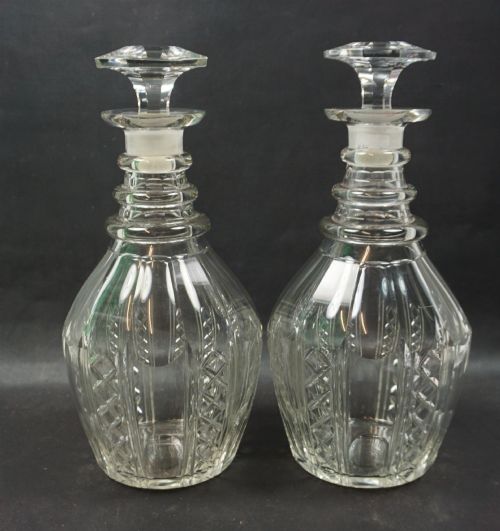
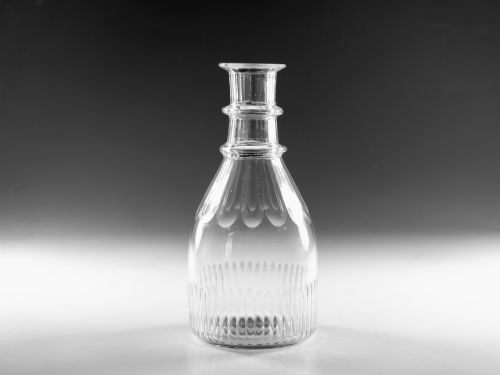
- A bottle shape featuring a tapering neck with multiple horizontal rings. The design kept the stopper secure aboard ships and dining tables.
- Pontil mark
- A rough scar left on the base where the holding iron was snapped off after blowing. Skilled makers ground and polished this area smooth on finer items.
Georgian Cut Wine Glass: Frequently Asked Questions
How do I date a cut wine glass?
Dating relies on stylistic shifts in bowl forms, stem construction, and the type of cutting applied. Early examples often feature faceted stems, while later nineteenth-century pieces show heavier press-moulding or broader, simpler cuts.
Examining the base for pontil marks and wear provides further clues to age. English and Irish pieces from the Georgian period typically exhibit a polished pontil and heavier lead metal.
Were these glasses used daily?
Wealthy households used lead crystal stemware for formal dinners, toasts, and evening entertaining. Sturdier rummers and dram glasses saw service in taverns as well as domestic dining rooms.
Their thick walls and high lead content made them durable enough for regular handling. Over time, many transitioned from functional dining items to display pieces.
Why do some glasses feel heavier?
The weight comes from the high lead oxide content in the batch formula. Glassmakers added lead to soften the metal for easier cutting and to increase light refraction.
Heavier vessels required more raw material and skilled manipulation at the furnace. This density is a primary indicator of quality in Georgian table glass.