

Georgian Cupboard on Drawers
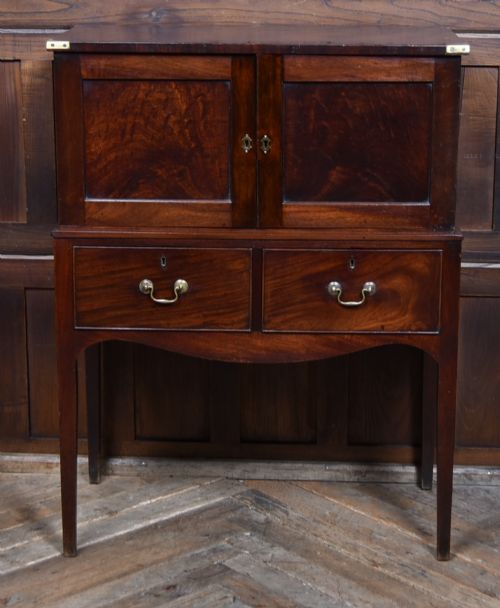
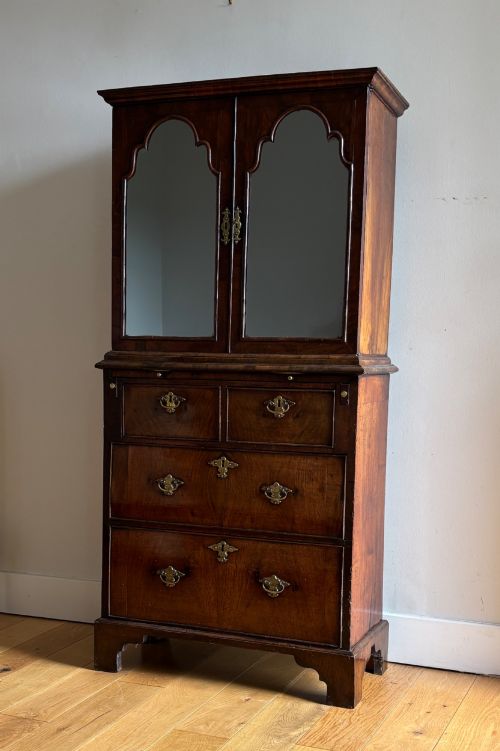
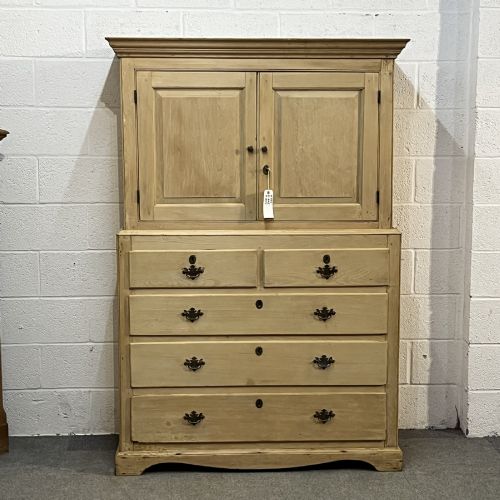
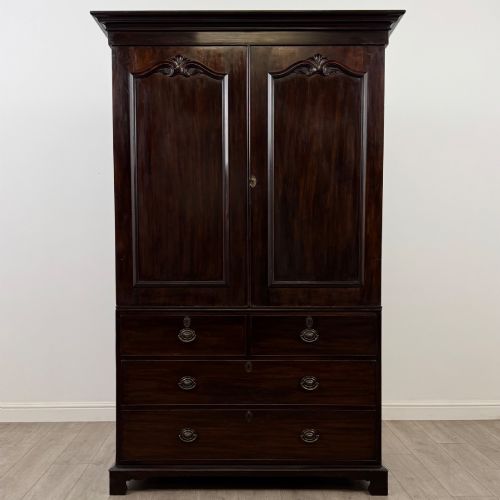
A georgian cupboard on drawers combines upper enclosed storage with lower drawers, offering practical capacity and rich period character.
Georgian Cupboard on Drawers
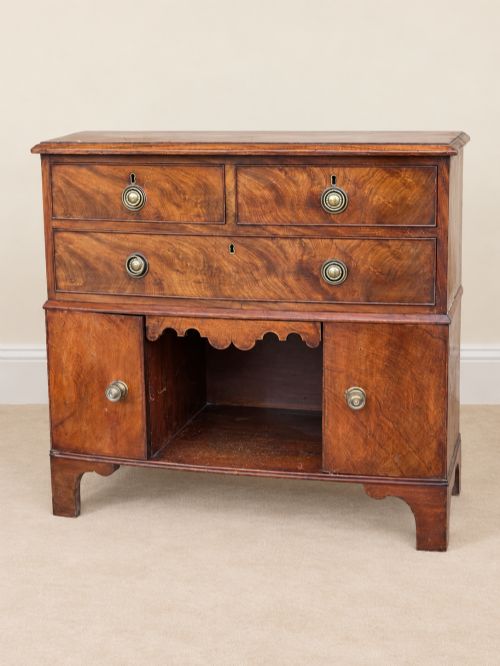
When searching for a georgian cupboard on drawers, buyers encounter a functional mix of enclosed storage and chest foundations spanning the eighteenth and nineteenth centuries.
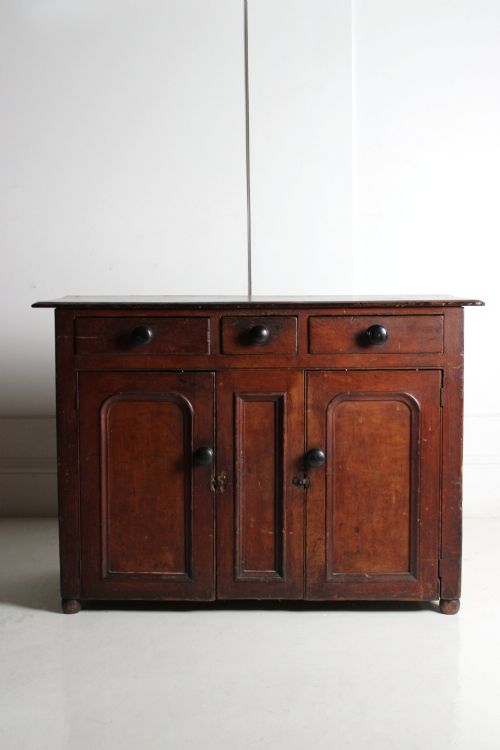
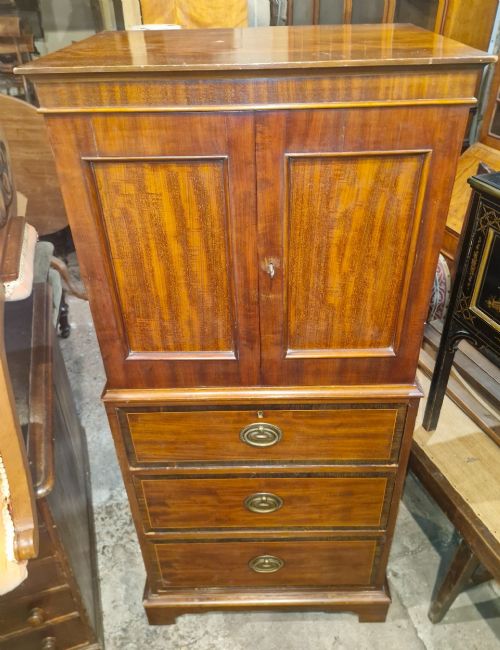
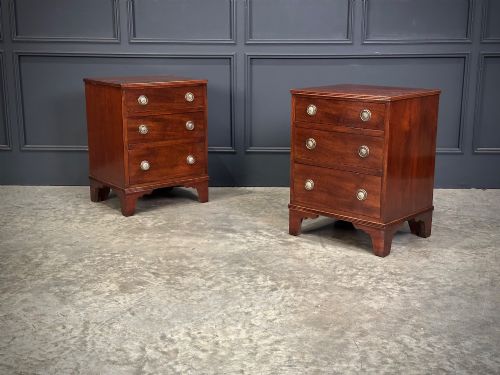
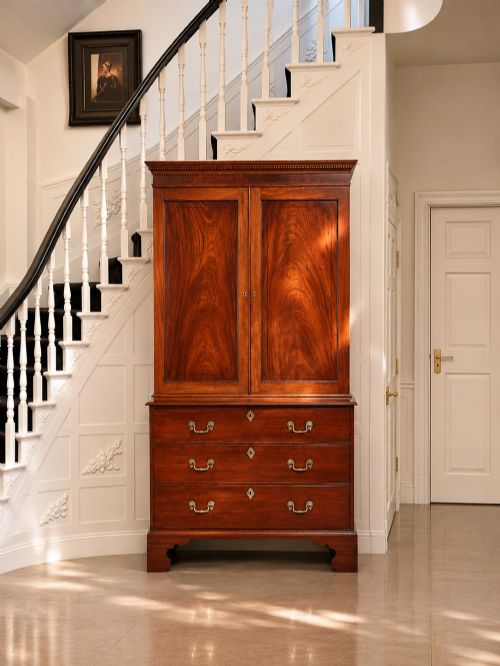
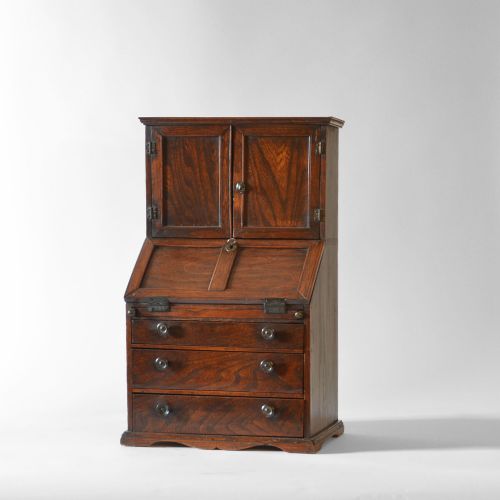
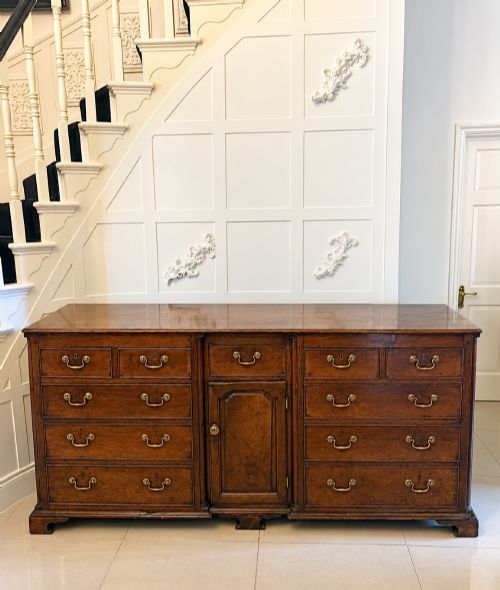
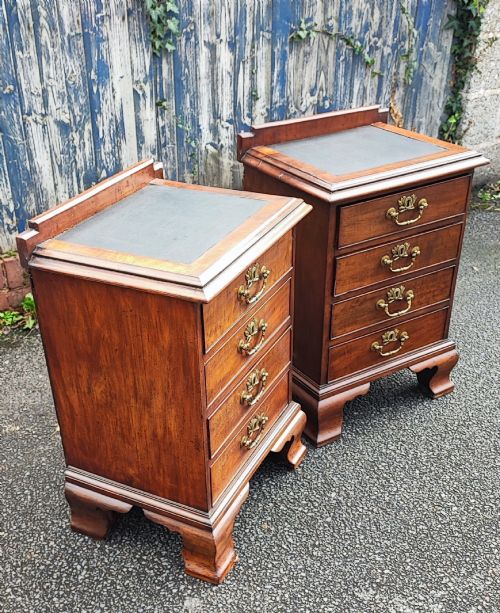
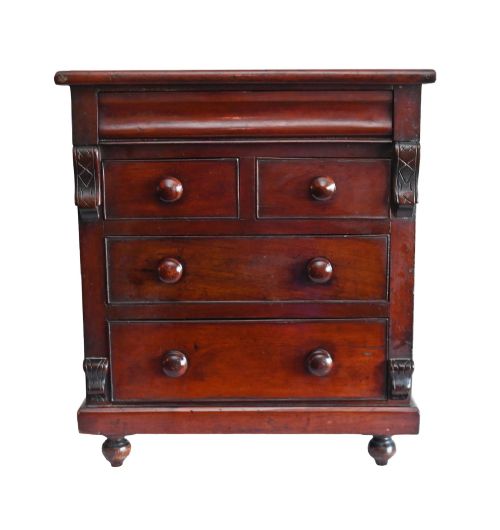
The selections here range from substantial oak dresser bases and mahogany linen presses to compact bedside cabinets and miniature apprentice pieces.
While true Georgian examples date across the eighteenth century and Regency periods, the listings also include later Edwardian interpretations and revival pieces.
Materials and construction
Cabinetmakers predominantly utilised solid mahogany and oak, often incorporating walnut, pine, and elm for internal framing or secondary elements.
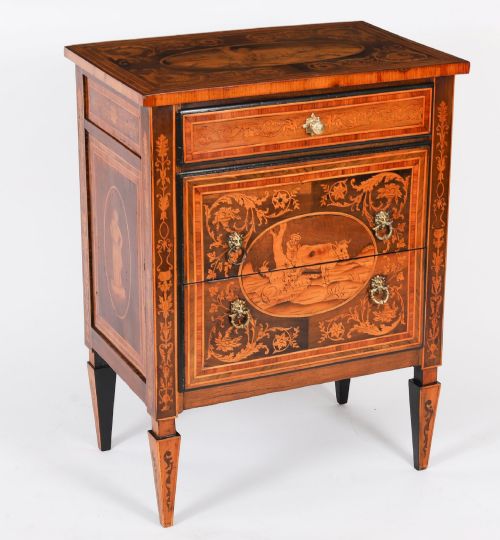
Hardware typically featured cast brass handles and escutcheons, while decorative surfaces occasionally displayed marquetry or blind fretwork cornices.
Construction methods relied on traditional joinery techniques, resulting in robust two-part cupboards, knockdown wardrobes, and dovetailed drawer boxes.
Georgian Cupboard on Drawers Retail Price Guide 2026
Typical asking prices for georgian cupboard on drawers among the pieces listed under this phrase on Sellingantiques today, from the lower quarter to the upper quarter. They describe what is for sale here now, not the wider market.
Assessing craftsmanship
The distinction between standard utility items and finer examples rests upon timber selection, such as figured mahogany or burr walnut.
Original brass hardware, crispness of carved details like fretwork, and proportion elevate certain pieces above simpler provincial country furniture.
Alterations over centuries, such as adaptations for modern use or replaced feet, influence how closely a piece matches its original period state.
The Georgian Cupboard on Drawers Glossary
- Linen press
- A tall piece combining upper cupboard doors for storing textiles with lower drawers for smaller garments. They often feature sliding shelves or hanging space inside.
- Dresser base
- A low sideboard form featuring multiple drawers and cupboards below a flat top. These originated in oak during the eighteenth century for country dining rooms.
- Blind fretwork
- Carved decorative patterns applied to a flat wooden surface without piercing all the way through. This technique appeared on mid-eighteenth-century cornices and friezes.
- Apprentice chest
- A small-scale model of a chest of drawers made by a craftsman to demonstrate skill. These miniature pieces mirror the joinery and proportions of full-sized furniture.
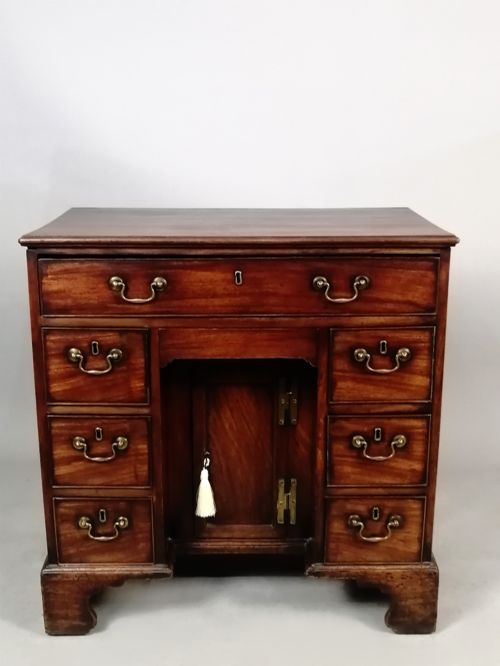
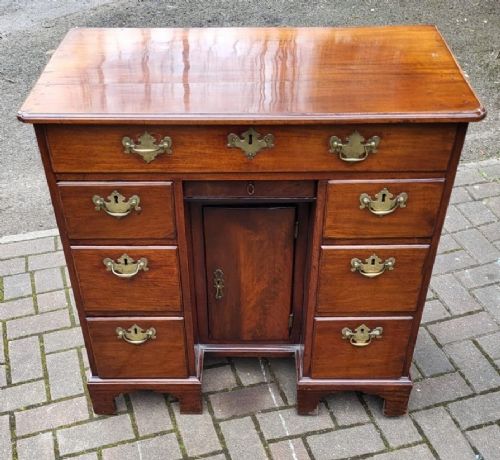
- Kneehole desk
- A writing table with a recessed central cupboard flanked by pedestals of small drawers. They offer a compact workspace with integrated storage.
Georgian Cupboard on Drawers: Frequently Asked Questions
How do I date a Georgian cupboard?
Dating relies on timber species, construction methods, and hardware styles. Earlier eighteenth-century pieces frequently utilise oak with hand-cut dovetails, while later Regency examples lean towards refined mahogany.
Secondary woods, backboards, and drawer linings also provide clues. Examining the hand-cut nails or screw types helps narrow down the decade of manufacture.
Where should I place a linen press?
Linen presses offer substantial vertical storage, making them suitable for bedrooms as wardrobes or linen stores. Their deep proportions require adequate wall space.
Some two-part models separate for easier transport and placement. Ensure the room has stable humidity to protect the antique timber.
Are bedside cabinets original to the Georgian period?
Small bedside tables and cabinets gained popularity during the Georgian and Regency eras for holding chamber pots or night essentials. Many pieces listed as bedside chests date from this time or follow Edwardian revivals.
Their compact heights and enclosed lower cupboards suit modern bedside use. They provide functional surface space alongside concealed internal storage.
What is the difference between oak and mahogany pieces?
Oak furniture tends to originate from earlier eighteenth-century provincial workshops or country houses, displaying visible grain and robust construction. Mahogany became the dominant timber for refined urban cabinetmaking later in the period.
Mahogany allowed for richer carving, smoother finishes, and darker patination. Both timbers age distinctively through centuries of waxing and use.