

Georgian Country Seating
Georgian country seating brings together robust vernacular Windsor armchairs, oak settles and ladder-backs shaped by regional makers for everyday domestic use.
Georgian Country Seating
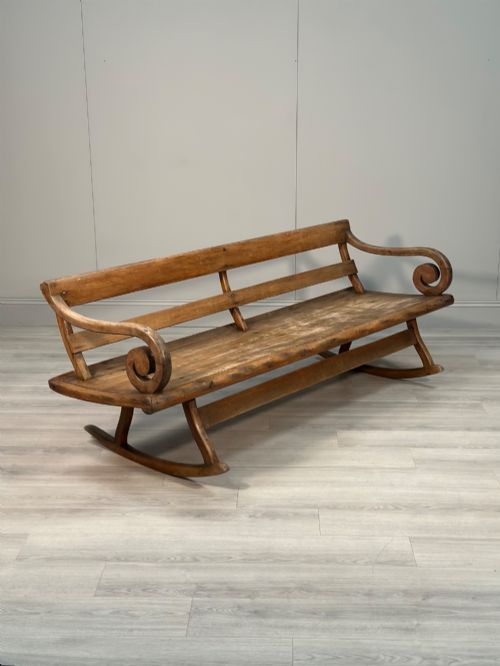
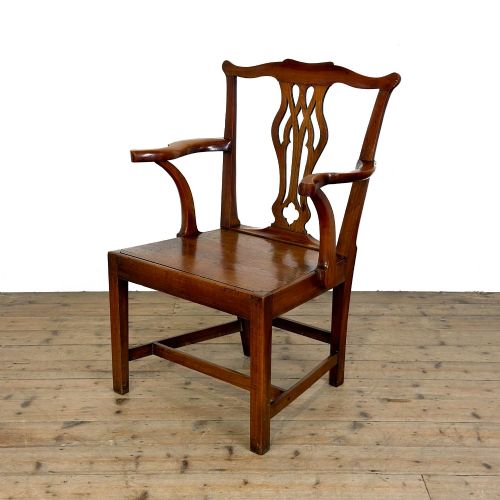
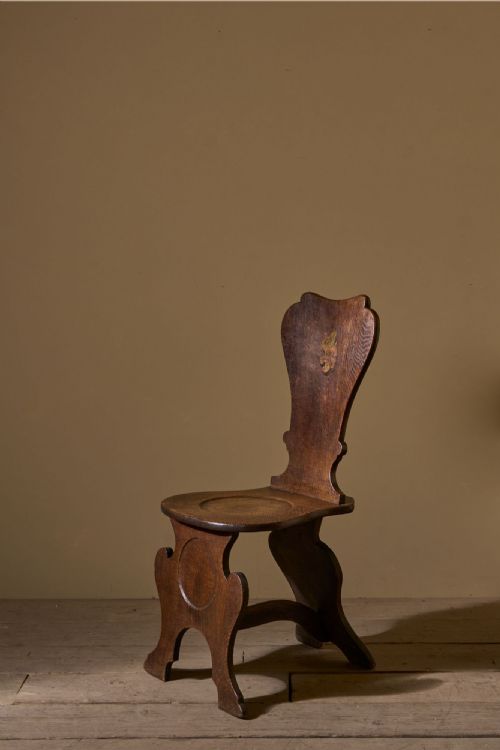
Georgian country seating encompasses utilitarian chairs, benches, settles and joint stools produced during the eighteenth and nineteenth centuries. The listings show a strong presence of Windsor armchairs, oak box settles and ladder-back dining chairs originating from English and Welsh vernacular traditions.
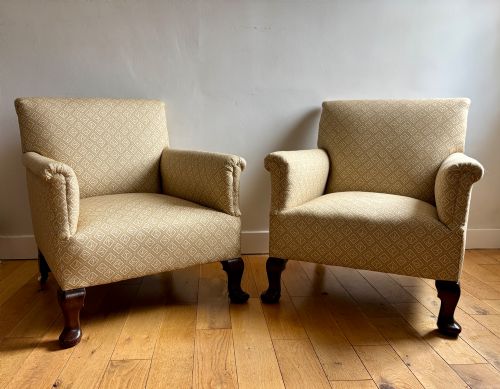
Buyers encounter single chairs alongside matched sets, ranging from compact children's chairs to large country house settles. These pieces reflect provincial craftsmanship where local timber availability dictated the form and construction of domestic seating.
How they were made
Maker-joiners utilised locally sourced timbers such as elm, ash, oak, yew and fruitwood, often combining multiple woods within a single Windsor chair for structural strength. Seats were commonly carved from solid elm planks, while spindles, legs and bent-wood bows relied on the flexible properties of green ash or yew.
Joinery methods depended on traditional pegging, mortise and tenon joints, and wedged spindles rather than complex hardware. Surfaces frequently show original paint finishes or developed a rich patination through decades of daily handling and domestic wear.
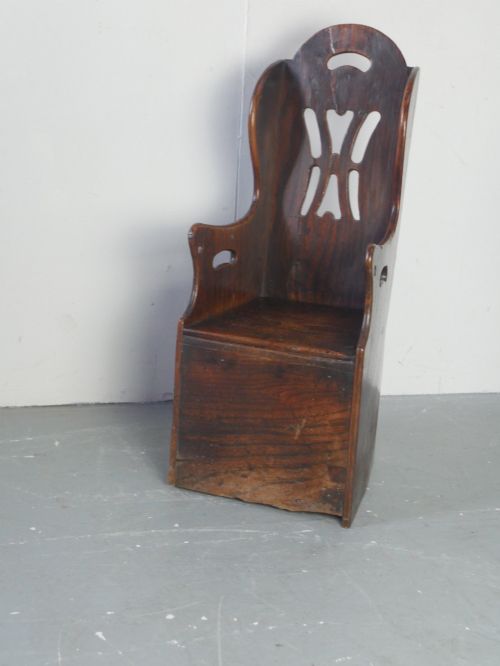
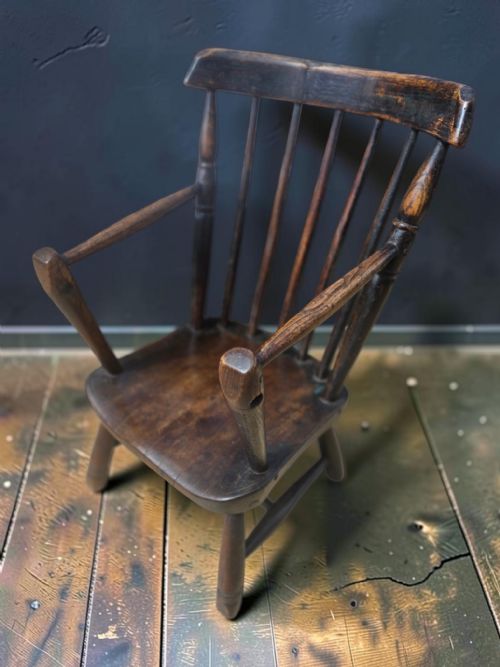
A tiny child's chair waits patiently for an owner small enough to appreciate eighteenth-century proportions.
What varies in quality
Quality in these pieces rests upon the integrity of the original construction, the balance of proportions and the preservation of surface patina. Pieces retaining their original timber combinations and minimal structural intervention command greater appreciation among collectors.
The sophistication of the turning on spindles and legs, alongside the sculptural comfort of comb backs and wheel backs, distinguishes standard utilitarian output from superior vernacular design.
Whytock and Reid
The Georgian Country Seating Glossary
- Windsor armchair
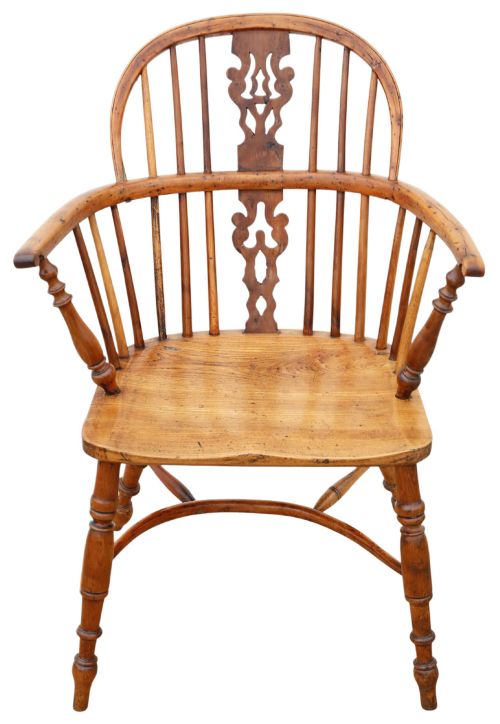
- A chair built with a solid wooden seat into which the legs and back spindles are directly wedged. These pieces often incorporate bentwood bows and carved elm seats.
- Box settle
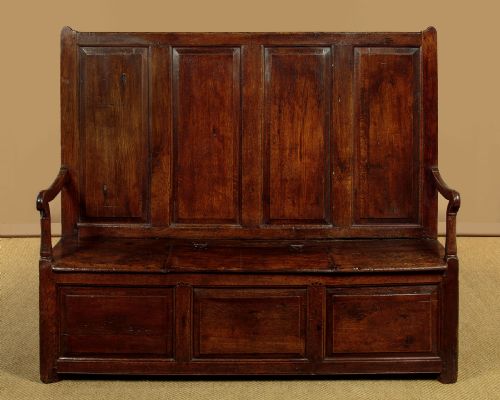
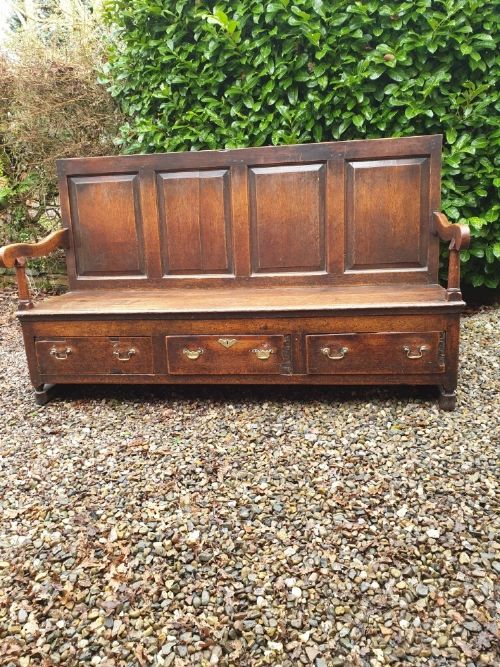
- A high-backed wooden bench featuring a solid enclosed base that frequently doubles as a storage chest. They were placed near hearths to block draughts.
- Joint stool
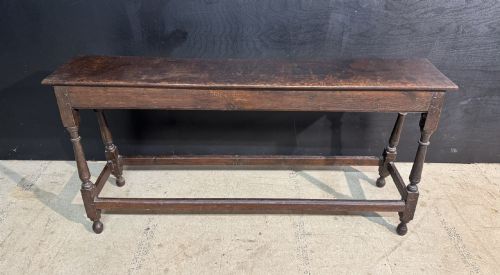
- A sturdy wooden stool constructed with mortise and tenon joints using pegged framing. These early seats served multiple domestic purposes before upholstered chairs became common.
- Comb back
- A Windsor chair variation where the top rail resembles the spine of a comb, holding vertical spindles rising from a low central arm rail.
- Patina
- The deep surface sheen and colour developed by wood over centuries through handling, polishing and exposure to light.
Georgian Country Seating: Frequently Asked Questions
What is a Windsor armchair?
A Windsor armchair is a sturdy seating form featuring a solid wooden saddle-shaped seat into which turned legs and back spindles are secured. These chairs rely on a stick-construction technique rather than a traditional framed skeleton.
Provincial makers built them using multiple timber species within a single frame, pairing bent ash bows with elm seats and fruitwood spindles.
How were box settles used?
Box settles served as heavy, draught-excluding benches positioned near the fireplace in traditional homes. Their high wooden backs and solid panelled sides trapped warmth and kept cold air away from seated occupants.
The enclosed base beneath the seat provided concealed storage space for household blankets, boots or dried provisions.
Where were ladder-back chairs made?
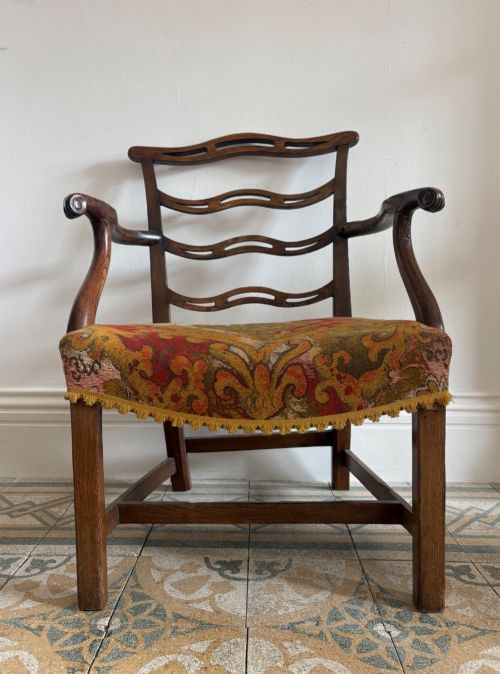
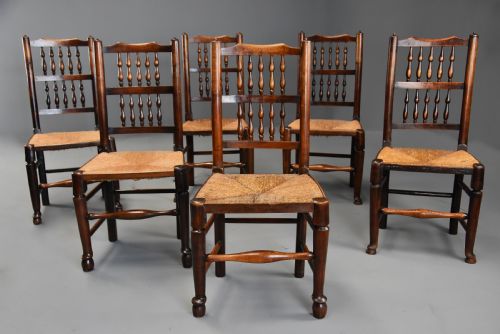
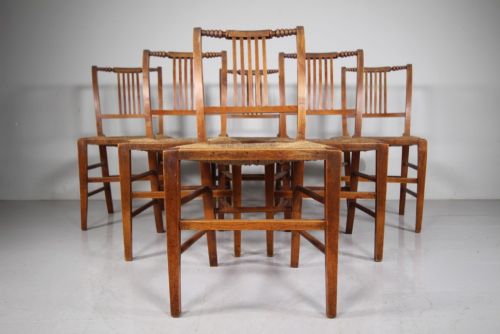
Ladder-back chairs were produced across English and Welsh rural workshops by local joiners and bodgers. Sets of these dining chairs were made for farmhouse kitchens and provincial country houses.
They typically featured ash frames supporting woven rush seats or upholstered pads.
How do I care for antique oak furniture?
Antique oak and elm pieces require stable indoor humidity away from direct heat sources and strong sunlight. Maintaining a consistent environment prevents the timber from drying out or splitting.
Routine maintenance involves gentle dusting with a dry cloth and occasional application of traditional beeswax to nourish the surface patina.