
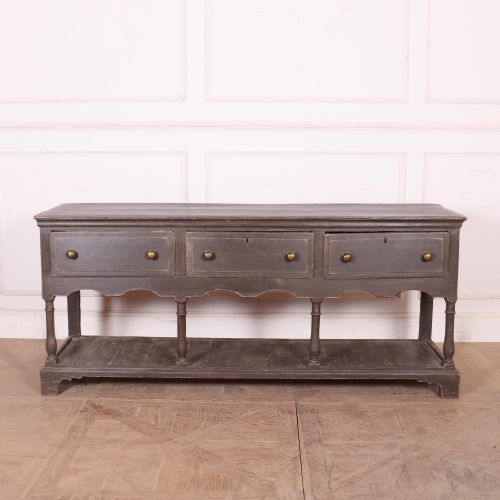


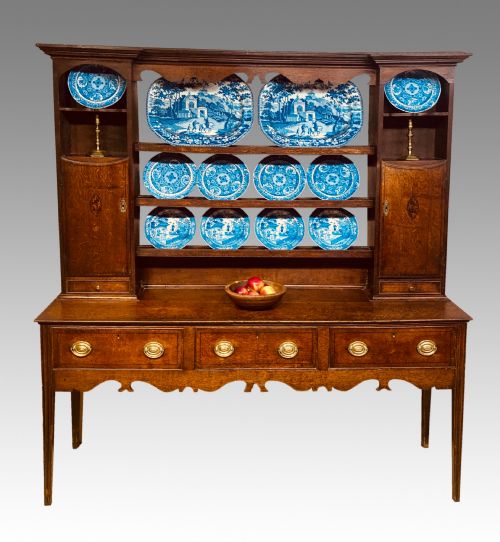


Georgian Country House Sideboard
A georgian country house sideboard brings honest, working timber and centuries of domestic history straight into a modern dining room.
Georgian Country House Sideboard
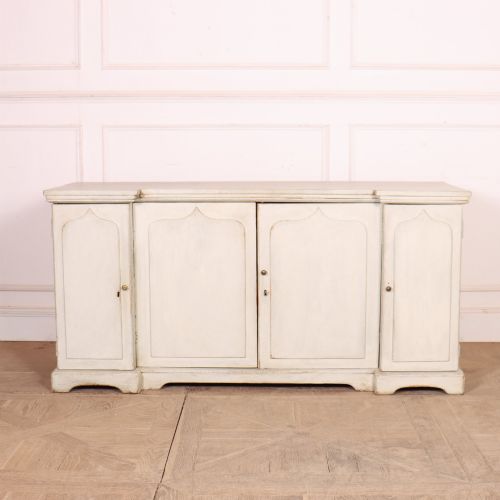
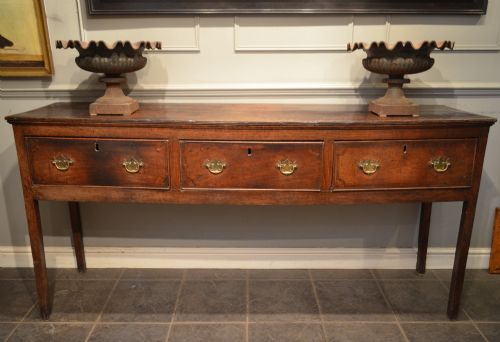
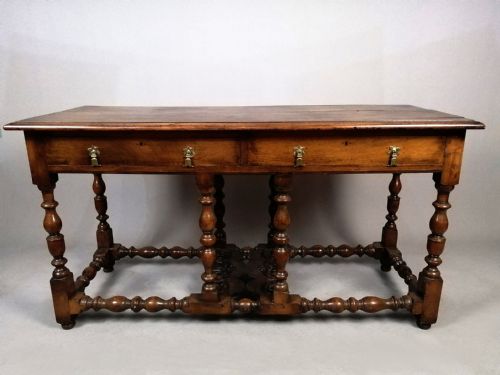
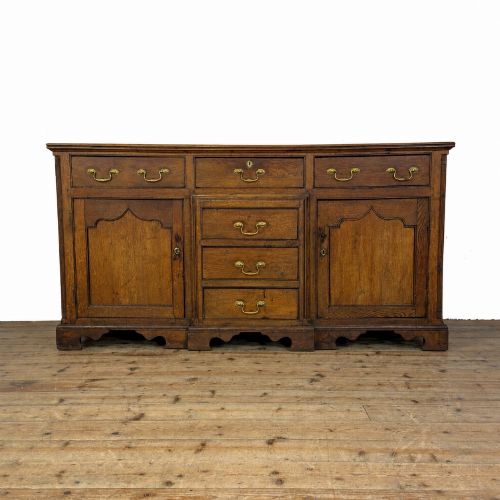
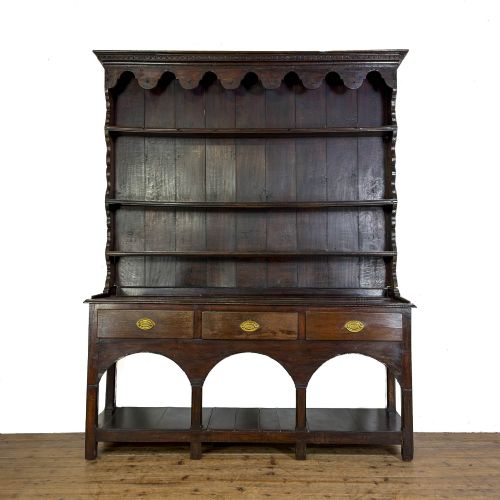
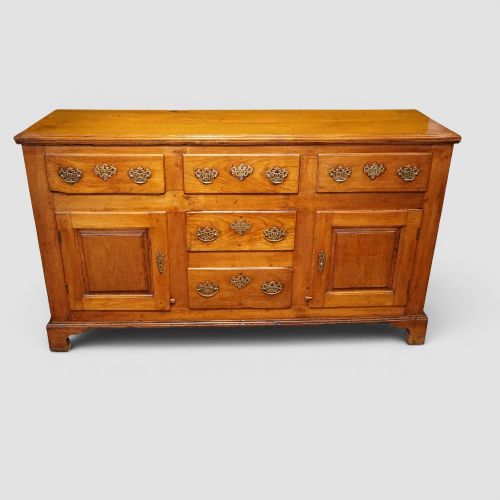
A georgian country house sideboard bridges the gap between utilitarian kitchen storage and formal dining room display, appearing in forms such as dresser bases, serving tables, and potboards. These items serve as practical furniture designed for preparation and service, carrying the weight of everyday domestic life from the eighteenth and nineteenth centuries.
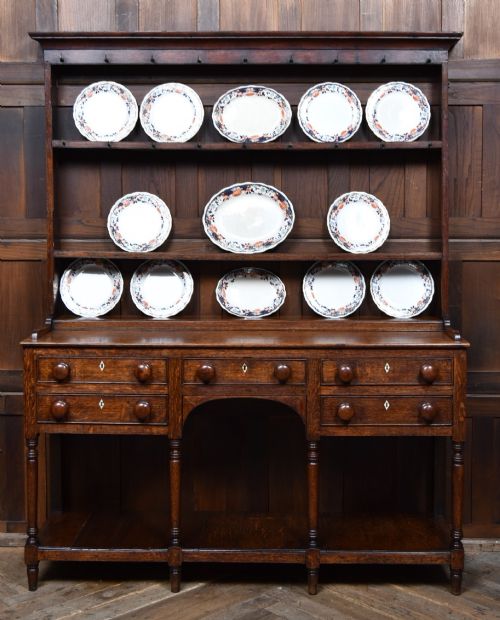
The pieces on this page lean heavily toward regional vernacular furniture, predominantly oak, elm, and fruitwood. Buyers encounter sturdy bases with drawers and cupboards, occasionally paired with their original plate racks or upper shelving units.
Origins stretch across English counties, Wales, and rural estates, showcasing local building traditions rather than strict London cabinet-making. This regional variation ensures that each survivor carries unique proportions, hardware, and timber selections suited to its original rural setting.
Materials and construction
Constructed primarily from native timbers like oak, elm, and pine, these sideboards and dresser bases rely on solid wood construction rather than complexveneering. Cabinet-makers utilised traditional joinery, including pegged mortise and tenon joints, to handle the heavy daily demands of country house kitchens.
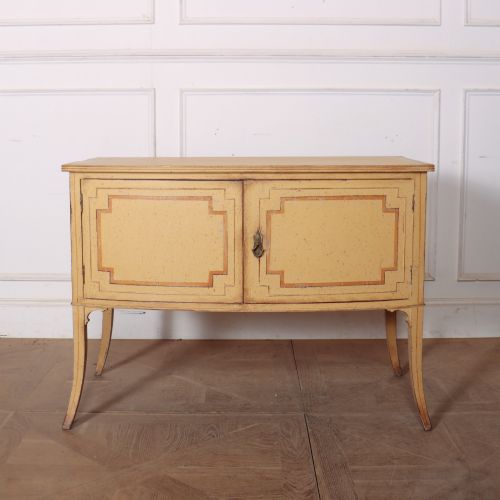
Surfaces often show the marks of age through hand-planed boards, brass pulls, and occasional layers of historic paint or bleached finishes. Potboard designs feature open lower shelves for storing heavy crockery, while enclosed cupboard variants protect linens and dry goods behind solid timber doors.
Some country pieces retain stubborn traces of historic green paint from rural kitchens.
Separating the ordinary from the exceptional
Quality in these pieces rests upon the integrity of the timber and the honesty of the surfaces. Retaining original hardware, untouched patination, and unaltered base structures elevates a piece above those that have undergone extensive timber replacement or unsympathetic modern stripping.
The balance of proportions and the quality of the regional joinery determine true distinction. Pieces featuring secondary woods that match the primary construction and retain their original potboards or plate racks demonstrate superior original craftsmanship.
The Georgian Country House Sideboard Glossary
- Dresser Base
- The lower section of a kitchen dresser, featuring drawers and cupboards without the upper plate rack. This form functions independently as a sideboard or serving table.
- Potboard
- An open slatted lower shelf built into the base of a dresser, historically used for drying and storing heavy pots and pans. It forms a defining feature of many country house pieces.
- Welsh Dresser
- A traditional regional cupboard featuring both lower storage and an upper plate rack for displaying ceramics. These pieces often incorporate breakfront drawer arrangements or local timber combinations.
- Vernacular Furniture
- Everyday household items made by local tradesmen rather than metropolitan workshops. These pieces reflect regional styles and available native materials rather than academic design books.
Georgian Country House Sideboard: Frequently Asked Questions
Where were these sideboards used?
These pieces originated in the kitchens, sculleries, and dining rooms of country houses, farmhouses, and estates. They served as central workstations for food preparation and storage.
Over time, many transitioned into reception rooms and hallways as serving tables or display units for family silver and ceramics.
How do I date a piece?
Dating relies on examining construction methods, timber selection, and hardware styles across the piece. Hand-cut dovetails, pegged joints, and native hardwoods like oak and elm point toward eighteenth and nineteenth-century origins.
Secondary woods and later alterations help distinguish Georgian originals from Victorian interpretations built in earlier styles.
Can I use one in a modern kitchen?
These solid timber sideboards integrate smoothly into contemporary kitchens and dining spaces as practical storage units. Their deep drawers and sturdy surfaces handle modern tableware and serving duties with ease.
Placing one in a modern setting adds historic warmth and genuine utility without altering the room's core layout.
Why do some have open shelves?
Open potboards and plate racks were designed for practical ventilation and immediate access to heavy earthenware and serving dishes. They allowed wet pottery to dry thoroughly after washing in busy country kitchens.
Today, these open sections offer a functional display space for pottery and decorative kitchenalia.