
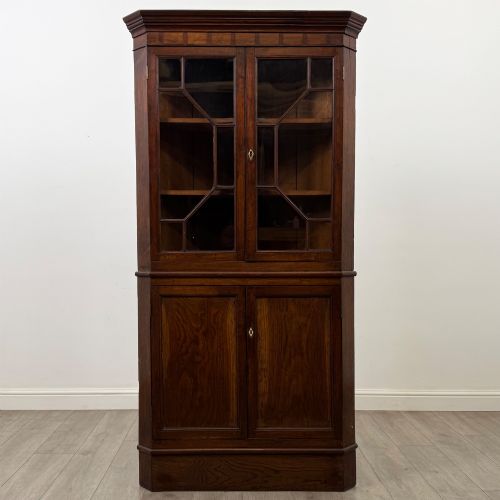
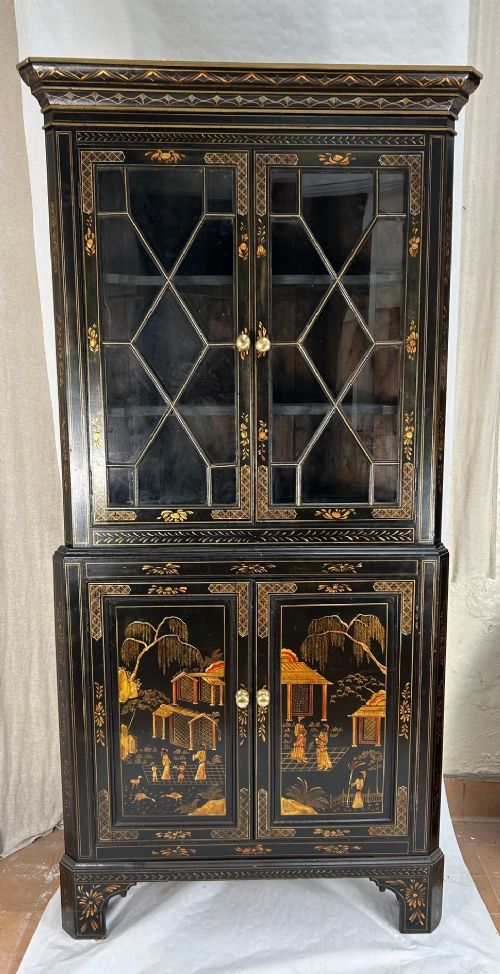
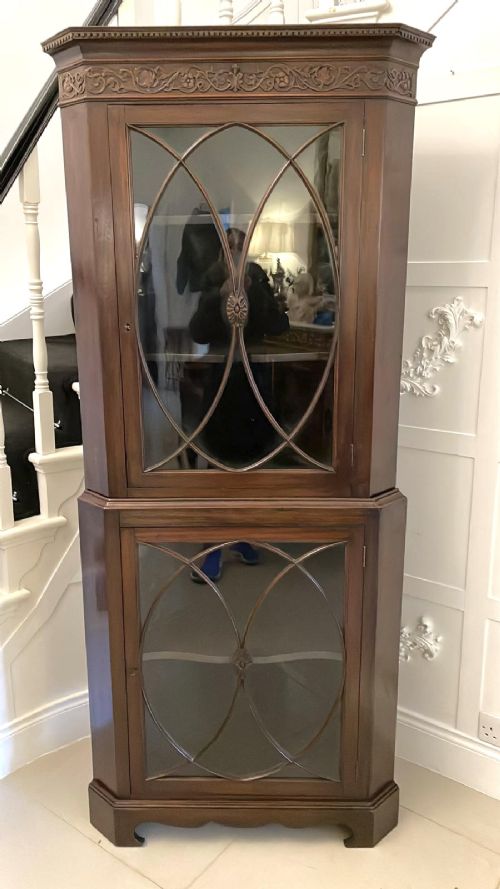
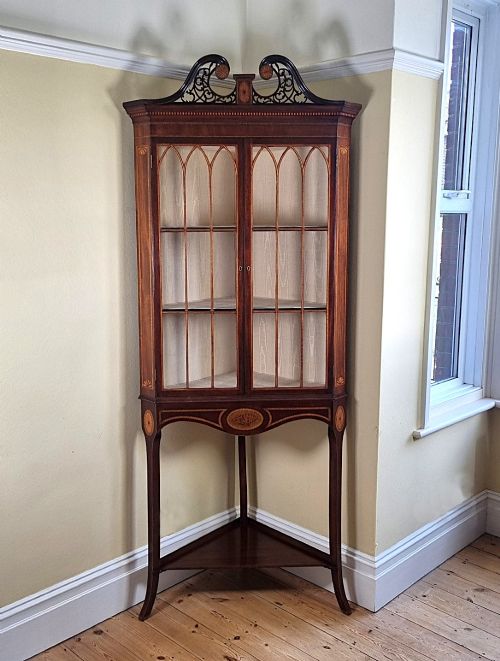
Georgian Corner Display Cupboard
A georgian corner display cupboard turns neglected room angles into functional focal points, offering shelved storage for ceramics and glassware while softening rigid architectural lines.
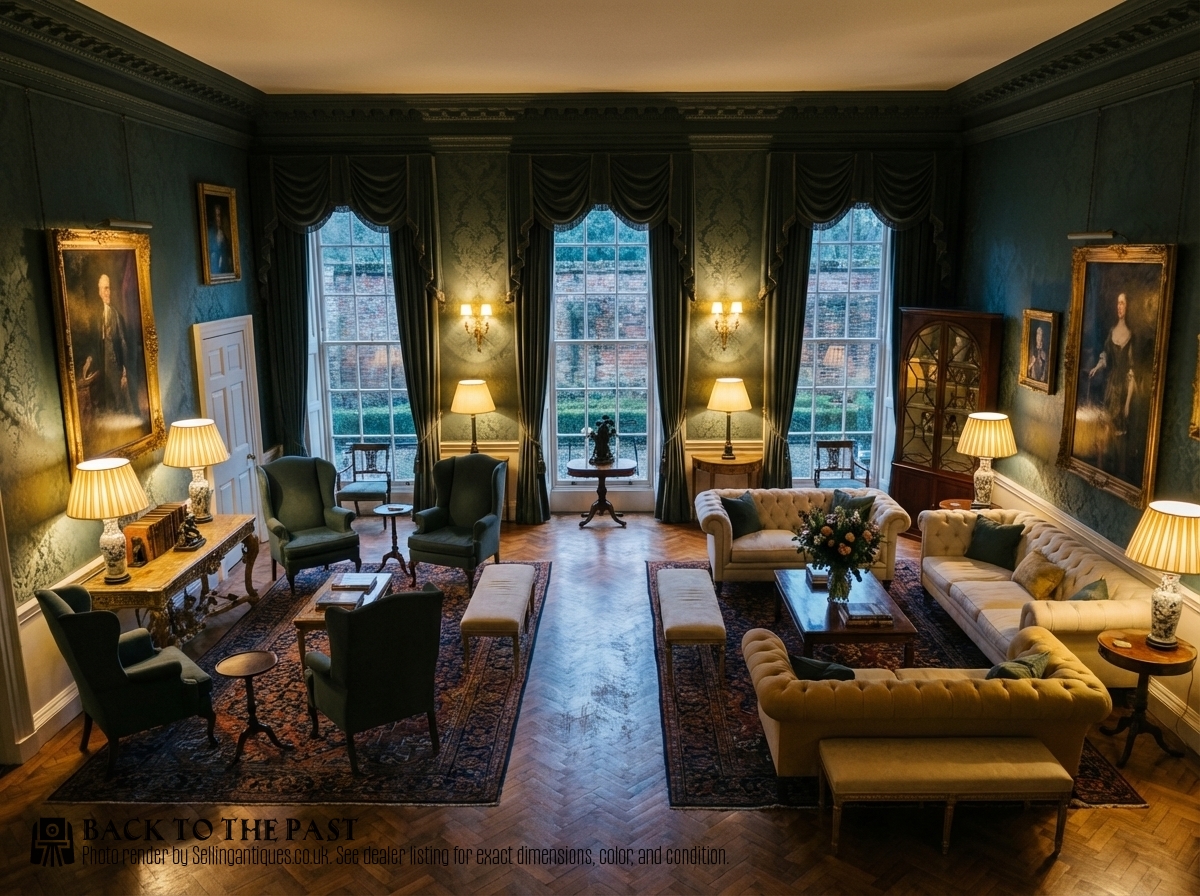
Georgian Corner Display Cupboard
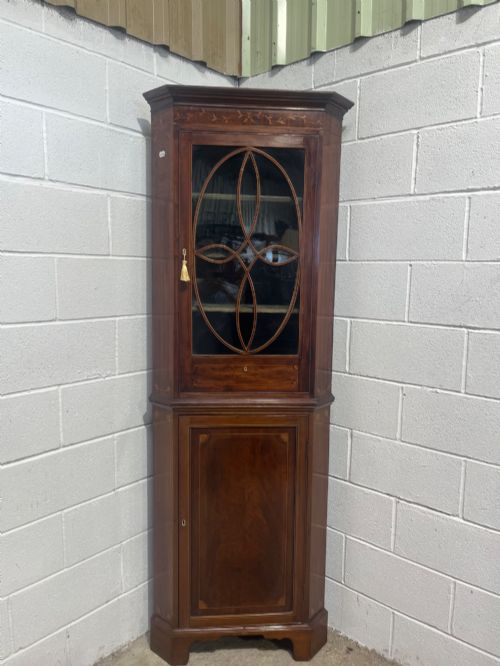
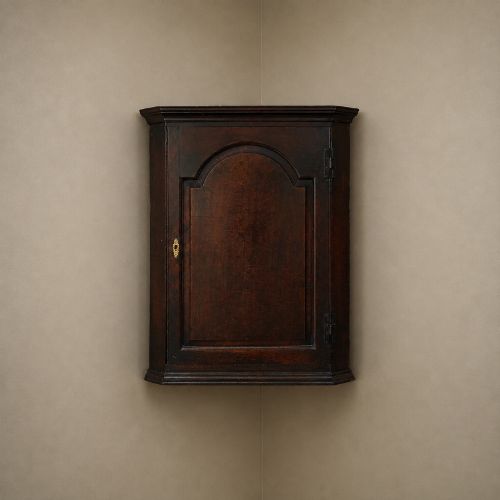
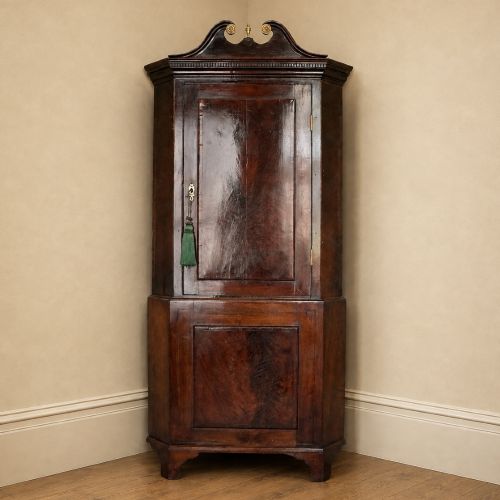
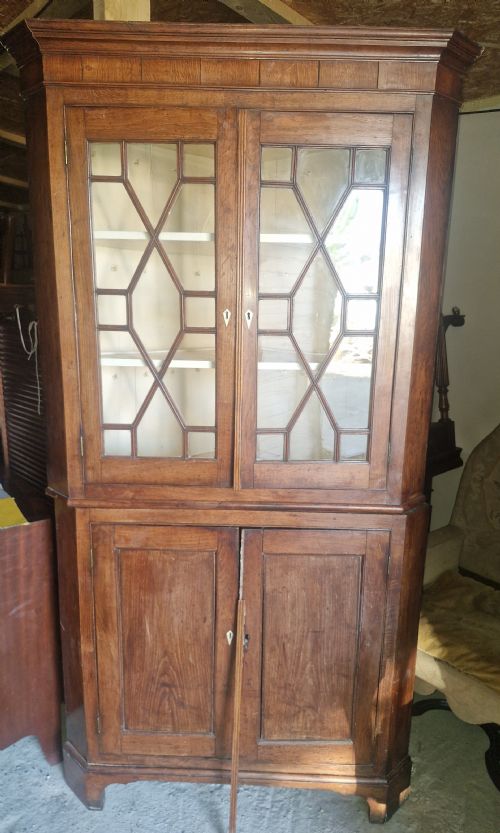
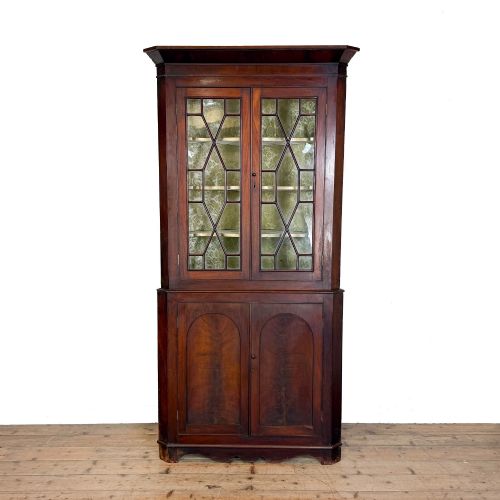
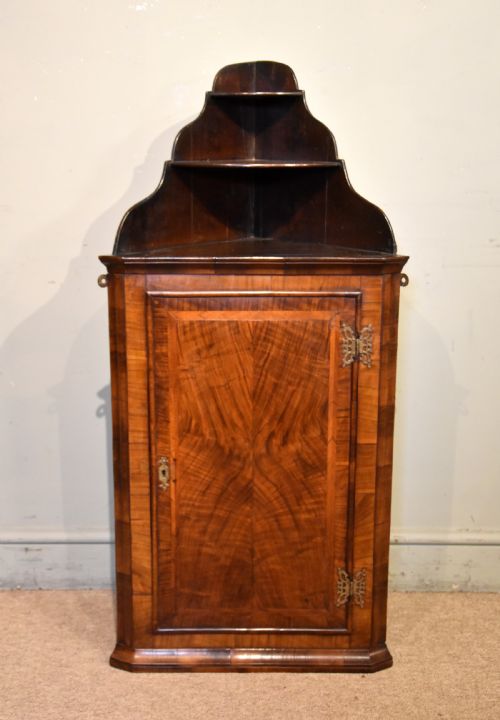
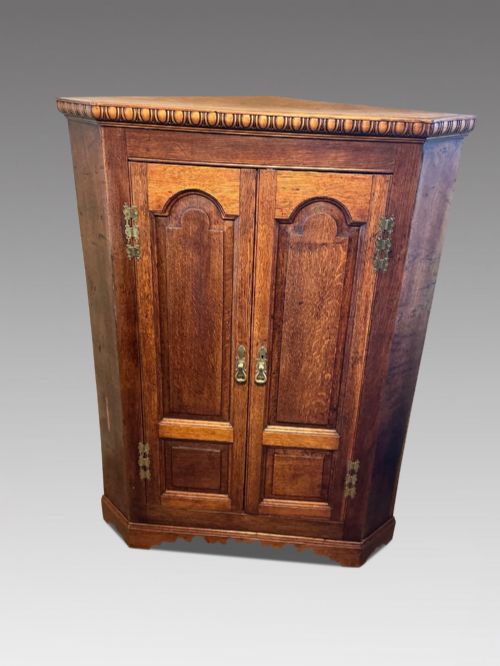
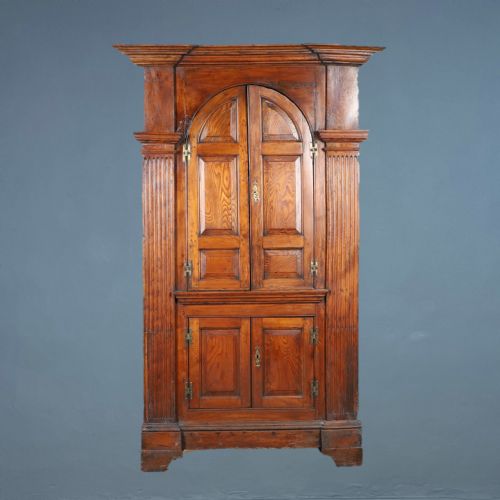
A georgian corner display cupboard is designed specifically to fit into the ninety-degree junction of two walls, making efficient use of otherwise wasted space. These pieces appear in both wall-hanging and floor-standing formats, with single-piece construction or larger two-part stacking carcases.
The materials span native timbers and imported cabinet woods like mahogany, oak, walnut, pine, elm, and yew wood. Glazed upper doors often feature timber glazing bars, while solid panelled doors conceal interior shelves used for domestic storage.
Most examples originate from the eighteenth and nineteenth centuries, though later revivals through the Edwardian period and into the twentieth century replicate these traditional forms. The internal arrangement frequently includes curved wooden shelves or painted interiors intended to display china.
How They Were Made
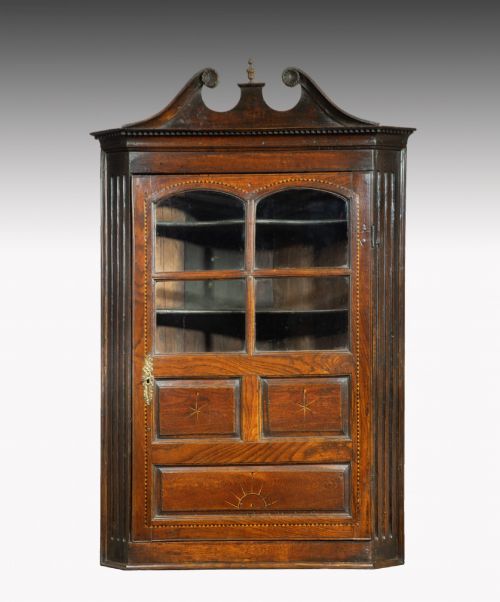
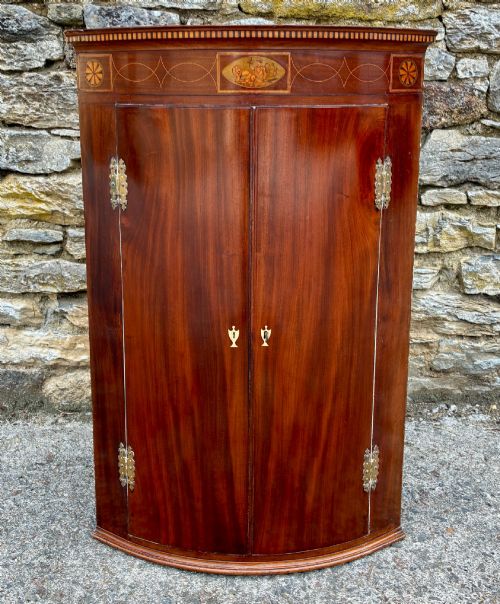
Cabinet makers constructed these carcases using solid timbers alongside veneered panels, employing traditional joinery such as dovetails for drawer boxes and mortise and tenon joints for frames. Crossbanding, inlay, and marquetry utilise contrasting woods like satinwood, boxwood, and mahogany to decorate the exterior surfaces.
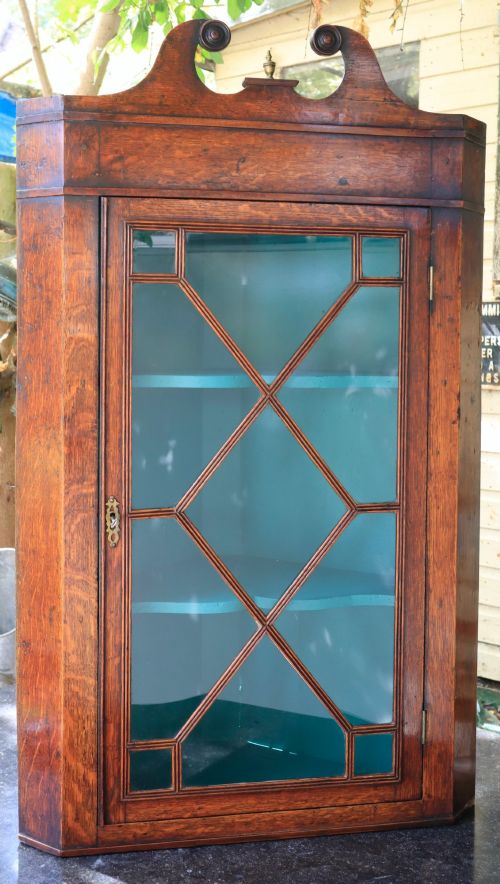
Glass panels are held within wooden astragal bars, forming geometric patterns across the door front. Interior surfaces often retain original painted finishes or wash treatments, while hardware typically includes brass hinges, escutcheons, and working locks with keys.
Several cupboards retain secret painted interiors behind their glazed doors, offering a cheerful splash of unexpected colour.
What Varies in Quality
The refinement of the timber selection dictates much of the visual weight, with figured Cuban mahogany or dense burr walnut marking out superior examples against standard pine or plain oak. Timber preparation shows in the matching of grain patterns across door panels and the restraint shown in crossbanded borders.
Architectural details set finer pieces apart, such as carved mouldings, broken arch pediments, and precisely mitred astragal glazing bars rather than plain wooden frames. The internal joinery, drawer linings, and survival of original brass hardware and painted interiors further distinguish standard utility pieces from higher grade cabinet work.
The Georgian Corner Display Cupboard Glossary
- Astragal
- A small convex moulding, often used in cabinetry to describe the wooden bars dividing panes of glass in a glazed door.
- Bow front
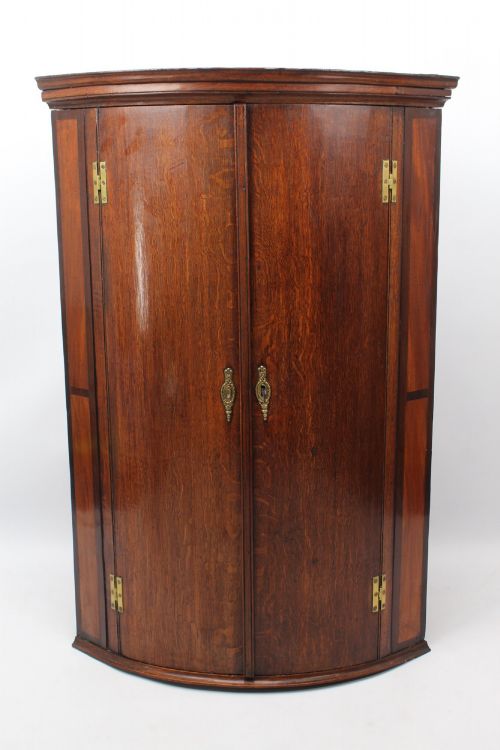
- A convex, outwardly curved front facade common on select storage furniture to soften harsh room angles.
- Crossbanding
- A border strip of veneer laid around the edges of a panel so the grain runs at right angles to the central wood.
- Pediment
- The decorative architectural structure crowning the top of a cabinet carcase, occasionally featuring broken arch designs.
- Escutcheon
- A protective brass plate surrounding a keyhole, designed to prevent wear on the surrounding timber.
Georgian Corner Display Cupboard: Frequently Asked Questions
Where should I place a corner cupboard?
These cabinets suit dining rooms, living spaces, or hallways where unused wall junctions require functional furniture. Floor-standing versions anchor empty corners, while wall-hanging pieces free up floor space below.
Ensure the adjacent walls form a true right angle to allow the back panels to sit flush. Hanging units require secure fixings into structural wall studs due to the weight of solid timber and glass.
How do I distinguish eighteenth century pieces?
Early pieces often utilise native timbers like oak or elm alongside imported mahogany, featuring hand-cut dovetails and pegged frame construction. Secondary woods inside drawers typically include pine or oak.
Later Victorian and Edwardian revivals may display machine-cut joinery, standardised screw types, or lighter interior construction. Examining the backboards and drawer construction reveals the age of the carcase.
Can these cabinets hold heavy items?
Internal fixed shelves easily support glassware, ceramics, and books when the cabinet structure remains sound. The triangular footprint distributes weight effectively back towards the corner walls.
Overloading older wall-hanging cabinets can strain the original fixing points, so wall mounting brackets should be checked before loading heavy porcelain.
What maintenance do these woods require?
Polished mahogany and walnut surfaces benefit from occasional applications of traditional beeswax to nourish the timber and maintain a soft sheen. Avoid placing cabinets in direct sunlight or beside heat sources to prevent timber splitting.
Internal painted surfaces require gentle dusting rather than liquid cleaners to preserve any original historical pigments.