

Georgian Copperplate Print
A georgian copperplate print brings historical portraiture, natural history and cartography into contemporary interiors through skilled hand-inked engraving.
Georgian Copperplate Print
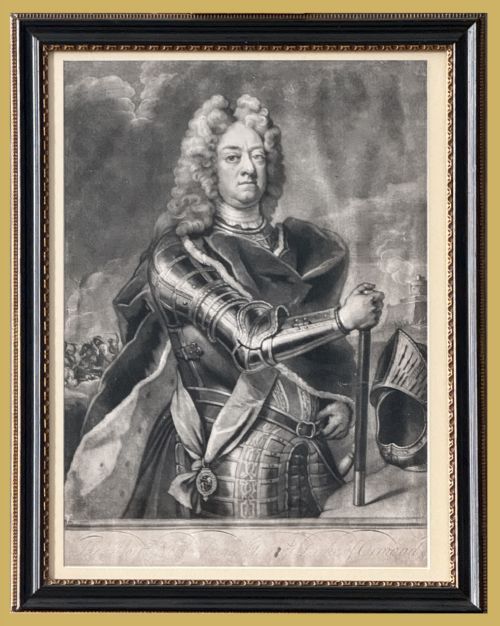
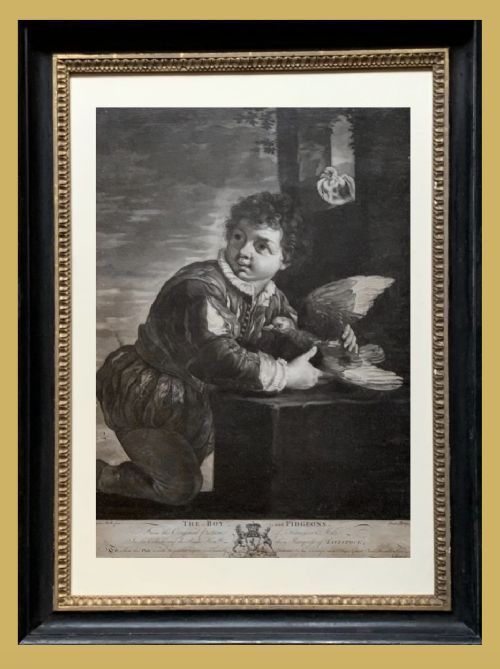
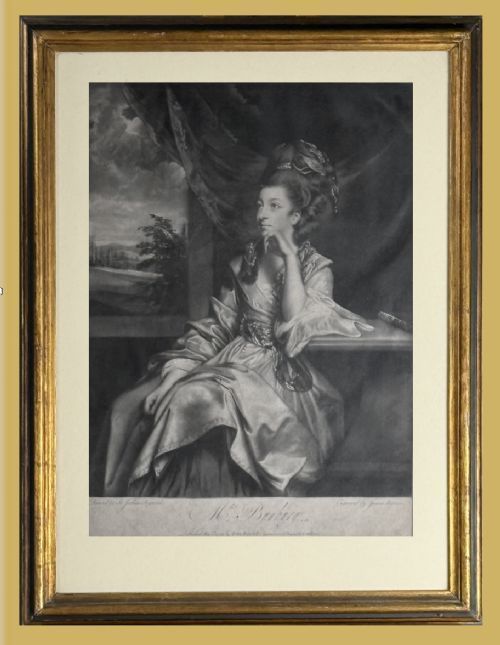
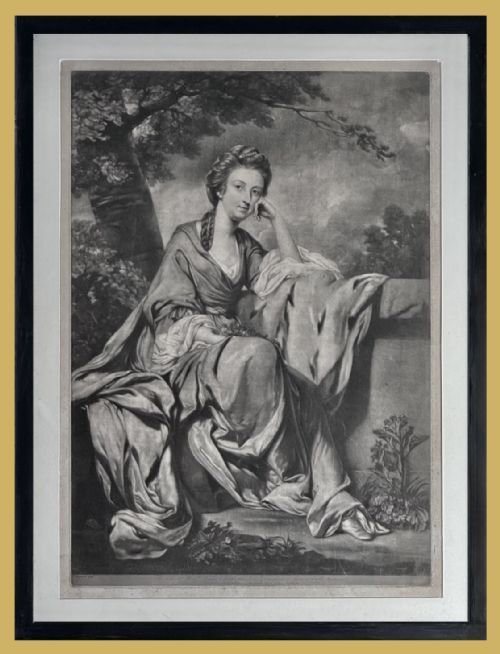
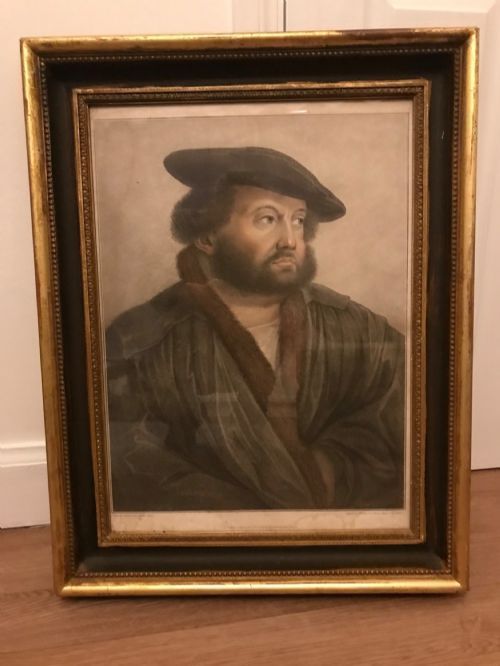
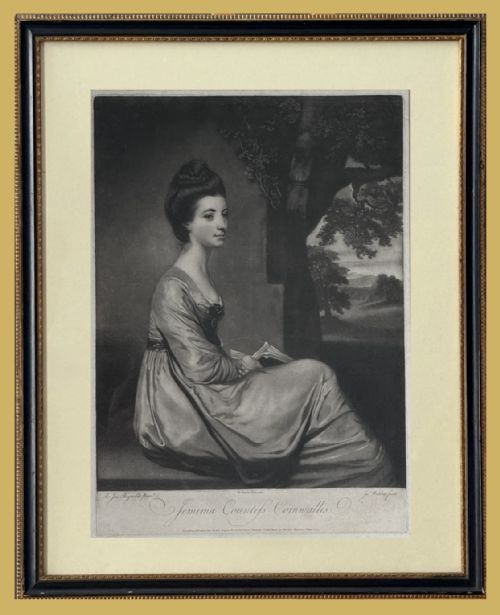
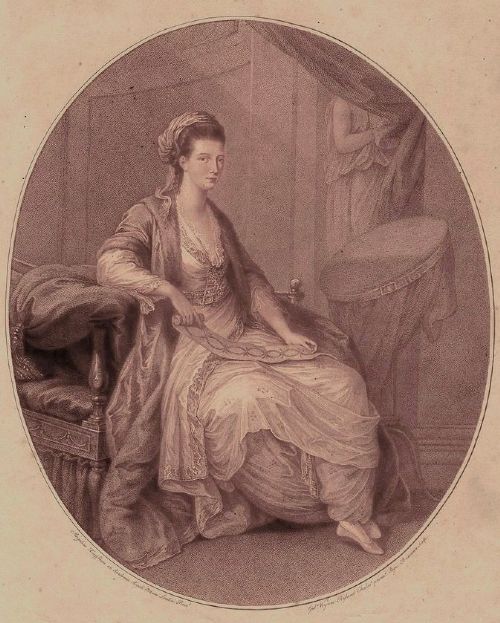
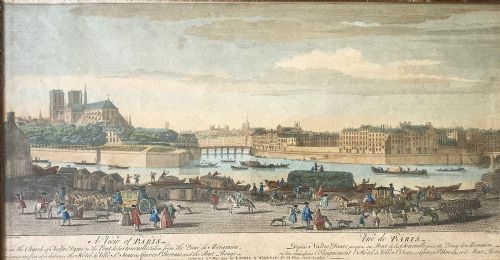
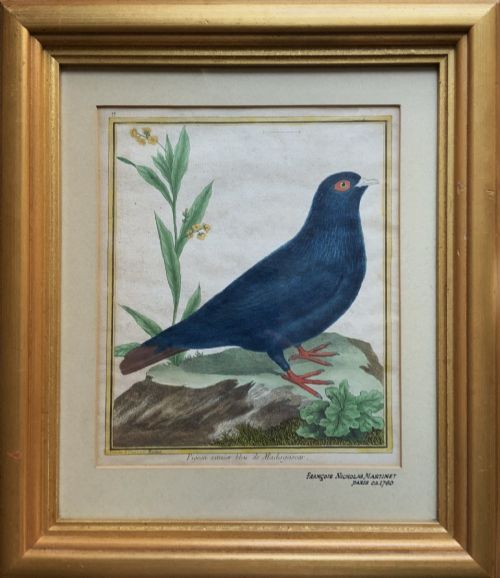
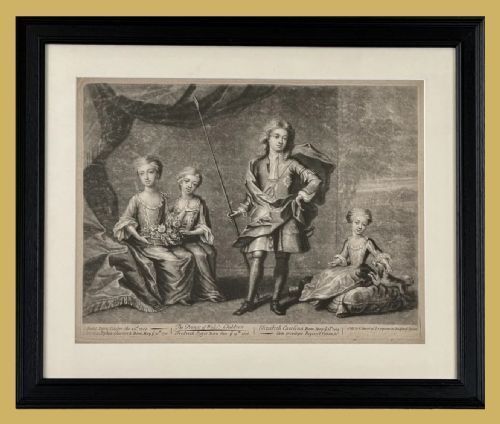
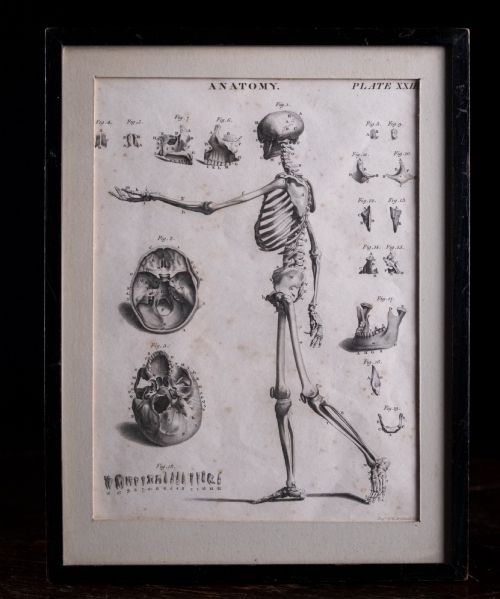
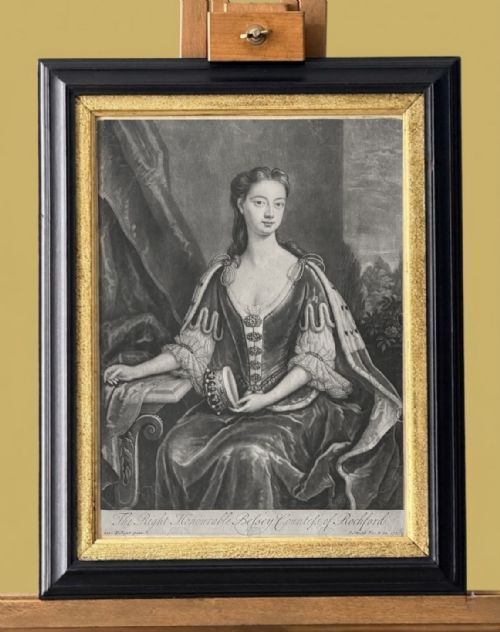
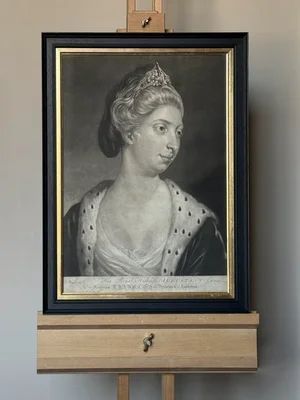
A georgian copperplate print encompasses framed works on paper originating predominantly from the eighteenth century, including line engravings, mezzotints, stipple engravings and aquatints. These pieces frequently depict notable historical figures, nobility, classical mythologies, anatomical studies, cartography and natural history subjects such as birds and horses.
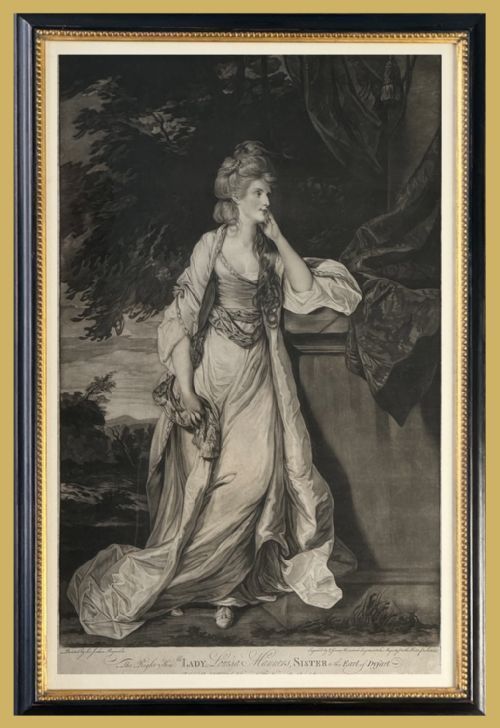
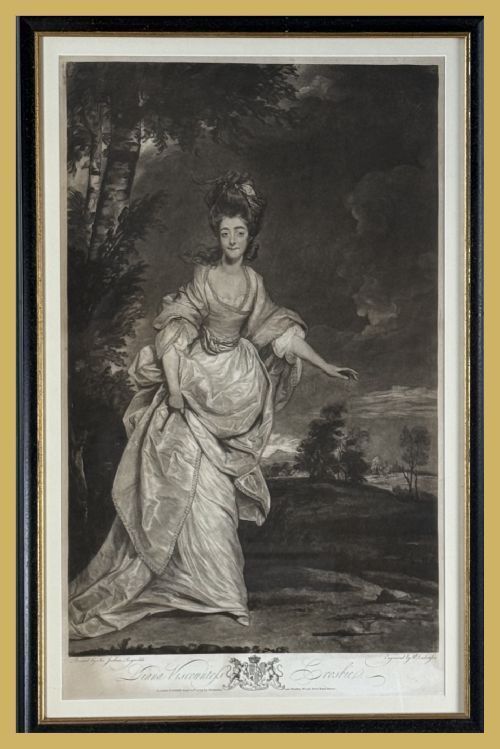
The version most commonly encountered on this page is the framed portrait mezzotint or engraved plate, often produced by notable printmakers after works by master painters like Sir Joshua Reynolds and Sir Godfrey Kneller. Alongside portraiture, buyers regularly find sets of topographical maps, architectural views and sporting art from the Georgian era.
These works typically arrive housed in period-appropriate frames constructed from woods such as maple and gilt wood, occasionally incorporating glass protection. The imagery serves both decorative and archival functions, reflecting the visual culture, scientific inquiry and artistic tastes of Britain and continental Europe during the seventeen-hundreds.
Materials and production techniques
The foundation of a georgian copperplate print is a smooth sheet of copper into which an artist incises lines manually with a burin or creates tonal gradations using a rocker in mezzotint techniques. Artisans then apply ink to the metal plate, wiping the surface clean so that ink remains only within the recessed grooves or pitted areas before pressing the design onto damp paper.
Many surviving examples incorporate original hand colouring applied with watercolour over the monochrome ink foundation, enhancing details on subjects ranging from botanical and ornithological plates to equestrian scenes and maps. Finished plates are routinely mounted behind glass within timber frames, using materials like gold leaf and gilt wood to accentuate the visual presentation.
Georgian Copperplate Print Retail Price Guide 2026
Typical asking prices for georgian copperplate print among the pieces listed under this phrase on Sellingantiques today, from the lower quarter to the upper quarter. They describe what is for sale here now, not the wider market.
Georgian domestic walls often displayed elaborate pigeon engravings and anatomical skeletons side by side, proving that eighteenth-century interior design possessed a wonderfully eccentric curiosity.
Factors determining quality
The quality of a georgian copperplate print depends significantly on the impression strength and the skill of the engraver translating an original painting or drawing onto the metal plate. Early impressions pulled directly from freshly worked copper display crisp lines and deep, velvety dark areas in mezzotints, whereas later strikes show softer definition and worn plate edges.
The involvement of renowned printmakers and publishers elevates the standing of an individual piece, as does the survival of contemporary hand colouring applied with precision. Additionally, the preservation state of the paper substrate, the clarity of the printed image and the authenticity of the associated period frame contribute to the overall desirability of the work.
John Simon·John Boydell·James Watson·Edward Fisher·Francesco Bartolozzi·John Smith·Valentine Green·W Dickinson·Andrew Bell·John Faber Jr·James MacArdell·Jacobus Houbraken·James Ward·Luke Sullivan·Robert Sayer·George Edwards
The Georgian Copperplate Print Glossary
- Mezzotint
- A printmaking process where the copper plate is roughened uniformly with a rocker to hold ink and produce rich dark tones, with lighter areas scraped smooth. This technique creates subtle tonal gradations ideal for portraiture.
- Engraving
- A method of cutting design lines directly into a copper plate using a hardened steel tool called a burin. The resulting prints exhibit sharp, precise lines and lasting durability.
- Stipple engraving
- A technique utilising dots of varying density and size rather than continuous lines to form an image. It produces soft, painterly effects frequently used for flesh tones in portrait prints.
- Aquatint
- An intaglio printmaking method that uses powdered resin to achieve tonal areas resembling watercolours or washes. It is commonly found in topographical views and sporting prints.
- Gilt wood
- Timber treated with a thin layer of gold leaf or metallic powder applied to a prepared surface. Frames constructed from this material are typical for high-status domestic displays of Georgian art.
Georgian Copperplate Print: Frequently Asked Questions
What subjects do these prints show?
These works display a diverse range of subjects created during the Georgian period, including formal portraiture of nobility, military commanders and literary figures. Other common themes feature anatomical diagrams, cartographic maps of Ireland and Scotland, classical narratives and natural history illustrations.
Many plates record contemporary events, scientific expeditions or theatrical scenes, reflecting the intellectual pursuits and social hierarchies of the eighteenth century. Portrait subjects frequently trace back to original paintings by prominent portraitists of the era.
How were these prints originally displayed?
During the Georgian period, engravings and mezzotints were often kept bound in portfolios or collected in large folios for private study and viewing among acquaintances. Wealthy patrons also framed select plates for hanging on panelled walls in libraries, drawing rooms and private chambers.
Over time, many loose sheets found their way into timber frames, preserving the paper from excessive handling while allowing the imagery to serve as permanent wall decoration in domestic interiors.
How do I care for a framed print?
Preservation requires positioning the framed artwork away from direct sunlight and damp environments to prevent fading of the ink, watercolour washes and paper degradation. Maintaining stable room temperatures protects both the antique paper substrate and the historical wooden frame from warping.
When cleaning is necessary, dust the exterior glass gently with a dry microfiber cloth without applying liquid directly onto the frame or allowing moisture to seep behind the glazing.
How can I identify a genuine period piece?
Authentic Georgian examples exhibit characteristics consistent with eighteenth-century printing techniques, such as plate marks indenting the handmade rag paper and the subtle texture of early ink applications. Examination of the paper reveals chain lines and watermarks typical of handmade paper production before industrial papermaking began.
Additionally, framing materials, backing boards and old annotations or labels often provide physical evidence supporting the historical period of the item.