


Georgian Condiment Shaker
A georgian condiment shaker sits upon the dining table to deliver salt, pepper or sugar with precision.
Georgian Condiment Shaker
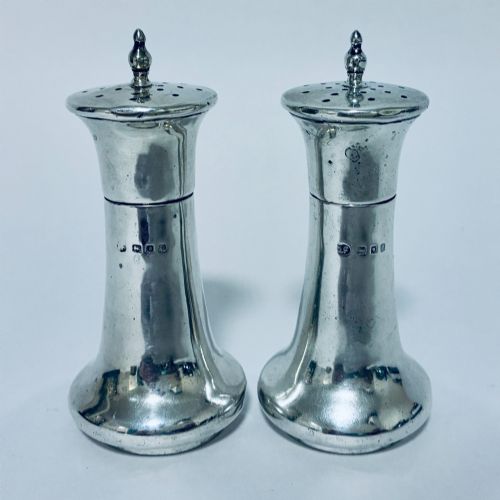
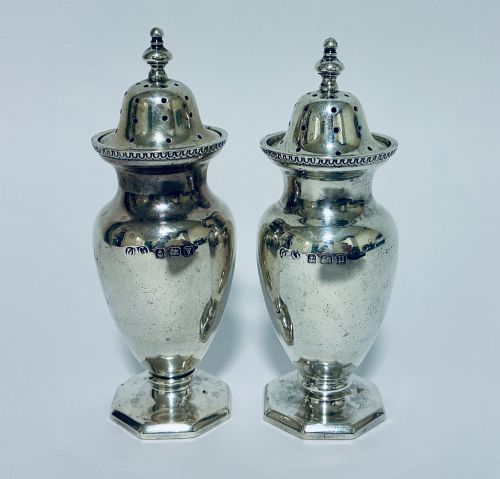
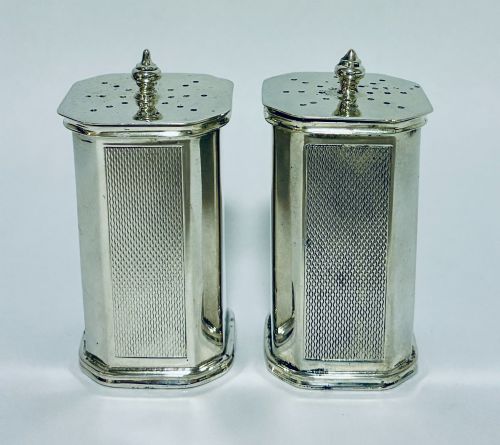
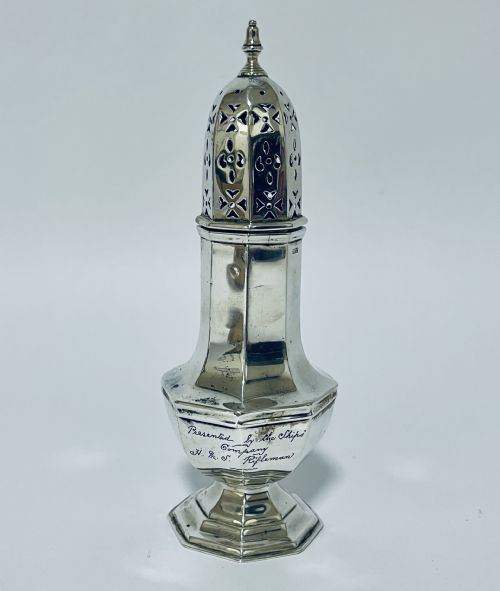
A georgian condiment shaker encompasses small silver pepper pots, sugar casters and brass spice dredgers designed for table service. These pieces emerge in styles ranging from authentic 18th Century and Georgian periods to later Georgian Revival and Edwardian interpretations.
The forms span individual pepper pots, pairs of salt and pepper casters, and multi-bottle cruet sets holding various seasonings. Buyers most frequently encounter sterling silver and silver plate examples alongside occasional brass spice shakers.
Objects on this page also include Art Deco solid silver sugar shakers and Victorian casters reflecting earlier Georgian aesthetics. Each item functions as practical tableware or kitchen metalware adapted for dry condiments.
How They Were Made
Makers fashioned these condiment pieces predominantly from sterling silver, silver plate and brass, sometimes pairing metal with cut glass bottles in larger cruet sets. Artisans shaped the metal bodies through forming and turning, often incorporating polygon sides or round tops.
Pierced or perforated lids allow the contents to scatter evenly over food, secured by threaded collars or slip-on fittings. Interior components occasionally involve velvet or satin linings within fitted presentation cases for multi-piece condiment sets.
Materials across the selection include sterling silver, silver plate, brass, cut glass, velvet and satin.
What Varies in Quality
Subtlety of form and crispness in the pierced lid decoration separate ordinary condiment containers from exceptional items. Weight and gauge of the silver contribute significantly to the tactile presence of the caster.
Completeness alters the character of these pieces, particularly in cruet sets where matching original bottles and casters elevate the ensemble. Makers marks and hallmarks stamped into the metal provide clear evidence of origin and standard.
Roberts & Belk·Viners
The Georgian Condiment Shaker Glossary
- Caster
- A small container with a perforated top used for sprinkling sugar, pepper or other dry condiments over food. These vessels typically feature a detachable lid for refilling.
- Cruet set
- A fitted frame holding multiple bottles or shakers for oil, vinegar, mustard, salt and pepper at the dining table. Such sets coordinate table service into a single portable unit.
- Dredger
- A cylindrical container with a handle and a pierced lid used in the kitchen or at the table for dusting spices or flour. Brass versions appear frequently in earlier centuries.
- Hallmark
- Official stamps applied to precious metals indicating the standard of purity, the assay office, and the date letter. These marks authenticate the silver content.
- Sterling silver
- An alloy consisting of pure silver and other metals, usually copper, to increase durability while maintaining a bright lustre. British items standardly bear the lion passant mark.
Georgian Condiment Shaker: Frequently Asked Questions
What is the difference between a pepper pot and a sugar caster?
Pepper pots are smaller vessels designed for savoury seasoning during or after cooking. Sugar casters stand taller and feature finer perforations intended for sprinkling sweet toppings over desserts.
Both items utilise pierced lids to distribute contents evenly across the plate. Their silhouettes vary according to the dining fashions of their respective periods.
How do I identify a Georgian condiment shaker?
Authentic Georgian examples display the proportions, weight and hand-finished details characteristic of late 18th and early 19th Century silversmithing. Hallmarks stamped on the metal provide specific dates and assay office locations.
Later Victorian and 20th Century pieces often reproduce these earlier aesthetic forms under Georgian style or Georgian Revival descriptions.
Were these shakers used individually or in sets?
Condiment shakers served both as standalone single items and as matched pairs for salt and pepper. Larger dining arrangements incorporated them into multi-bottle cruet frames alongside oil and vinegar cruets.
Cased sets from the 20th Century group several solid silver pieces together in fitted presentation boxes lined with satin or velvet.
How should antique silver shakers be cleaned?
Silver surfaces require gentle cleaning with a soft cloth and proprietary silver polish formulated to remove tarnish without abrading the metal. Avoid harsh chemical dips that strip away desirable patination.
Pierced lids demand careful attention to prevent polish residue from lodging within the small decorative perforations.