

Georgian Commode Cabinet
A georgian commode cabinet brings refined storage and bedside utility to a room, ranging from mahogany chests to compact nightstands.
Georgian Commode Cabinet
Buyers searching for a georgian commode cabinet encounter a diverse selection spanning chests of drawers, bedside cabinets, and washstands. These pieces originate predominantly from the eighteenth and nineteenth centuries, with later revival interpretations also appearing.
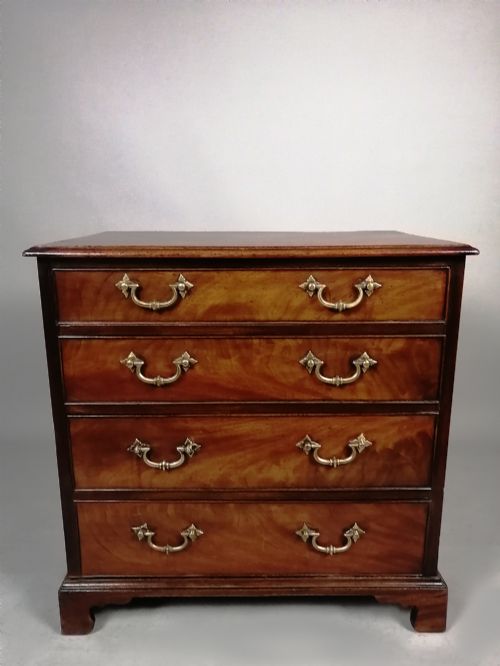
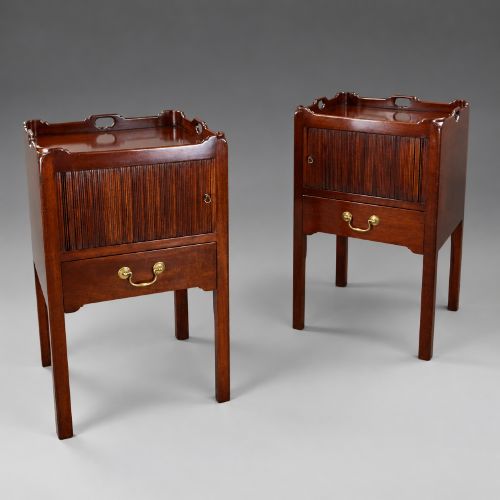
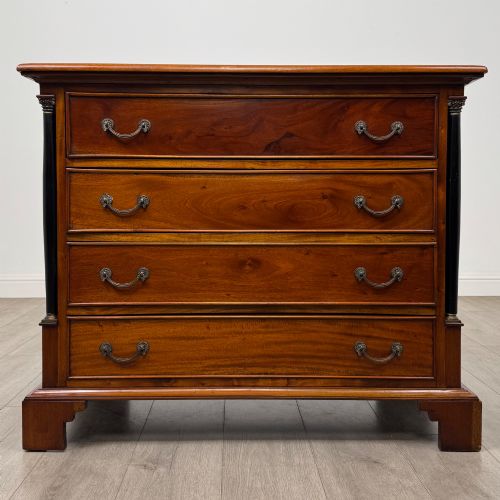
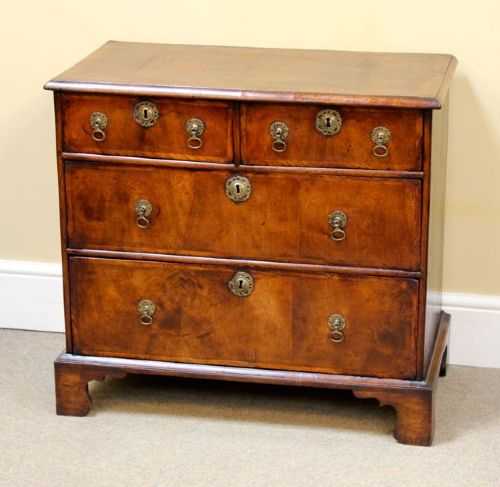
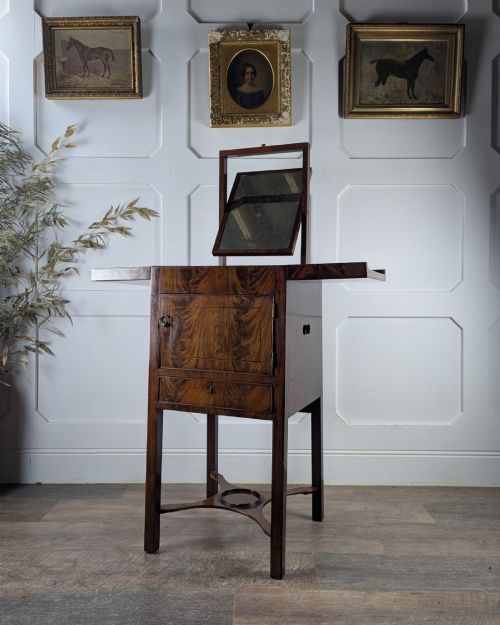
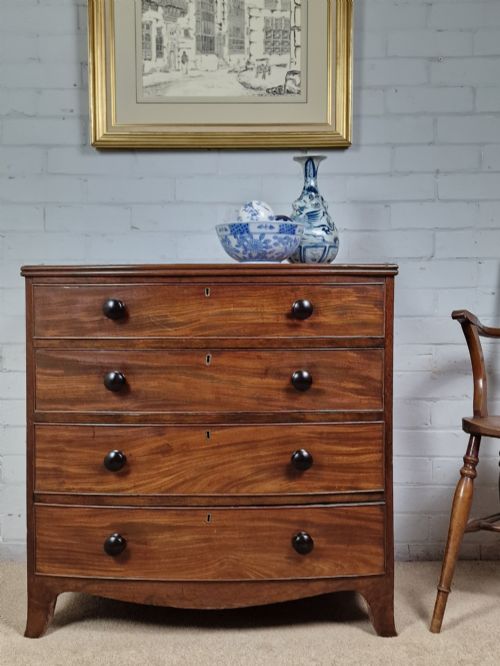
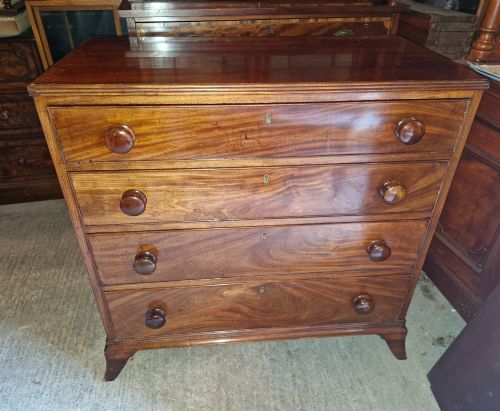
The most common forms on this page include mahogany bedside cupboards, tray top commodes, and chest of drawers variations. Makers and makers from periods such as the George III era provided practical storage solutions disguised as elegant furniture.
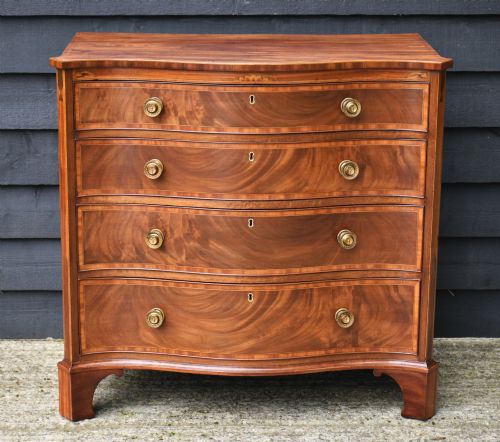
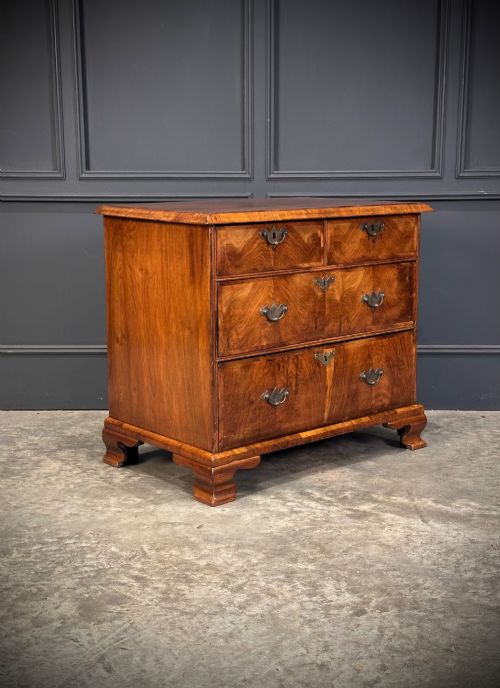
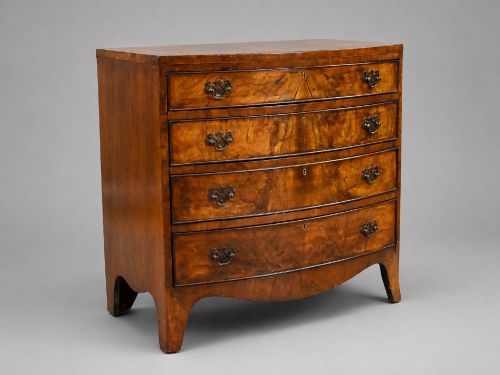
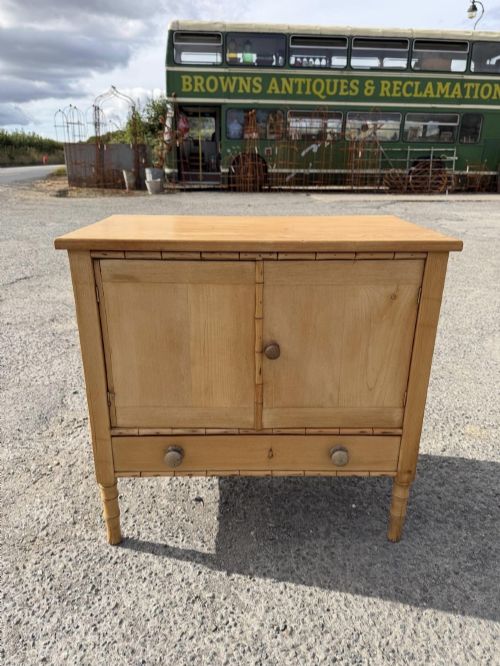
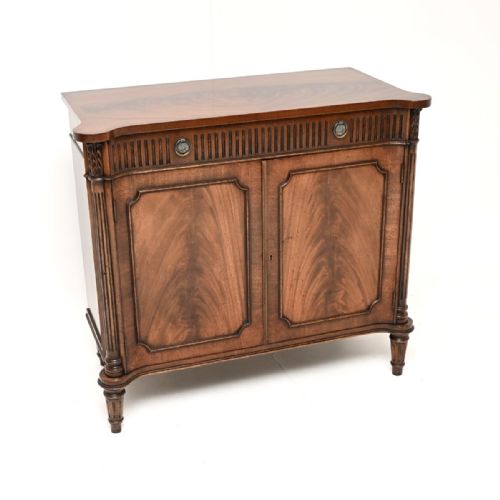
Examples range from simple oak and elm close stools to serpentine fronted cabinets and inlaid walnut chests. Each format reflects the domestic requirements of its period, balancing hidden utility with formal appearance.
Materials and construction methods
Makers relied heavily on dense timbers like mahogany, Cuban mahogany, and walnut, often enhanced with figured veneers or subtle boxwood inlay. Oak, pine, and elm served for secondary woods and structural carcases.
Hardware typically involved cast brass handles and key escutcheons, whilst specialised pieces incorporated folding tops, tambour doors, or bone details. Joinery techniques ensured durability across bedside tables, washstands, and chests.
Periods represented span the eighteenth century, George III, Regency, Edwardian, and the 1930s.
Factors separating pieces in quality
Quality rests upon the selection of timber, particularly the grain figure visible in Cuban mahogany and walnut surfaces. Superior items display meticulous attention to proportion, subtle inlay work, and original brass hardware.
Construction integrity, such as the dovetailing of drawers and the crispness of mouldings, distinguishes the finest examples. Pieces that retain their original fitted interiors or functional folding mechanisms command greater appreciation.
Chippendale
The Georgian Commode Cabinet Glossary
- Commode
- A low cabinet or chest of drawers designed for bedroom or dressing room use. In this context, it often denotes a bedside cupboard or a close stool.
- Serpentine
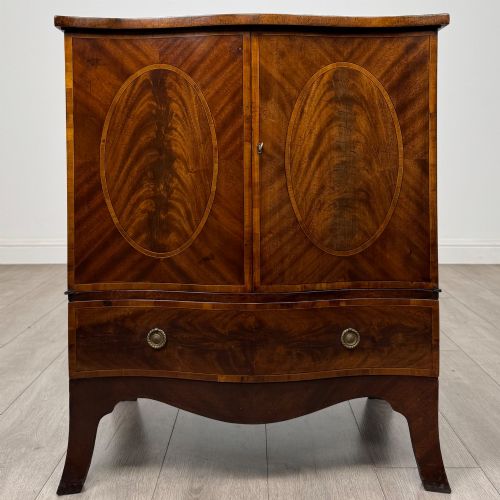
- A furniture front characterised by a wavy contour, curving outward at the centre and inward at the sides. This shape demands high skill from the cabinetmaker.
- Bow Front
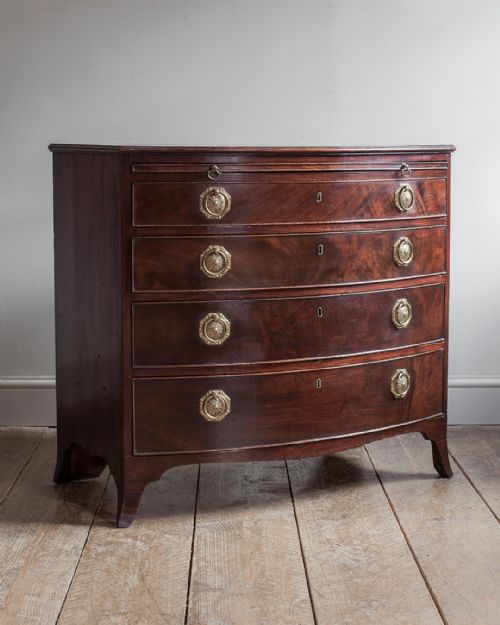
- A convex curved front on a chest of drawers or cabinet. It became particularly popular during the Georgian and Regency periods.
- Close Stool
- A piece of furniture enclosing a commode pot or chamber pot, frequently disguised as a small bedside chest. Examples in the evidence appear in oak and elm.
- Tray Top
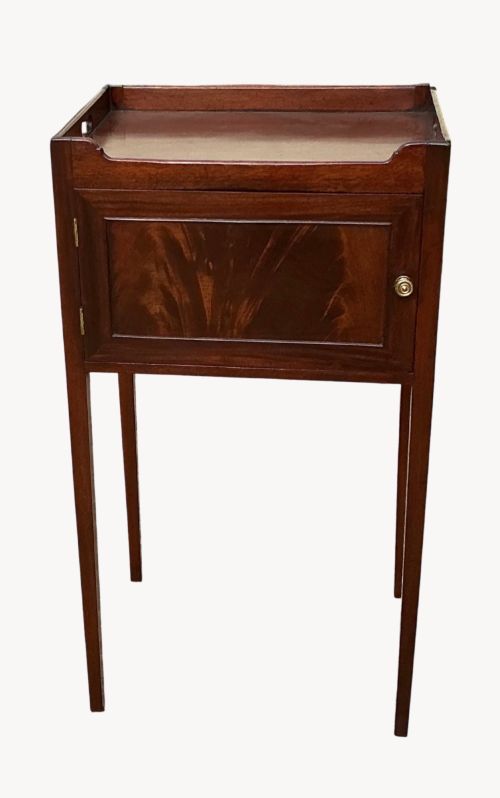
- A raised gallery rim around the top surface of a bedside cabinet or table. It prevents items from rolling off the edges.
Georgian Commode Cabinet: Frequently Asked Questions
What is a georgian commode cabinet used for?
These cabinets served primarily as bedside storage, washstands, or concealed commodes in period bedrooms. Their enclosed spaces kept chamber utensils or personal items out of sight.
Over time, many adapted to function simply as small side tables or lamp stands in modern living spaces.
How do I identify a George III piece?
George III pieces often feature rich mahogany timbers, precise brass handles, and restrained classical proportions. Cabinetmakers of this reign focused on balanced lines and fine wood grain.
Details like bracket feet, boxwood stringing, or serpentine fronts help anchor a piece firmly within the late eighteenth century.
What is the difference between a commode and a chest of drawers?
A chest of drawers is built specifically for general clothing storage with stacked horizontal drawers. A commode often refers to a smaller cabinet, sometimes enclosing a cupboard space or serving a dual purpose.
Many listings blur these lines by describing bedside cupboards or washstands under the wider commode heading.
Are bedside cabinets from the nineteenth century common?
Bedside cabinets and nightstands appear frequently alongside eighteenth-century originals. Regency and later nineteenth-century pieces often adopt simpler lines or incorporate alternative materials like faux bamboo.
Revival pieces from the early twentieth century also replicate these earlier utilitarian forms.