




Georgian Cobalt Blue Pottery
Georgian cobalt blue pottery brings together rich transfer prints, tin-glazed earthenware and deep blue pigments that define domestic display.
Georgian Cobalt Blue Pottery
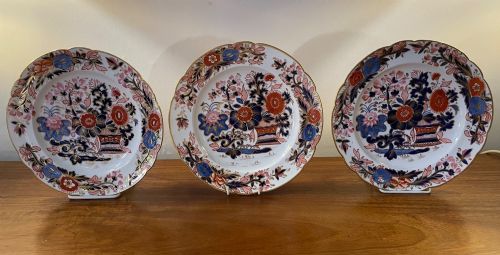
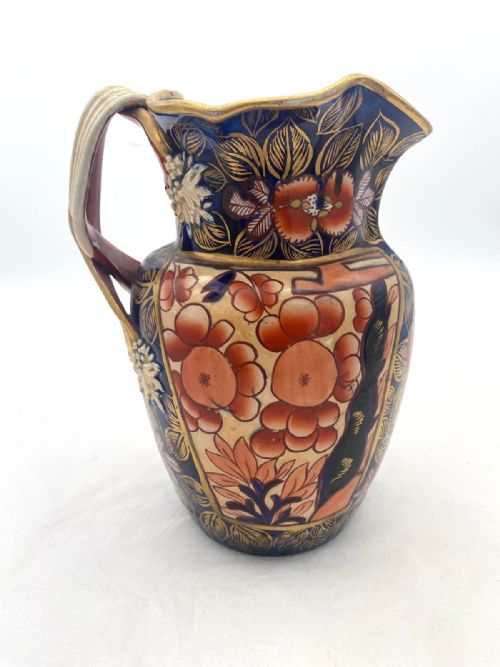
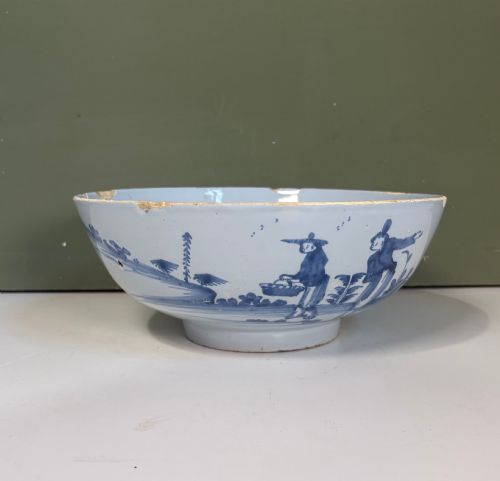
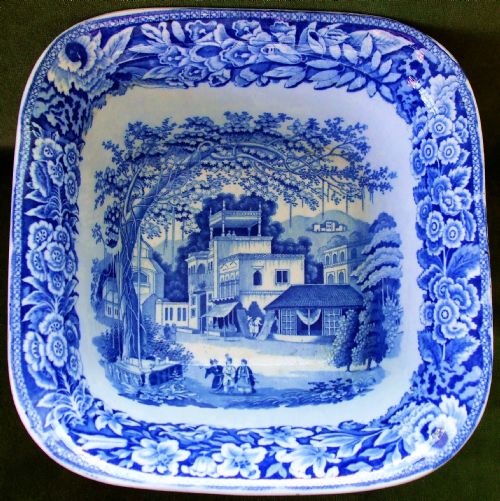
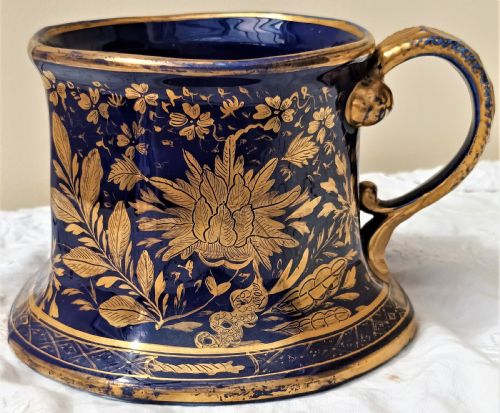
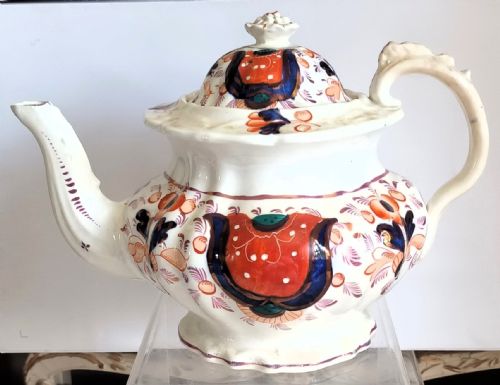
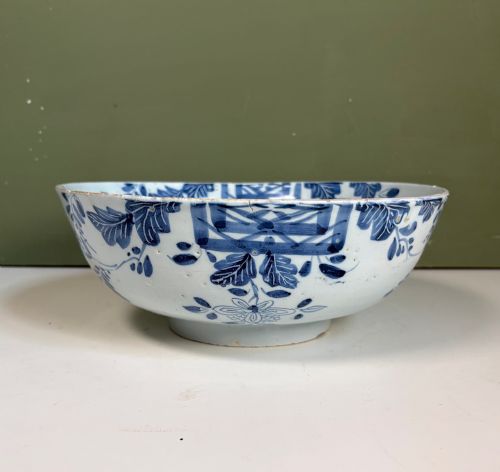
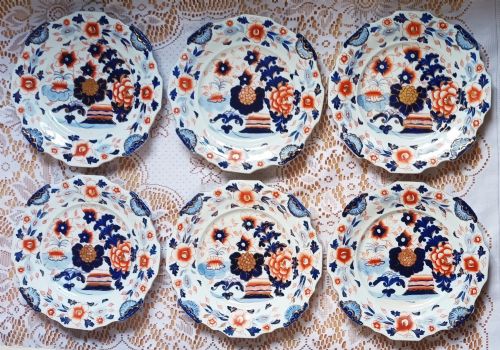
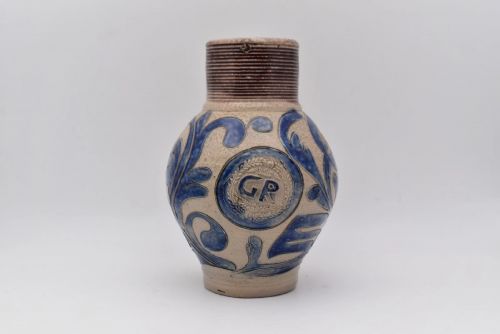
Georgian cobalt blue pottery spans functional tableware and decorative vessels produced across the eighteenth and nineteenth centuries. Buyers searching for georgian cobalt blue pottery encounter plates, chargers, platters, bowls and jugs adorned in striking blue decoration.
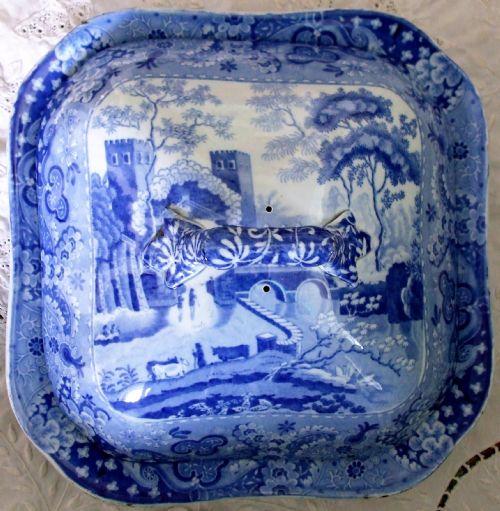
The selection here draws heavily on English delftware, ironstone and transfer-printed earthenware from Staffordshire and regional potteries. Domestic scenes, classical ruins and chinoiserie motifs dominate the patterns found on these surfaces.
How they were made
Potters utilised earthenware, stoneware and ironstone bodies, coating them with tin glaze or transparent lead glaze to receive the cobalt pigment. Transfer printing allowed complex pictorial scenes to be applied to plates and platters with remarkable precision.
Firing took place in traditional kilns where cobalt oxide reacted with the glaze to produce deep blue tones. Salt glazing and tin glazing provided the impervious surfaces necessary for everyday utility and display.
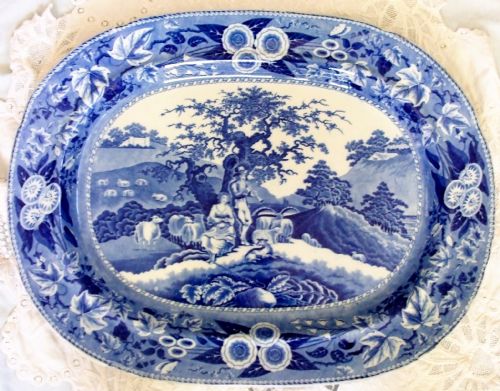
Pigs and shepherds occasionally share space with classical ruins on nineteenth century platters.
What varies in quality
Depth and clarity of the cobalt transfer print separate standard production from finer examples. Sharpness in the background details and evenness of the glaze application indicate superior workshop output.
The crispness of mould shaping on ironstone jugs and the careful centring of patterns on chargers reveal the skill of the potter. Finer bodies show minimal distortion from the kiln firing process.
J. & R. Riley·J. & R. Clews·Mason's·Wedgwood·Stubbs·Brameld & Co.·Don Pottery
The Georgian Cobalt Blue Pottery Glossary
- Transfer printing
- A method of applying engraved decorative patterns to pottery using a tissue paper transfer from a copper plate. This technique enabled intricate pictorial designs to be produced in quantity.
- Tin glaze
- An opaque white glaze containing tin oxide, used primarily on delftware to provide a smooth ground for painted cobalt decoration. It creates a soft, absorbent surface.
- Ironstone
- A heavy, durable type of earthenware patented in the nineteenth century to imitate porcelain. It resists chipping and bears bold transfer prints effectively.
- Delftware
- Earthenware coated with a tin glaze and painted with metallic oxides, notably cobalt blue. Production centres flourished in England and the Netherlands during the eighteenth century.
- Salt glaze
- A stoneware finish achieved by throwing common salt into the hot kiln during firing, producing a pitted, orange-peel texture. It creates a hard, vitreous coating.
Georgian Cobalt Blue Pottery: Frequently Asked Questions
What is cobalt blue pottery?
Cobalt blue pottery refers to ceramic vessels and plates decorated with cobalt oxide pigment, which turns a vibrant blue during firing. This group includes transfer-printed earthenware, ironstone and tin-glazed delftware.
These items were produced for domestic dining and display, featuring everything from pastoral landscapes to intricate oriental scenes.
How do I care for antique pottery?
Antique pottery requires gentle handling and should be washed by hand in lukewarm water using mild detergent. Avoid soaking pieces, particularly tin-glazed earthenware, as moisture can penetrate old bodies.
Keep display pieces away from direct sunlight and sudden temperature changes to protect the glaze and body from stress.
Are these pieces safe for food?
While many items were originally made for dining, historical glazes on older earthenware and delftware can be delicate. Modern use for serving food is generally discouraged to prevent staining or wear.
Displaying these objects on walls or in cabinets preserves their surfaces for the future.
How do I date these ceramics?
Dating relies on identifying the ceramic body, glaze type and transfer-printing style associated with specific periods. Backstamps, registry marks and known factory patterns help narrow down the decade of production.
Comparison with documented examples from potteries in Staffordshire, Yorkshire and London provides further chronological context.