

Georgian Classical Artwork
Georgian classical artwork gathers the portraits, mythological scenes and historical landscapes that define eighteenth-century taste, offering a direct window into the visual culture of the period.
Georgian Classical Artwork
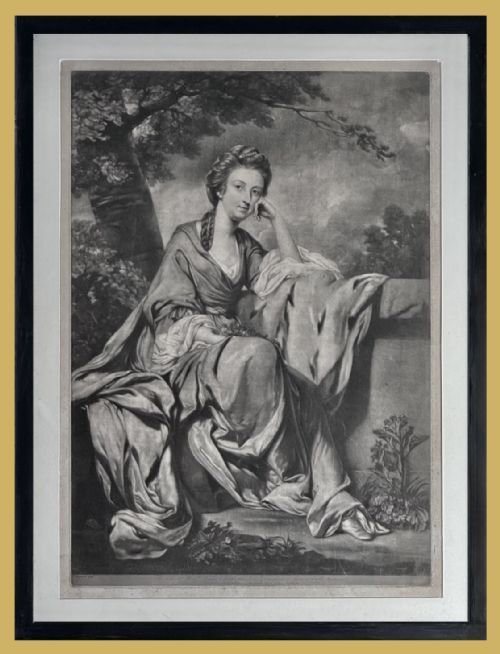
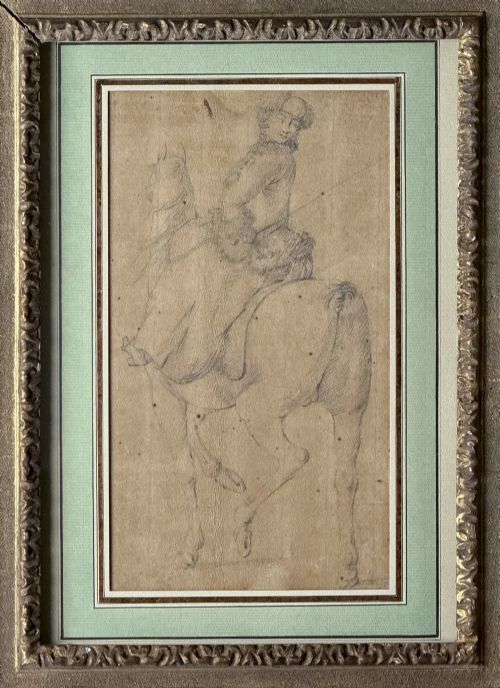
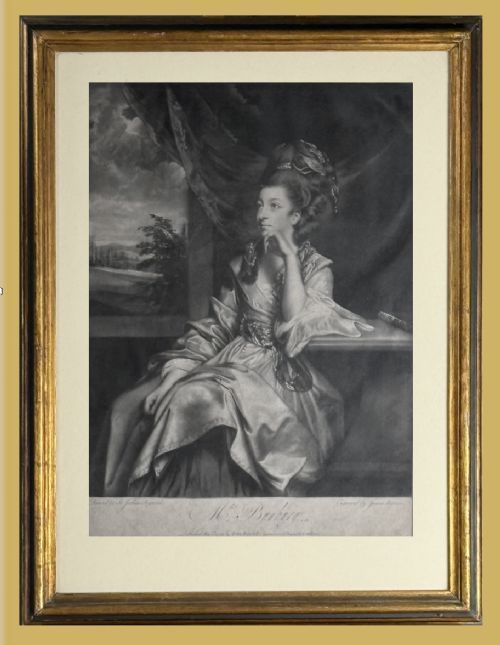
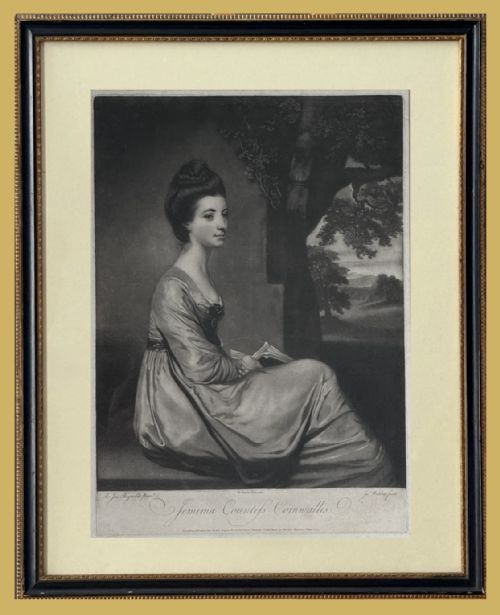
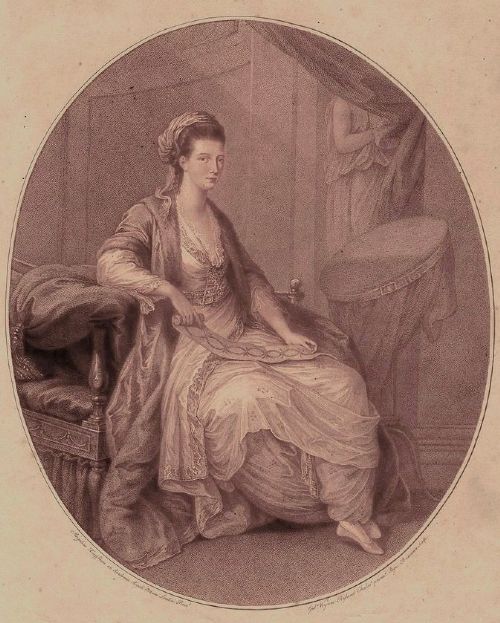
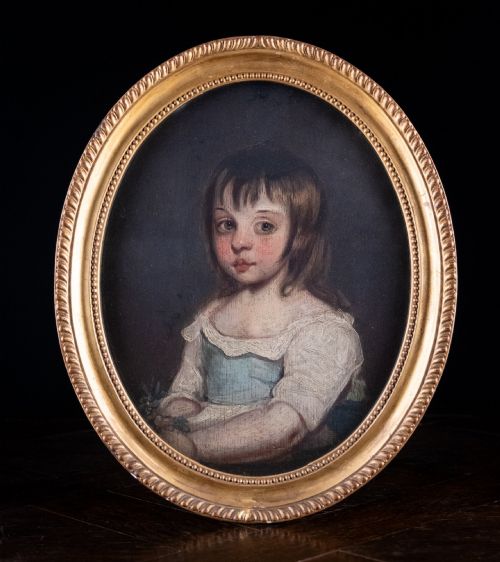
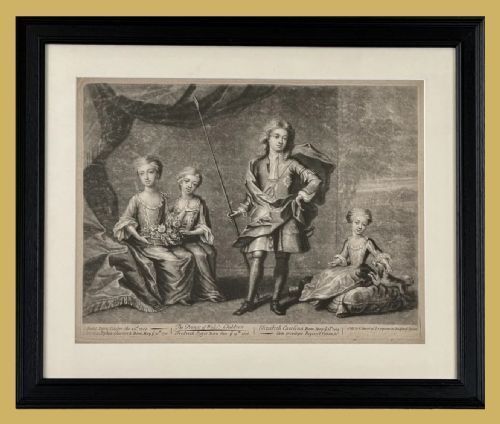
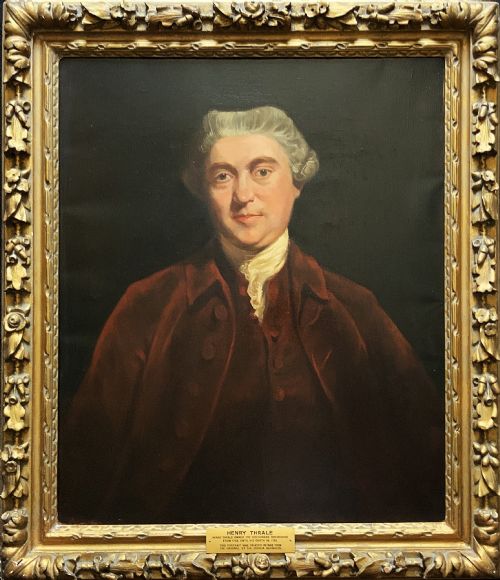
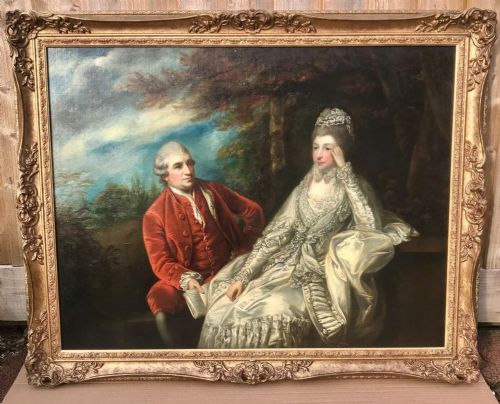
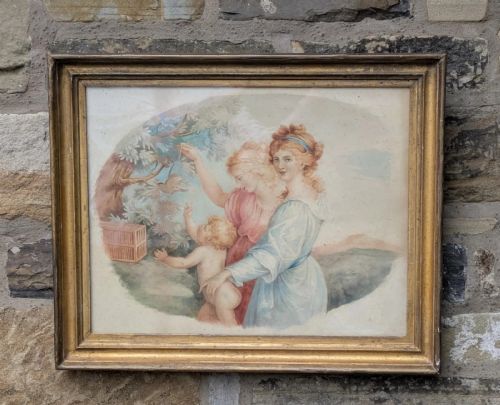
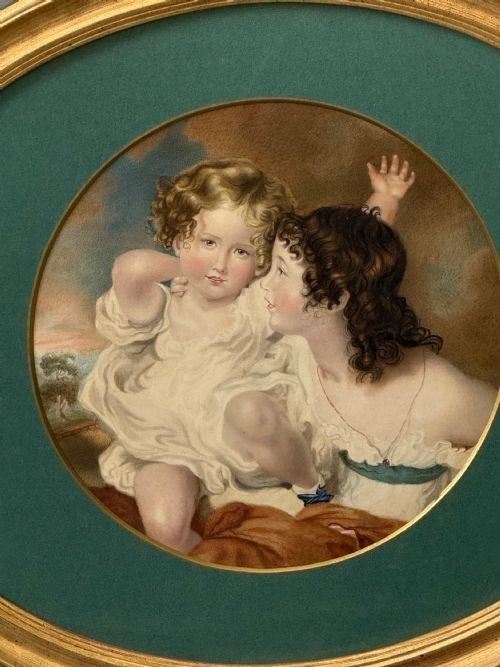
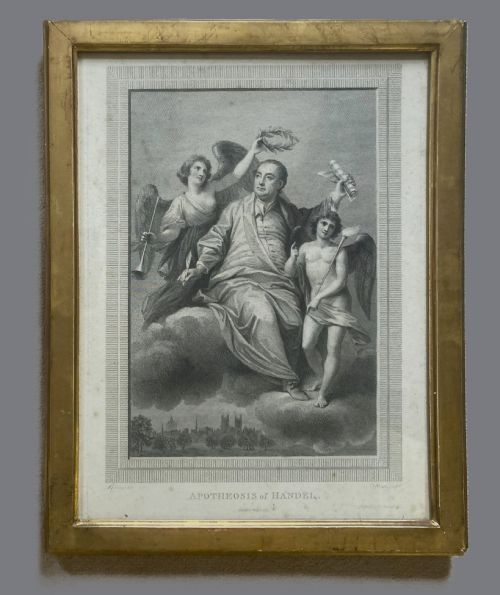
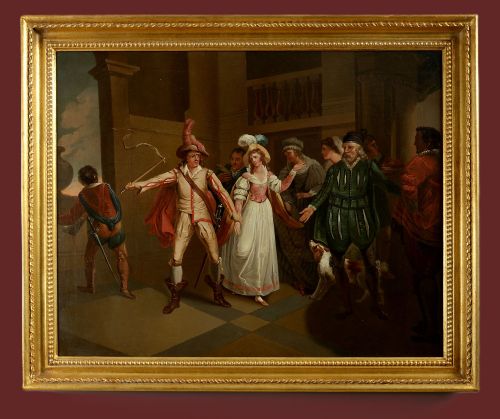
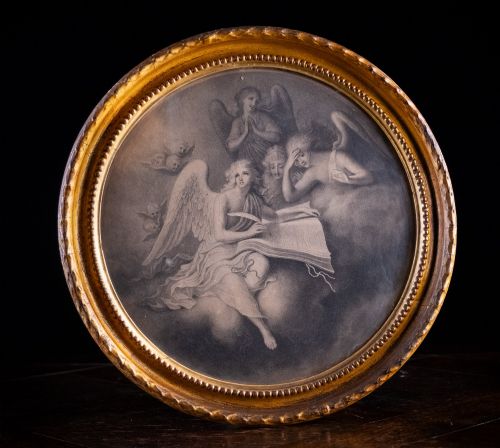
Georgian classical artwork encompasses a diverse range of visual media, primarily featuring oil paintings, watercolours, mezzotints, and stipple engravings. These works frequently draw inspiration from classical antiquity, mythology, and the grand manner portraiture popularised during the eighteenth and nineteenth centuries.
The selection on this page relies heavily on portraiture and narrative scenes, often recording the likenesses of nobility, children, and mythological figures. Pieces range from large-scale oil canvases to delicate framed paper prints produced by prominent printmakers of the era.
Originating predominantly from British and European schools, these items capture the prevailing neoclassical and Regency aesthetics of their time. Buyers encounter both original hand-painted canvases and contemporary print reproductions issued by eighteenth-century publishers.
How they were made
Painters of this era applied oil on canvas or copper panels, building rich compositions through layered glazes and confident brushwork. Watercolour paintings on paper relied on delicate washes to achieve subtle tonal gradations and expressive linear detail.
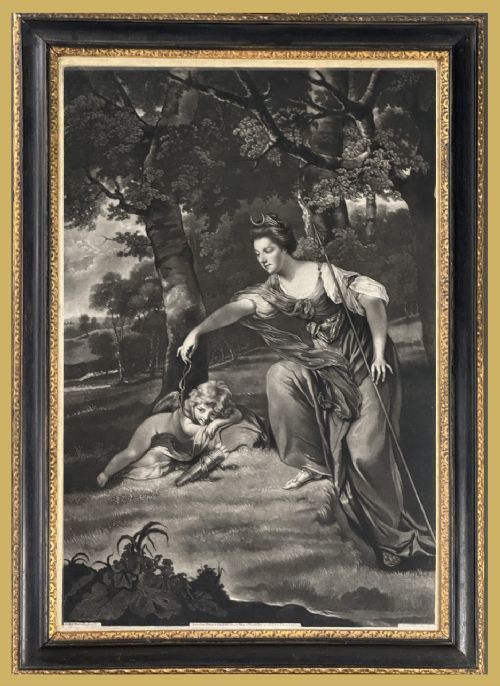
Printmakers utilised copper plates to produce fine mezzotints, etchings, and stipple engravings, often translating famous painted portraits into widely distributed works on paper. These sheets were housed in traditional timber frames, frequently accented with giltwood and gold leaf finishes.
Listings feature paper, glass, wood, oil on canvas, and giltwood, representing both eighteenth-century production and later nineteenth-century interpretations.
What varies in quality
Sir Joshua Reynolds·James Watson·Edward Fisher·Adam Buck·John Opie
The Georgian Classical Artwork Glossary
- Mezzotint
- A printmaking process where the copper plate is roughened to achieve rich dark tones and subtle gradations of light. This technique became the primary medium for translating grand oil portraits into popular prints during the eighteenth century.
- Stipple engraving
- A method of creating prints by dotting the copper plate rather than cutting continuous lines, producing soft flesh tones and gentle shadows. It was widely utilised for classical sentimental scenes and domestic subjects.
- Neoclassical
- An artistic movement drawing inspiration from the art and culture of classical Greece and Rome. This style prioritises balance, proportion, and heroic or mythological subject matter.
- Grand Manner
- An academic painting style based on classical art and the work of Renaissance masters, typically applied to elevated subjects like history painting and formal portraiture.
Georgian Classical Artwork: Frequently Asked Questions
What subjects appear most frequently?
Portraits of nobility, classical figures, and domestic children dominate the selection. These pieces reflect the prevailing eighteenth-century fascination with idealized beauty and high status.
Artists frequently borrowed themes from classical mythology and contemporary literature, translating dramatic narratives into accessible framed artworks for domestic interiors.
How do I care for these pieces?
Protect works on paper and canvas from direct sunlight to prevent fading of pigments and yellowing of the paper ground. Stable humidity levels ensure that timber frames and wooden panels avoid warping.
Display items away from excessive heat sources and handle framed works with care to preserve the original backing and antique glazing.
Are these works original period pieces?
The inventory spans authentic eighteenth and nineteenth-century productions alongside later commemorative printings. Examining the paper stock, plate marks, and canvas characteristics helps determine the exact age.
Historical engravings often carry contemporary publication dates and publisher details engraved directly into the lower margin of the sheet.
How were framed prints displayed originally?
Georgian interiors showcased these artworks in formal reception rooms and libraries, often arranged symmetrically in giltwood frames. Prints on paper served as an accessible alternative to expensive oil paintings.
Collectors stored larger print collections in specialised portfolios, reserving framed examples for prominent wall display within the home.