



Baroque Style Landscape
These baroque style landscape works bring grand pastoral scenes and dramatic classical vistas straight to your walls.
Baroque Style Landscape
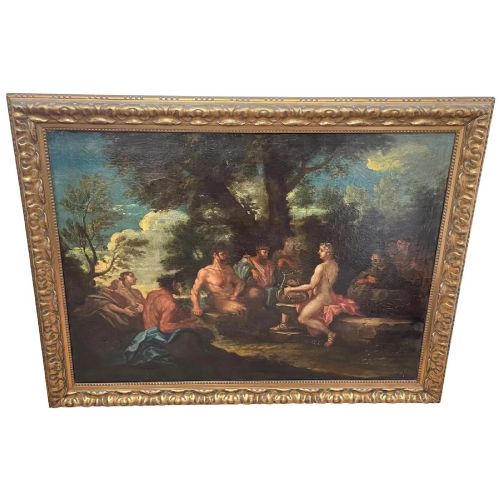
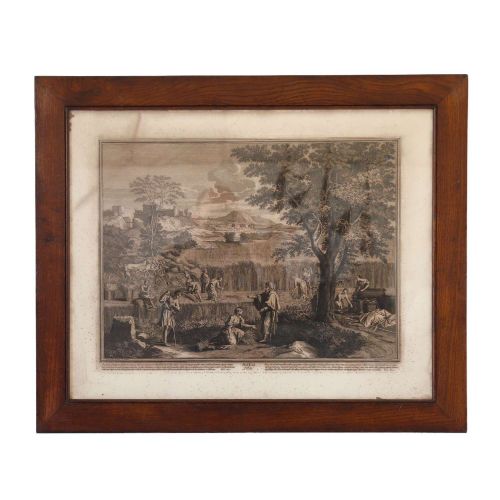
A baroque style landscape search reveals oil paintings, framed prints, and tapestries originating mainly from the seventeenth and eighteenth centuries. These works frequently depict mythological figures, rustic village gatherings, or coastal port scenes framed in ornate giltwood.
The compositions you will most often encounter on this page merge Italian school influences with Flemish styles. Artists structured these views with classical architecture, dramatic foliage, and distant horizons.
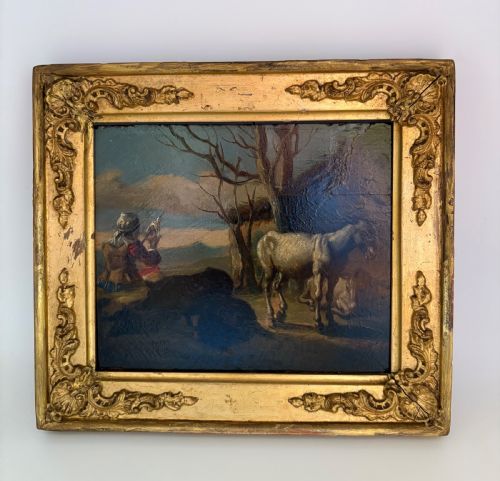
Subjects range from tranquil pastoral shepherds with animals to lively skirmish scenes and mythological figures resting under heavy canopies. Each piece reflects the grand theatricality and detailed narrative scope characteristic of the period.
Materials and construction methods
Makers utilised oil paint on stretched canvas or sturdy wood panels such as oak to create depth and luminous atmospheric effects. Brushwork ranges from tight, controlled detail in figures to looser, expressive handling in the surrounding foliage and skies.
Baroque Style Landscape Retail Price Guide 2026
Typical asking prices for baroque style landscape among the pieces listed under this phrase on Sellingantiques today, from the lower quarter to the upper quarter. They describe what is for sale here now, not the wider market.
Listings feature works spanning both the seventeenth and eighteenth centuries, utilising oil paint, oak panels, and giltwood frames.
Markers of quality and execution
Quality rests on the precision of the brushwork and the structural integrity of the canvas or oak panel. Superior examples display confident handling in human anatomy and drapery, alongside well-preserved pigment layers.
The condition and authenticity of the original frame heavily influence the piece. Frames with original gilding that complement the period style elevate the overall integrity of the artwork.
David Teniers II·Claude Lorrain·Francesco Zuccarelli·Francesco Albani·Rosa di Tivoli
The Baroque Style Landscape Glossary
- Oil on canvas
- Pigments bound in a drying oil applied to a woven fabric support. This technique allowed artists to achieve rich tonal gradations and subtle light effects.
- Giltwood
- Wood carved and coated with gold leaf or a metallic substitute. It provides the ornate, reflective borders typical of period frames.
- Panel painting
- A flat piece of wood used as a structural support for an oil painting. Oak was frequently utilised during the seventeenth century.
- Tapestry
- A form of textile art woven by hand on a loom. These large wall hangings often depict elaborate narrative and landscape scenes.
- Old Master
- A term for a European artist of high skill working before the nineteenth century. These painters established foundational traditions in Western art.
Baroque Style Landscape: Frequently Asked Questions
How do I identify a seventeenth century painting?
Look closely at the preparation of the canvas or panel, along with the specific handling of pigments and binding oils typical of the period. Pigment analysis and stretcher construction often provide reliable clues.
Examine the style of the frame and any historical inscriptions or labels on the reverse. Comparing the brushwork to documented works by followers or contemporaries helps confirm the era.
Where should I hang a large tapestry?
Choose a wall away from direct sunlight and excessive moisture to protect the delicate woven threads. Proper placement ensures the textile remains stable for decades.
Ensure the hanging system distributes the weight evenly across the top edge. Lining the back with a breathable fabric also helps support the structure.
What defines a classical landscape?
These compositions feature idealized nature arranged with theatrical stage-like depth, often incorporating classical ruins or mythological figures. The lighting is carefully balanced to guide the viewer's eye into the distance.
Artists from Italian and Flemish schools utilised this genre to evoke a nostalgic, heroic view of the past. The scenery serves as a grand backdrop for human narrative.