
Georgian Circular Snap Table
A georgian circular snap table brings centuries of British cabinet-making directly into a room, offering a clever tilting mechanism that saves space when not in use.
Georgian Circular Snap Table
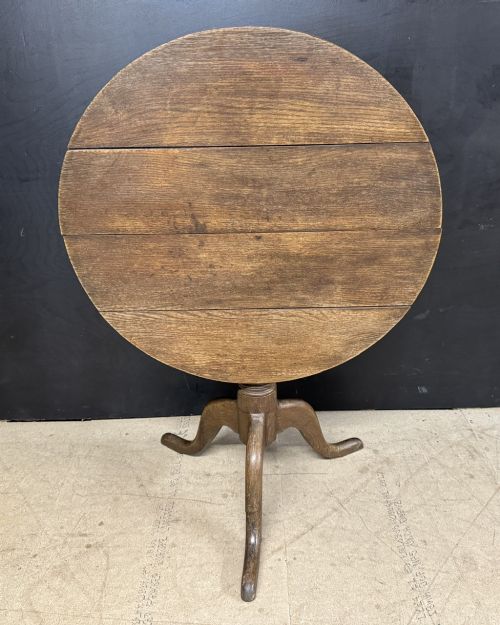
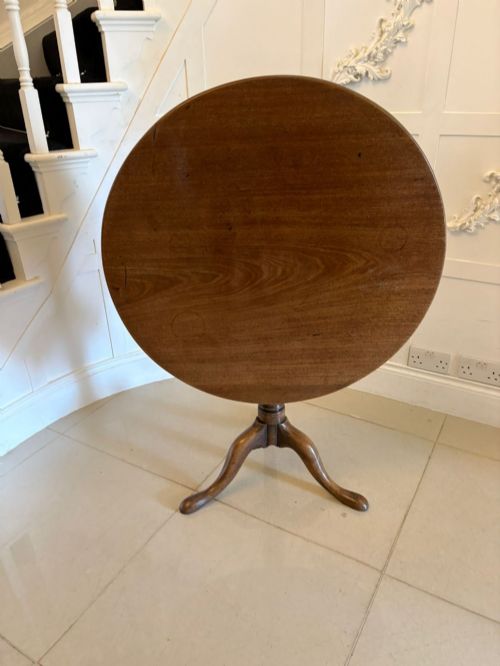
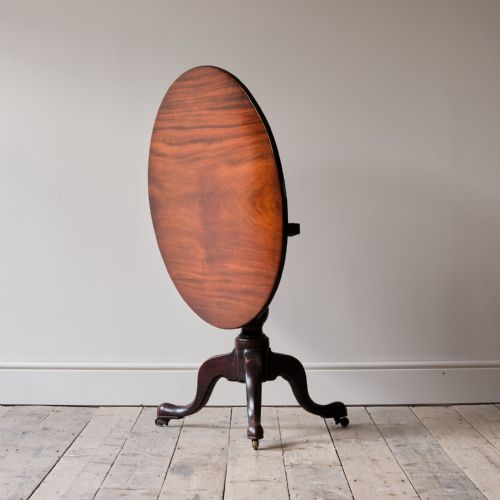
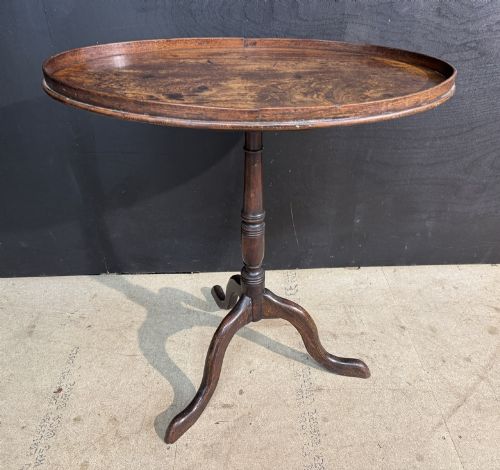
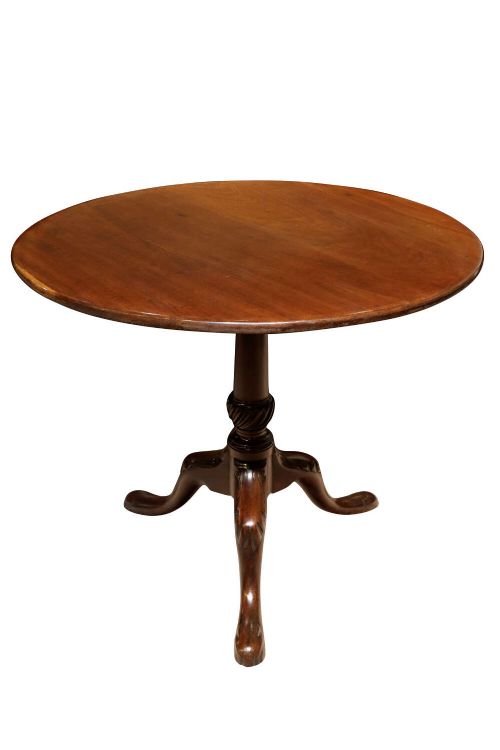
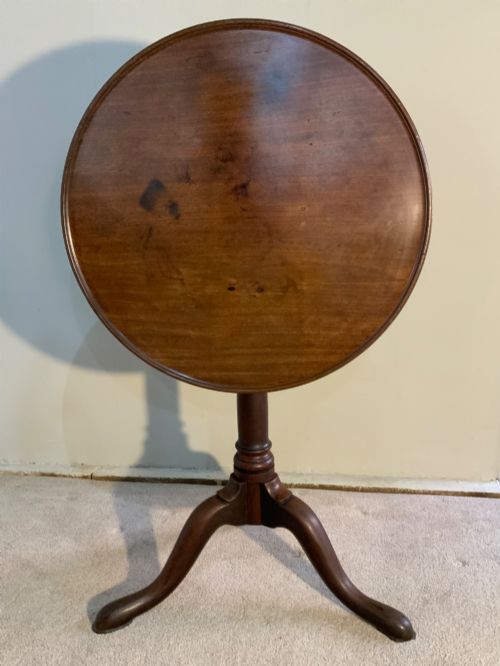
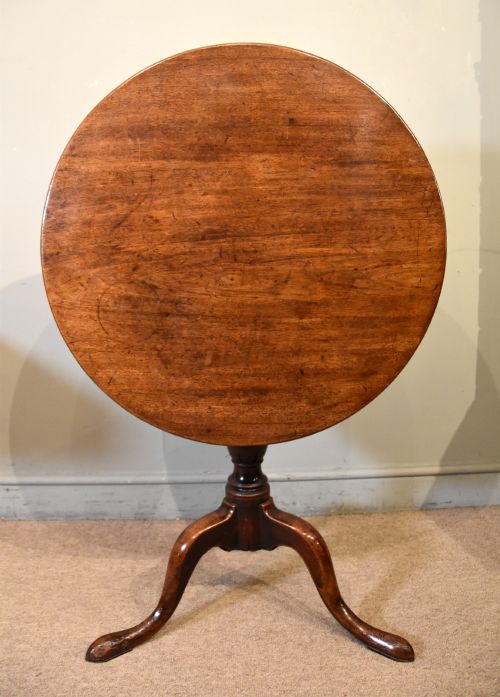
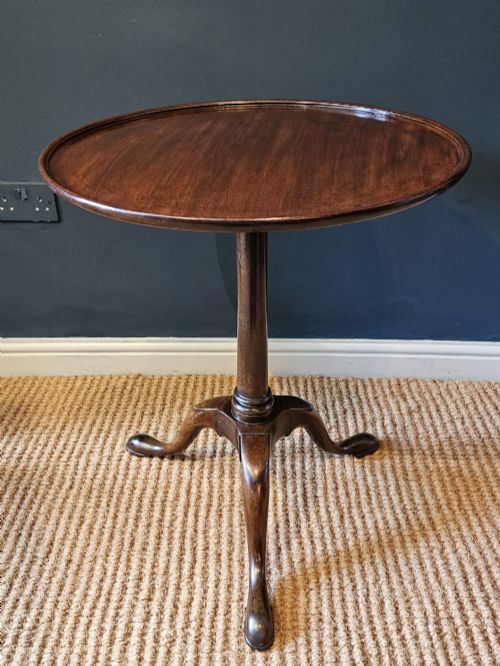
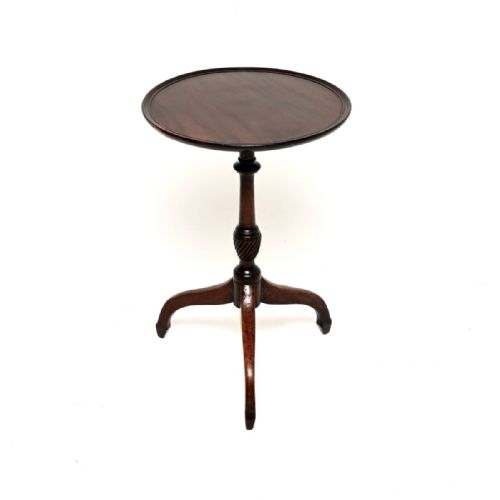
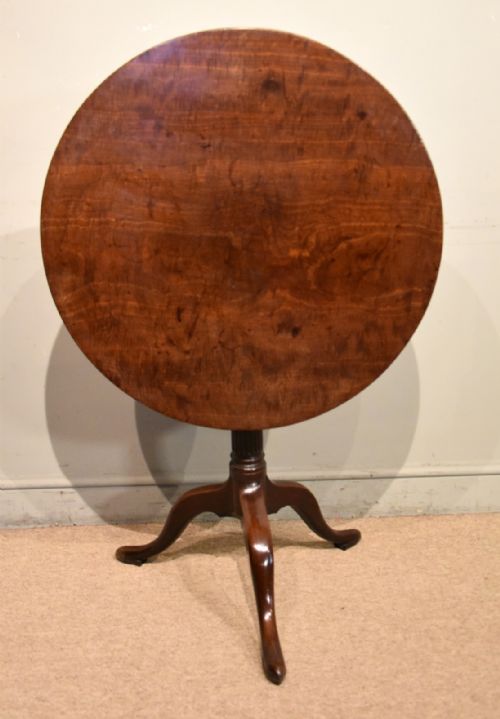
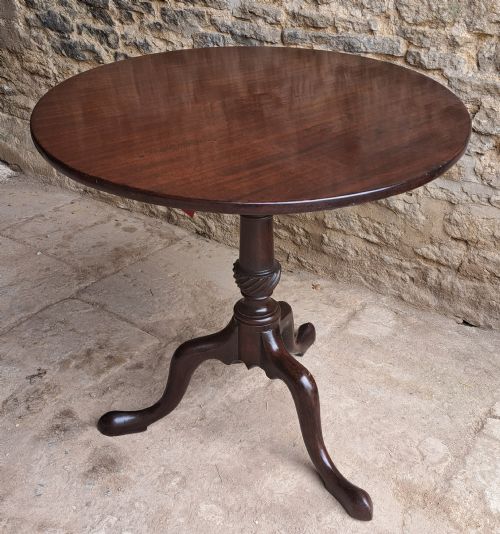
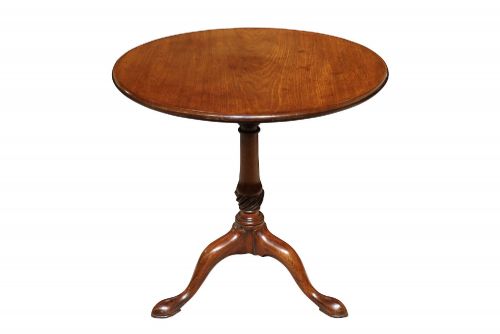
A georgian circular snap table is fundamentally a tripod-based occasional surface designed to tilt upright against a wall when clearing a space. These pieces appear predominantly in forms such as lamp tables, occasional tables, tea tables, and breakfast tables.
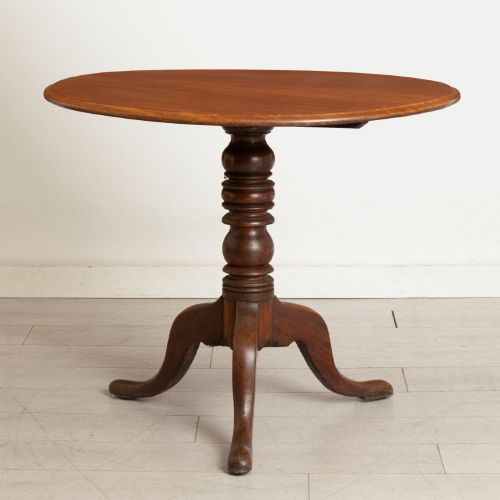
The selections span the eighteenth century and the Regency era, with occasional pieces stretching into later revivals. Buyers encounter circular tops supported by a central pillar and three legs, often described interchangeably as tilt-top or snap tables in period inventories.
Woods range from domestic oak and fruitwood to imported mahogany and walnut, reflecting the preferences of past makers. Examples vary from simple rustic farmhouse pieces to more refined architectural tripod designs.
Factors of Quality
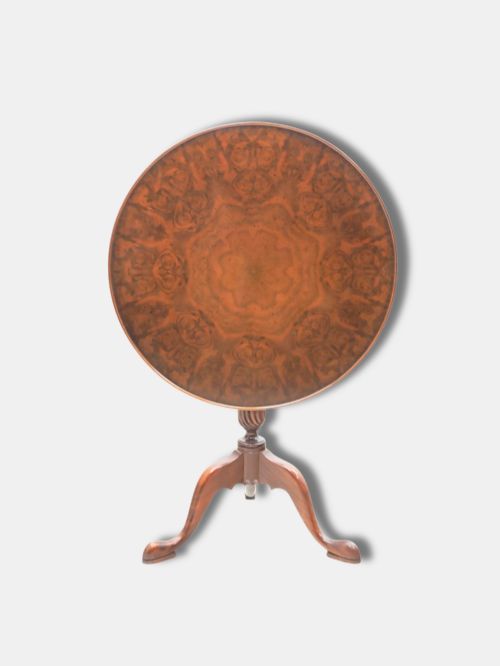
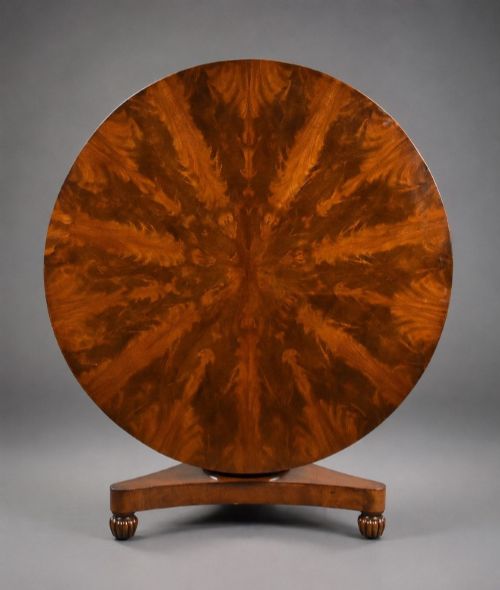
The selection of timber dictates much of the initial visual appeal, with figured grains, flame mahogany, and burr veneers marking out superior examples from plainer oak or fruitwood versions. A single piece of timber for the top commands higher regard than boards joined together with seams.
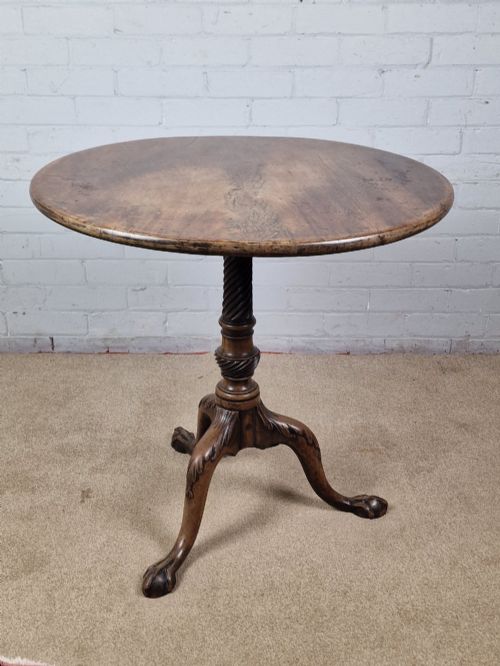
The sophistication of the mechanism separates basic models from finer productions, particularly birdcage actions that permit both rotation and tilting without excessive wobble. Crisp turning on the central pillar and well-proportioned tripod legs indicate the skill of the original workshop.
Listings feature mahogany, oak, walnut, and fruitwood across the eighteenth and nineteenth centuries, alongside twentieth-century Georgian design revivals.
The Georgian Circular Snap Table Glossary
- Snap top
- A tabletop fitted with a catch mechanism that locks the surface flat for use or releases it to fold vertically.
- Birdcage
- A wooden frame beneath the tabletop that enables the surface to revolve and tilt, associated with better quality tables.
- Tripod table
- Any small table supported by a central pillar resting on three legs.
- Gun barrel stem
- A central column turned with profiles resembling the barrel of a firearm, typical of eighteenth-century design.
- One piece top
- A circular tabletop fashioned from a single wide board of timber rather than multiple joined planks.
Georgian Circular Snap Table: Frequently Asked Questions
How do you use a snap table?
The table functions as a normal round surface for lamps, tea, or books during daily use. When floor space is needed, a release catch under the top allows the surface to snap upright against the pillar.
Historically, this allowed servants to tuck the furniture against the walls of parlours and dining rooms when the room needed to be cleared for dancing or other activities.
What is a birdcage mechanism?
A birdcage is an internal wooden box frame fitted between the underside of the table and the central pillar. It contains small spindles that let the top spin in a circle.
This feature allows users to rotate the surface toward them without dragging the entire tripod base across the floorboards.
How do I date a circular table?
Dating relies on observing wood species, leg profiles, and turning styles across different periods. Eighteenth-century examples often display slender mahogany columns and pad feet, while later Regency and revival pieces introduce bolder mouldings and rosewood or walnut veneers.
Construction marks beneath the top, such as hand-cut dovetails and iron fixings, also provide clues to the era of manufacture.