
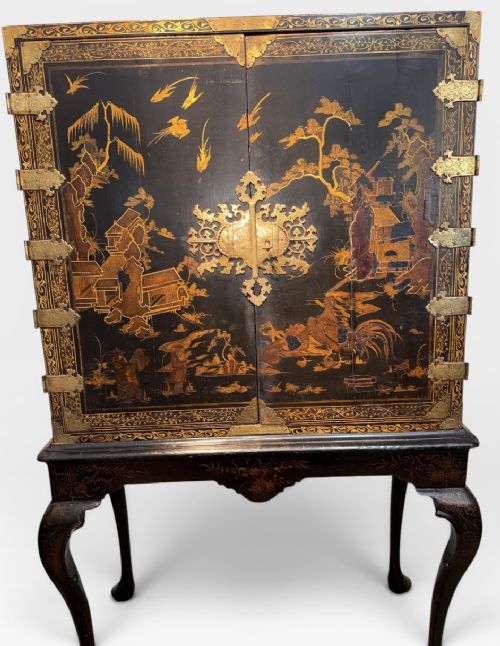


Georgian Chinoiserie Stand
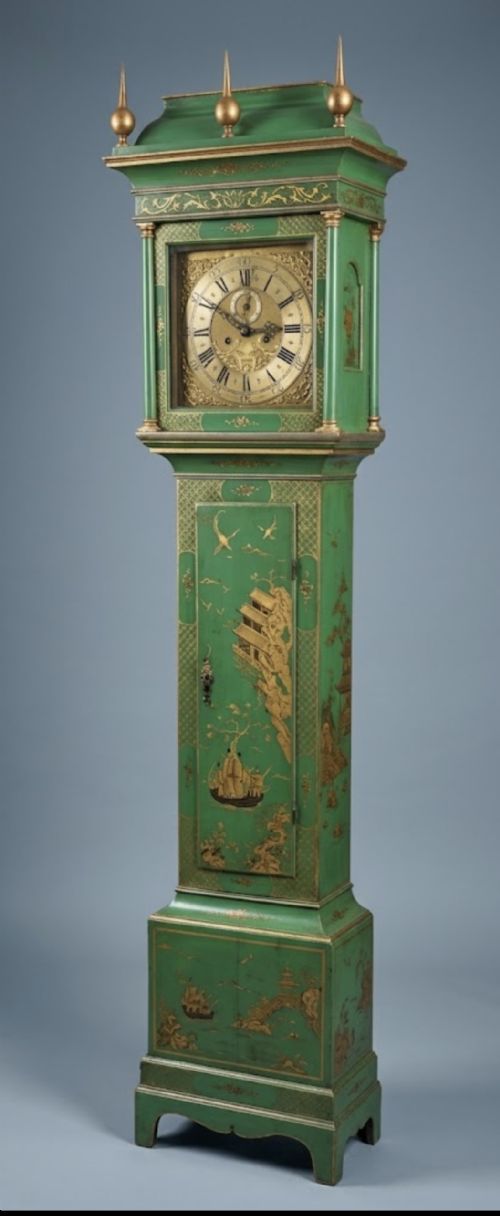
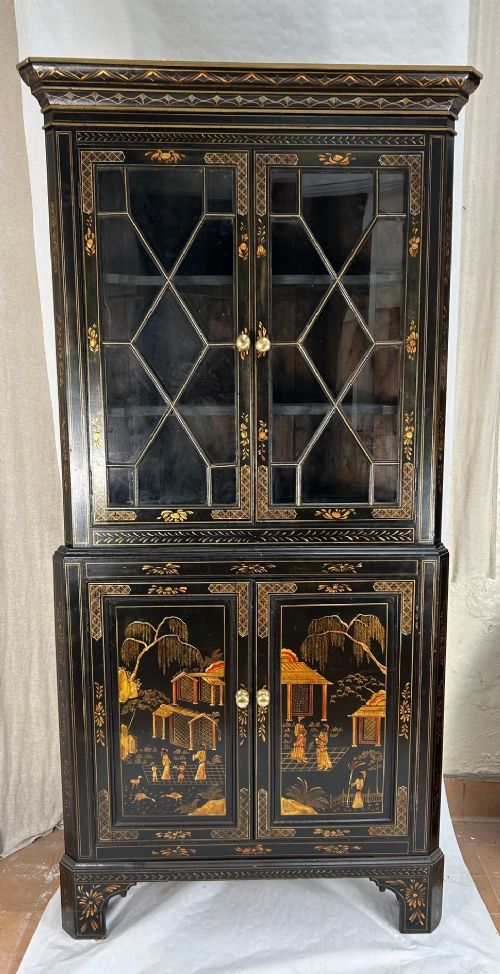
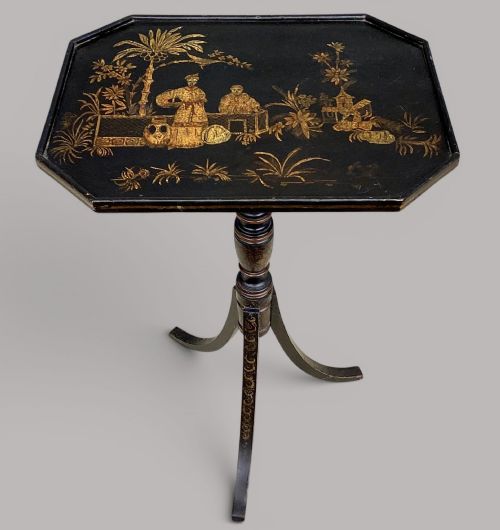
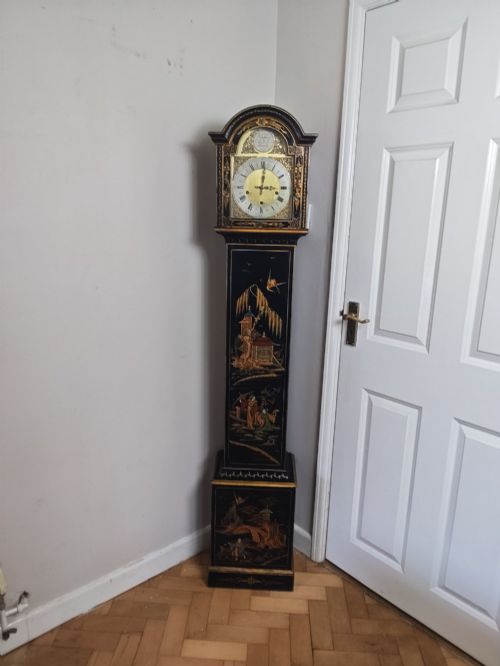
A georgian chinoiserie stand brings decorative lacquer and painted Chinese motifs into domestic rooms through tall clock cases, cabinets, and occasional tables.
Georgian Chinoiserie Stand
When you search for georgian chinoiserie stand, you encounter a distinct group of furniture types spanning the eighteenth century and subsequent revival periods. The selection on this page centres primarily on tall longcase clocks, cabinets mounted upon separate stands, and occasional or wine tables decorated in the Asian taste.
The material evidence shows these objects originating from Georgian, Regency, and Edwardian eras, alongside later twentieth-century interpretations. Longcase clocks and corner cupboards dominate the forms, accompanied by smaller display and utility items.
Makers and workshops across England produced these pieces utilising imported aesthetic influences, adapting traditional British carcass work to accommodate painted lacquer decoration.
Materials and technique
Makers constructed the structural carcasses using timber, applying layers of lacquer to build a smooth base for painted and gilt decoration. Artisans then added metallic highlights in gold leaf or gilt to accentuate figures, landscapes, and architectural details.
Clock movements incorporated brass components fitted into tall wooden cases, whilst smaller display items utilised ceramic bodies such as pearlware and pottery alongside wood and glass.
Materials recorded across current items include brass, lacquer, wood, glass, gilt, gold leaf, and pearlware.
Judging quality
The standard of execution in the painted decoration determines the visual success of each piece, distinguishing hurried commercial output from skilled hand-rendered artistry. Crisp detail in the gilding and depth within the layers of lacquer indicate superior craftsmanship.
Originality of the surface finish and the retention of early brass hardware dictate the archaeological integrity of the object. Alterations to the underlying carcass or repainted surfaces alter the historical balance of the piece.
John fielder of Alton·Gardner of London·Chamberlain Worcester·London Goldsmiths·Minton·Spode
The Georgian Chinoiserie Stand Glossary
- Chinoiserie
- European decorative style imitating Chinese artistic traditions. It appears on lacquerwork, furniture, and ceramics throughout the Georgian period.
- Japanning
- European imitation of East Asian lacquerwork using resin varnishes and metallic dust. Craftsmen baked successive layers to achieve a hard, glossy finish.
- Longcase clock
- Weight-driven pendulum clock housed in a tall wooden case. These tall structures provided ample surface area for extensive lacquer decoration.
- Cabinet on stand
- Enclosed storage furniture elevated on a separate supporting base. This form showcased decorative exterior painting at eye level.
- Parcel gilt
- Application of gold leaf to specific raised portions of a surface. It highlights architectural mouldings and painted figures.
Georgian Chinoiserie Stand: Frequently Asked Questions
What is a chinoiserie longcase clock?
A tall weight-driven timepiece enclosed in a wooden case decorated with painted and gilt oriental scenes. These tall clocks served as functional timekeepers and prominent decorative furnishings in domestic halls.
The lacquer work transformed standard clock cases into colourful focal points displaying figures, pavilions, and natural motifs inspired by East Asian art.
How do I identify a Georgian stand?
Examine the timber construction, joinery methods, and the style of the painted decoration. Eighteenth-century pieces exhibit specific structural proportions and traditional hand-cut joints distinct from later revivals.
The surface finish often shows characteristic age crazing within the lacquer layers, revealing the organic ageing of early varnishes and grounds.
Where were these pieces made?
English workshops produced the majority of these items, drawing design inspiration from imported Chinese export goods. Regional cabinetmakers in London and provincial towns adapted Oriental motifs to British furniture forms.
Pottery items originated from specific ceramic factories, sometimes accompanied by fitted wooden stands designed to elevate serving dishes.
How do I care for lacquered wood?
Keep lacquered surfaces away from direct sunlight and maintain stable room humidity to protect the brittle varnish layers. Dust gently with a dry, soft cloth without applying modern chemical polishes.
Protect the finish from sharp impacts and moisture, as historical lacquer and gilt layers remain sensitive to environmental extremes.