
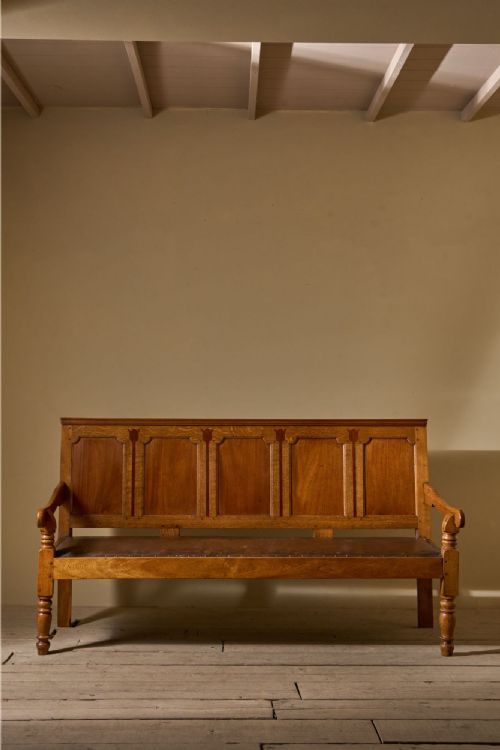


Georgian Chair Back Bench
A georgian chair back bench offers the elongated seating of a sofa combined with the pierced uprights of dining chairs.
Georgian Chair Back Bench
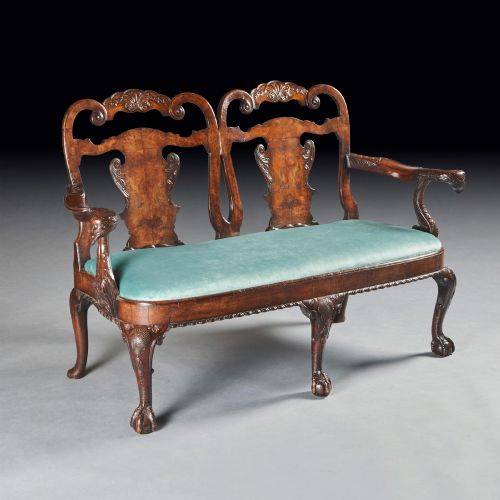
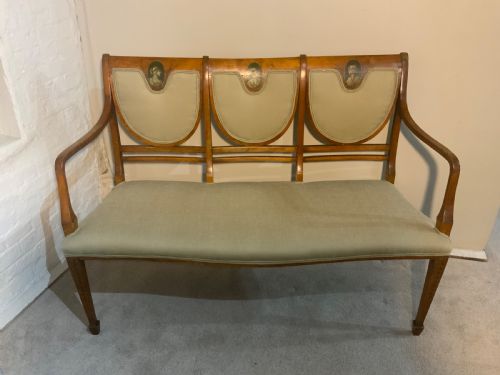
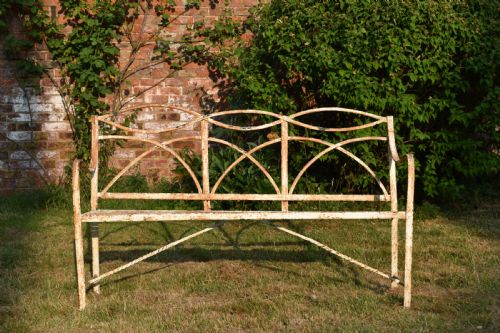
A georgian chair back bench translates the solid framework of individual seats into a continuous piece for multiple sitters. You will find examples spanning twin, triple, and double chair back configurations, often styled after classical cabinet makers.
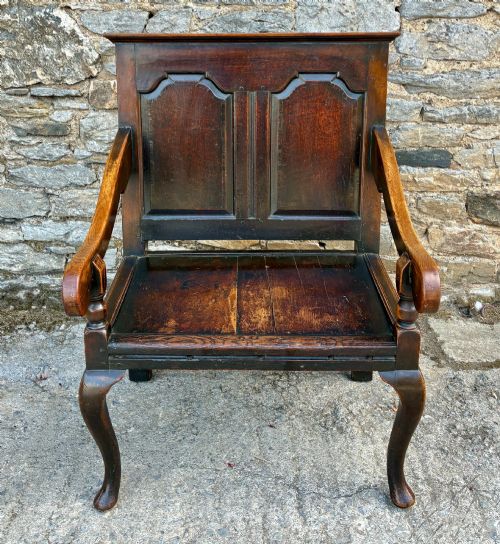
The materials and forms vary from robust oak settle designs to refined mahogany and satinwood settees. Pieces range through genuine period origins down to later revivals from the nineteenth and early twentieth centuries.
How they were made
Construction relies heavily on timber framing, utilising dense hardwoods such as mahogany, oak, walnut, and satinwood. Joinery incorporates carved splats, strapwork, and shield backs mirroring contemporary chair production.
Surface finishes include applied paint, gilt highlights, and inlaid details. Upholstered variants integrate fabric, velvet, and textile pads into box seats or drop-in cushions.
Primary timbers recorded include mahogany, oak, walnut, satinwood, and pine.
What varies in quality
The crispness of the carving on the splats and arms distinguishes standard joinery from superior craftsmanship. Finer pieces display deeply undercut details and harmonious proportions across multiple back sections.
Timber selection dictates the visual depth of the grain, particularly in mahogany and satinwood variants. Original structural integrity and minimal replacement woodwork also elevate the standing of the piece.
The Georgian Chair Back Bench Glossary
- Chair back settee
- A long seat whose back is constructed as a sequence of linked chair splats rather than a continuous upholstered panel.
- Splat
- The vertical wooden strip down the centre of a chair back, often shaped and pierced in styles like Chippendale or Hepplewhite.
- Shield back
- A chair back outline shaped like a heraldic shield, popularised during the Hepplewhite period.
- Settle
- A wooden bench with a high back and solid arms, designed to block draughts in older domestic interiors.
- Strapwork
- Ornamental interlaced bands resembling leather straps, frequently carved into friezes or chair backs during the Regency period.
Georgian Chair Back Bench: Frequently Asked Questions
How were these benches used?
These benches served as communal seating in halls, parlours, and dining rooms of large houses. Their sturdy wooden construction made them practical for daily domestic life.
Box seat variants also provided concealed storage beneath the cushions for household items.
How do I date a chair back bench?
Dating relies on identifying timber species, construction methods, and stylistic cues linked to specific periods. Genuine eighteenth-century pieces display different joinery and wear patterns compared to nineteenth-century revival items.
Design motifs such as shield backs, strapwork, or tulip decoration help align the piece with Georgian, Regency, or later revival eras.
Where should I place one at home?
These benches suit narrow spaces like hallways or landings where a deep sofa might obstruct movement. They also work well against dining tables or along living room walls.
Their decorative backs make them visually appealing when viewed from the front or side in open rooms.