





Georgian Ceramic Statuette
A georgian ceramic statuette brings eighteenth-century mythology and rustic life into a room through delicate porcelain modelling.
Georgian Ceramic Statuette
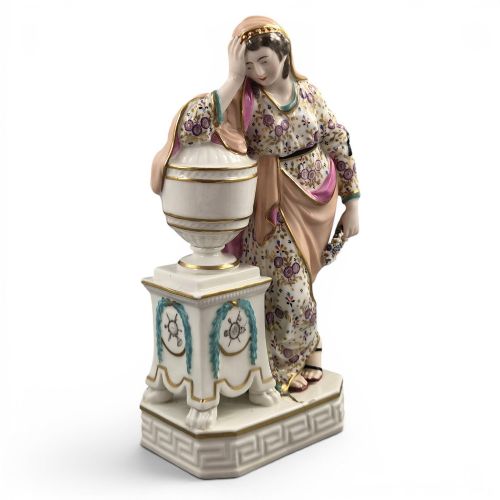
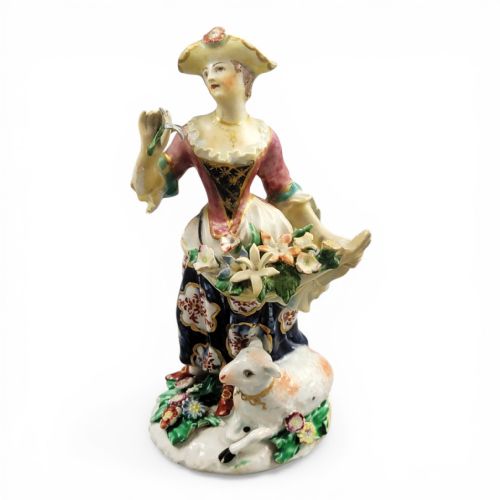
A georgian ceramic statuette captures figures from classical mythology, the seasons, and everyday trades in porcelain. The selection leans heavily towards eighteenth-century and early nineteenth-century English factories, with Derby and Bow dominating the forms.
Buyers encounter single figures, pairs representing elements or seasons, and larger multi-figure groups. Subjects range from allegorical representations of continents to street vendors, gardeners, and actors.
Dating spans from the mid-eighteenth century through the Regency period and into the nineteenth century. Most examples originate from English kilns working in soft-paste porcelain and biscuit porcelain.
How they were made
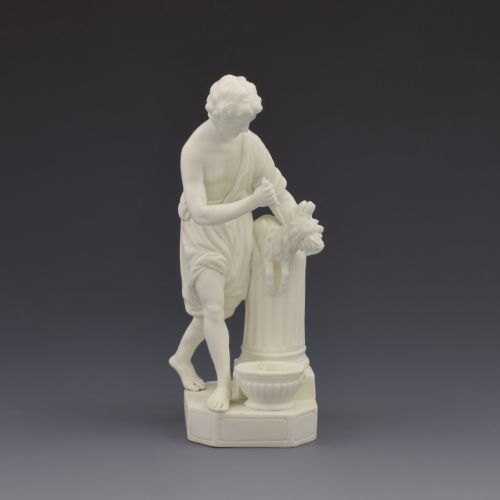
Potters shaped these figures using soft-paste porcelain and unglazed biscuit porcelain, often applying hand-painted enamel colours and gold leaf highlights. Early pieces utilised patch marks from kiln furniture during firing.
Factories such as Derby and Bow employed skilled modellers to cast sculptural groups in moulds before hand-finishing details like flowers, garments, and facial expressions.
Listings feature soft-paste porcelain, biscuit porcelain, enamel, and gold leaf across eighteenth-century and nineteenth-century periods.
What varies in quality
The sophistication of the glaze and the restraint of the gilt highlights distinguish finer figures from standard production pieces. Early patch-period examples show specific potting characteristics that define their manufacturing standard.
Derby porcelain·Bow Porcelain·Longton Hall·Chelsea Porcelain·Bloor Derby·Minton
The Georgian Ceramic Statuette Glossary
- Soft-paste porcelain
- A glassy ceramic composition fired at lower temperatures than hard-paste porcelain, common in early English factories.
- Biscuit porcelain
- Unadorned, unglazed fired ceramic that produces a matte, marble-like surface texture.
- Patch mark
- Small unglazed spots on the underside of figures left by the kiln supports during firing.
- Gold anchor mark
- A small painted anchor symbol used by certain factories to identify specific periods of production.
- Enamel
- Vitreous coloured decoration applied over the glaze and fired again to fuse with the surface.
Georgian Ceramic Statuette: Frequently Asked Questions
What subjects do these statuettes show?
The figures depict mythological deities, allegorical representations of the seasons and continents, and rural workers such as gardeners and vendors.
Historical theatrical figures and romantic shepherds also appear frequently across the available inventory.
How are different periods identified?
Makers marks, paste composition, and distinct potting marks like kiln patches help establish the approximate decade of production.
Stylistic shifts from rococo curves to neoclassical restraint further assist in dating individual pieces.
Where were these figures made?
English factories such as Derby, Bow, Chelsea, and Longton Hall produced the majority of these sculptural porcelain works.
Production centres in Derbyshire and London dominated the output during the eighteenth century.
How should fragile porcelain be displayed?
Statuettes require stable shelving away from direct sunlight and high traffic areas to protect delicate applied flowers and limbs.
Enclosed cabinets provide the best protection against accidental damage and accumulated dust.