
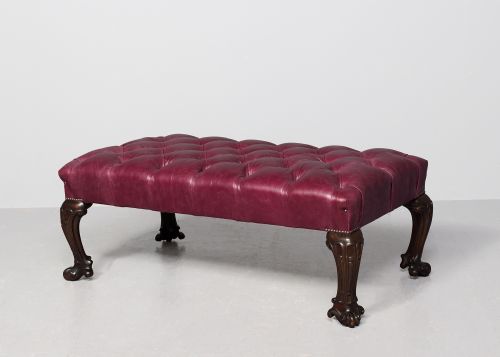
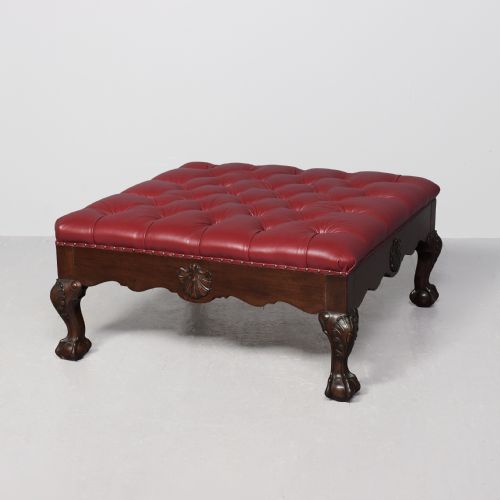
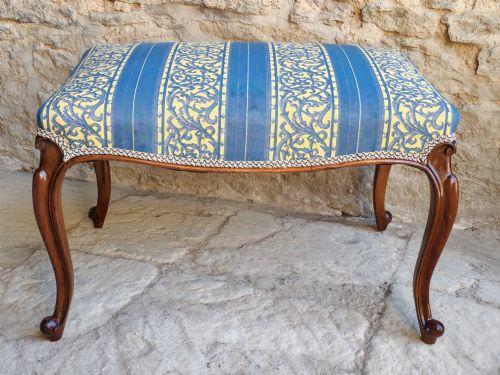
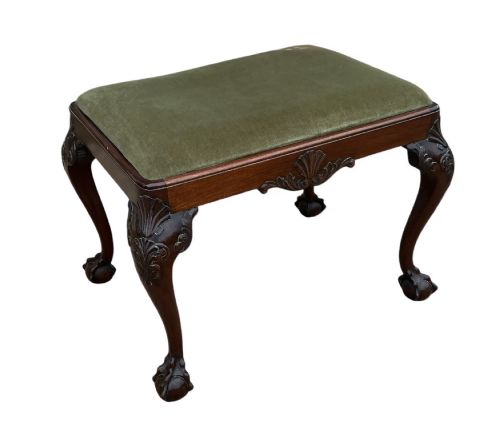
Georgian Carved Footstool
A georgian carved footstool brings solid timber and traditional upholstery together to anchor a period room.
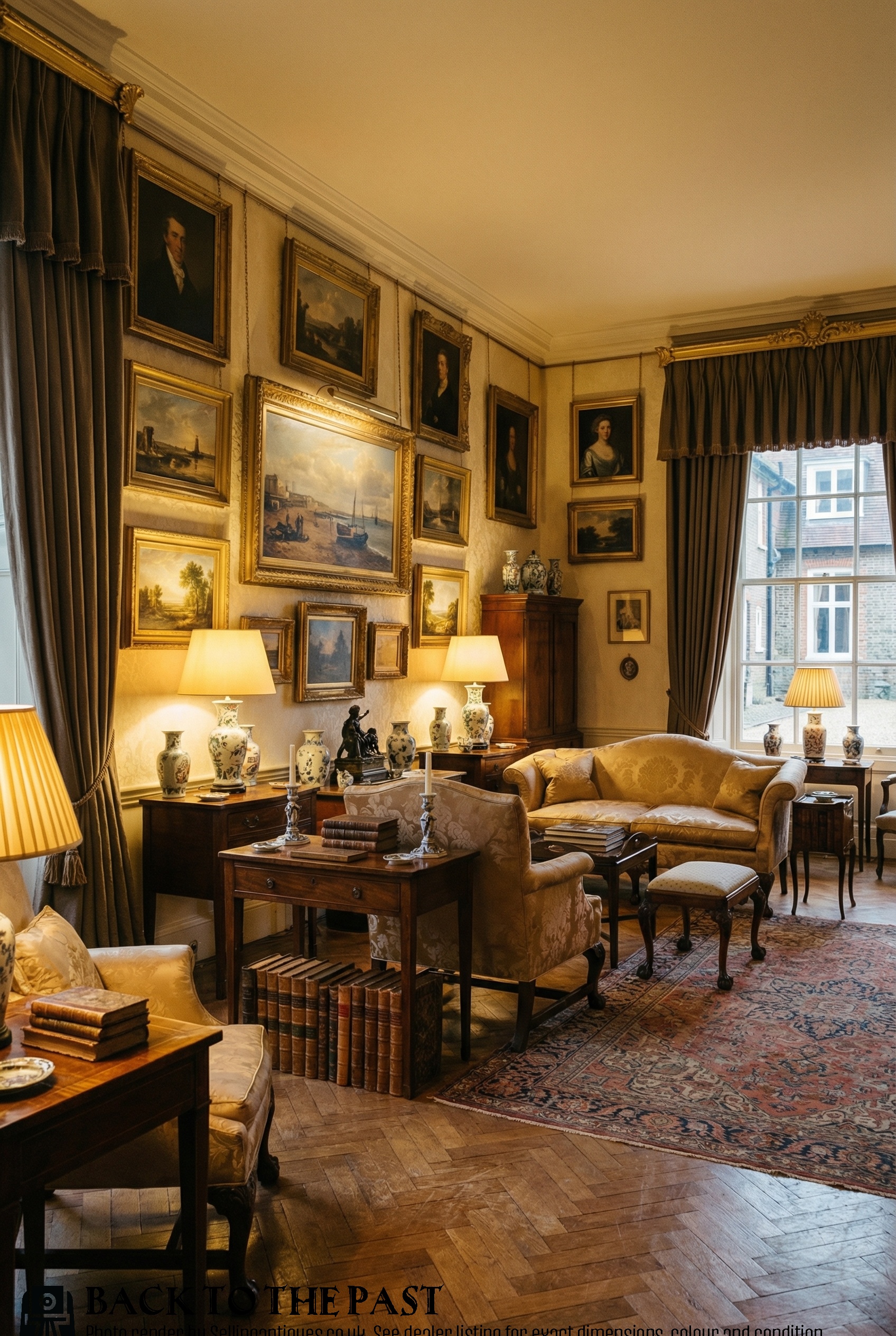
Georgian Carved Footstool
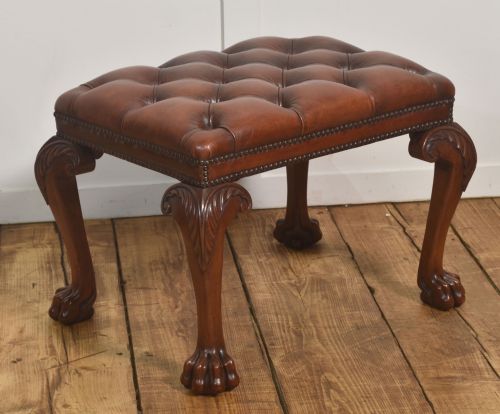
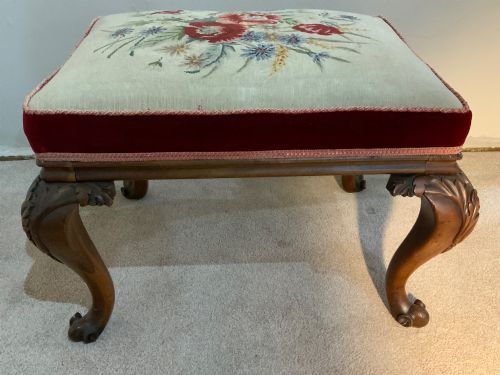
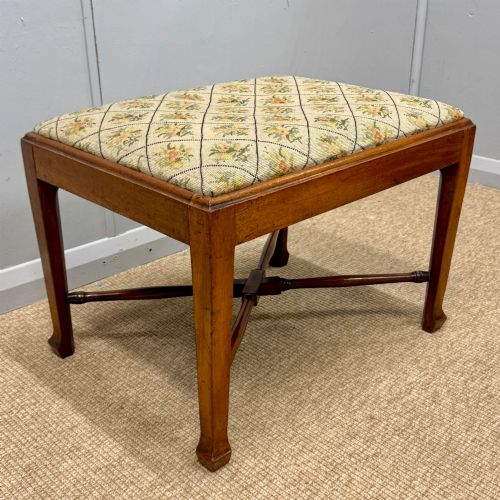
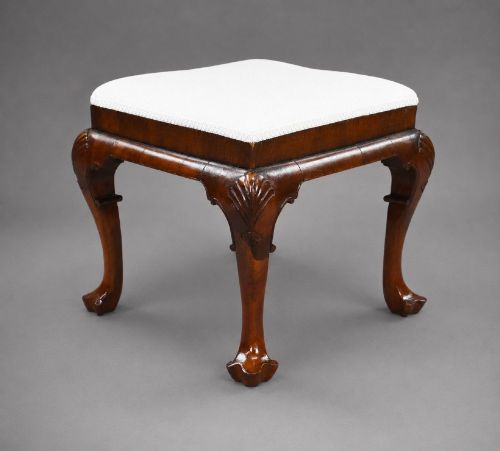
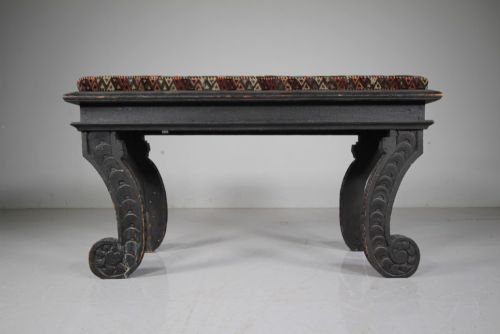
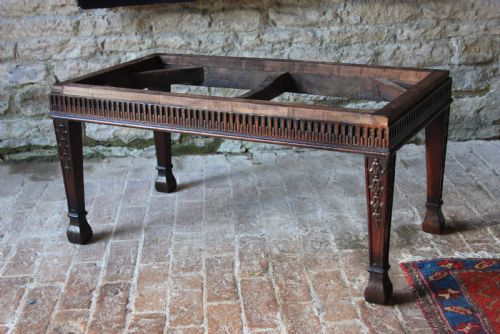
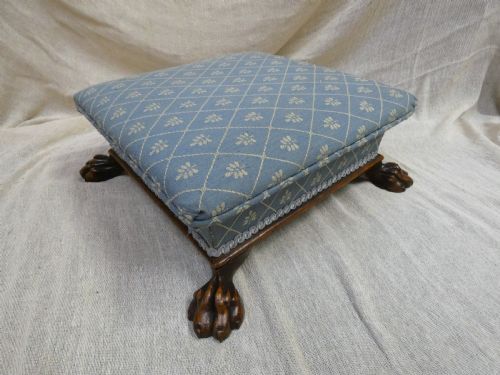
A georgian carved footstool appears primarily in mahogany, walnut, and oak, often taking the form of a low seat or dressing stool designed for comfort. These pieces range from authentic mid eighteenth-century examples to later revival interpretations produced across the nineteenth and early twentieth centuries.
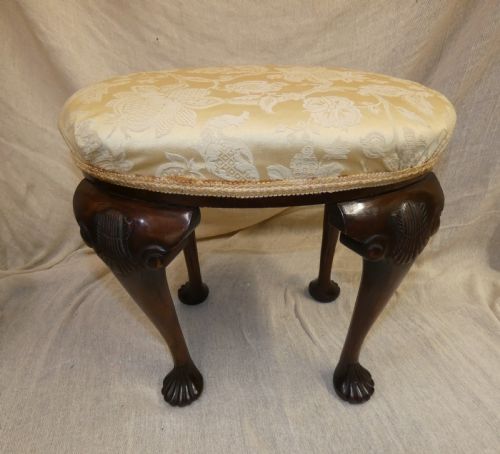
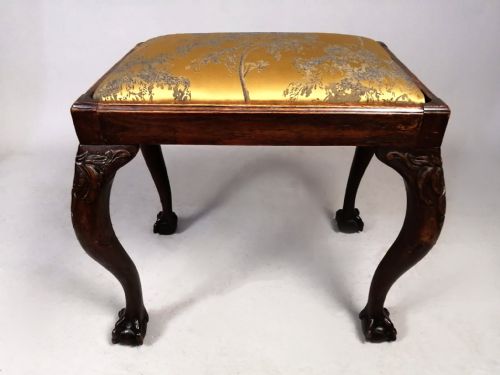
The selection on this page centres on sturdy timber frames paired with various textile coverings, spanning simple vernacular forms to elaborate Irish cabriole-legged designs. Buyers most frequently encounter mahogany and walnut frames carrying traditional upholstery such as needlework, leather, or velvet.
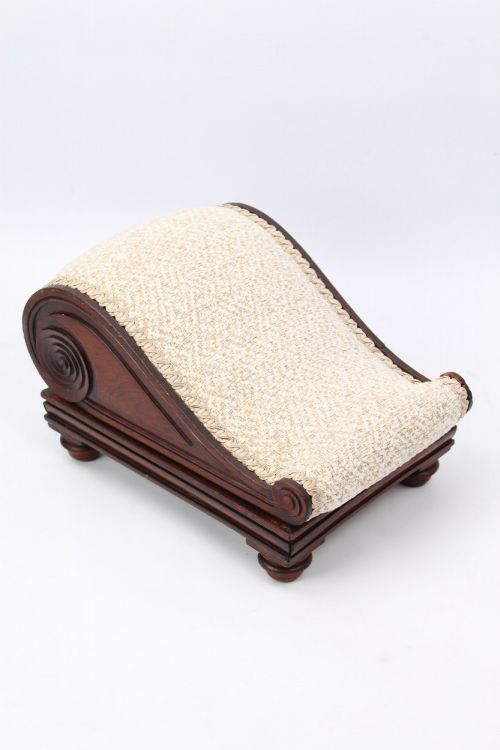
Origins stretch across English and Irish workshops, encompassing everything from compact window seats and piano stools to large ottomans with carved details. The overarching category includes specialised seating designed to rest low beside armchairs or vanity tables.
How they were made
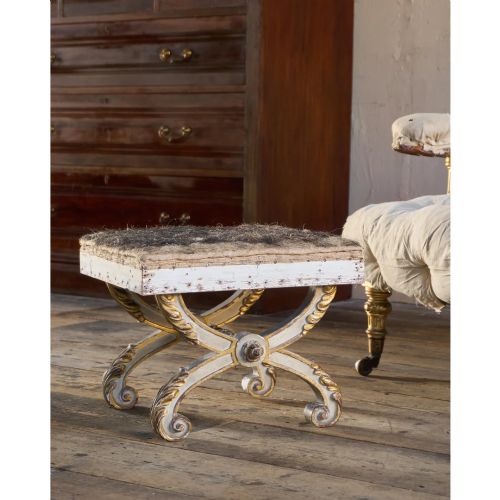
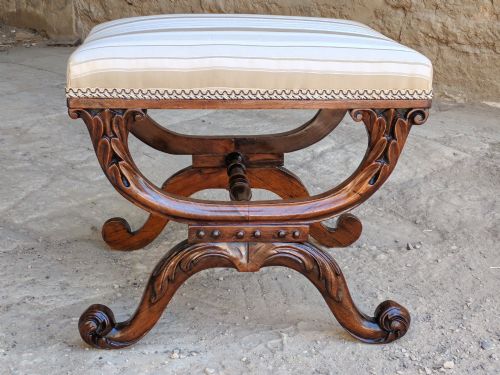
Cabinetmakers shaped these frames from dense hardwoods like mahogany, walnut, and oak, often employing carved cabriole legs, ball and claw feet, or X-frame curule structures. Joinery relied on traditional mortise and tenon construction to ensure stability under daily weight.
Upholstery techniques combined webbed or sprung foundations with durable coverings such as hide, wool tapestry, and needlework secured by brass tacks. Timber surfaces received hand-applied finishes that highlighted the natural grain of the wood without heavy modern varnishes.
What varies in quality
The distinction between standard examples and superior pieces rests on the crispness of the wood carving and the proportional harmony of the frame. Skilled execution shows in the fluid sweep of a cabriole leg and the precise depth of relief work on the rails.
Originality of timber and period-appropriate upholstery methods elevate a piece above later revivals or heavily altered frames. Subtle details, such as well-drawn proportions and untouched patination on the wood, separate ordinary workshop output from exceptional furniture.
Miles & Edwards
The Georgian Carved Footstool Glossary
- Cabriole leg
- A furniture leg that curves out and then in, mimicking animal limbs. This form appeared frequently on eighteenth-century seating.
- Curule
- An X-shaped frame design derived from ancient Roman magistrate seats. Nineteenth-century makers revived this classical configuration for distinctive low stools.
- Joint stool
- An early form of wooden seating constructed with pegged mortise and tenon joinery. These sturdy items preceded fully upholstered frames.
- Patina
- The surface sheen and mellowing developed by wood over decades of handling and wax polishing. This quality indicates genuine age and use.
Georgian Carved Footstool: Frequently Asked Questions
How do I spot an eighteenth-century original?
Examine the timber shrinkage, hand-cut joinery, and the wear patterns on the underside of the frame. Authentic pieces show tool marks consistent with period workshop practices.
Compare the carving depth and wood species against documented examples from the same decade. Later revivals often use heavier framing or machine-cut elements.
What is a curule stool?
A curule stool utilises an intersecting X-frame construction that provides inherent strength without bulky corner blocks. This classical shape dates back to antiquity and reappeared in Regency designs.
These pieces often function as decorative accents or low foot rests rather than primary dining seats.
Can I use these stools daily?
Solid hardwood frames and traditional joinery make these pieces remarkably durable for regular household use. Most historic stools withstand normal sitting and resting of feet without issue.
Fragile elements usually reside in the surface finish or antique textiles rather than the structural timber core.
How do I care for antique wood and leather?
Apply microcrystalline wax sparingly to nourish the timber and maintain the natural sheen without building up heavy residue. Keep wooden frames away from direct heat sources and strong sunlight.
Treat leather upholstery with specialised saddle soap or balms designed to prevent cracking while preserving the historical hide.