
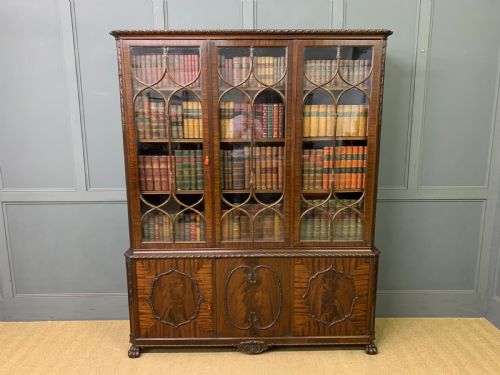
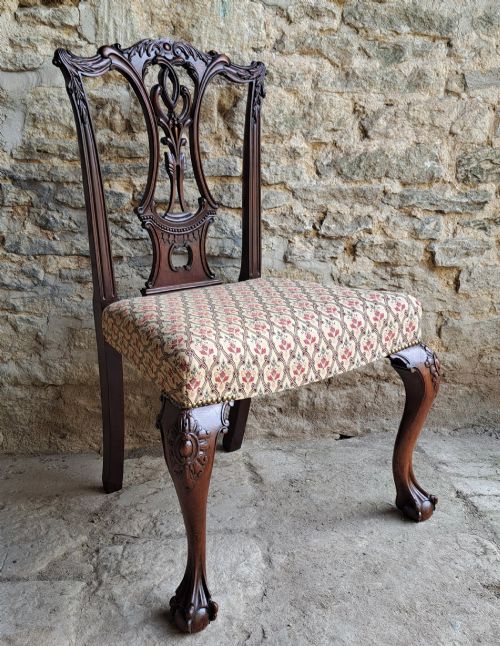
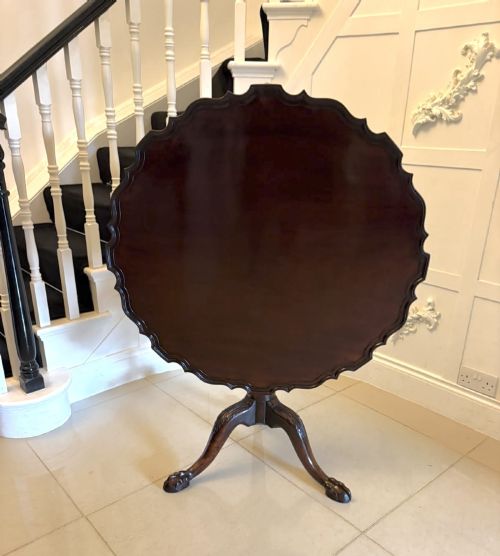
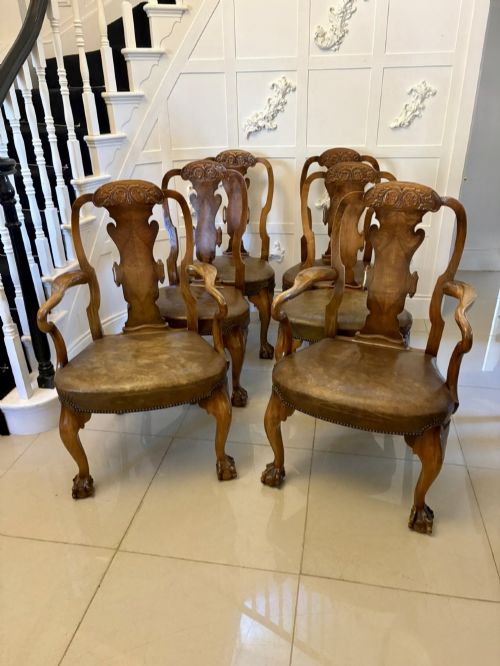
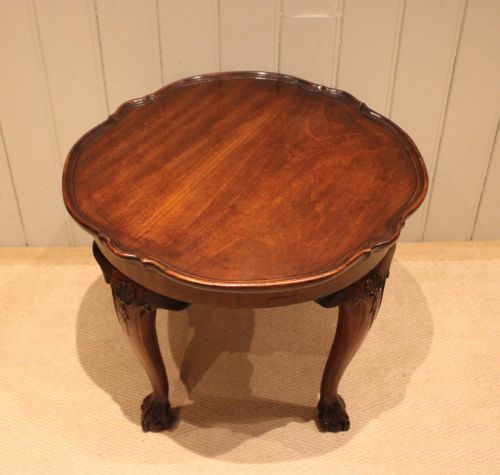
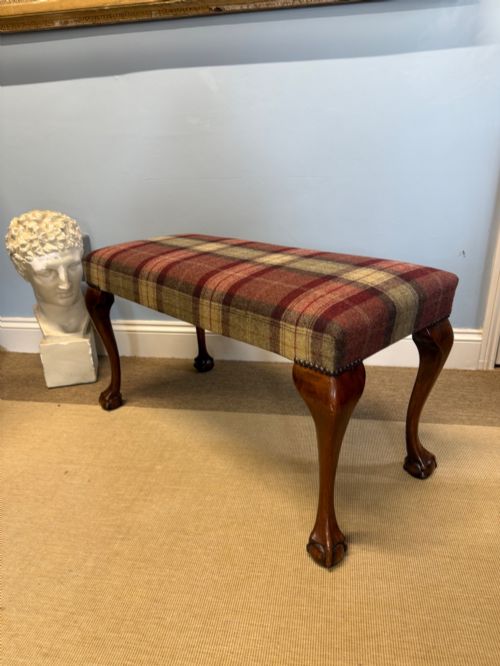
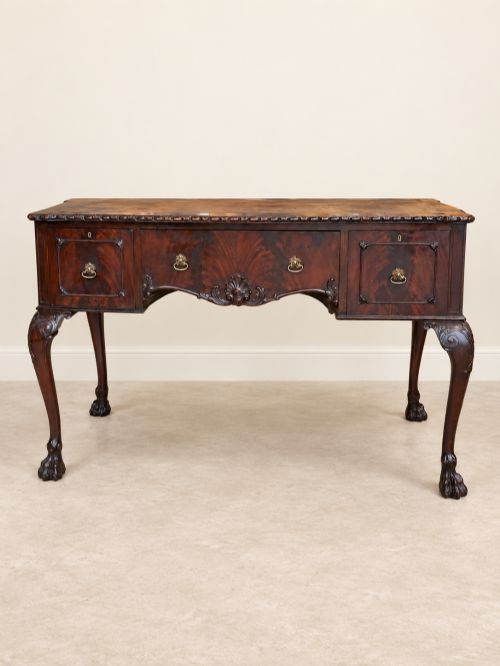

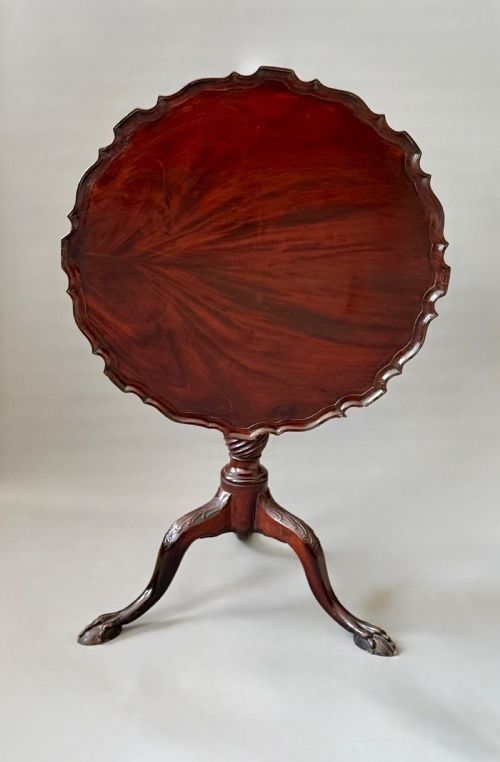
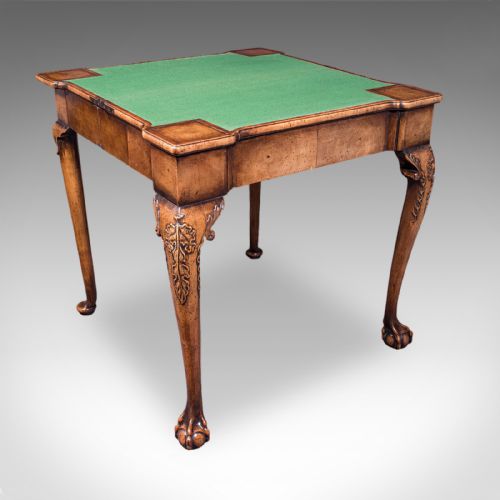
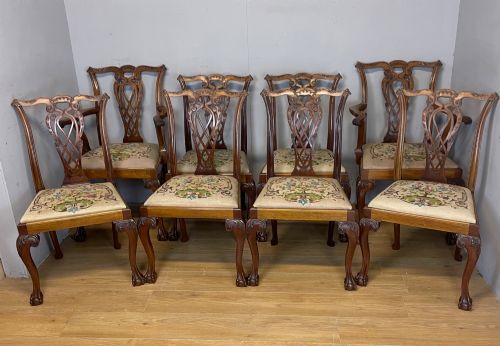
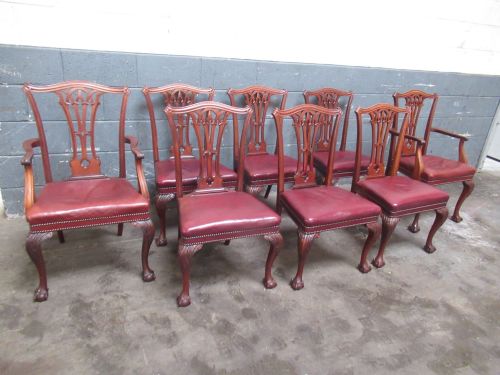
Chippendale Ball and Claw
Chippendale ball and claw furniture brings together carved mahogany timber and distinct talon feet, offering timeless seating and tables for formal rooms.
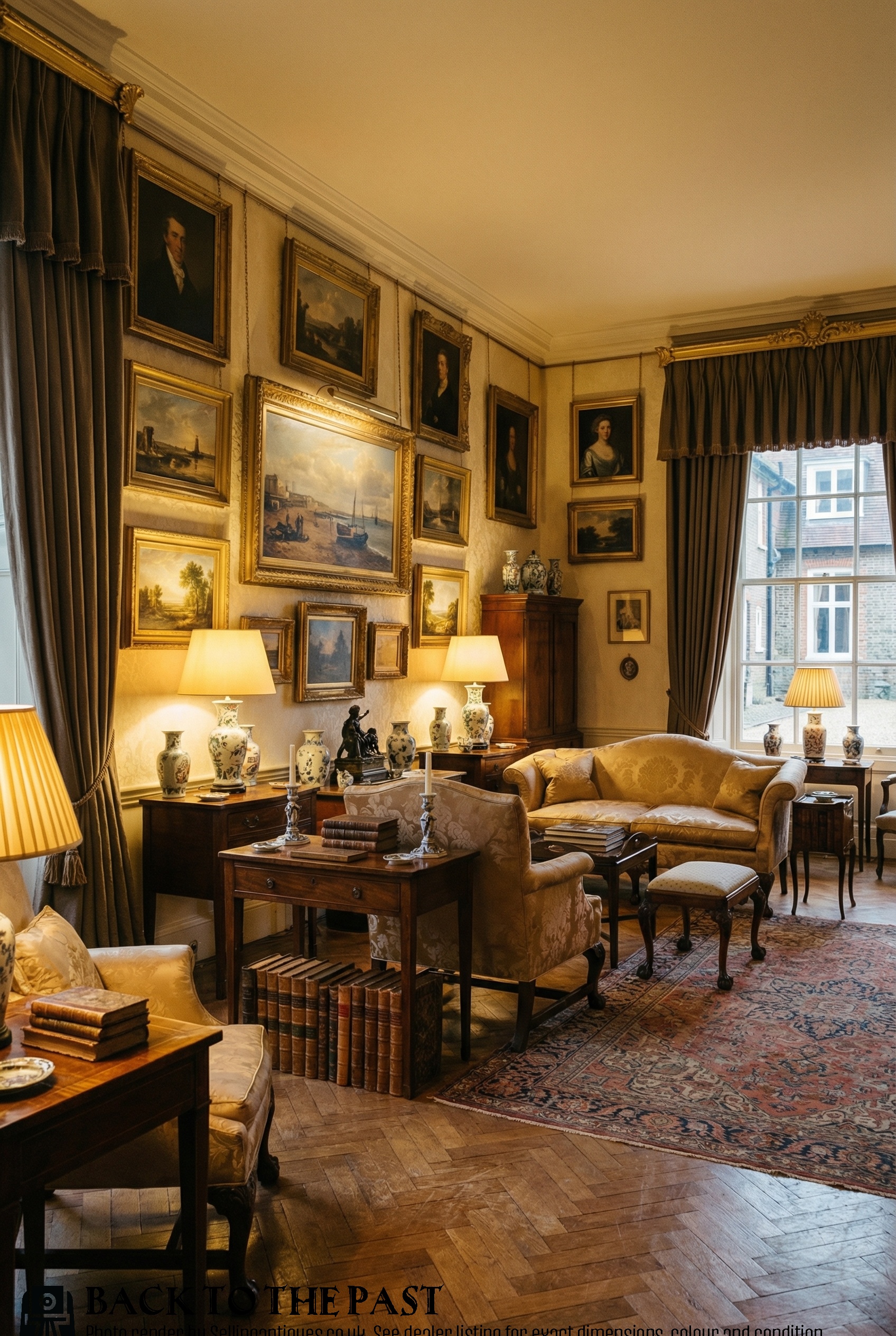
Chippendale Ball and Claw
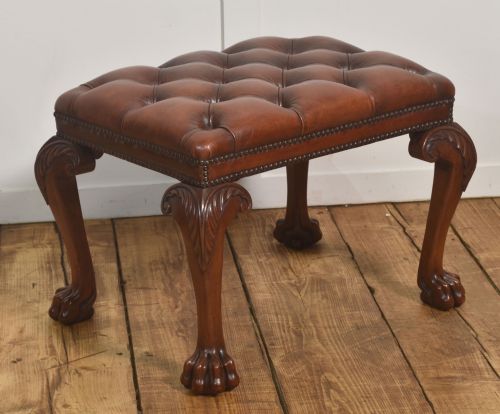
When you search for chippendale ball and claw, you encounter heavy timber forms resting on carved avian talons gripping spheres.
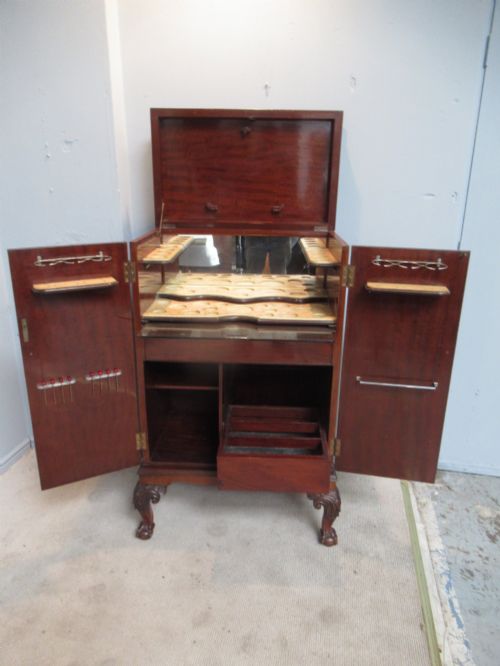
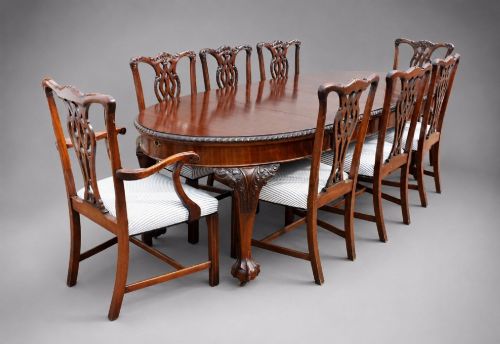
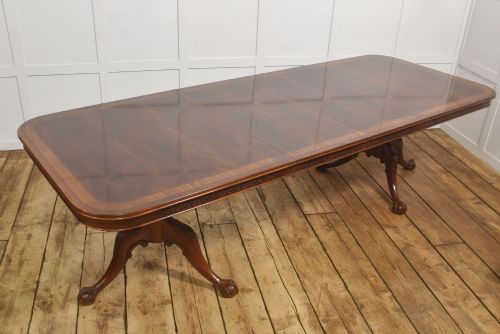
The pieces appearing here span from eighteenth-century Georgian originals through nineteenth-century Victorian interpretations to twentieth-century revival dining sets and desks.
Dining chairs, extending tables, tripod tables, and stools dominate the selection, frequently rendered in solid mahogany or walnut.
Materials and construction
Cabinetmakers relied heavily on dense mahogany and walnut, selected for their stability when subjected to deep carving.
The iconic feet were shaped by hand from the solid timber of the leg, requiring precise chisel work to define the knuckles and talons grasping the ball.
Secondary timbers such as brass fittings, leather inserts, and upholstery fabrics complete the seating and writing furniture.
Every carved talon grips its sphere with unyielding determination, ignoring the passage of centuries beneath the table.
Judging quality
The distinction between ordinary and superior pieces rests entirely on the crispness and depth of the hand carving on the knees and feet.
Superior examples display balanced proportions, substantial timber weight, and finely articulated talons rather than flat, machine-cut contours.
Warings·Howard and Sons·James Shoolbred and Co
The Chippendale Ball and Claw Glossary
- Ball and claw
- A foot motif representing a bird's talon clutching a ball, derived from Chinese motifs and adopted by eighteenth-century cabinetmakers. This carving defines the lower extremities of many chairs and tables.
- Chippendale revival
- A period of nineteenth and twentieth-century production mimicking eighteenth-century designs. Workshops recreated these historic silhouettes for Edwardian and later homes.
- Pie crust
- A raised, scalloped rim carved along the edge of small circular tripod tables. This decorative border resembles pastry work on traditional baking dishes.
- Tripod table
- A small freestanding table supported by a central pillar resting on three spreading legs. These versatile tables served various domestic functions in Georgian parlours.
- Partners desk
- A large double-sided writing table designed for two people to sit opposite one another. Drawers and cupboards are integrated into both sides of the pedestal base.
Chippendale Ball and Claw: Frequently Asked Questions
What is a ball and claw foot?
A ball and claw foot is a carved furniture terminal depicting a bird's talon gripping a spherical object. This decorative detail appeared frequently on eighteenth-century seating and tables.
Cabinetmakers of later revival periods continued using this distinctive foot shape to evoke Georgian elegance in dining chairs and desks.
How do I date these pieces?
Dating relies on timber characteristics, construction methods, and stylistic cues present in the frame. Eighteenth-century items show hand-cut joinery and aged patination on the mahogany.
Revival pieces from the Victorian and Edwardian eras often feature machine-assisted elements and specific secondary woods characteristic of later workshops.
Are these pieces suitable for daily use?
Solid mahogany and walnut construction provides the structural integrity required for regular dining and writing tasks. Chairs and tables handle standard domestic routines effectively.
Leather surfaces and upholstered seats benefit from routine conditioning and careful maintenance to preserve their historic materials.
What wood was used?
Mahogany and walnut form the primary structural timbers for these items. These dense woods supported intricate carving on the legs and aprons.
Secondary materials include brass handles, leather desk inserts, and various woven upholstery fabrics used on chairs and stools.