
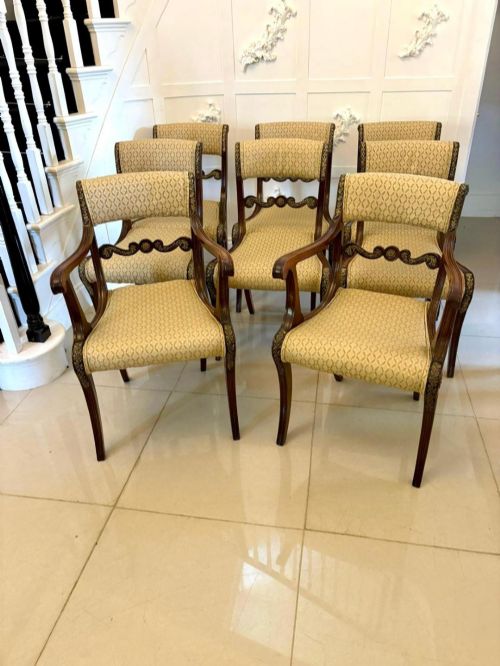
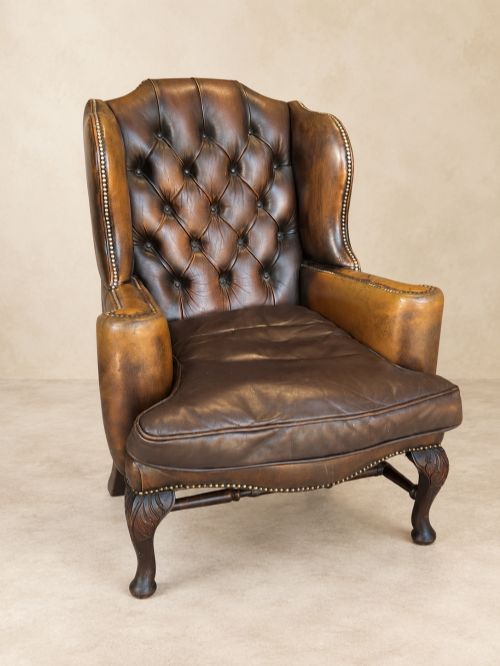
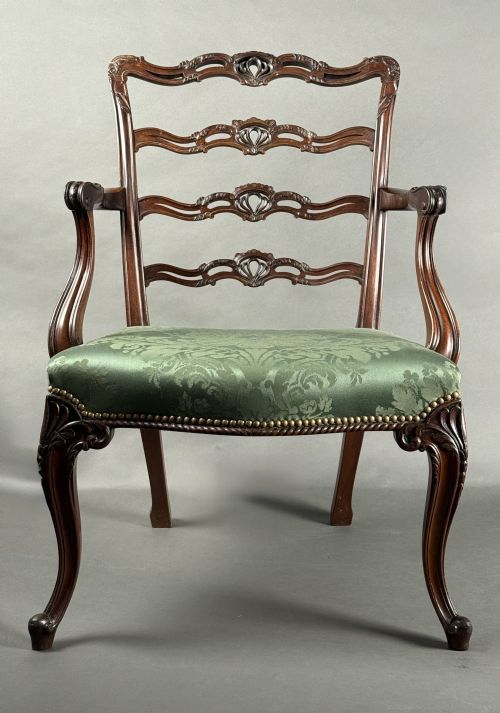
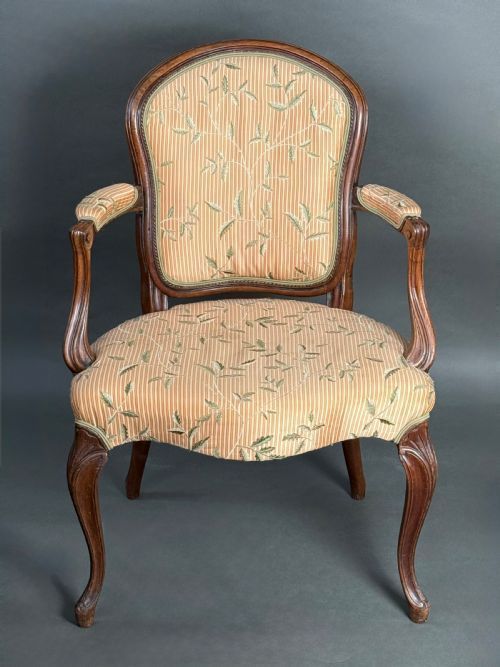
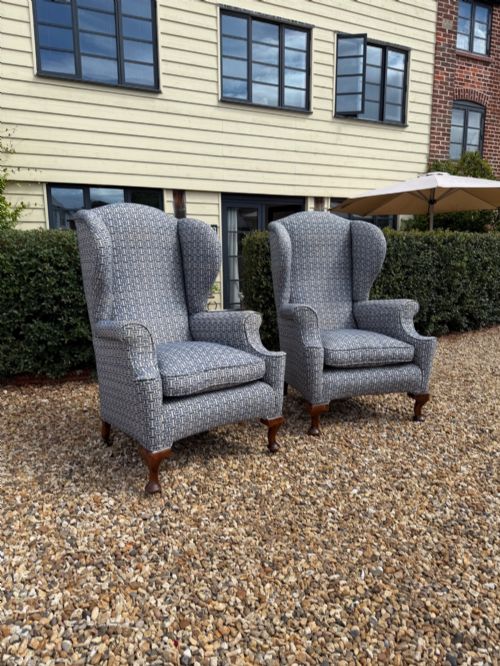
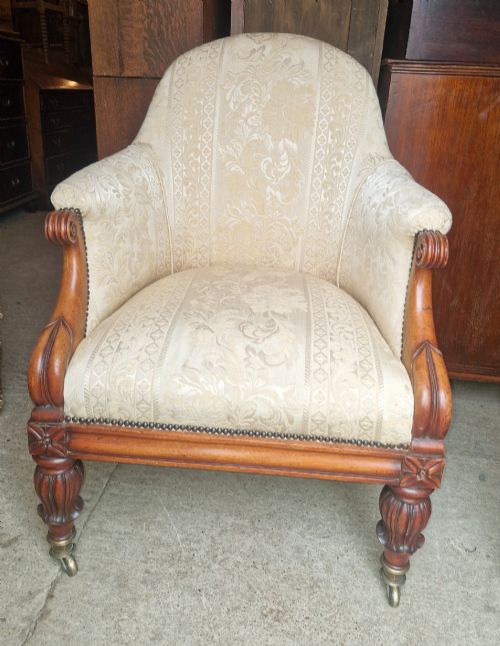
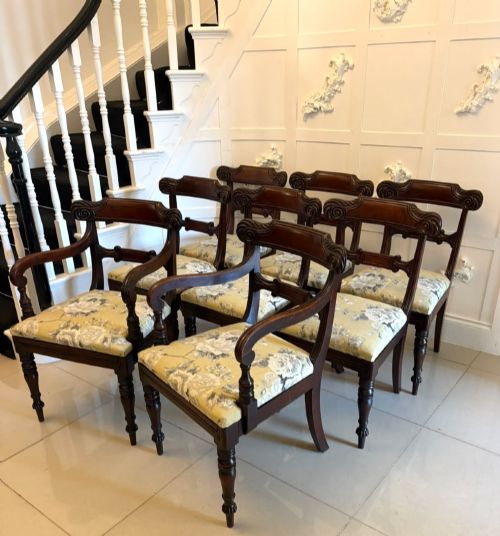
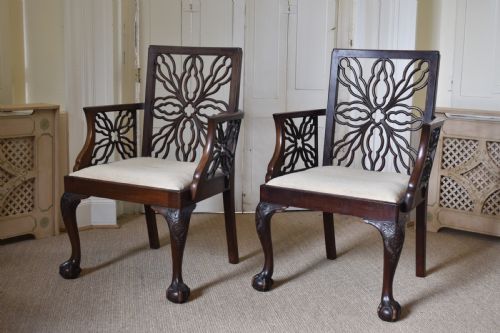
Georgian Carved Armchair
A georgian carved armchair brings instant architectural presence and tactile comfort to a room through centuries of refined joinery.
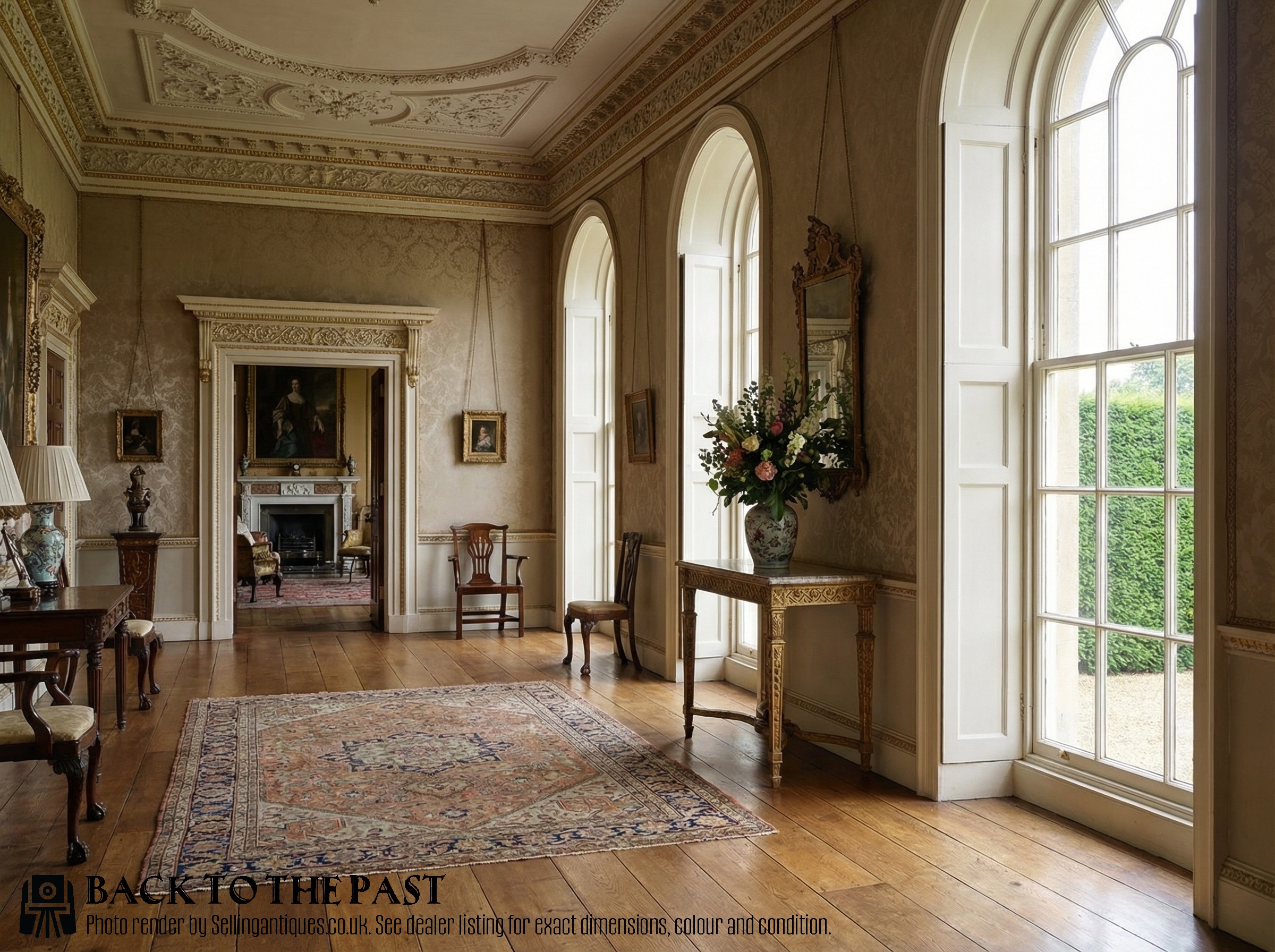
Georgian Carved Armchair
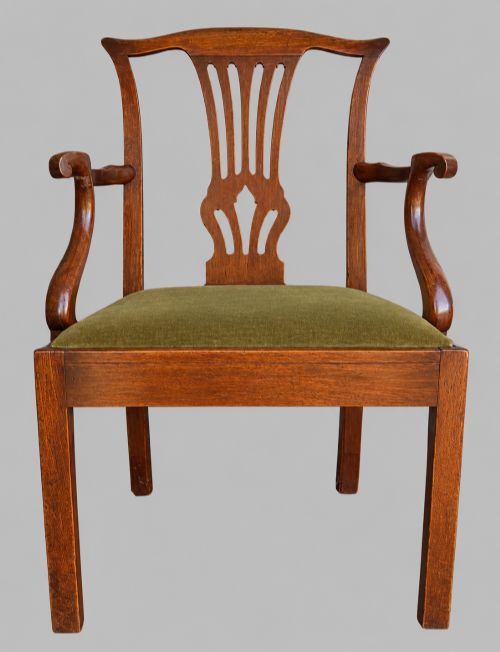
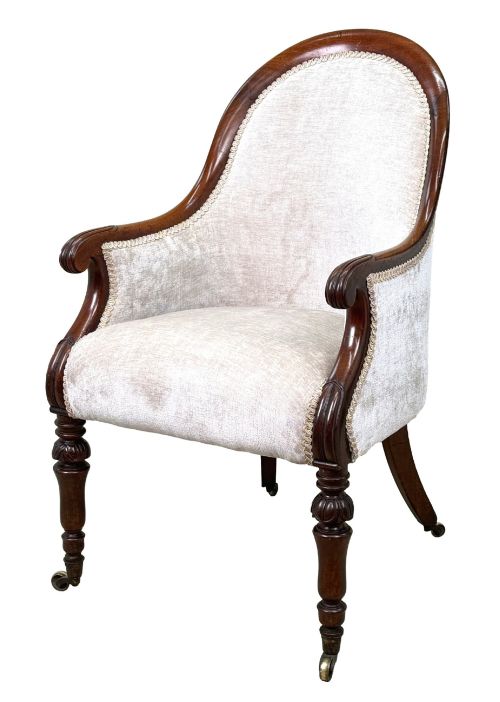
A georgian carved armchair encompasses everything from sturdy oak wainscot forms to elegant mahogany library seating and library Gainsborough chairs.
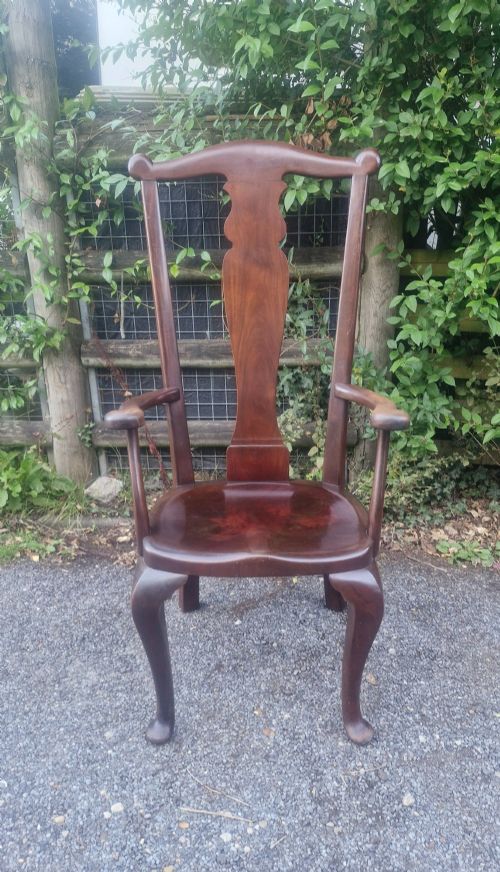
The pieces appearing here span the eighteenth and nineteenth centuries, alongside later revivals reflecting Chippendale, Hepplewhite, and Queen Anne styles.
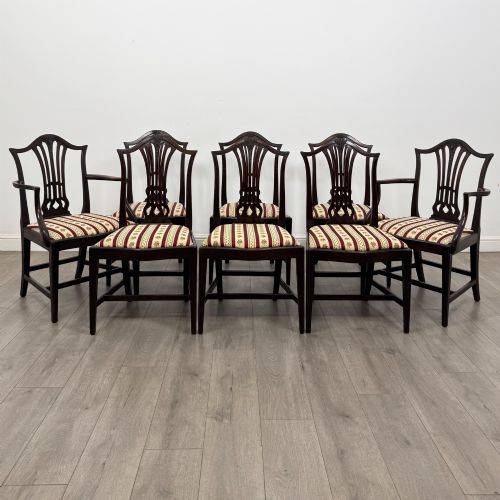
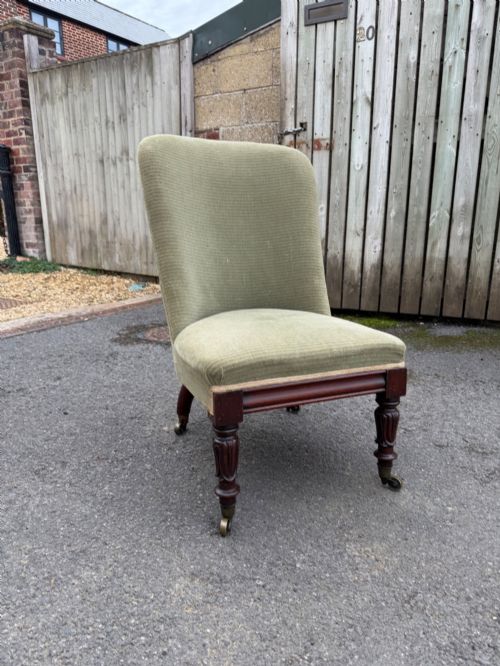
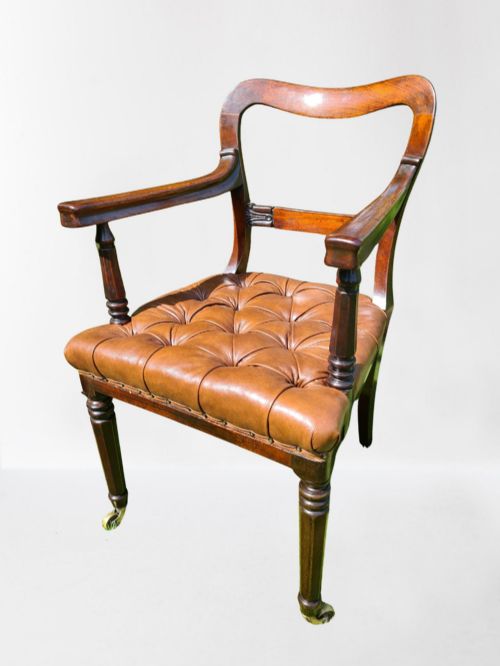
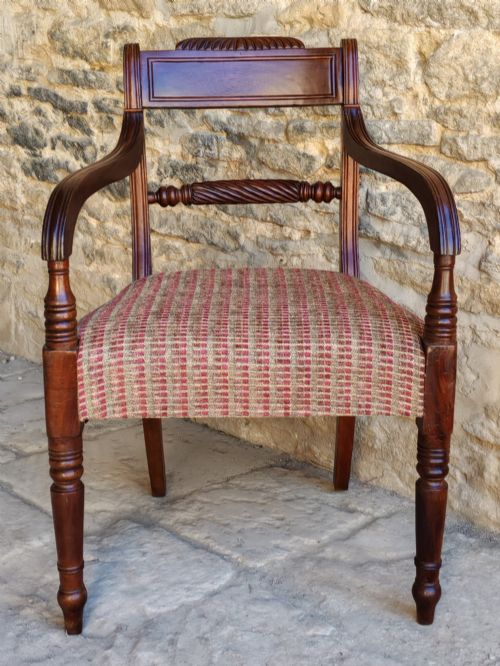
Buyers will encounter dining carvers, low slipper chairs, and library armchairs framed in rich timbers, often upholstered in leather, velvet, or silk.
Materials and Technique
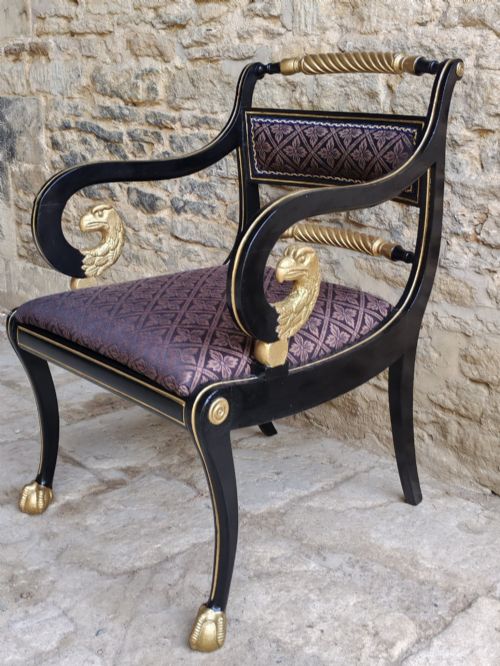
Makers relied primarily on solid mahogany and walnut, alongside structural oak, elm, and giltwood for decorative impact.
Joinery techniques combined mortise and tenon framing with intricate hand-carved detailing, encompassing blind fretwork, ropebacks, and shield backs.
Upholstery utilised traditional stuffing materials, paired with leather hides, silk damask, and woven fabrics secured with brass detailing.
Georgian Carved Armchair Retail Price Guide 2026
Typical asking prices for georgian carved armchair among the pieces listed under this phrase on Sellingantiques today, from the lower quarter to the upper quarter. They describe what is for sale here now, not the wider market.
Listings feature mahogany, oak, walnut, and elm frames paired with leather, fabric, and velvet upholstery.
Craftsmanship and Proportion
Quality rests in the crispness of the hand-carving and the structural integrity of the timber frame.
Superior examples maintain balanced proportions and retain their original finish, whereas lesser pieces often show heavy restoration or blunt detailing.
Thomas Chippendale·Whytock & Reid·Waring & Gillow
The Georgian Carved Armchair Glossary
- Carver
- An armchair designed to match a set of dining chairs, usually featuring open arms to accommodate wide clothing.
- Gainsborough chair
- A wide, upholstered armchair with open padded arms, short legs, and a low back, popular for writing desks.
- Wainscot armchair
- An early heavy wooden chair constructed primarily from joined oak, featuring a solid panelled back.
- Blind fretwork
- Low-relief geometric or interlaced carving applied to straight furniture legs and rails, mimicking Chinese lattice designs.
- Shield back
- A chair back shaped like a heraldic shield, popularized by eighteenth-century designers such as Hepplewhite.
Georgian Carved Armchair: Frequently Asked Questions
What is a georgian carved armchair used for?
These chairs served multiple domestic roles, functioning as desk seating, library reading chairs, and principal seats at dining tables. Their sturdy timber frames and upholstered backs provided comfort for long periods of sitting.
Today, they transition easily into modern interiors as statement pieces in studies, living rooms, or hallways.
How do I spot a true period piece?
Examine the timber closely for age-related wear, tool marks from hand-working, and the depth of the patina built up over generations. Structural joints constructed with pegged mortise and tenon techniques rather than modern steel screws indicate older craftsmanship.
Compare the carving depth and wood species against documented examples from the eighteenth and nineteenth centuries to confirm authenticity.
Are these chairs comfortable for daily use?
Many examples feature deep seats, padded armrests, and supportive high backs designed for relaxation. Leather and fabric upholstery options offer varying degrees of cushioning depending on whether the piece was intended for a library or a dining room.
Traditional stuffing methods provide firm, supportive seating that suits regular use when properly maintained.
How do I care for antique wood and leather?
Protect timber surfaces by keeping chairs away from direct heat sources and strong sunlight, which can dry out the wood and fade finishes. Nourish exposed mahogany or walnut periodically with a quality wax to maintain the natural sheen of the grain.
Treat leather upholstery with specialised conditioners to prevent cracking while preserving the historical hide.